Quick Answer
Most bamboo toothbrush problems—like bristle shedding, splintering, or mold—stem from improper drying, aggressive brushing, or natural wear. With the right care and a few simple adjustments, you can extend the life of your brush and keep your smile healthy.
Bamboo toothbrushes are a great eco-friendly swap, but they come with their own set of quirks. If you've noticed bristles falling out or the handle splintering, you're not alone. The good news: most issues are preventable and fixable.
In this guide, we'll walk you through common bamboo toothbrush problems, their likely causes, and step-by-step solutions. Plus, we'll share care tips to help your brush last longer.
Bristle Shedding: Why It Happens and How to Fix It
Shedding bristles are the most common complaint with bamboo toothbrushes. This often happens because the bristles are anchored with tiny metal staples that can loosen over time, especially with aggressive brushing or exposure to hot water. If you brush too hard or use a back-and-forth sawing motion, you put extra stress on those staples.
To fix this, switch to gentle circular motions and use only lukewarm water. Also, make sure you're not storing your brush in a closed container where it stays damp—moisture can weaken the staples. If shedding continues after a few weeks, it's time to replace the brush head or the whole brush.
- Use a soft touch and circular motions.
- Rinse with lukewarm water, not hot.
- Store upright and let it air dry completely.
Splintering Handles: Causes and Prevention
Splintering on the handle is another frequent issue. Bamboo is a natural material, and it can crack or splinter if it's exposed to extreme dryness, harsh chemicals, or if you drop it on a hard surface. Some people also bite the handle when they're concentrating, which can cause damage.
To prevent splinters, avoid soaking your brush in mouthwash or hydrogen peroxide, which can dry out the bamboo. Instead, rinse it well and pat it dry with a cloth. If you see a splinter starting, sand it down gently with fine-grit sandpaper. But if the crack is deep or the handle is breaking, it's safer to stop using it and get a new one.
- Don't soak the brush in any liquid.
- Dry the handle after each use.
- Sand small splinters with fine-grit paper.
Mold and Mildew: Keeping Your Brush Clean and Dry
Mold can develop on any toothbrush, but bamboo is more susceptible because it's porous. If you store your brush in a damp bathroom or in a travel case while it's still wet, you're inviting mold. This is both a hygiene issue and a durability issue.
The fix is simple: always shake off excess water after brushing, and store your brush upright in a holder that allows air circulation. If you use a travel case, make sure the brush is completely dry before sealing it. If you spot mold, discard the brush immediately—don't try to clean it, as mold can be hard to remove from porous bamboo.
- Shake off water and store upright.
- Use a ventilated holder, not a closed cup.
- Never store a wet brush in a travel case.
Worn Bristles: When to Replace Your Brush
Even with perfect care, bristles wear out. If they start to splay, bend, or lose their firmness, they're not cleaning effectively anymore. This can happen faster if you brush too hard or use a toothpaste with harsh abrasives.
Dentists recommend replacing your toothbrush every three months, or sooner if the bristles look frayed. With bamboo brushes, you can often just replace the head if you have a model with replaceable heads, which is more sustainable and cost-effective.
- Check bristles monthly for wear.
- Replace every 3 months or when frayed.
- Consider a brush with replaceable heads.
Diagnosis: Is Your Bamboo Toothbrush Worth Fixing?
- Symptom: Bristles falling out: Check if it's isolated or widespread. If isolated, adjust brushing pressure and drying habits. If widespread, the brush may be defective or too old. If shedding continues after 2 weeks of adjusted care, replace the brush.
- Symptom: Splintering handle: Inspect the depth of the crack. Small splinters can be sanded, but deep cracks compromise structural integrity. If the crack is deep or the handle is breaking, stop using it and replace.
- Symptom: Mold or mildew: Look for dark spots or musty smell. Mold on porous bamboo is a health risk and cannot be safely removed. Discard immediately and adjust storage to prevent recurrence.
Products That Help
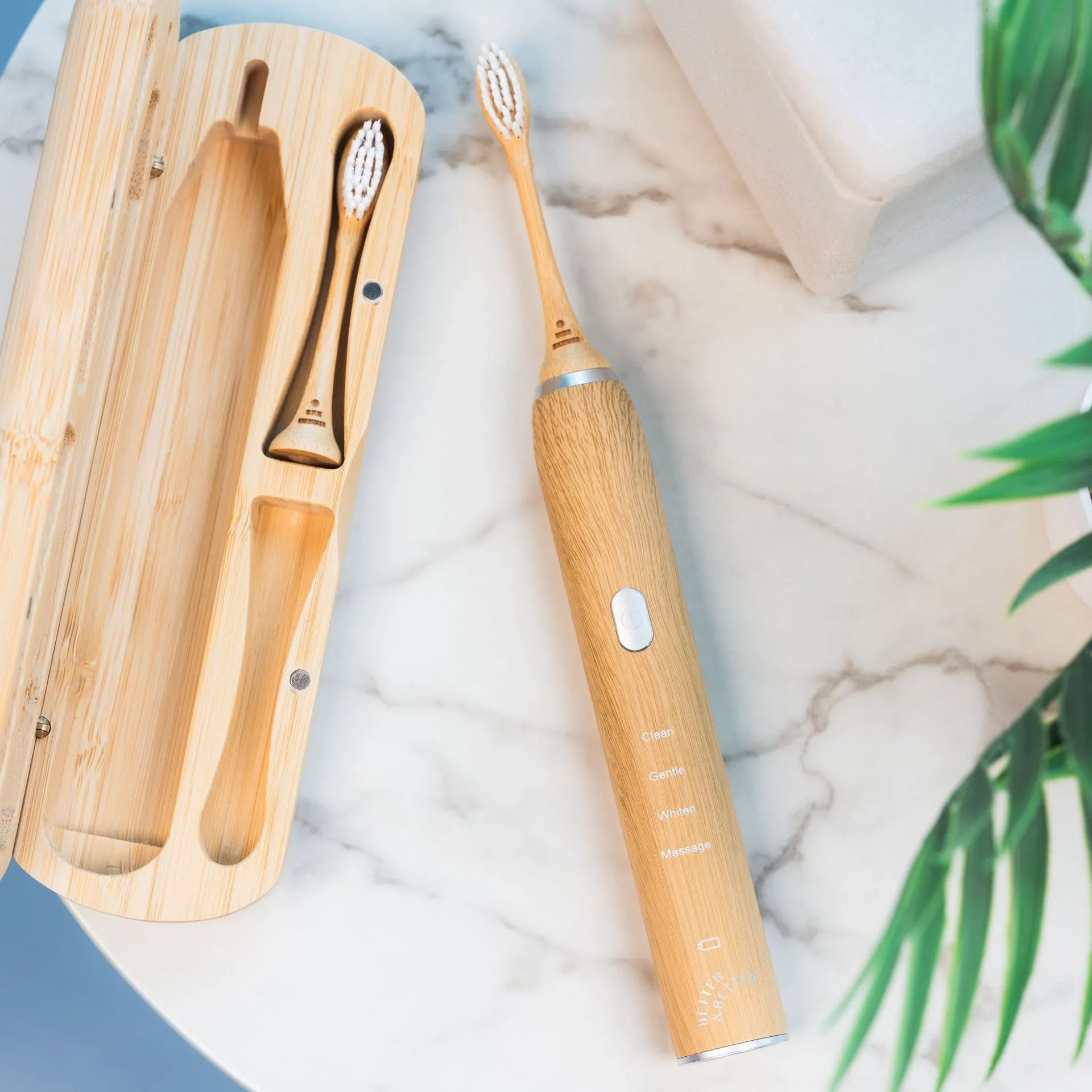
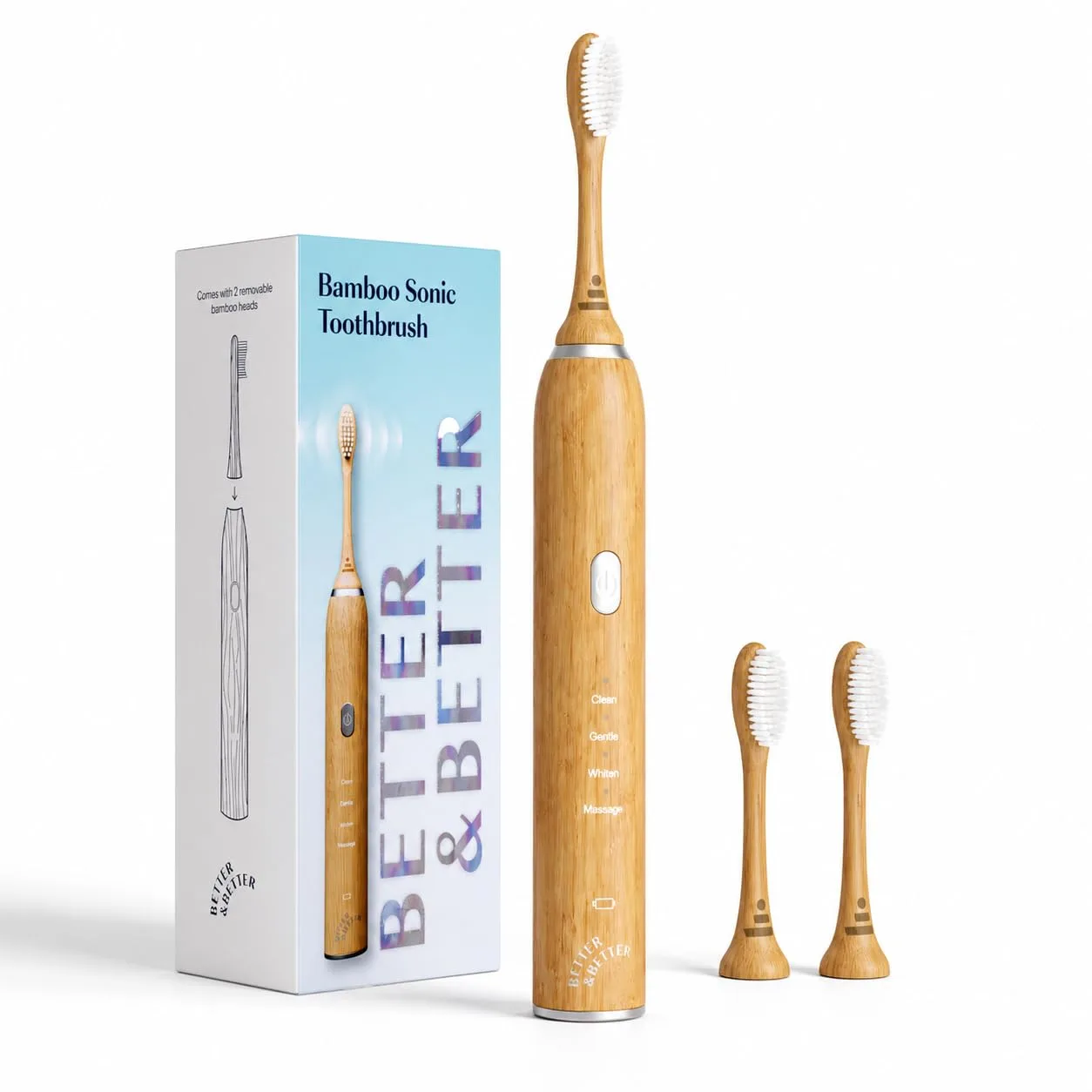
- https://betterandbetteroix.com/products/bamboo-sonic-toothbrush-2-0-with-travel-case-301857Bamboo Sonic Toothbrush (2.0) with Travel Case: Our best-selling sonic toothbrush, now ready-to-travel. Let the gentle sonic microvibrations whisk you off to a brighter smile in 2 minutes. Keep your Bamboo Sonic Toothbrush clean and safe with our custom, 100% FSC-certified Bamboo Travel Case. The included travel case keeps your brush dry and protected, reducing mold and splintering risks. Sonic vibrations also require less pressure, so bristles last longer.
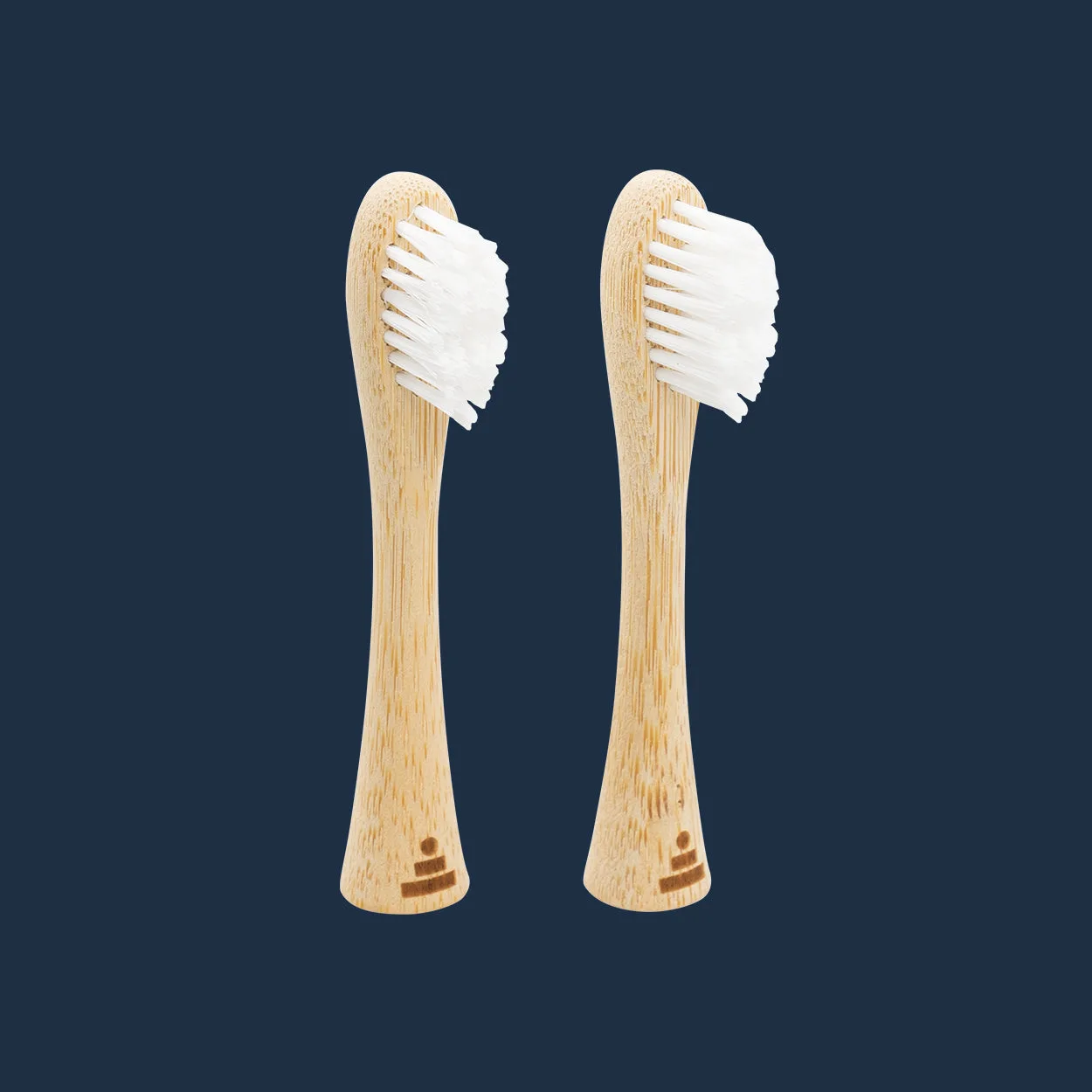
- Bamboo Sonic Replacement Heads - 2 Pack: Soft bristles for a high-polish, high-powered clean. Made of natural bamboo and 100% plant-based, castor bean oil bristles, these brush heads fit seamlessly with your Bamboo Sonic Toothbrush and create less waste. When bristles wear out, you can replace just the head instead of the whole brush—saving money and reducing waste.
Bamboo toothbrushes are a sustainable choice, but they require a bit of care to stay in good shape. By addressing issues early and following proper maintenance, you can enjoy a clean, eco-friendly smile for months. When problems persist, don't hesitate to replace the brush—your oral health is worth it.