Quick answer
Most fusible bonding web failures come down to three things: not enough heat, not enough time, or not enough pressure. Weak bonds usually mean the web never fully melted, while scorched fabric means the iron was too hot or stayed too long. Match the temperature to the fabric, hold the iron still for the full time, and let the piece cool completely before testing the bond.
Fusible bonding web is one of the fastest ways to hem, patch, or stabilize fabric without a sewing machine. But when it fails, it fails in ways that are easy to misread: a hem peels apart, adhesive gums up the iron, or the fabric puckers and scorches. The good news is that almost every problem has a specific cause and a specific fix.
This guide walks through the most common fusible bonding web mistakes, what they look like, why they happen, and what to do next. It also tells you when to stop troubleshooting and switch to a different method, because some fabrics and some repairs simply are not good candidates for fusible web.
Start with the right fabric and the right web
Fusible bonding web needs a surface it can grip. Tightly woven, smooth fabrics like cotton, linen, and many blends bond well. Textured fabrics, loose weaves, and stretchy knits give the web less contact area, so bonds are weaker from the start. If your fabric has a nap, a heavy texture, or a lot of stretch, expect a lower success rate and test on a scrap first.
The web itself also matters. Some webs are designed for lightweight hemming, while others are formulated for heavier projects. Using a lightweight web on upholstery fabric, or a heavy web on delicate fabric, creates problems that no amount of ironing will fix. Always check the package instructions for the recommended fabric weights and heat settings before you start.
- Test on a scrap of the same fabric before touching your project.
- Pre-wash fabrics to remove sizing or finishes that block adhesion.
- Avoid fabric softener, which can leave a coating that resists bonding.
Weak or peeling bonds: heat, time, and pressure
If your fusible web is not sticking, the most likely cause is insufficient heat. Irons vary, and a setting that feels hot may still be below the temperature the web needs to melt and flow into the fabric. Use the temperature recommended on the web package, and give the iron time to fully heat up. If you are using a press cloth, make sure it is thin enough to let heat through.
Time and pressure matter just as much. Many people glide the iron across the fabric like they are pressing a shirt. Fusible web needs steady, stationary pressure for the full recommended time, usually 10 to 15 seconds per section. Press down firmly, hold, then move to the next section. Let the piece cool completely before you test the bond, because the adhesive reaches full strength only after it cools.
- Hold the iron still; do not slide it back and forth.
- Use a firm, even press rather than a light glide.
- Wait for the fabric to cool before peeling or tugging at the bond.
Scorched fabric and gummed irons
Scorch marks and sticky iron soles come from too much heat or direct contact between the iron and the adhesive. If adhesive transfers to your iron, it can smear onto the next project. Clean the soleplate while it is warm but not hot, following the iron manufacturer's instructions, and always use a press cloth between the iron and the web.
If the fabric scorched, the heat was too high for that material. Turn the iron down, shorten the press time, and test again on a scrap. For delicate fabrics, use a lower temperature and a longer, gentler press. If the fabric is already damaged, there is no way to reverse the scorch, so treat that piece as a loss and adjust your settings for the next attempt.
- Always use a press cloth to protect the iron and the fabric.
- Clean adhesive residue from the iron before it burns on.
- Lower the temperature for delicates and press in shorter bursts.
When to stop and choose another method
Some problems are not worth fixing with fusible web. If the fabric is heavily textured, very stretchy, or heat-sensitive, the bond will likely fail again. If the area takes a lot of stress, such as a strap, a seat seam, or a load-bearing hem, fusible web alone may not hold. In those cases, sewing is the more reliable choice.
You can also combine methods. Use fusible web to hold the fabric in place, then add a few hand stitches or a machine seam for security. This gives you the speed of fusible web with the strength of stitching. If you have already tried two or three heat and pressure adjustments without success, stop and switch to sewing rather than risk damaging the fabric further.
- Choose sewing for high-stress or load-bearing repairs.
- Use fusible web as a temporary hold, then stitch for permanence.
- Stop after two failed attempts to avoid scorching or weakening the fabric.
Diagnosis: match the symptom to the fix
- Bond peels apart after cooling: The web did not fully melt. Increase iron temperature to the web manufacturer's recommendation, hold the iron still for the full time, and apply firm pressure. Let cool completely before testing. If it still peels after two tries, the fabric or web weight is likely mismatched.
- Fabric scorched or iron soleplate is gummed: Heat was too high or the iron touched the adhesive directly. Lower the temperature, use a press cloth, and clean the iron while warm. Test on a scrap before continuing. Scorching is permanent; adjust settings before you ruin more fabric.
- Bond holds at first but fails under stress: Fusible web is not designed for load-bearing areas. Add stitching or choose a sew-on closure instead. Use the web only as a temporary hold if you still want its speed. For straps, seats, and heavy hems, sewing is the reliable choice.
Tools that help with fusible web projects
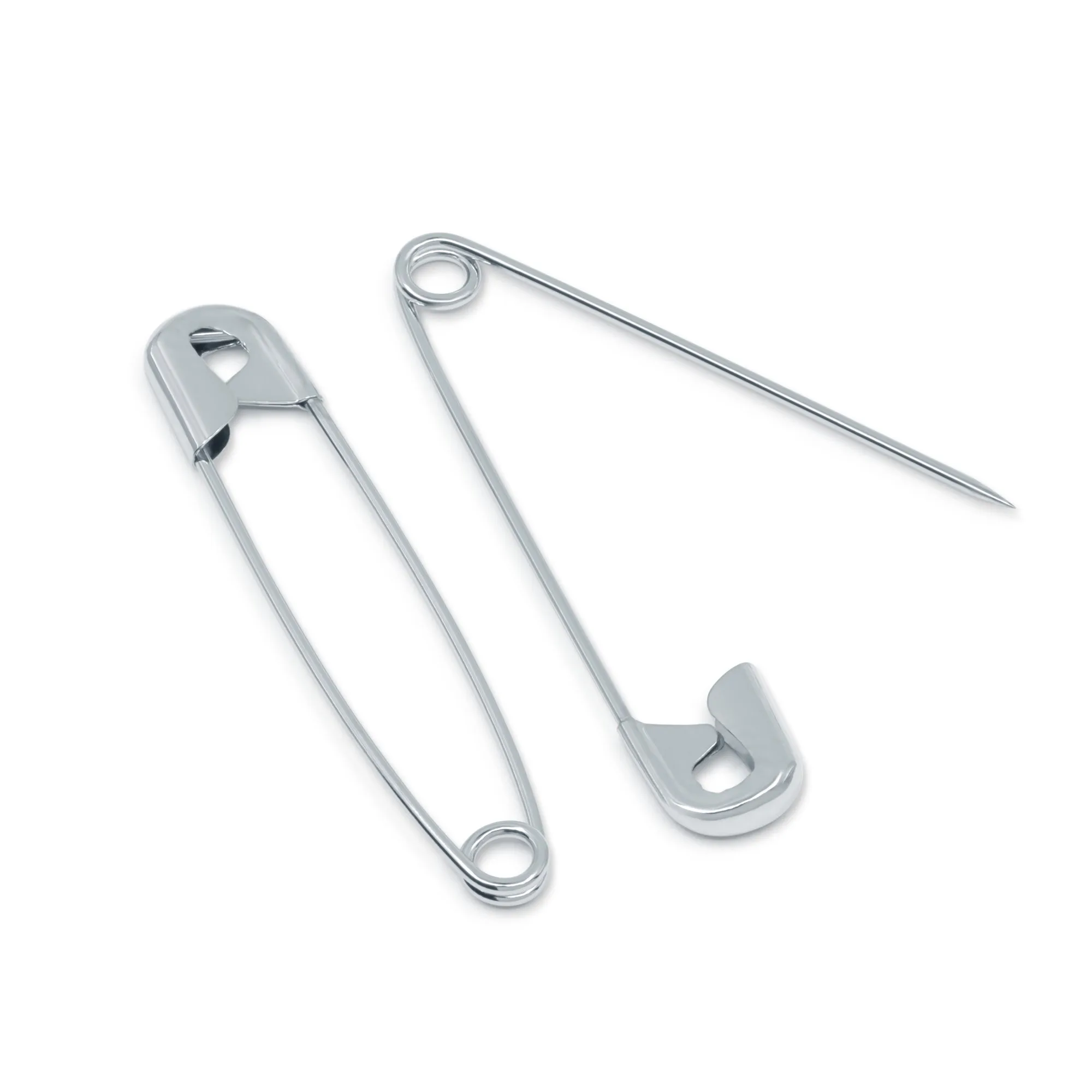
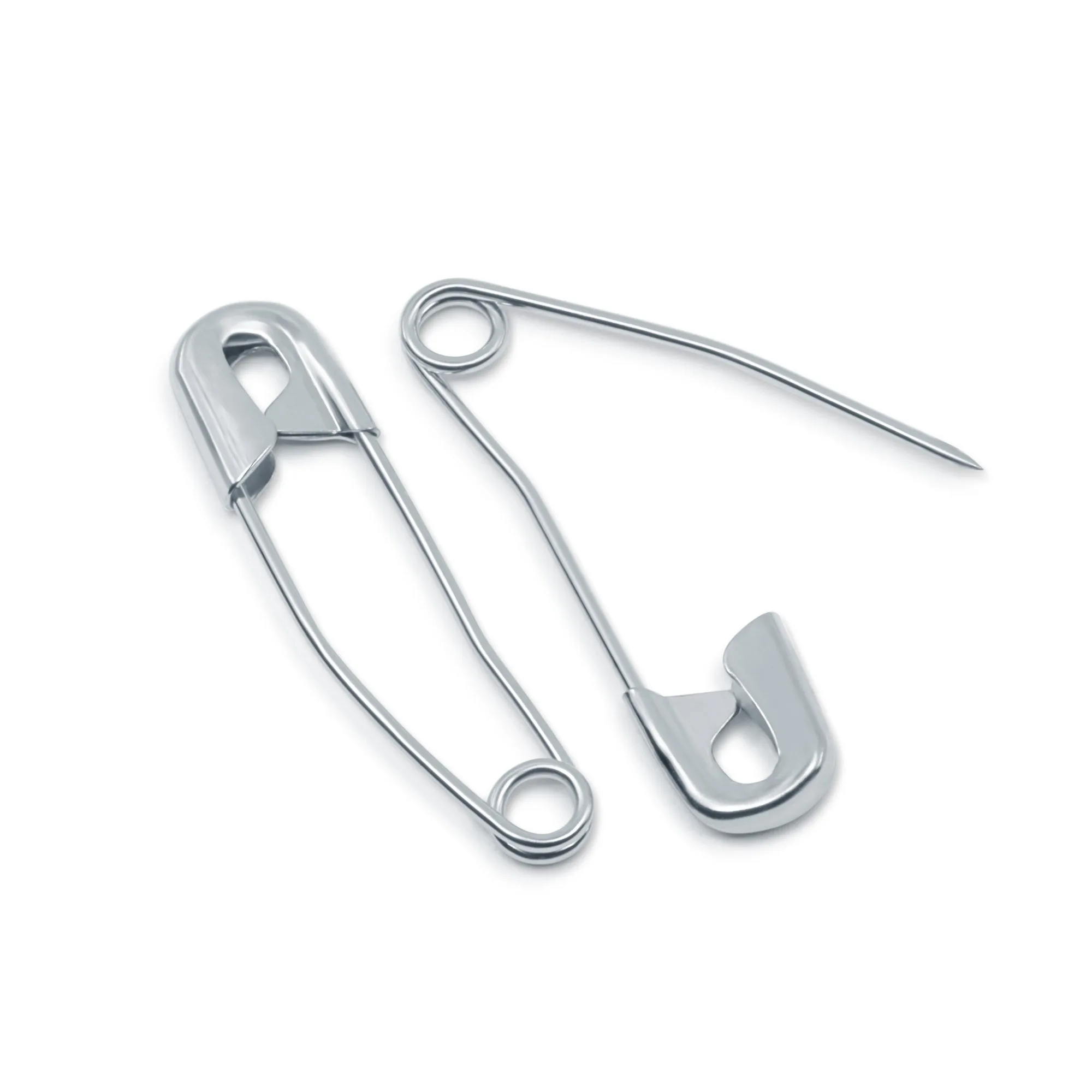
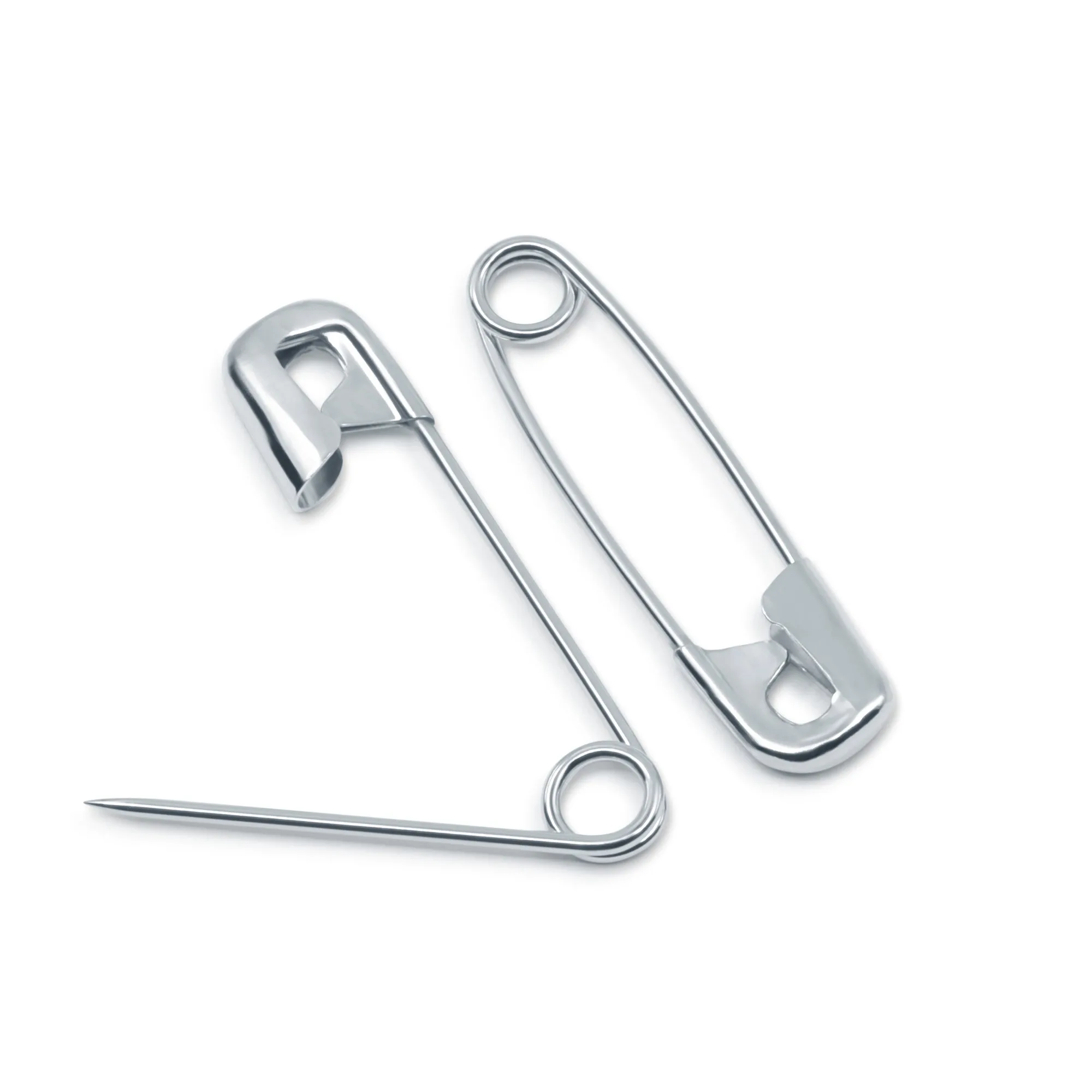
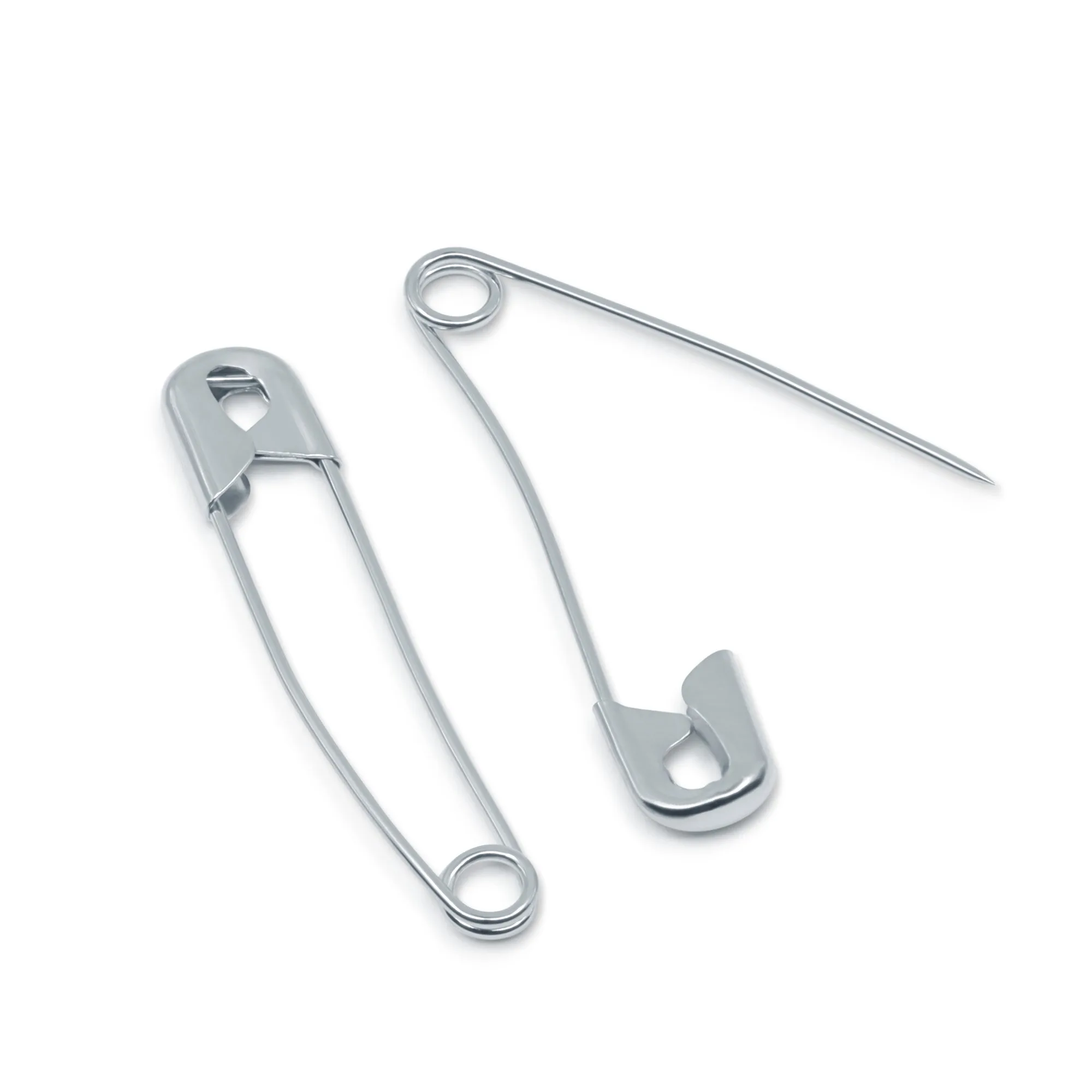
- https://prymamerica.com/products/511200-b2b-8bc707294d03cd2a6ce8c97f-1318320https://prymamerica.com/products/512198-b2b-8a29eeea6a0da4864b334266-1318685https://prymamerica.com/products/511198-b2b-30b1f8f3d467182c340b0653-1318708https://prymamerica.com/products/513100-b2b-ebc2ce8efbc600af8c58ad84-1318727Safety Pins, Silver, Steel: Item Number: 512100; catalog price USD 350.00. Safety pins are useful for holding fabric layers in place while you position fusible web, especially on small or curved hems.
- Repair Needles Pack, 7 pc: The Dritz Repair Needles Pack of 7 includes seven different types of needles for mending fabric tears, upholstery nicks, and heavy-duty items like sails, sacks, canvasses, and carpets. If fusible web is not the right fix for a high-stress repair, these needles let you add secure hand stitches instead.
- 3/4" Petite Pearlized Pins, Assorted, 100 pc: Dritz petite pearlized pins are short straight pins with a 4mm pearlized ball head, made of rustproof stainless steel, and come in a reusable plastic storage box. These short pins hold lightweight fabrics and trims in place without adding bulk, which helps you test fusible web placement before pressing.
- Magnetic Square Sew-On Snap, 1 Set, Black: Dritz 3/4" Square Magnetic Snaps are versatile for garments, pockets, purses, totes, and backpacks, and are ideal for flaps and pockets. For bags and garments where fusible web alone may not hold a closure, a sew-on magnetic snap gives you a stronger, more reliable alternative.
Fusible bonding web is a fast, useful tool when you match the web to the fabric and give it the heat, time, and pressure it needs. When it fails, diagnose the symptom instead of guessing: weak bonds mean more heat or time, scorching means less heat, and stress failures mean you should switch to sewing. Test on scraps, keep your iron clean, and stop troubleshooting before you damage the fabric.