Quick answer
Most leather bag mistakes come from doing too much, not too little. Over-conditioning, sealing a bag in plastic, and treating every mark with water are the habits that cause the most damage. Do less, do it deliberately, and store your bag so it keeps its shape.
Leather is skin, and like skin it responds to balance. A Cambridge Satchel that is used daily, wiped down occasionally, and stored with a little room to breathe will outlast one that is scrubbed, soaked, and wrapped in plastic. The problem is that most of the popular advice online is either exaggerated or plain wrong.
Below are seven claims you will see repeated in forums and quick tips, each with an honest verdict and the practical alternative. Where a fix depends on a specific bag, the product records at the end show what each design actually needs.
Myth 1: You should condition your bag every month
Conditioning adds oils, and leather only needs them when it feels dry. A bag that lives indoors and is wiped with a soft cloth rarely needs more than a light treatment once or twice a year. Monthly conditioning builds up residue that attracts dust and can darken lighter finishes unevenly.
The exception is a bag that has been rained on repeatedly or stored in a very dry room. Even then, apply a small amount, let it absorb, and buff off the excess rather than layering more on top. If the leather already feels supple, leave it alone.
- Test any conditioner on a hidden area first, such as the underside of a strap.
- If the surface feels tacky after drying, you used too much.
Myth 2: Plastic bags keep leather safe in storage
Plastic traps moisture and blocks airflow, which is exactly the environment where mould and musty smells develop. A bag sealed in a plastic bin for a season can come out with a smell that takes weeks to fade, and the coating on some plastics can transfer onto the leather surface.
Use the dust bag that came with your bag, or a cotton pillowcase. Leave a little space around the bag inside the dust bag so air can move, and keep the whole thing on a shelf rather than pressed against a wall.
- Never stack heavy items on top of a stored leather bag.
- If you live somewhere humid, check stored bags every few weeks rather than sealing them for months.
Myth 3: Water ruins leather instantly
A light rain shower will not destroy a finished leather bag, but soaking it and leaving it wet will. The real risk is water sitting on the surface, lifting finishes, and drying unevenly into marks. The response matters more than the exposure.
Blot with a dry cloth rather than rubbing, then let the bag air dry away from radiators and direct sun. Do not use a hairdryer. Heat pulls moisture out too fast and can stiffen the leather or crack a finish at the edges.
- Stuff the bag lightly with tissue while it dries so it holds its shape.
- If the bag has a structured base, dry it upright so water does not pool inside.
Myth 4: A leather bag should be kept completely empty
Empty sounds tidy, but it is the fastest way for a structured bag to sag. An empty tote or satchel collapses inward at the sides, and creases that form over months are hard to reverse. The goal is light, even filling, not a full load.
Use crumpled tissue paper or a clean cotton cloth to hold the shape without pressure. Avoid newspaper, because the ink can transfer, and avoid overstuffing, which stretches the leather and stresses the seams.
- Fill structured bags to about their natural shape, not beyond it.
- Soft, unstructured bags need less filling and more flat storage.
Myth 5: All leather bags need the same routine
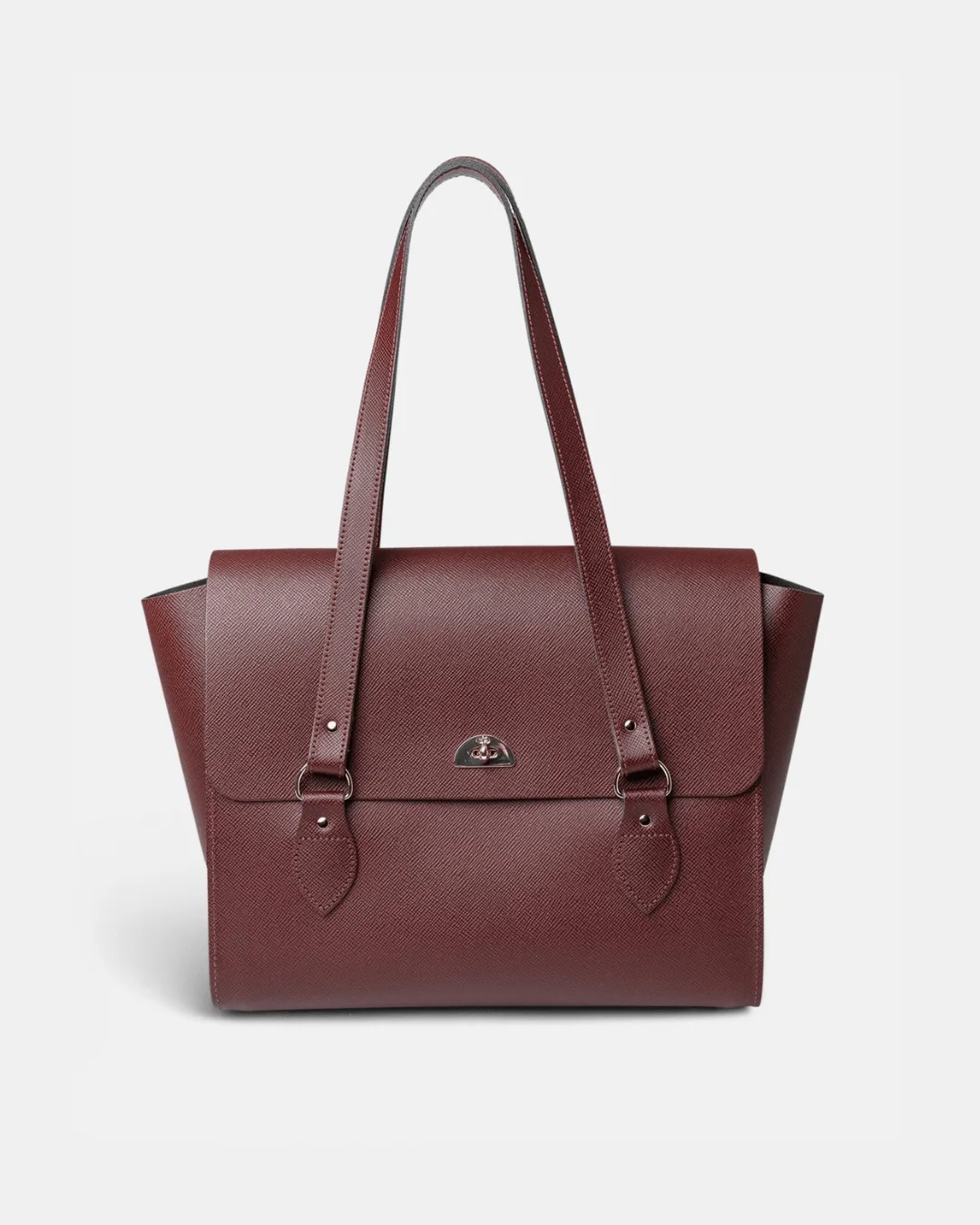
Finish and construction change what a bag needs. The Emily - Oxblood Saffiano uses Saffiano leather, a finish with a crosshatch texture that resists marks well and only needs a wipe with a soft dry cloth. The Elphaba Grimmerie Bag - Black 1914 Grain is made from rich split leather with chunky blanket stitching, so a textured surface like that traps dust in the stitching and benefits from a soft brush along the seams.
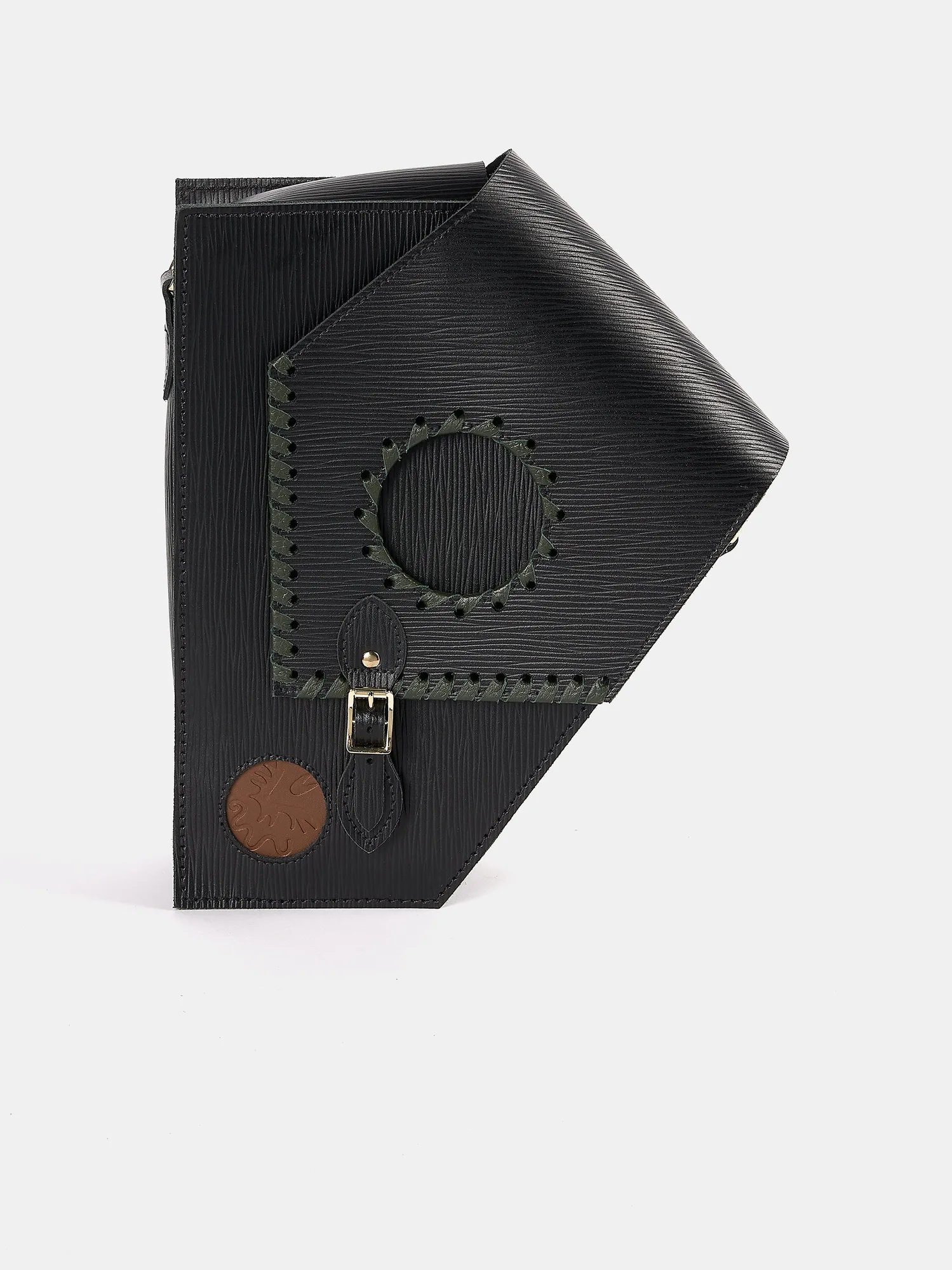
The Elphaba Grimmerie Bag - Black 1914 Grain
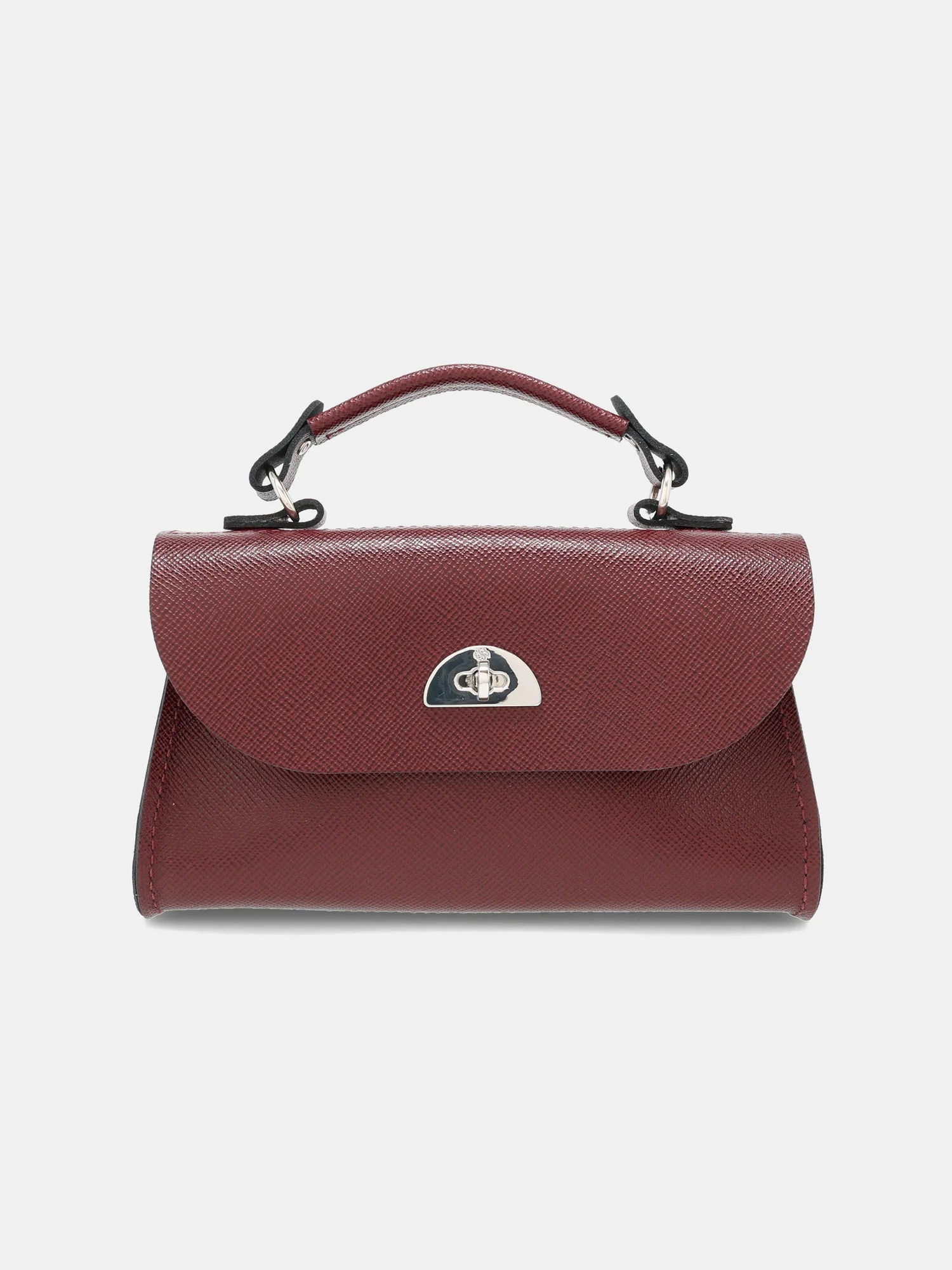
The same logic applies to hardware. A twist-lock closure, like the one on The Mini Daisy - Oxblood Saffiano, works best when the mechanism is kept clean and free of grit. Wiping the plate with a dry cloth now and then is enough; oiling hardware is not a thing.
- Match the care to the finish, not to a generic leather rule.
- Check the closure and strap attachments as often as the leather itself.
Myth 6: Small bags need less care than large ones
Small bags often get more handling, not less. The Little One - North Sea, Navy & Iced Coffee is designed for evenings out and light travel, which means it is picked up, put down, and passed around more than a work bag. Its top handle and adjustable shoulder strap take most of that wear.
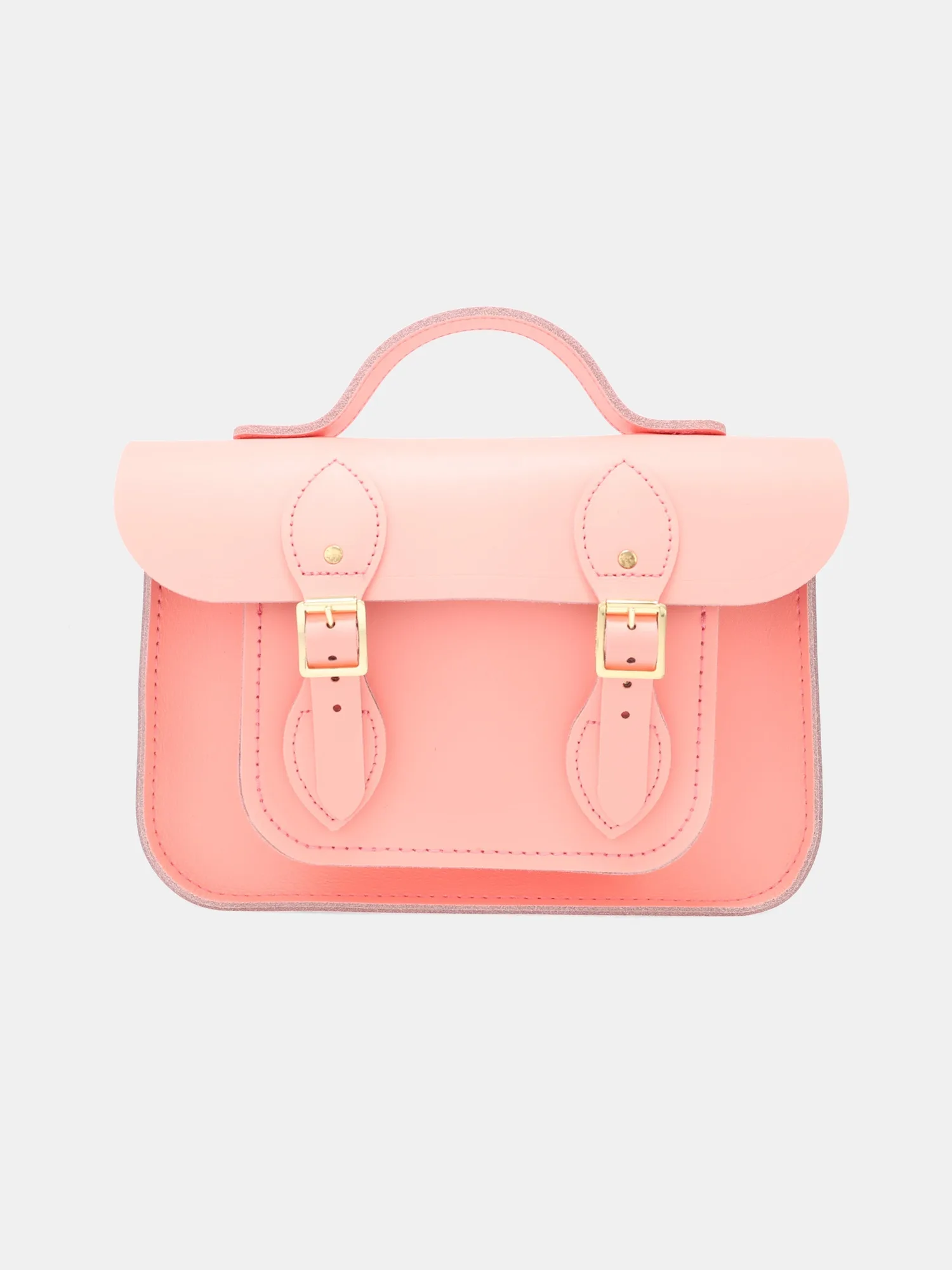
The 11 Inch Batchel - Pink Icing has a top handle and detachable shoulder strap plus magnetic closures, all of which are contact points. Check where the strap meets the bag and where the magnets sit, because those areas show strain first.
- Wipe handles and straps more often than the body of the bag.
- Loosen a strap before storing so it does not crease against the leather.
Myth 7: A mark means the bag is ruined
Most marks are surface-level and fade with normal use. Scratching at them, using harsh cleaners, or scrubbing with a wet cloth turns a small mark into a permanent one. Patience is genuinely part of the care routine.
If a mark does not lift with a dry cloth, leave it and reassess in a few days. Leather develops a patina as it is used, and many light scuffs blend into that over time. Aggressive treatment removes the finish that makes this possible.
- Start with the gentlest method and stop if the surface changes colour.
- Never use household cleaners, alcohol, or abrasive pads on finished leather.
Verdicts at a glance
- Conditioning every month: Not necessary. Condition only when the leather feels dry, and buff off any excess. Verdict: do less, less often.
- Storing in plastic: Avoid it. Use the supplied dust bag or a cotton pillowcase and leave room for air. Verdict: airflow beats airtight.
- Drying a wet bag near heat: Blot and air dry at room temperature, away from radiators and direct sun. Verdict: slow drying protects the finish.
- Storing a structured bag empty: Light filling with tissue or cloth holds the shape without stretching the leather. Verdict: shape support is care.
- One routine for every leather: Match care to the finish, from Saffiano to split leather, and check hardware and straps regularly. Verdict: read the bag, not the rule.
What these bags actually need
- The Emily - Oxblood Saffiano: Saffiano leather with a secure twist-lock closure, internal slip pocket, leather top handles, and a generously proportioned interior, supplied with a protective dust bag. The textured Saffiano finish resists marks, so a dry cloth wipe is usually enough, and the dust bag gives you the right storage option without buying anything extra.
- The Little One - North Sea, Navy & Iced Coffee: The smallest member of the Satchel family, with a top handle, adjustable shoulder strap, magnetic closures, and signature details in miniature scale, supplied with a protective dust bag. Small bags get handled constantly, so the strap and magnetic closures are the parts to check and wipe down most often.
- The Elphaba Grimmerie Bag - Black 1914 Grain: Crafted from rich split leather and finished with chunky blanket stitching, with asymmetrical details inspired by the film. Textured split leather and heavy stitching collect dust in the crevices, so a soft brush along the seams does more than a general wipe.
Good leather care is mostly restraint. Wipe, air, fill lightly, and store in the dust bag your Cambridge Satchel came with. If you only change one habit after reading this, stop sealing your bag in plastic.