Quick answer
Most luggage mistakes come down to three habits: packing before checking airline size limits, treating expansion as free space, and choosing a bag for the trip you wish you were taking. Fix the habit, not just the suitcase. If your bag still fights you after two honest attempts, that is your signal to switch to a different type of bag rather than keep repacking.
You know the feeling: the suitcase zipper is straining, the gate agent is eyeing your bag, or you are digging through a front pocket at security while your flight boards. None of these are bad luck. They are predictable luggage mistakes, and each one has a cause you can name and a fix you can apply before your next trip.
This guide follows a simple diagnostic pattern for each problem: the symptom you notice, the likely cause, the corrective action, and the point where you should stop fixing and choose a different bag. The suitcase tips below apply whether you travel with a carry-on, a weekender, or a garment bag.
Mistake 1: Packing before you check the airline's size rules
Symptom: your carry-on fits at home but gets flagged at the gate, or you are asked to check it at the last minute. Likely cause: you packed for the bag you own, not the airline you booked. Carry-on limits vary by carrier and route, and international flights are often stricter than domestic ones. Corrective action: measure your packed bag, including wheels and handles, against your specific airline's published limits before you leave home. If it is close, remove items or switch to a smaller bag rather than gamble at the gate.
This is where bag design earns its keep. The Platinum® Elite International Expandable Carry-On Spinner is built to accommodate international airline requirements, so it is a sensible starting point for overseas routes. Just remember that its optional expansion adds up to 2 inches of packing capacity, and expanded bags are more likely to exceed a sizer. Pack it unexpanded first, then expand only if your airline allows the extra depth.
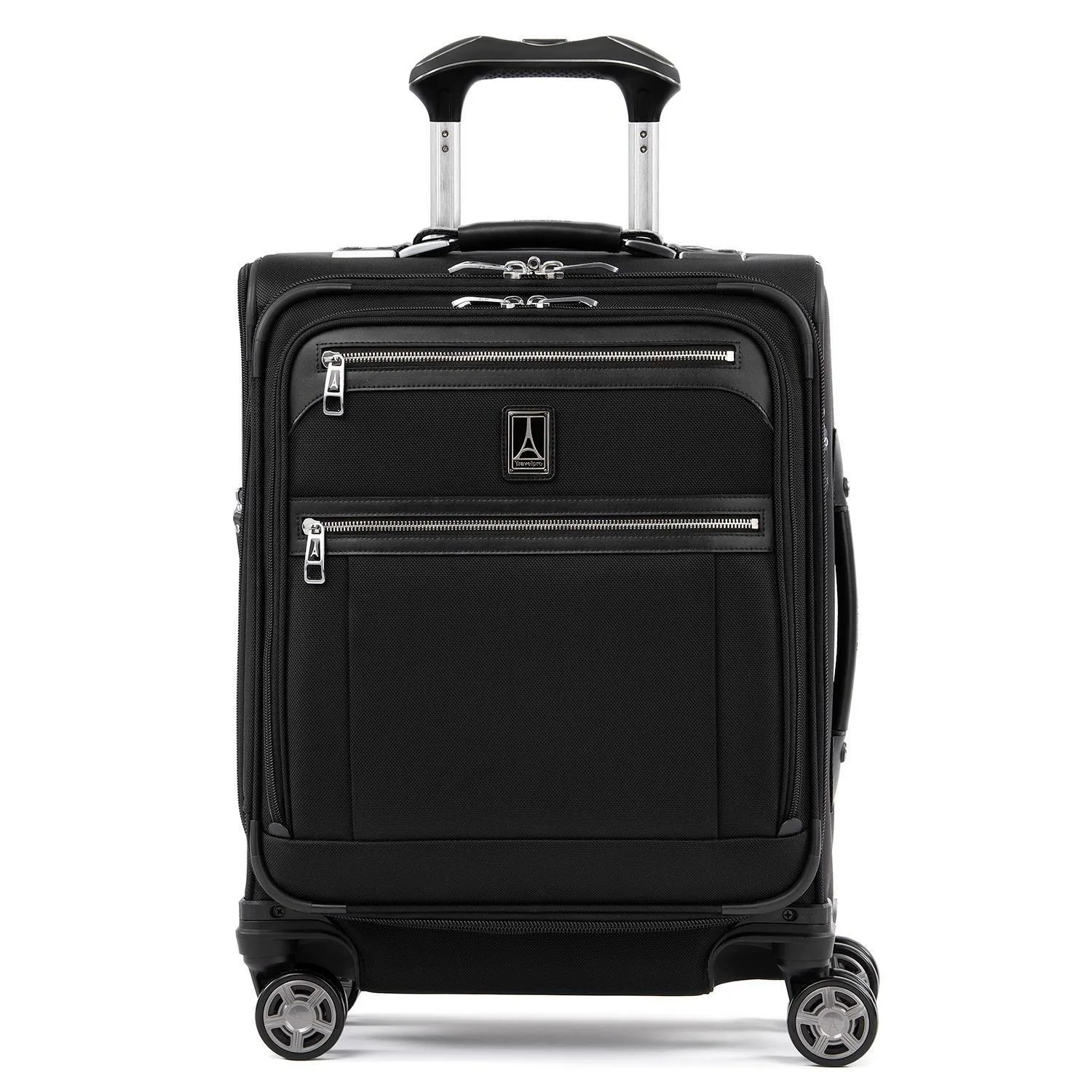
Platinum® Elite International Expandable Carry-On Spinner
- Check your specific airline's carry-on dimensions, not a general rule of thumb.
- Weigh your packed bag at home if your fare has a weight limit.
- If the bag only fits when empty, it is the wrong bag for that route.
Mistake 2: Treating expansion and packing cubes as unlimited space
Symptom: the bag closes at home but bulges, tips over, or will not fit in an overhead bin. Likely cause: expansion zippers and packing cubes feel like free capacity, so you keep adding. Corrective action: pack the main compartment first, close it, then decide whether you genuinely need the expansion. Cubes should organize what you already planned to bring, not justify extra items. If the bag is tip-prone when full, redistribute weight toward the bottom and the wheels.
Some bags are designed to make this easier. The VersaPack®+ Medium Check-In Spinner uses a tip-resistant expansion option, two removable large packing cubes, and built-in interior pockets to maximize packing space while keeping contents organized and secured. A removable laundry bag and integrated wet pocket separate used or damp items. That structure helps, but it only works if you resist filling every pocket just because it exists.
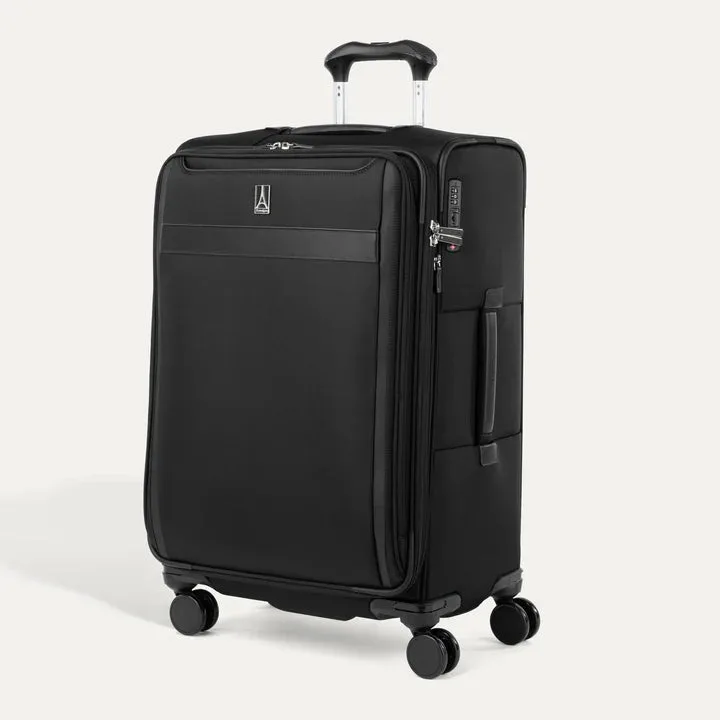
VersaPack®+ Medium Check-In Spinner
- Pack, close, then expand only if you truly need the depth.
- Remove one item for every cube you add beyond your plan.
- Keep heavy items low and near the wheel base to reduce tipping.
Mistake 3: Choosing a bag that does not match how you actually move
Symptom: shoulder pain, a bag that slides off a trolley, or fumbling for a laptop at the gate. Likely cause: you bought for the destination, not the transit. A hard-shell spinner is great on smooth airport floors but awkward on cobblestones and stairs. A soft weekender is easy to carry but offers less protection and less structure when packed full. Corrective action: list your actual transit steps, then pick the bag that handles the worst one.
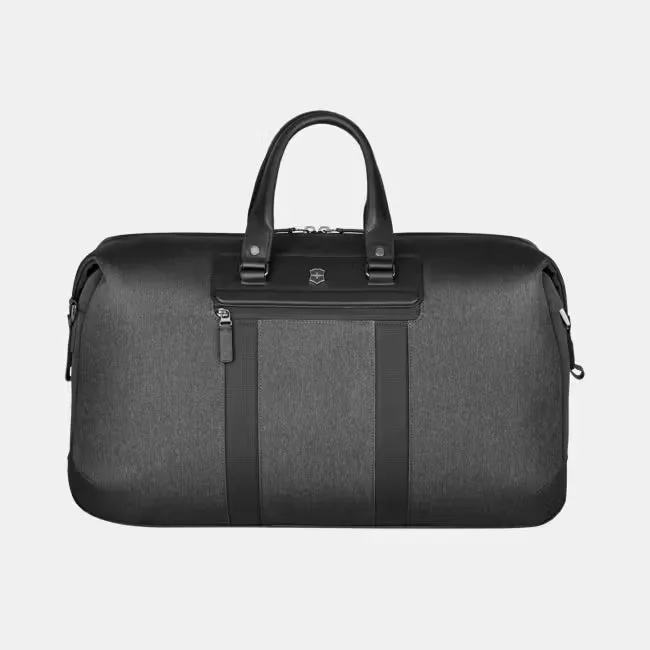
For city trips that mix trains, taxis, and walking, a weekender with a pass-through sleeve is often the smarter call. The Architecture Urban2 Weekender includes a practical pass-through sleeve that slips over your trolley handle, plus versatile carry straps and an optimized opening for maximum packing space. If your trip is mostly curb-to-car and hotel-to-airport, a spinner still wins on effort.
- Count your stairs, train platforms, and cobblestone stretches before buying.
- A pass-through sleeve matters if you pair a weekender with rolling luggage.
- Hard shells protect better; soft bags flex into tight overhead bins.
Mistake 4: Forgetting that formalwear needs its own bag
Symptom: a wrinkled suit or dress on arrival, or a garment bag that is bulky and awkward to carry. Likely cause: you folded formalwear into a suitcase and hoped for the best, or you brought a garment bag that does not convert for the rest of the trip. Corrective action: use a bag designed to keep hanging items in place, and pack it so the garment bag does double duty.
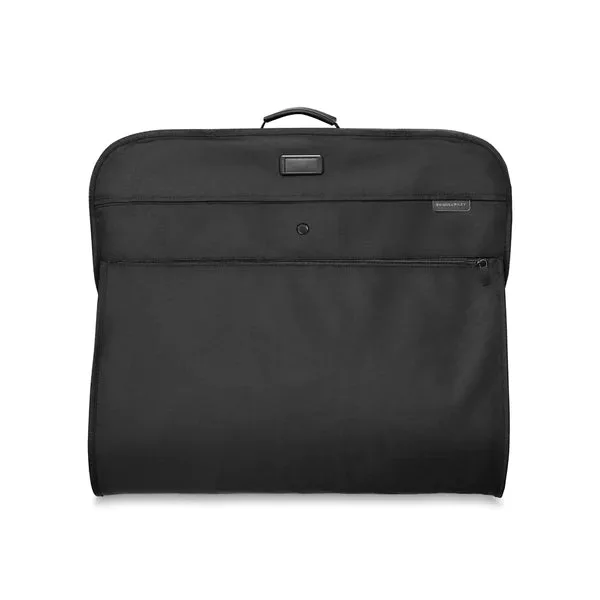
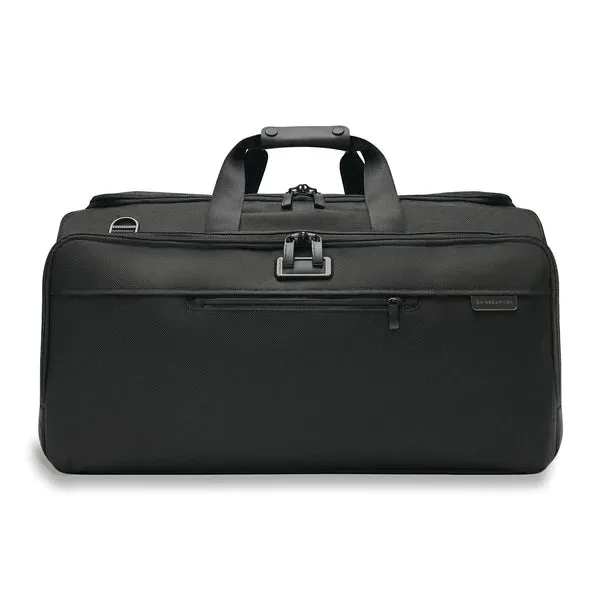
The Garment Duffle is a 2-in-1 bag that transforms from a duffle to a hanging garment bag and back again, so you can mix casual and formal wear in one when business turns to leisure. Its interior lining is soft, and the contrasting color makes finding contents easy. If you only need protection for hanging formalwear and want a slim profile, the Classic Garment Bag uses durable garment straps to secure hanging items and reduce shifting in transit, with a T-shape opening for easier access.
- Hang formalwear in the bag, then secure straps before zipping.
- Use the contrasting lining to spot small items quickly.
- If you need both casual and formal clothing, a convertible bag saves a second piece.
Mistake 5: Skipping the pre-flight check that catches everything else
Symptom: you arrive with a jammed zipper, a missing lock key, or a bag that will not stand up on its own. Likely cause: you packed in a hurry and never tested the bag as a system. Corrective action: run a two-minute check the night before. Zip every compartment, lift the bag by its handles, roll it a few feet, and confirm your lock and tags are attached. If something fails here, it will fail worse in transit.
This is also the moment to decide whether you are fixing the right problem. If a bag only works when half empty, or if you keep borrowing a different bag for every trip, stop optimizing and choose a bag built for your most common trip type. That is a better use of your money than another round of repacking.
- Zip, lift, roll, and check locks and tags before every trip.
- Test the bag packed, not empty.
- If it fails the same check twice, replace the bag instead of the packing plan.
Diagnosis: match the symptom to the fix
- Bag flagged at the gate: Cause: packed beyond your airline's carry-on limits, often because the bag was expanded. Action: measure the packed bag against your carrier's rules and pack unexpanded first. If it only fits empty, switch to a smaller carry-on for that route.
- Bag bulges or tips over when full: Cause: expansion and cubes treated as free space, with weight packed high. Action: close the main compartment first, expand only if needed, and move heavy items low near the wheels. If it still tips when packed normally, the bag is overloaded for its design.
- Shoulder or back pain during transit: Cause: bag type mismatched to your actual transit, such as a spinner on cobblestones or a heavy tote on stairs. Action: list your worst transit step and choose the bag that handles it. If no single bag handles your trip, pair a weekender with a pass-through sleeve and rolling luggage.
- Wrinkled formalwear on arrival: Cause: formalwear folded into a suitcase or carried in a bag without garment straps. Action: use a garment bag with straps and a T-shape opening, or a convertible garment duffle. If you need casual and formal clothing together, choose the convertible option instead of two bags.
- Repeated last-minute repacking: Cause: no pre-flight check and a bag that only works when half empty. Action: zip, lift, roll, and check locks and tags the night before. If the same check fails twice, stop repacking and replace the bag.
Bags that address these mistakes directly
- Platinum® Elite International Expandable Carry-On Spinner: Carry-on luggage designed to accommodate international airline requirements, with premium stain-resistant fabrics, genuine leather and chrome zippers, and an optional expansion that adds up to 2 inches more packing capacity. A good fit for international routes where size rules are strict, provided you pack it unexpanded first and only expand when your airline allows the extra depth.
- VersaPack®+ Medium Check-In Spinner: Features a tip-resistant expansion option, two removable large packing cubes, built-in interior pockets, a removable laundry bag, and an integrated wet pocket. The built-in organization reduces the temptation to overstuff, and the tip-resistant expansion helps when you need a little more room on a check-in bag.
- Architecture Urban2 Weekender: Includes a practical pass-through sleeve that slips over your trolley handle, versatile carry straps, and an optimized opening for maximum packing space. Best for mixed transit trips where you pair a weekender with rolling luggage, since the pass-through sleeve keeps the bag stable on a trolley handle.
- Garment Duffle: A 2-in-1 bag that transforms from a duffle to a hanging garment bag and back again, with a soft interior lining and contrasting color that makes finding contents easy. Solves the formalwear problem on trips that mix business and leisure, so you do not need a separate garment bag and duffle.
Luggage mistakes are rarely about one bad bag. They come from packing before checking limits, treating expansion as free space, and choosing for the destination instead of the transit. Name the symptom, fix the cause, and if the same problem returns twice, choose a different bag rather than another packing plan.