Quick Answer
Mentalism isn't about supernatural powers; it's a craft built on psychology, suggestion, and clever methods. Many myths persist because performers keep secrets, but understanding the truth helps you appreciate and even perform these effects. Let's debunk the most common misconceptions.
Mentalism fascinates audiences because it seems impossible. But behind the mystery lies a set of skills and principles that anyone can learn. Unfortunately, myths about mentalism often discourage beginners or create unrealistic expectations. This article separates fact from fiction, so you can approach mentalism with clarity and confidence.
Whether you're a curious spectator or an aspiring performer, knowing what mentalism really is—and isn't—will deepen your appreciation. We'll bust five common myths and show you how real mentalism works, using examples from popular effects you can actually learn.
Myth 1: Mentalists Have Supernatural Powers
The most persistent myth is that mentalists possess genuine psychic abilities. In reality, mentalism is an art form that uses psychology, misdirection, and carefully designed methods to create the illusion of mind reading. Performers study human behavior, body language, and cognitive biases to make their effects seem miraculous.
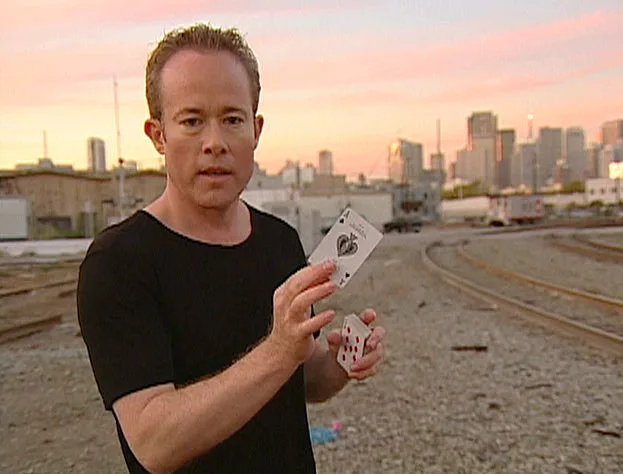
For example, the effect Clairvoyance by Peter Turner uses a genuinely shuffled deck and a clean prediction method. There are no stooges or supernatural forces—just clever construction and presentation. Understanding this doesn't diminish the wonder; it highlights the performer's skill.

Clairvoyance
- Look for effects that emphasize method and psychology, not claims of real magic.
Myth 2: Mentalism Requires Years of Hypnosis Training
Many people confuse mentalism with hypnosis, assuming you need to master hypnotic language or mind control. While some mentalists incorporate hypnotic techniques, most effects rely on straightforward principles like forces, predictions, and equivoque. You don't need to put someone in a trance to read their thoughts.
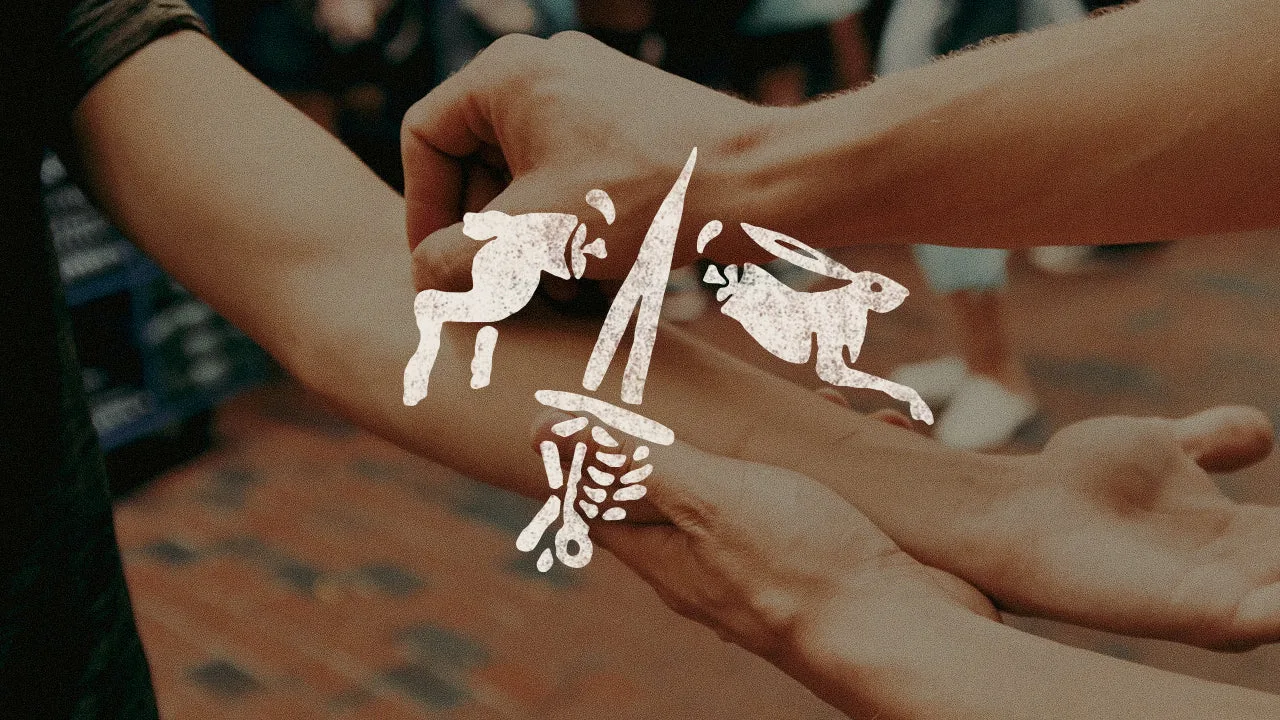
Take Psychic Surgery, a download that claims no sleights, scripts, or hypnotic language. It's described as exactly what it looks like—an 'operation' on a stranger who is wide awake. The effect comes from a clever method, not hypnotic power.
Psychic Surgery
- Choose effects that clearly state they don't require hypnosis or complex scripting if you're a beginner.
Myth 3: You Need to Be a Skilled Card Handler
Card magic often demands sleight-of-hand, but mentalism is different. Many mentalism effects involve no gimmicks, no forces, and no deck switches. The spectator handles the cards, making the effect more powerful because the magician seems to have no control.
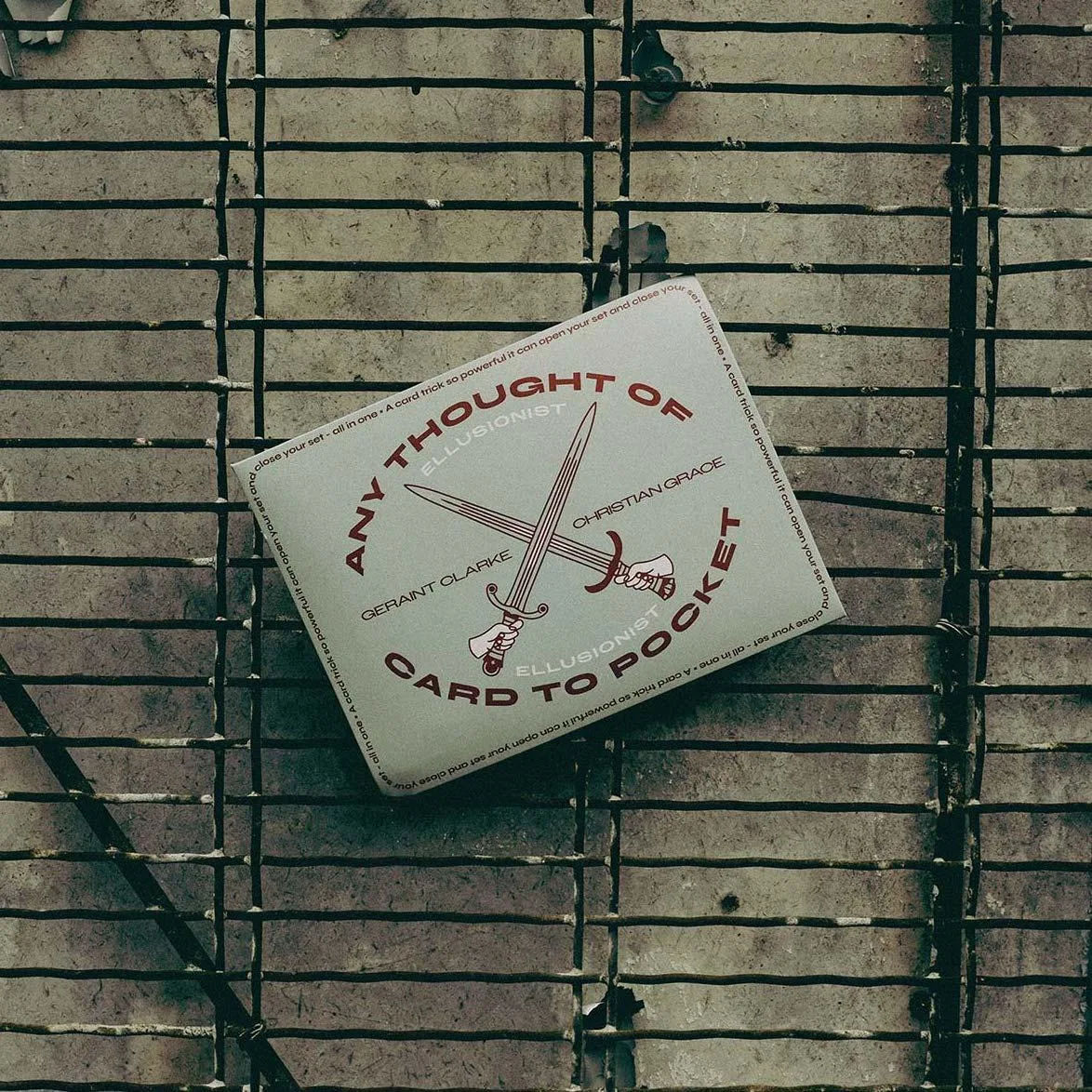
Any Thought of Card to Pocket is a prime example: the spectator takes the deck, counts ten cards, and thinks of one. The magician doesn't touch the deck, yet the thought-of card vanishes and appears in the magician's pocket. This effect requires no traditional card handling, proving that mentalism can be accessible to anyone.
- Look for effects that let the spectator do the work—they often require less technical skill.
Myth 4: Mentalism Is Only for Close-Up Settings
Some believe mentalism only works in intimate, one-on-one settings. While close-up mentalism is powerful, many effects are designed for stage or parlor performances. The key is adapting the presentation to the audience size and environment.
How to Do Street Magic is a comprehensive video that teaches performers to engage strangers in everyday environments. It's not just about close-up tricks; it's about building confidence and connecting with people on the street. Mentalism can thrive anywhere if you have the right approach.
- Consider learning from resources that emphasize real-world performance, not just studio settings.
Myth 5: Mentalism Is Just a Bunch of Guessing
A common misconception is that mentalists make educated guesses and hope for the best. In reality, every effect is structured to guarantee a specific outcome, often through psychological principles or clever methods. The spectator's freedom is an illusion, but a convincing one.
Matchmaker is a homegrown trick that uses no gimmicks, forces, or stack knowledge. It's part of a series that celebrates the wider magic community, and its method ensures a reliable outcome every time. The performer isn't guessing—they're following a proven system.
- Seek out effects that clearly state they require no forces or gimmicks—they often rely on smarter principles.
Verdicts on Mentalism Myths
- Mentalists have supernatural powers: False. Mentalism relies on psychology and method, not psychic abilities. Effects like Clairvoyance use clean methods that are entirely explainable. Appreciate the craft, not the myth.
- You need hypnosis training: False. Many effects, such as Psychic Surgery, explicitly require no hypnotic language. Mentalism is about presentation and method. Don't let hypnosis intimidate you.
- You must be a card handler: False. Effects like Any Thought of Card to Pocket let the spectator handle the cards, removing the need for sleight-of-hand. Choose effects that fit your skill set.
- Mentalism is only close-up: False. Street magic and stage mentalism are viable. Resources like How to Do Street Magic teach adaptation to various environments. Mentalism is versatile.
- Mentalism is guessing: False. Effects like Matchmaker use no forces or gimmicks, but they still guarantee an outcome through clever principles. Trust the method, not luck.
Real Mentalism You Can Learn
- Clairvoyance: Peter Turner's Clairvoyance is an ultra-clean prediction effect that people would swear is stooged... (and they'd be wrong). It uses a genuinely shuffled deck and no gimmicks. This effect proves that mentalism doesn't rely on gimmicks or stooges, making it a perfect example of clean, method-driven mentalism.
- Psychic Surgery: Psychic Surgery puts invisible objects into someone's arm and they really feel it. No sleights, no scripts, no complex moves, no hypnotic language, no deception. It demonstrates that powerful mentalism can be performed without hypnosis or complex techniques, making it accessible to performers of all skill levels.
- Any Thought of Card to Pocket: With Any Thought of Card to Pocket, the spectator takes the deck, counts 10 cards, thinks of any one, and you make it vanish from their hands. The magician doesn't touch the deck. This effect shows that card magic doesn't require sleight-of-hand, as the spectator does all the work, making it ideal for those who want to avoid technical moves.
Mentalism is a fascinating art that often gets misunderstood. By debunking these myths, you can approach it with a clearer mindset—whether you're a spectator or a performer. Explore effects like Clairvoyance, Psychic Surgery, and Any Thought of Card to Pocket to see how real mentalism works. The truth is more impressive than the myth.