Quick Answer
Needlepoint is more approachable than most beginners expect. Many needlepoint myths, such as the idea that you need dozens of supplies or years of practice before starting, don't hold up. You can begin with a single canvas, a needle, and thread, and learn as you stitch. The real barrier isn't difficulty; it's choosing the right first project and understanding what your canvas includes.
If you've been curious about needlepoint but keep hearing that it's too complicated, too expensive, or too old-fashioned, you're not alone. Plenty of needlepoint misconceptions get passed around like facts, and they stop people from ever threading a needle.
This guide tackles the most common needlepoint myths one by one. Each gets a clear verdict and an explanation grounded in how needlepoint supplies and projects actually work. No vague encouragement, just straight answers to the questions beginners ask most.
Myth: Needlepoint Is Too Hard for Beginners
This is one of the most persistent needlepoint beginner myths. The truth is that needlepoint uses a single basic stitch, the tent stitch, for most beginner projects. You don't need to memorize dozens of stitches before you start. Many painted canvases come with a stitch pamphlet that guides you through the design section by section, so you're never guessing where to place your needle next.
What actually makes needlepoint feel hard is starting with a canvas that's too complex or too large. A small design on 18 mesh, like a mini project, lets you finish something in a reasonable time and build confidence. Once you've completed one piece, the next one feels far less intimidating.
- Start with a small canvas and a single stitch type before branching out.
- Use the stitch pamphlet included with many painted canvases as your roadmap.
Myth: You Need a Huge Supply Stash to Start
Another common needlepoint misconception is that you need a dedicated craft room full of fibers, frames, and tools before you can stitch. In reality, a canvas, a tapestry needle, and the right threads are enough to begin. Many canvases are sold as canvas only, which means you choose your own threads, or as thread kits that bundle everything you need for that specific design.
For example, the Bon Bons Nail Polish canvas is available as canvas only, which includes the hand-painted canvas, a stitch pamphlet, a WIP project card, and a reusable PVC protective baggy. The thread kit version adds the silk and wool fibers, a thread ring, a tapestry needle, and a stitch brochure. That means you can decide how much you want bundled versus sourced yourself.
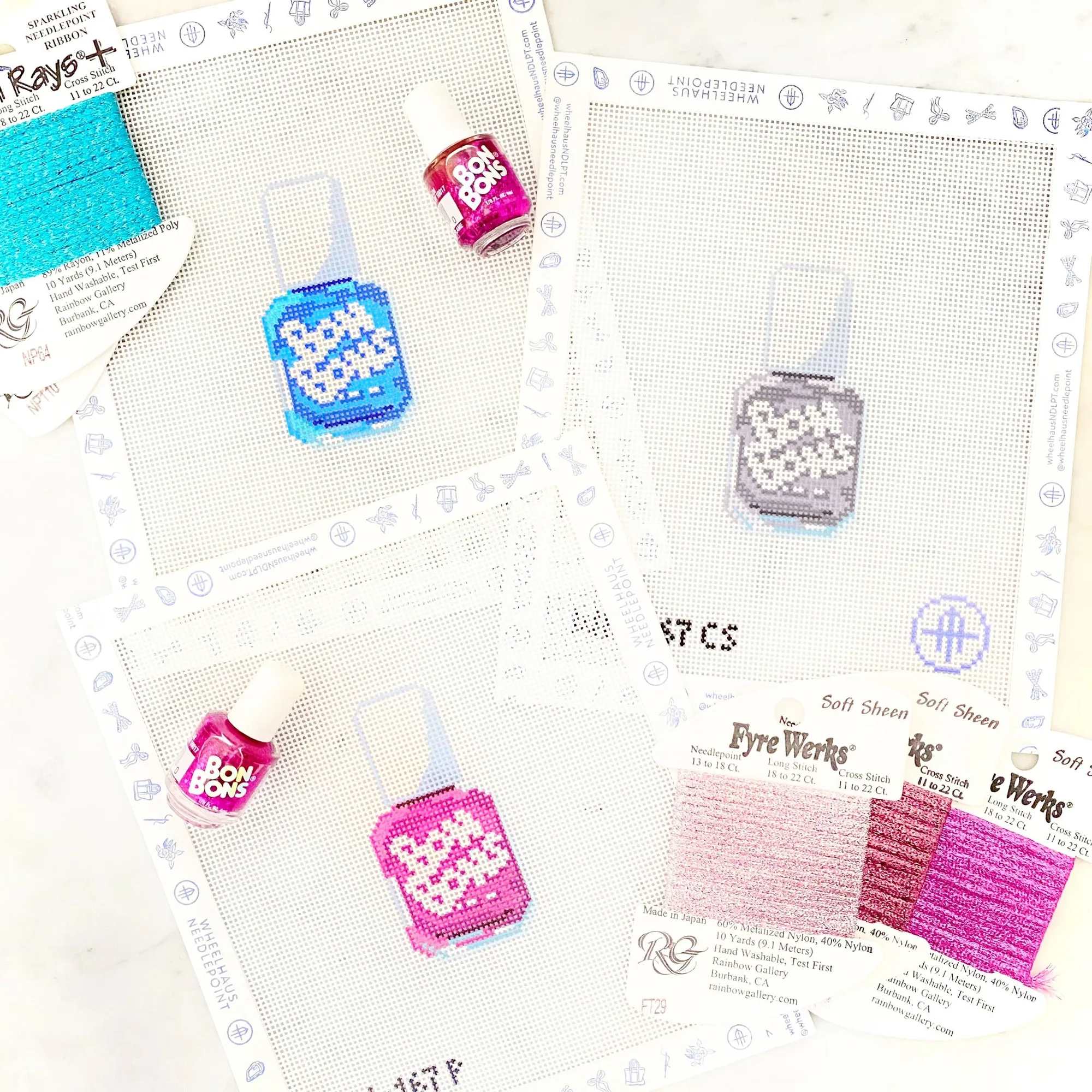
Bon Bons Nail Polish
- Canvas-only options let you use threads you already own.
- Thread kits remove the guesswork of color matching for a specific design.
Myth: Needlepoint Is Only for a Certain Type of Person
Needlepoint has a reputation as a quiet, traditional hobby, but the range of designs available today tells a different story. Canvases now cover everything from nostalgic 90s-inspired motifs to coastal food themes and small accessories. The Bon Bons Nail Polish design, for instance, is described as a perfect gift for 90s babies, which shows how varied and personal needlepoint projects can be.
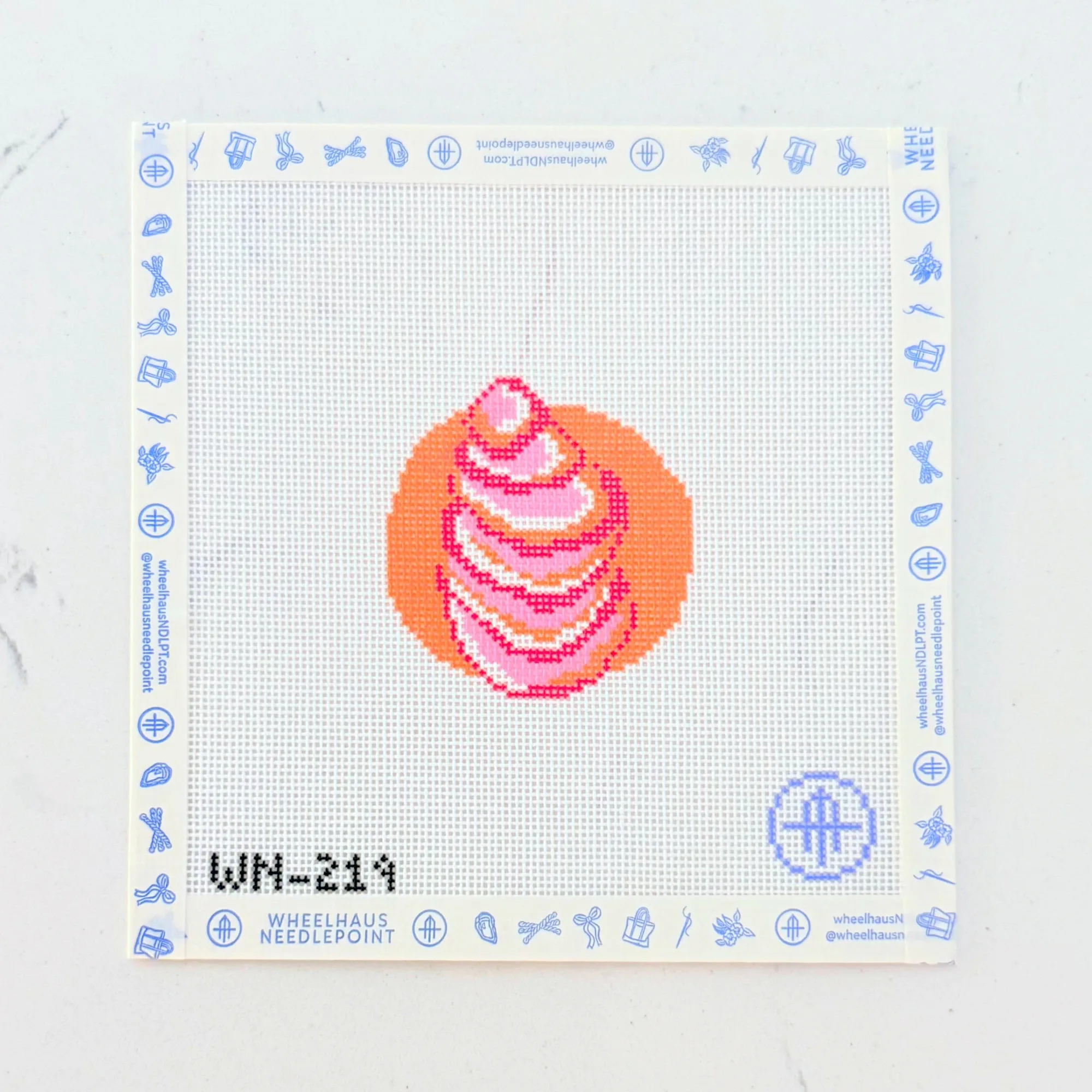
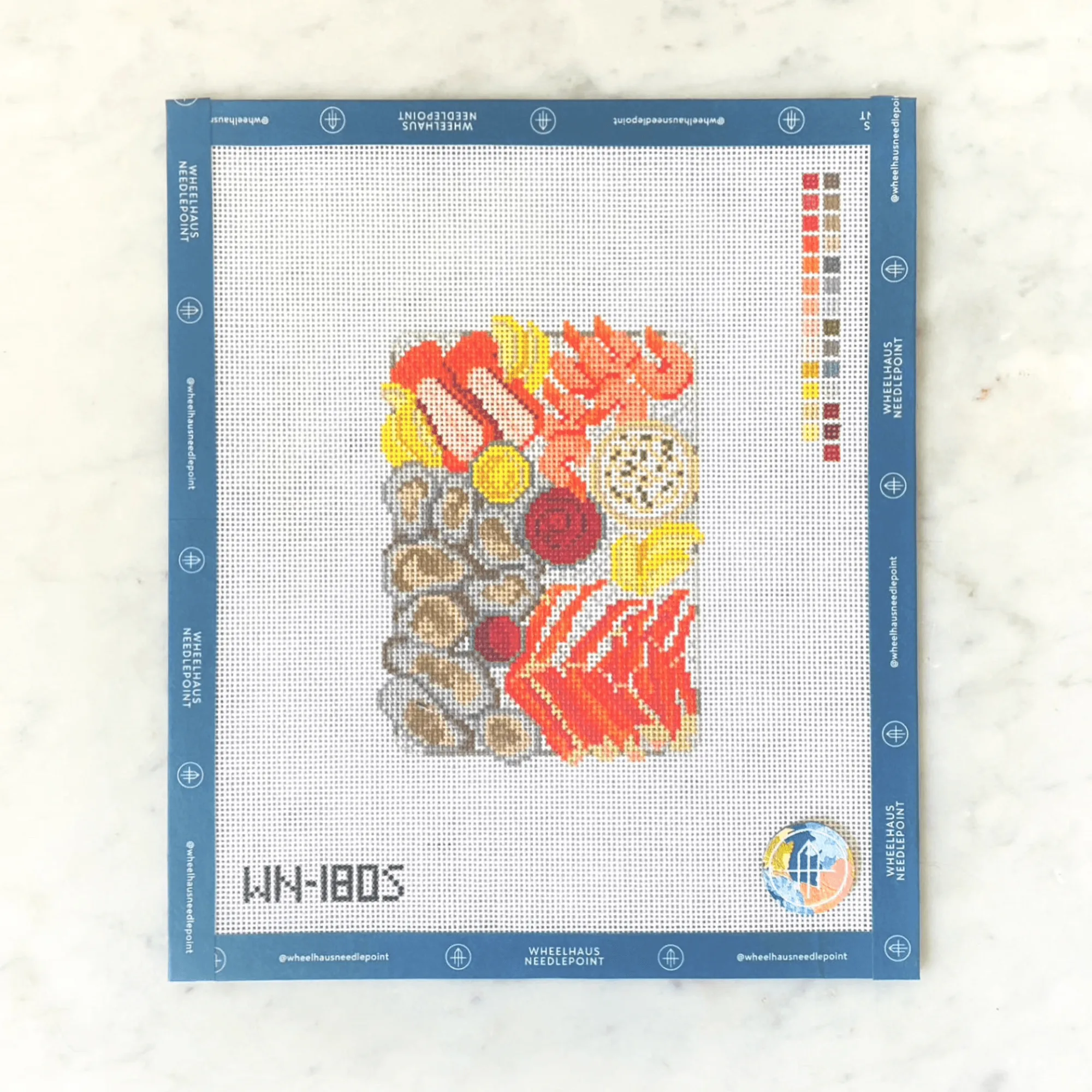
The hobby also scales to your available time. A small 2.5x2.5 inch design like the Euro Summer Mini - Sunset Oyster is a quick, satisfying project, while a larger piece like the Seacuterie Platter at 3.5 by 4.75 inches gives you more stitching sessions. The point is that needlepoint fits different interests and schedules, not just one stereotype.
- Choose a design that matches your personal style, not a preconceived idea of the hobby.
- Small minis are great for testing whether you enjoy the craft before committing to a large canvas.
Myth: Needlepoint Projects Take Forever to Finish
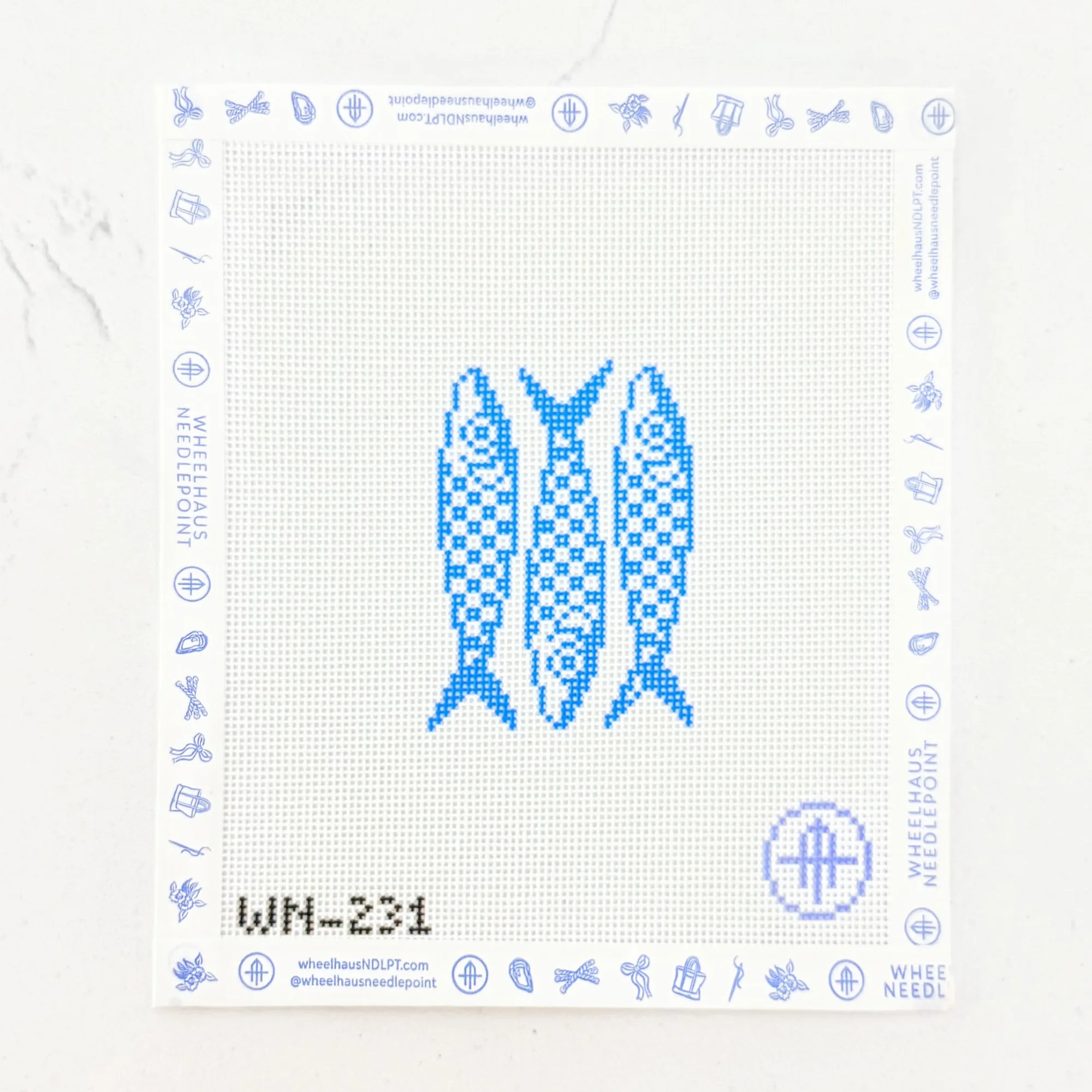
How long a project takes depends almost entirely on size and mesh count, not on some inherent slowness of the craft. A 13 mesh canvas like the Sailor's Rope Wristlet Key Fob, which measures 7 by 1.5 inches, has larger holes and covers ground faster than a denser 18 mesh canvas. Smaller 18 mesh designs, such as the Euro Summer Mini - Checkered Sardines at 2.5 by 3 inches, are also manageable in a few sittings.
The key is matching the project to the time you actually have. If you want a quick win, pick a mini or a small accessory. If you want a longer-term project, a larger 18 mesh canvas gives you more hours of stitching. Neither is better; they just suit different moments.
- 13 mesh canvases stitch up faster because the holes are larger.
- 18 mesh offers finer detail but takes more time per square inch.
Myth: You Must Finish a Canvas Before Buying Another
Many stitchers feel guilty about starting a new project before finishing the last one, but having more than one work in progress is common and practical. Different projects suit different situations. A small mini might be your travel or waiting-room project, while a larger canvas stays at home. The WIP project card and reusable PVC protective baggy included with many canvases are designed to help you keep multiple projects organized.
The real risk isn't starting too many projects; it's losing track of which threads and tools belong to which canvas. A simple routine of keeping each project in its own bag with its card solves that. Once your projects are organized, rotating between them is a pleasure, not a problem.
- Store each WIP in its own labeled bag to avoid mixing threads.
- Keep a small project bag ready for travel and a larger setup at home.
Myth Verdicts at a Glance
- Needlepoint is too hard for beginners: Most beginner projects use one basic stitch and come with a stitch pamphlet that guides you. Starting with a small canvas makes it very manageable. Verdict: Myth. Start small and use the included guide.
- You need a huge supply stash: A canvas, needle, and threads are enough. Canvas-only options let you use what you have, while thread kits bundle everything for that design. Verdict: Myth. Buy only what your project needs.
- Needlepoint is only for a certain type of person: Designs range from 90s nostalgia to coastal themes and small accessories, so there's a project for many interests. Verdict: Myth. Choose a design that speaks to you.
- Projects take forever to finish: Time depends on size and mesh. A 13 mesh wristlet or a 2.5-inch mini can be completed in a few sittings, while larger 18 mesh canvases take longer. Verdict: Partly true. Match project size to your available time.
- You must finish one canvas before buying another: Multiple WIPs are common. Use the included WIP card and protective baggy to keep each project organized. Verdict: Myth. Organize your WIPs and rotate freely.
Catalog Facts That Clear Up Common Questions
- Bon Bons Nail Polish: 18 mesh, design 1.25W x 3H. Canvas only includes the hand-painted, stitch-painted canvas, one of seven stitch pamphlets, a WIP project card, and a reusable PVC protective project baggy. Thread kit adds silk and wool fibers, a thread ring, a tapestry needle, and a stitch brochure. Shows exactly what you get with canvas-only versus thread kit, so you can decide whether to buy threads separately or have them curated for you.
- Euro Summer Mini - Sunset Oyster: 18 mesh, design 2.5 x 2.5 inches, StitchPerfect painted canvas. Includes a stitch pamphlet, WIP project card, and reusable PVC protective baggy. Threads are not included unless the kit is purchased. A small, quick project that demonstrates how minis can be finished in a few sittings and are ideal for beginners.
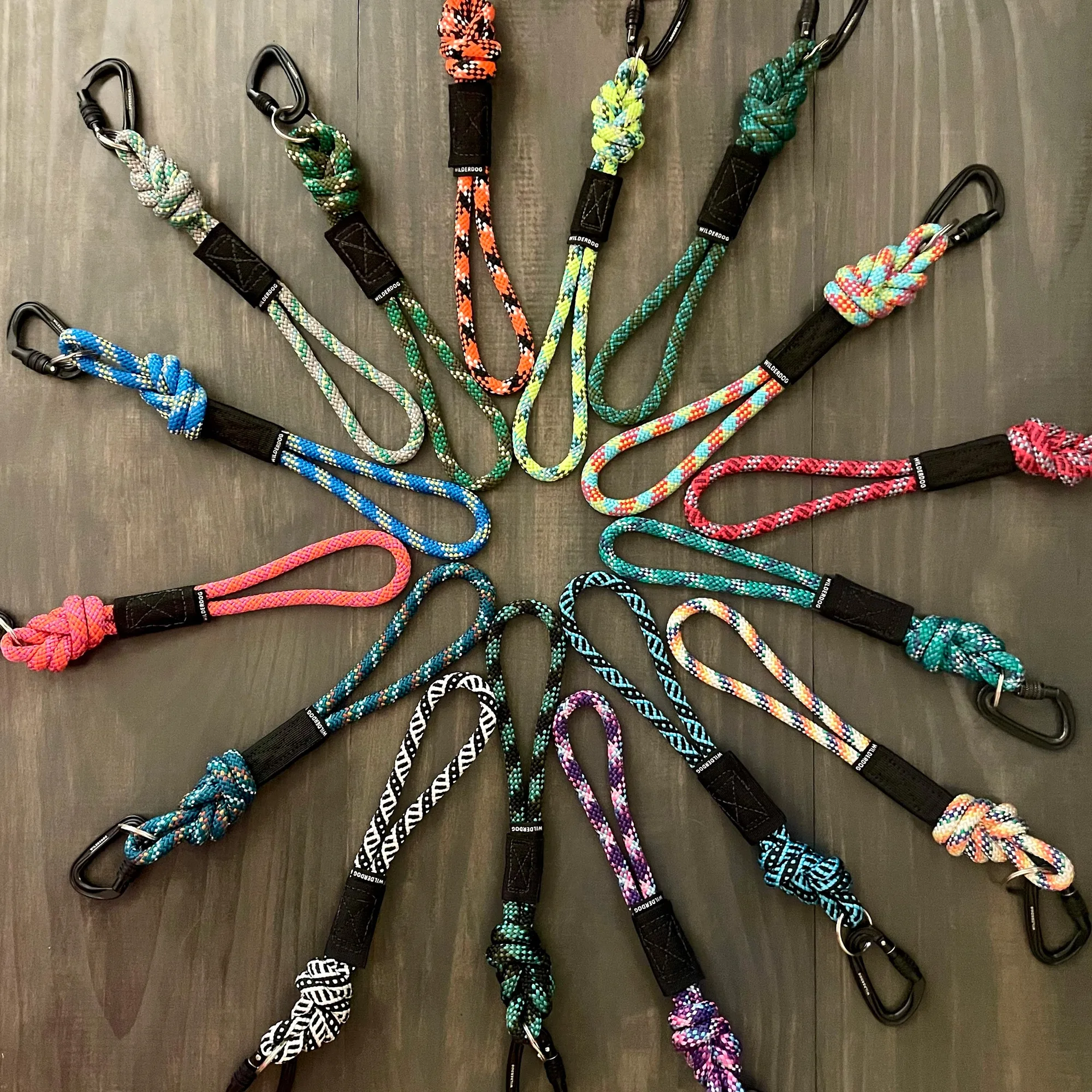
- Sailor's Rope Wristlet Key Fob: 13 mesh, design 7 x 1.5 inches. Canvas only includes the hand-painted, stitch-painted canvas, a stitch pamphlet, WIP project card, and reusable PVC protective baggy. Thread kit adds fibers, thread ring, tapestry needle, and stitch brochure. The larger 13 mesh holes stitch faster, making this a good choice if you want a functional accessory without a long commitment.
Needlepoint myths often make the hobby sound harder or more restrictive than it is. The truth is simpler: pick a project that matches your time and interests, check what your canvas includes, and start stitching. The rest you'll learn as you go.