Quick Answer
Most ski boot problems stem from poor fit, improper buckling, or inadequate insulation. Start by assessing your boot's fit and buckle tension, then address specific issues like pressure points or heel lift with targeted adjustments. If pain persists, consider professional boot fitting or a different model.
Ski boot discomfort can turn a perfect powder day into a miserable experience. Whether you're dealing with painful pressure points, cold toes, or annoying heel lift, these issues are common but often fixable. In this guide, we'll walk through typical ski boot problems and provide practical solutions to get you back on the slopes comfortably.
From adjusting buckles to using the right socks, many fixes are simple and can be done at home. For more complex issues, we'll explain when it's time to see a professional boot fitter or consider a new pair of boots.
Ski Boot Pain and Pressure Points
Pain and pressure points are often caused by boots that are too tight or have an ill-fitting shell. The first step is to identify the exact location of the discomfort. If it's on the sides of your feet, the shell might be too narrow. If it's on the top of your foot, the instep could be too high. Sometimes, simply adjusting the buckle tension can relieve pressure.
For persistent pressure points, consider heat-molding the liner if your boots have that capability. Many modern boots offer customizable liners that conform to your foot shape. If the shell itself is the issue, a boot fitter can punch or grind the shell to create more room. Remember, a properly fitting boot should feel snug but not painful.
- Check for hot spots after skiing; they indicate where pressure occurs.
- Try thinner socks to reduce bulk and improve fit.
- Consider custom footbeds to improve alignment and reduce pressure.
Cold Feet in Ski Boots
Cold feet are a common complaint, but the solution often lies in improving circulation and insulation. First, ensure your socks are not too thick, as this can restrict blood flow. Opt for a thin, moisture-wicking sock made from merino wool or synthetic materials. Avoid cotton, which retains moisture and cools your feet.
solution
If your boots are too tight, they can cut off circulation, making your feet colder. Loosen the buckles slightly to allow better blood flow. Additionally, consider using toe warmers or investing in boots with better insulation. Keeping your core warm also helps maintain warmth in your extremities.
- Wear a thin, breathable sock to avoid compression.
- Keep your upper body warm to support overall circulation.
- Consider heated insoles for extreme conditions.
Heel Lift in Ski Boots
Heel lift occurs when your heel moves up and down inside the boot, reducing control and causing blisters. This often happens when the boot is too big or the heel pocket is too wide. To fix it, first ensure your buckles are tightened properly, especially the one over the instep. If that doesn't help, you might need a heel lift pad or a custom footbed to fill the space.
In some cases, a boot fitter can add material to the heel area to create a snugger fit. If the boot is significantly too large, you may need to consider a smaller size or a different model with a more secure heel hold. Remember, a small amount of heel movement is normal, but excessive lift is a problem.
- Tighten the instep buckle to secure your heel.
- Use heel lift pads as a temporary fix.
- Consult a boot fitter for a custom heel hold.
Ski Boot Buckle Issues
Buckles that are hard to close, come undone, or break are frustrating and can compromise safety. Often, buckles become stiff due to ice or debris. Regularly clean and lubricate the buckles to keep them functioning smoothly. If a buckle is bent or damaged, it may need replacement, which is usually a simple fix at a ski shop.
Another common issue is buckles that are too tight or too loose. Adjust the tension using the micro-adjustment feature if your boots have it. If not, you might need to move the buckle position. Always ensure buckles are securely fastened before skiing, but not so tight that they cause discomfort.
- Clear snow and ice from buckles before fastening.
- Apply a silicone lubricant to moving parts.
- Replace damaged buckles promptly to avoid further issues.
Diagnosis Guide: When to Fix, When to Replace
- Symptom: Pain or pressure points: Identify the exact spot. Adjust buckles or try thinner socks. If pain persists, consider heat-molding or a boot fitter. If simple adjustments don't relieve pain, consult a professional.
- Symptom: Cold feet: Check sock thickness and boot tightness. Improve circulation and insulation. Use toe warmers if needed. If feet remain cold despite proper socks and fit, consider heated insoles or a different boot.
- Symptom: Heel lift: Tighten buckles, use heel pads, or get custom footbeds. If lift is severe, the boot may be too big. If heel lift persists, try a smaller size or a different model.
Boots That Help Prevent Problems
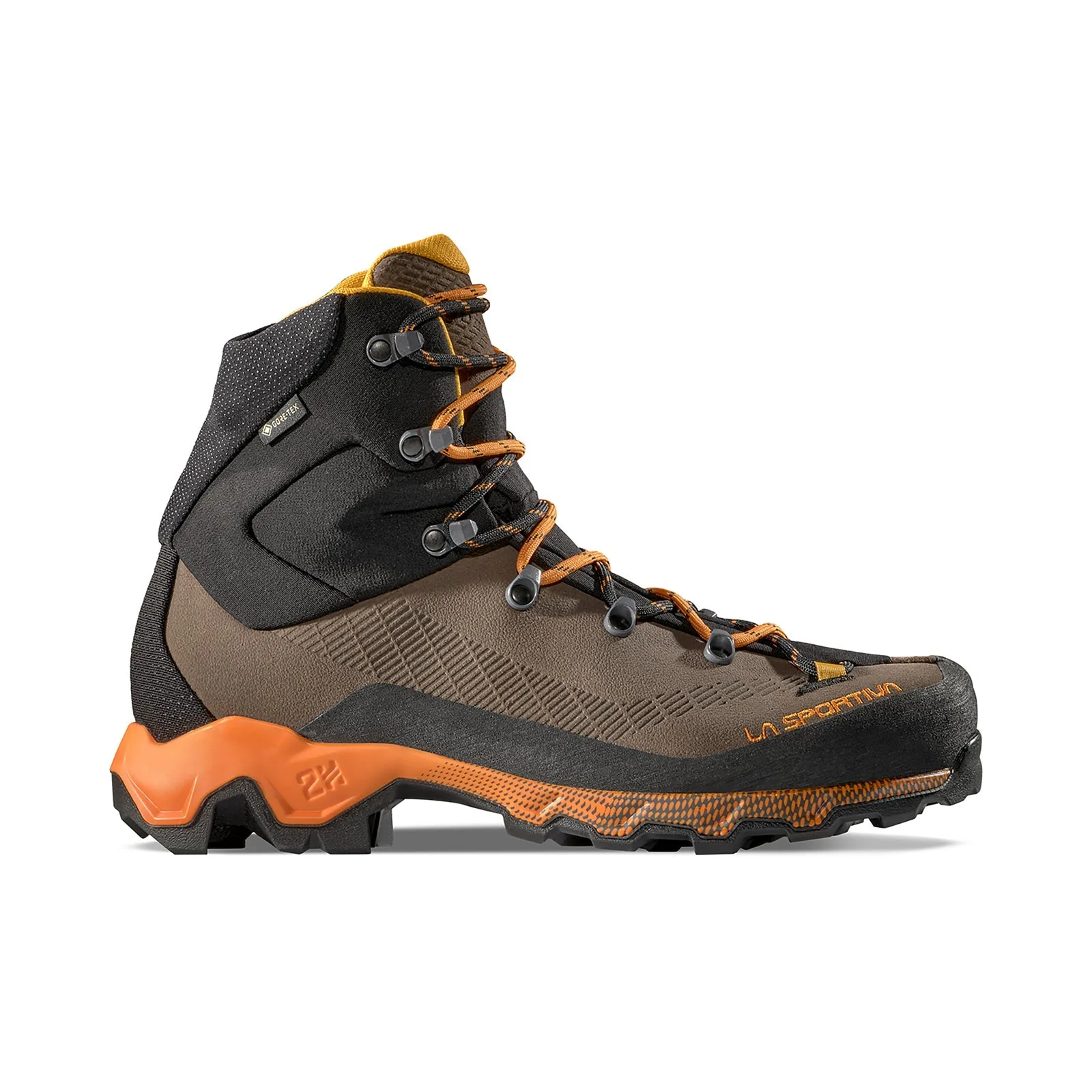
- Aequilibrium Trek GTX: La Sportiva’s traditional mountaineering roots have blended with the innovation of the Aequilibrium Series to develop the Aequilibrium Trek GTX boot, which is perfect for long treks and backpacking expeditions. A true balance between technical performance and comfort: the sole and midsole construction create a smooth rolling stride and essential support, while the Double HeelTM sole lug pattern creates maximum uphill... While designed for hiking, the Aequilibrium Trek GTX's supportive construction can help skiers who also hike to maintain foot stability and reduce pressure points during approach hikes.
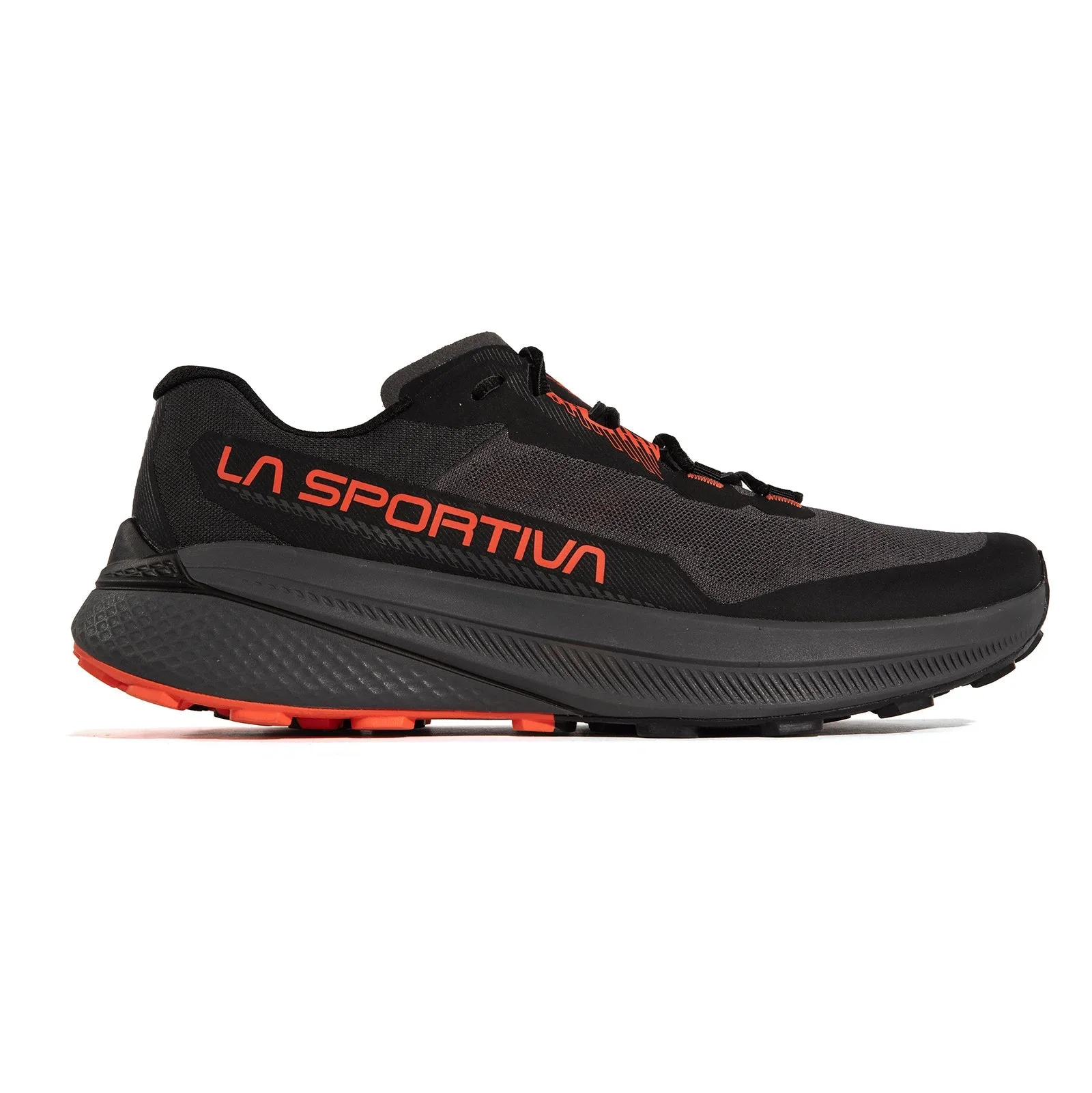
- prodigio-hike-gtx-76de764b98f70823f5887191-891099">Prodigio Hike GTX Women's: Embark on the ultimate mountain adventures with the Prodigio Hike GTX Women's. Designed for hikers to move efficiently across mountain terrain with dependable durability, it’s your ticket to conquering any trail. Rain or shine, Gore-Tex® technology keeps you dry, while innovative design features ensure unmatched support and stability. Conquer every peak and descent with confidence. For women who experience cold feet, the Gore-Tex® waterproofing and durable design of the Prodigio Hike GTX Women's offer protection and comfort in wet conditions, reducing the risk of moisture-related coldness.
Ski boot problems are often solvable with a bit of troubleshooting. Start with the simplest fixes like adjusting buckles and changing socks, and move on to more involved solutions if needed. If issues persist, don't hesitate to seek professional help—your comfort and safety on the slopes depend on it.