Quick answer
Most sleeping bag problems come from three fixable habits: compressing the bag before bed, wearing too many layers inside it, and leaving it damp or dirty between trips. Fix those and you solve most cold, clammy, or uncomfortable nights. If you have addressed all three and still sleep cold, the bag's temperature rating or shape is likely the real limit, and it is time to change the bag rather than the routine.
You crawl in warm, wake up cold at 3 a.m., and blame the bag. Usually the bag is not the problem. A few small habits before and after you get in decide whether you sleep warm or spend the night fighting the cold.
This guide walks through the most common sleeping bag mistakes, what each one looks like in practice, and how to correct it. Where a fix cannot solve the problem, we say so plainly, because sometimes the right answer is a different bag.
Mistake 1: Storing your bag compressed
The symptom is a bag that feels thinner and colder each season. The likely cause is long-term compression storage. Loft is what traps warm air, and leaving a bag crammed in its stuff sack for months flattens the insulation. The fix is simple: store it loose in a breathable cotton or mesh sack, laid flat under a bed or hung in a closet. Only compress it for the trip itself.
If your bag has been compressed for years and no longer lofts even after a day out of the sack, the insulation may be permanently damaged. In that case, no storage trick will bring it back, and replacing the bag is the practical option.
- Store loose, compress only for transport.
- Give a damp or dirty bag a full air-dry before storing.
Mistake 2: Wearing too many layers inside the bag
The symptom is a bag that feels cold despite heavy clothing. The likely cause is over-layering. Insulation works by trapping a thin layer of warmed air next to your body. Bulky layers can prevent that air from circulating and warming up, and they can also make you sweat. Sweat is the real enemy: damp insulation loses much of its warmth.
The fix is to wear one thin, dry base layer and let the bag do its job. If you are still cold, add insulation under you, not on you. A sleeping pad with a higher R-value stops heat from draining into the ground, which is where most cold comes from.
- One dry base layer is usually enough.
- Upgrade your pad before adding more clothing.
Mistake 3: Skipping the ground insulation
The symptom is a cold back and hips even when your bag feels warm on top. The likely cause is insufficient insulation between you and the ground. A sleeping bag's bottom insulation compresses under your weight, so the pad underneath does most of the work. A thin foam mat or an unrolled air mattress with a low R-value will let cold seep up all night.
The fix is to match your pad to the conditions. For three-season camping, look for a pad rated for the temperatures you expect. If you already own a summer pad, add a closed-cell foam layer underneath it for cold trips. That combination is often cheaper than replacing the pad.
- Cold from below is a pad problem, not a bag problem.
- Layer a foam pad under an air pad for winter trips.
Mistake 4: Letting moisture build up
The symptom is a bag that feels clammy and loses warmth after a few nights. The likely cause is trapped moisture from sweat and breathing. Every sleeper releases water vapor overnight, and in a closed bag it condenses in the insulation. Over consecutive nights, that moisture accumulates and performance drops.
The fix is to air the bag out every morning. Open it fully, turn it inside out if the weather allows, and let it dry before you pack. On longer trips, a dry bag liner or a quick wipe of the interior with a dry cloth helps. If the bag gets soaked, dry it thoroughly before storing, or you risk mildew and permanent loft loss.
- Air your bag every morning, even for 20 minutes.
- Never store a damp bag.
Mistake 5: Ignoring the bag's shape and fit
The symptom is a bag that feels drafty around the shoulders or too tight in the hips. The likely cause is a shape mismatch. Mummy bags are efficient but confining; rectangular bags are roomy but leave more air to heat. A bag that is too long or too wide has more dead space, and your body has to warm all of it.
The fix is to choose a bag sized to your body and sleeping style. If you roll around a lot, a roomier bag may suit you better, but accept that it will feel cooler for the same rating. If you sleep still, a closer-fitting mummy bag will be warmer. Fit is a tradeoff, not a defect.
- Match bag shape to how much you move at night.
- A bag that is too big is colder than one that fits.
Diagnose your sleeping bag problem
- Cold from below: Your back and hips feel cold while your top half is warm. The cause is almost always an under-insulated sleeping pad, not the bag. Add a closed-cell foam pad under your existing pad or upgrade to a higher R-value pad. If a warmer pad does not fix it, the bag's rating is the limit.
- Clammy and cold after a few nights: Moisture has built up in the insulation from sweat and breathing. Air the bag out every morning and dry it fully before storing. If the tent itself traps condensation, improve ventilation or use a breathable inner tent. Persistent dampness means a drying routine problem, not a bag defect.
- Cold despite heavy clothing: Too many layers stop the bag from trapping warmed air and make you sweat. Strip down to one dry base layer and let the bag work. If you are still cold, the bag is likely rated for warmer conditions than you are camping in. If one layer and a good pad still leave you cold, choose a warmer bag.
Products that solve common sleep problems
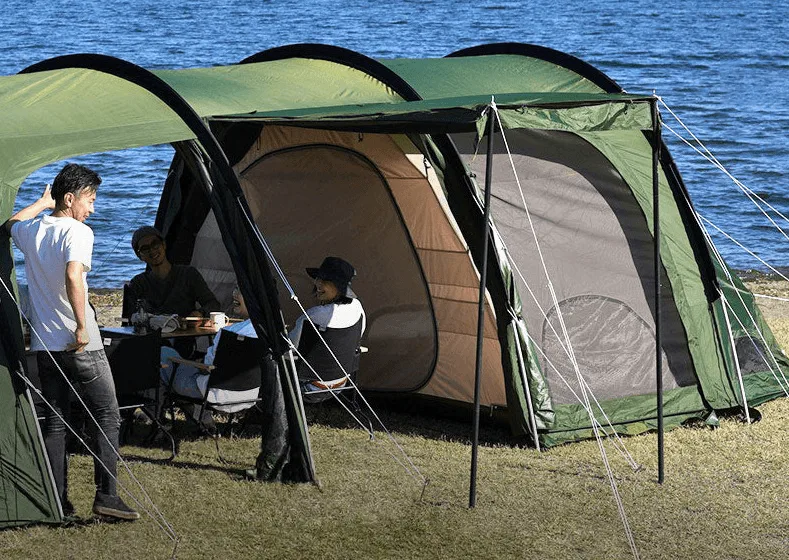
- Sleeping Chamber for Kamaboko Super Tent: Add an extra Sleeping Chamber to your Kamaboko Super Tent to double the sleeping capacity. Each chamber has two entries with zip-open solid doors and zip-open mesh doors, two windows with zip-open solid covers and permanent mesh covers, and a zippered e-port to pass wiring or external heater ducting into the tent. The e-port lets you run a heater duct or power cord without leaving a door open, which reduces drafts and condensation inside your sleeping area.
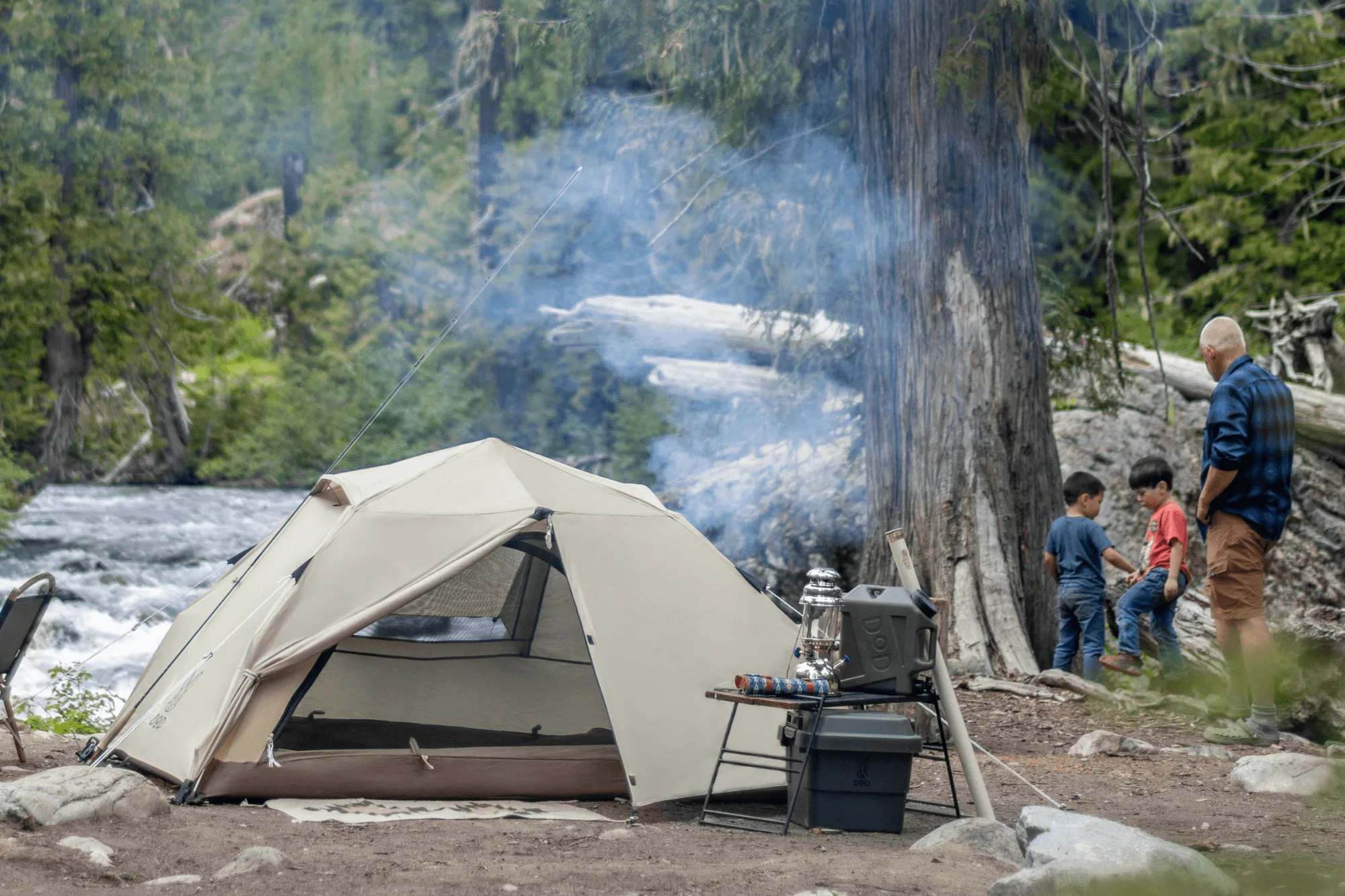
- Wagaya 1Pull Tent: The Wagaya 1Pull Tent has a polycotton inner tent that maintains a comfortable atmosphere, warding off humidity and condensation. It retains heat in cold conditions and, with mesh panels, allows a cool breeze in warm weather. It offers 35 sq ft of inner space plus a 15 sq ft enclosed awning. If your sleeping bag keeps getting damp from tent condensation, a breathable polycotton inner tent addresses the source of the moisture rather than just the bag.
Most sleeping bag problems are routine problems: storage, layering, ground insulation, moisture, and fit. Fix those first. If you have corrected all five and still sleep cold, the bag itself is the limiting factor, and it is time to look for a warmer or better-fitting one.