Quick Answer
Most cold sleeping bags are caused by compressed insulation, moisture, or a drafty fit. Fluff the bag, air it out, and check for gaps at the collar and zipper. If you're still cold, you may need a warmer-rated bag or a sleeping pad with higher R-value.
There’s nothing worse than crawling into your sleeping bag after a long day of hiking, only to wake up shivering at 2 a.m. You checked the temperature rating, you zipped up tight—so why does your sleeping bag feel cold?
The truth is, a sleeping bag’s warmth depends on more than its temperature rating. Insulation compression, moisture, and even how you sleep inside the bag can all create cold spots. In this guide, we’ll walk through the most common causes and give you practical fixes—plus when it’s time to upgrade your gear.
Common Cause #1: Compressed Insulation
Insulation works by trapping air in tiny pockets. When those pockets are squashed flat, they can’t hold warmth. This happens when you stuff your sleeping bag into a compression sack too tightly or leave it compressed for weeks between trips. Over time, the insulation loses its loft—the fluffy thickness that keeps you warm.
The fix is simple: take your sleeping bag out of its stuff sack and let it fully expand for 24–48 hours before your trip. If you’re at camp, give it a few good shakes to redistribute the fill. For long-term storage, hang it in a large cotton storage sack or lay it flat, never compressed.
- Fluff your bag before bed to restore loft.
- Store uncompressed to maintain insulation performance.
Common Cause #2: Moisture and Humidity
Even a small amount of moisture can steal warmth from your sleeping bag. Your body loses about a pint of moisture per night through sweat and breath. If that dampness gets trapped in the insulation, it replaces the air pockets with water—and water conducts heat away from your body 25 times faster than air.
To prevent this, air out your sleeping bag every morning. Turn it inside out and let it dry in the sun or a breezy spot. If you’re in a humid environment, consider using a sleeping bag liner—it wicks moisture away from the insulation and is easier to wash. Also, avoid storing your bag damp; always dry it completely before packing.
- Dry your bag thoroughly after every trip.
- Use a liner to keep insulation dry and clean.
Common Cause #3: Drafts and Cold Spots
Cold spots often come from drafts. Gaps around the hood, shoulders, or zipper let warm air escape and cold air sneak in. If you’re a restless sleeper, you might also create gaps by moving around. Some bags have draft tubes along the zipper and a snug-fitting hood with a drawcord—use them!
If your bag has a zipper, make sure it’s fully closed and the draft tube is tucked inside. For hoods, tighten the drawcord around your shoulders so only your face is exposed. If you still feel cold at the shoulders or feet, you might need a bag with a more tailored fit or an oversized design that lets you move without creating gaps.
- Tighten the hood and use the draft tube.
- Choose a bag with a roomier cut if you toss and turn.
Common Cause #4: Cold Ground and Poor Insulation Underneath
Your sleeping bag only insulates the top and sides—the bottom is compressed by your body weight and provides almost no warmth. If you’re sleeping on a cold ground, you’ll lose heat fast. That’s why a sleeping pad with proper insulation is essential.
Check your pad’s R-value. For three-season camping, look for an R-value of 2–3; for cold-weather trips, 4 or higher. A pad that’s too thin or has low R-value will let the cold seep through. Also, make sure your pad is the right size—your body should be fully covered, from head to hips.
- Use a sleeping pad with adequate R-value for the season.
- Consider adding a foam pad under an air pad for extra insulation.
Common Cause #5: Wrong Temperature Rating for Your Sleep Style
Temperature ratings are based on an average sleeper, but everyone is different. If you sleep cold, a bag rated for 40°F might feel too chilly when the temperature drops to 40°F. Also, the rating is a survival rating, not a comfort rating—it means you won’t get hypothermia, but you might not be comfortable.
If you consistently feel cold even after fixing insulation and drafts, you might need a bag with a lower temperature rating or one with extra features like a built-in blanket or a foot vent for temperature control. Consider your sleep style: side-sleepers and stomach-sleepers may need a roomier bag to avoid compressing insulation.
- If you sleep cold, choose a bag rated 10–15°F lower than the expected temperature.
- Look for bags with adjustable vents to fine-tune warmth.
Diagnose Your Cold Sleeping Bag
- Symptom: Cold all over, even in a warm bag: Check insulation loft and moisture. Fluff the bag, air it out, and ensure it’s fully dry. If loft is still flat, the insulation may be worn out—consider a new bag.
- Symptom: Cold at shoulders or feet: Look for drafts. Tighten the hood, use the draft tube, and check for gaps. If gaps persist, a roomier bag or a mummy-style hood may help.
- Symptom: Cold from below: Inspect your sleeping pad. Is it thick enough? What’s its R-value? Upgrade to a pad with higher R-value or add a foam layer.
- Symptom: Cold despite all fixes: Your bag’s rating may not match your sleep style or the conditions. Choose a bag with a lower temperature rating or extra features like a built-in blanket.
Gear That Helps You Sleep Warm
- Eclipse 35 Sleeping Bag: The Eclipse is an oversized, zipperless sleeping bag that mimics the unrestricted snuggle comfort of your bed at home, with a self-sealing foot vent for instant cooling and a hood to keep you cozy. Its oversized design reduces insulation compression from movement, and the foot vent lets you dump heat without letting in cold drafts—great for sleepers who toss and turn.
- Wayback 20 Sleeping Bag: The Wayback features an oversized design with an insulated built-in blanket, giving you total climate control in any position, and can be zipped to your chin or wrapped around your shoulders. The built-in blanket adds an extra layer of warmth without adding bulk, and the flexibility helps you adapt to changing temperatures—perfect for cold sleepers who want options.
- https://keltyfx.com/products/mistral-40-sleeping-bag-c054caa821a99fad0d5a6179-473926Mistral 40 Sleeping Bag: The Mistral uses fully recycled fabrics and CloudLoft ECO insulation, with offset quilted construction and dual-slide, locking zippers. Offset quilting prevents cold spots where stitching compresses insulation, and the dual-slide zippers let you vent your feet or arms to regulate temperature without compromising warmth.
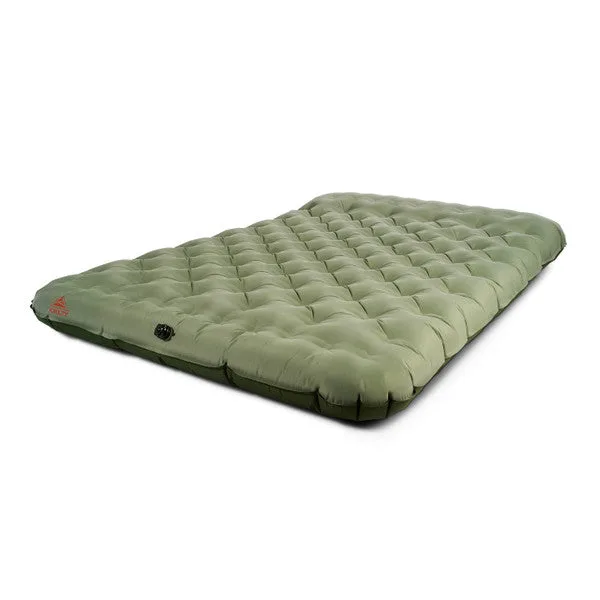
- Kush Airbed w/ Rechargeable Pump: The Kush Air Bed is six inches thick and made with TPU laminated fabrics, which are lighter, more durable, and easier to pack than PVC, and it includes a USB-rechargeable pump. A thick, insulated airbed provides a warm barrier between you and the cold ground, and the built-in pump makes setup quick—so you can spend less time wrestling with gear and more time sleeping warm.
A cold sleeping bag can ruin a trip, but most causes are fixable. Start by fluffing and drying your bag, sealing drafts, and checking your sleeping pad. If you’ve done all that and still shiver, it’s time to invest in a bag that matches your sleep style and the temperatures you’ll face. With the right care and gear, you can look forward to warm, restful nights under the stars.