Quick answer
Most tea brewing problems come down to four variables: water temperature, steeping time, leaf-to-water ratio, and water quality. Fixing just one of these often solves bitterness, weakness, or dull flavor. Start by lowering your water temperature and shortening your steep, then adjust leaf amount and consider filtered water.
You followed the instructions, waited patiently, and still ended up with a cup that tastes bitter, weak, or just plain disappointing. Before you blame the tea, know that the problem is almost always in the brewing variables—and they are easier to fix than you think.
This guide walks through the most common tea brewing mistakes, why they happen, and exactly how to correct them. You will also learn when to stop troubleshooting and simply choose a different tea or method that suits your taste and routine.
Why does my tea taste bad? Start with water temperature
Water that is too hot is the number one cause of bitter tea. Green, white, and many oolong teas contain delicate compounds that scorch easily. When you pour boiling water directly onto these leaves, you extract harsh tannins and lose the subtle sweetness and aroma you paid for. The fix is simple: let your kettle rest for a minute or two after boiling, or heat water to a lower temperature. For most green and white teas, aim for 160–180°F (71–82°C). Oolongs and black teas can handle 185–205°F (85–96°C).
If you do not have a variable-temperature kettle, boil water and then transfer it to a cool pitcher or let it sit with the lid open. A kitchen thermometer helps while you learn, but after a few brews you will recognize the right steam level. Remember that the goal is not a specific number but a cup that tastes smooth rather than sharp.
- Use a thermometer or a kettle with temperature presets for consistent results.
- For delicate teas, pour water into a separate vessel first to drop the temperature quickly.
Steeping time: the most common tea mistake
Even with perfect water temperature, leaving leaves in water too long will pull out bitter compounds. Each tea type has a sweet spot: green teas often need 1–2 minutes, oolongs 2–3 minutes, and black teas 3–5 minutes. If you walk away and forget, the tea keeps steeping and becomes undrinkable. Set a timer—your phone works fine—and taste the tea 30 seconds before the timer ends. If it already tastes good, stop there.
For teas you plan to re-steep, shorten the first steep slightly. The leaves still have plenty of flavor left for a second or third infusion. If you are used to brewing large pots, consider brewing smaller amounts more frequently so you can control the timing more precisely.
- Start with the shortest recommended time and extend only if the tea tastes weak.
- Remove the leaves completely when the timer goes off—do not just turn off the heat.
Leaf amount and water quality: small changes, big impact
Too little leaf makes tea taste watery; too much makes it overwhelmingly strong and bitter. A good starting point is one teaspoon of loose leaf per 8 ounces of water, but this varies by leaf size. Large, whole leaves take up more space, so you may need a heaping spoonful. Fine, broken leaves pack more tightly, so a level teaspoon is enough. Weighing your tea on a small kitchen scale removes the guesswork—3 grams per 8 ounces is a reliable baseline for many teas.
Water quality matters just as much. If your tap water smells like chlorine or tastes metallic, that will show up in your cup. Use filtered water or bottled spring water for a cleaner, sweeter brew. Distilled water is not ideal because it lacks the minerals that help extract flavor. If you already use filtered water and still get dull tea, try a different brand or add a pinch of baking soda to very soft water to improve extraction.
- Adjust leaf amount gradually—change by half a teaspoon at a time.
- If your tea tastes flat, try filtered water before blaming the leaves.
When to stop troubleshooting and choose another option
Sometimes you can do everything right and still not love the result. If you have adjusted temperature, time, leaf amount, and water, and the tea still tastes bitter or dull, the tea itself may not match your preferences. That is not a failure—it is useful information. For example, if you dislike the grassy edge of green tea no matter how carefully you brew it, you may simply prefer a roasted oolong or a black tea. Similarly, if you want a naturally sweet, caffeine-light option, cascara coffee cherry tea offers a different experience entirely.
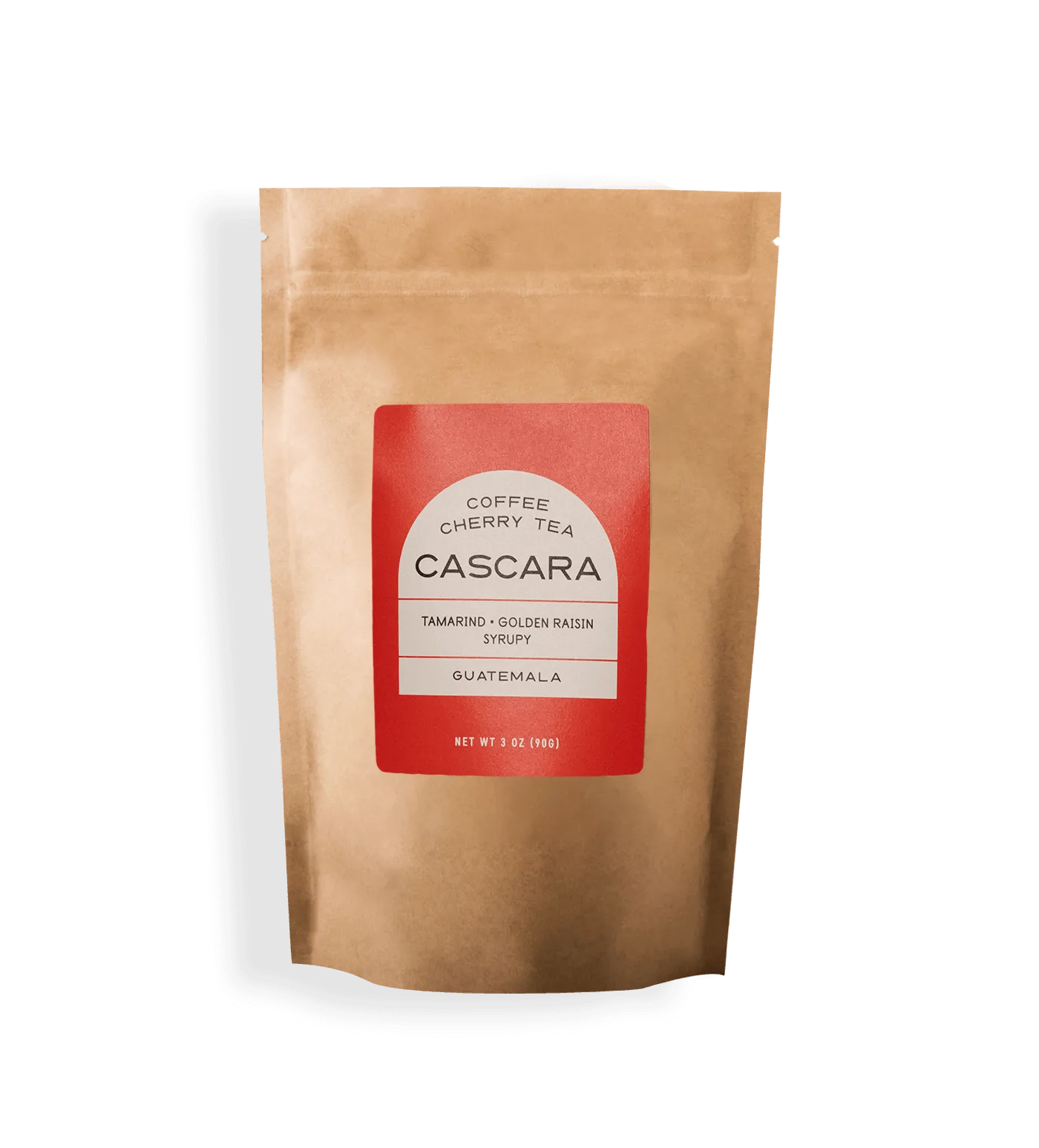
cascara coffee cherry tea
Before giving up on a tea, try brewing it with a different method. A French press gives you more control over steeping time, while a gaiwan lets you make quick, successive infusions. If you have tried two or three brewing methods and still do not enjoy the tea, move on. There are thousands of teas, and the right one for you is out there.
- Give a new tea at least two brewing attempts with different parameters before deciding.
- If a tea consistently disappoints, try a different style or origin instead of forcing it.
Tea troubleshooting diagnosis
- Bitter, astringent taste: Water is too hot or steeping time is too long. Lower water temperature by 10–15°F and shorten the steep by 30 seconds. If bitterness persists, reduce leaf amount slightly. If bitterness remains after two adjustments, the tea may be too broken or low quality for your taste.
- Weak, watery flavor: Too little leaf or too short a steep. Increase leaf amount by half a teaspoon and add 30 seconds to the steep time. Check that your water is hot enough for the tea type. If the tea still tastes weak, try a different water source or a tea with bolder flavor notes.
- Dull, flat, or metallic taste: Water quality is the likely culprit. Switch to filtered or spring water. If you already use filtered water, try a different brand or add a pinch of baking soda to very soft water. If flavor improves with new water, stick with that water for all your teas.
- Inconsistent results from the same tea: You are likely not measuring leaf or water consistently. Use a scale for leaf and a thermometer for water. Keep a simple log of what you did for each brew. Once you find a combination you like, repeat it exactly before making further changes.
Products that support better tea brewing
- Cascara Coffee Cherry Tea: The intense sweetness of raisins is compared with a tart acidity and rosehip aromatic in this careful selection of cascara from the Buena Vista micro-mill. Each bag contains 90 grams of tea. If you want a naturally sweet, caffeine-light tea that is forgiving to brew, cascara is a great alternative to traditional leaves. Its raisin and rosehip notes shine even with a simple steep.
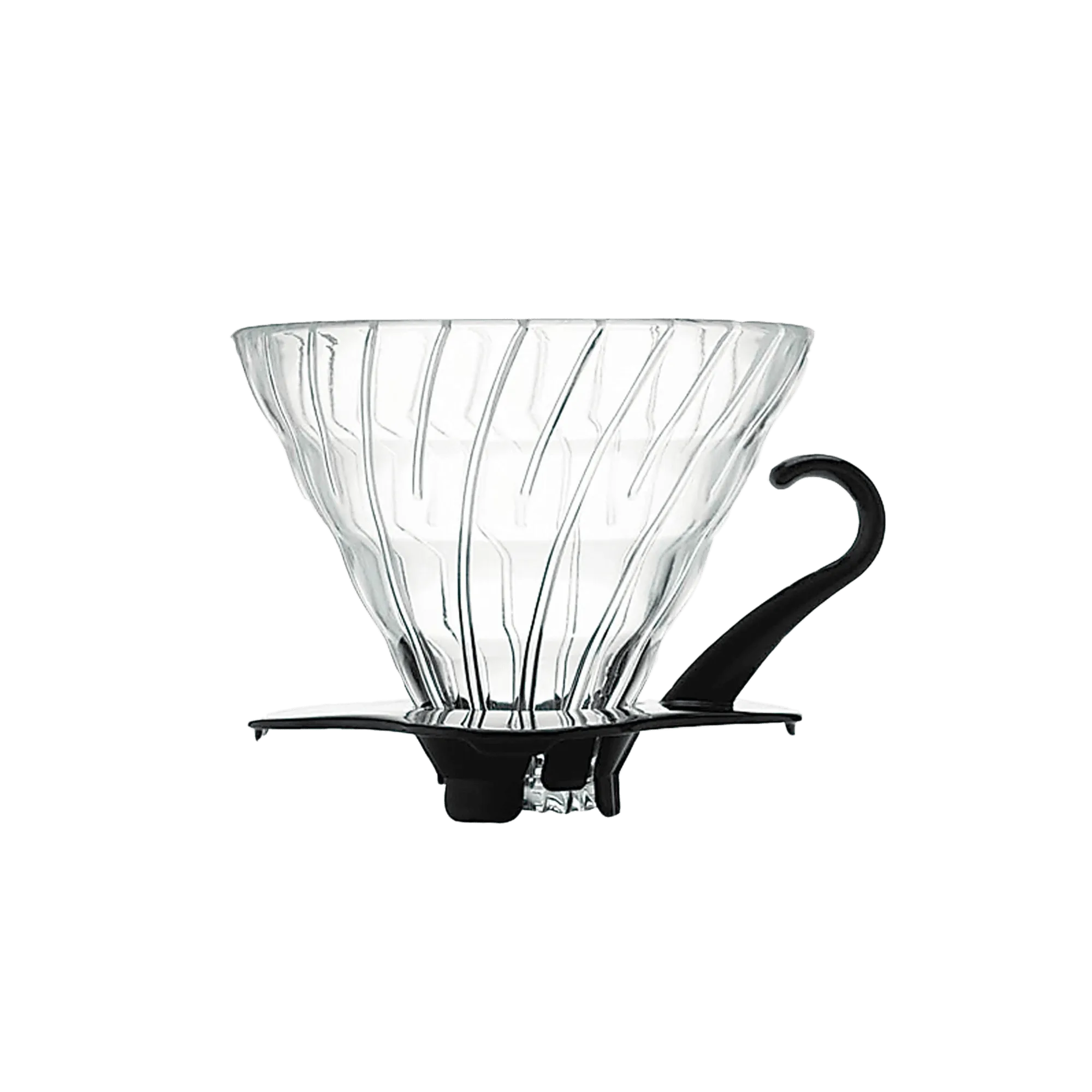
- Hario V60 Glass Coffee Dripper: Hario glassware is internationally known and locally respected. In Japanese, Hario means “The King of Glass” which makes perfect sense because they’ve been manufacturing the highest quality glassware since 1921. The Hario V60 Glass Dripper cone-shaped brewer adds depth to coffee extraction. Built for speed, consistency, and eye-candy this coffee brewer is everything you’ve come to expect from the Japanese... While designed for coffee, the V60’s cone shape and glass construction can also be used for tea if you line it with a filter. Its consistent flow helps avoid over-steeping when you are experimenting with different teas.
Most tea brewing problems are solved by controlling temperature, time, leaf amount, and water quality. Make one change at a time, taste as you go, and do not be afraid to switch teas if a style never suits you. A better cup is usually just a few small adjustments away.