Quick answer
Most wooden toy problems, such as chipped paint, loose joints, stains, or splinters, can be fixed at home with simple supplies and a little patience. Use non-toxic materials, test on a hidden spot first, and stop repairing if the damage affects structural safety or the toy is a choking hazard. When a fix would leave the toy unsafe or unstable, replace it instead.
Wooden toys are built to last, but they still pick up wear from daily play. A chipped edge, a wobbly wheel, or a mystery stain does not mean the toy is finished. In many cases, a few minutes of care brings it back into rotation.
This guide walks through the most common wooden toy problems, what likely caused them, and the exact steps to fix them. You will also find clear stopping points, so you know when to repair, when to set the toy aside, and when to replace it.
Chipped Paint or Finish
Symptom: You notice small flakes of paint missing, often along edges, corners, or places where pieces rub together. Likely cause: normal wear, dropping, or chewing. Corrective action: clean the area with a damp cloth and let it dry. Lightly sand the chipped edge with fine-grit sandpaper until smooth. If the toy is for a child who still mouths objects, do not repaint unless you use a certified non-toxic, child-safe paint or finish. Otherwise, leave the wood bare or apply a child-safe oil.
Stop here if the chipped area is larger than a coin, the wood underneath is cracked, or the toy is vintage with unknown paint. In those cases, the risk of ingestion or splintering is too high, and replacement is the safer choice.
- Always test any finish on a hidden spot first.
- Avoid solvent-based paints and varnishes on toys for young children.
Loose Joints, Wheels, or Pegs
Symptom: A wheel wobbles, a peg pulls out, or a joint feels unstable. Likely cause: repeated stress, changes in humidity, or a manufacturing gap that has widened over time. Corrective action: If the joint is wood-to-wood, apply a small amount of child-safe wood glue (such as PVA) to the peg or dowel, push it back into place, and wipe away excess glue immediately. Clamp or hold it for the time recommended on the glue label. For wheels, check whether the axle is bent; if it is, straighten it gently with pliers or replace the axle if possible.
Stop if the joint is cracked through the wood or if the repair leaves the toy wobbly after the glue dries. A toy that cannot stand up to normal play is a fall or pinch hazard, and it is time to retire it.
- Never use superglue or epoxy on toys that children may put in their mouths.
- Let glued joints cure fully, usually 24 hours, before play resumes.
Stains, Odors, and Sticky Residue
Symptom: Dark spots, a sour smell, or a sticky film on the wood. Likely cause: spilled juice, food residue, or moisture trapped in the grain. Corrective action: Wipe with a cloth dampened with a 50/50 mix of white vinegar and water, then dry immediately. For tougher stains, make a paste of baking soda and a little water, apply gently with a soft cloth, and wipe away. Do not soak the wood. If the stain persists, lightly sand the area and re-oil with a child-safe finish.
Stop if the wood feels soft, spongy, or begins to crumble. That indicates water damage or rot, which cannot be reversed safely. Replace the toy rather than trying to seal over decay.
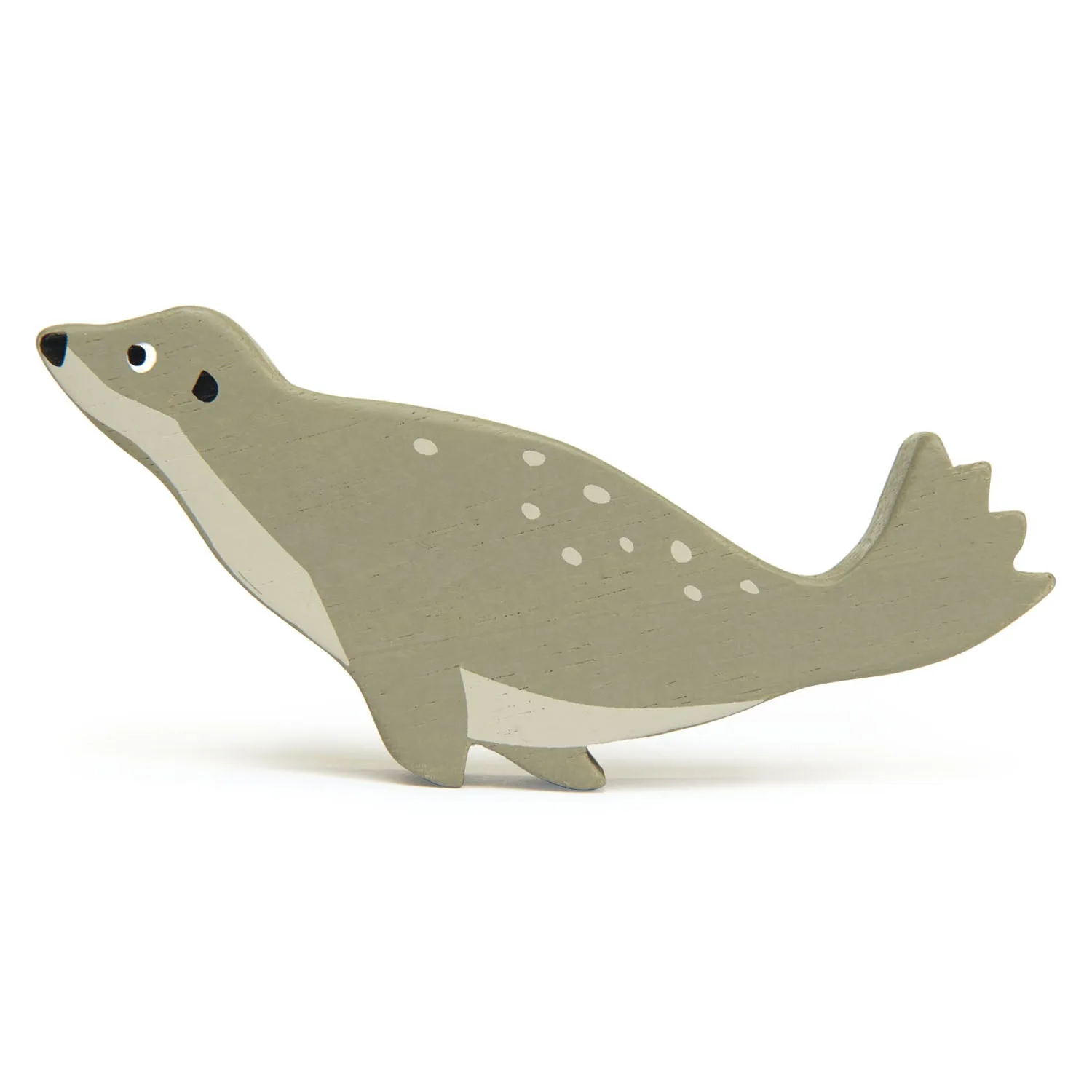
seal
- Never submerge wooden toys in water.
- Dry toys thoroughly before storing them.
Splinters and Rough Edges
Symptom: A raised grain, a sharp edge, or a visible splinter. Likely cause: wear, moisture, or a manufacturing defect that has surfaced with play. Corrective action: Sand the area with fine-grit sandpaper (220 or higher) until smooth. Wipe away dust. If the splinter is deep or the wood is splitting, do not pull it out with force; instead, apply a small amount of wood glue into the crack, clamp it, and let it dry. Sand again if needed.
Stop if the splinter is large, the wood is cracked through, or the toy has multiple splinters. A toy that keeps shedding splinters is not safe for children, and replacement is the better option.
- Sand in the direction of the grain to avoid new splinters.
- Check the whole toy after sanding for any missed rough spots.
When to Repair and When to Replace
Not every wooden toy problem is worth fixing. Repair makes sense when the damage is cosmetic, the toy is structurally sound, and you can use child-safe materials. Replacement is the better choice when the toy is a choking hazard, has cracked or splintered wood, or has been recalled. If you are unsure, err on the side of caution. A toy that cannot be made safe is not worth the risk.
For toys that are still in good condition, regular wooden toy maintenance, such as wiping with a damp cloth and storing in a dry place, prevents many of these problems. If you are shopping for replacements, look for solid wood construction and non-toxic finishes, which tend to hold up better over time.
- Keep a small repair kit: fine sandpaper, child-safe wood glue, vinegar, baking soda, and soft cloths.
- Inspect toys monthly for loose parts or new cracks.
Diagnosis: Match the symptom to the fix
- Chipped paint on a teether: If the toy is meant for mouthing, any exposed paint is a risk. Do not repaint with household paint. Remove the toy from rotation. Replace with a toy that has a water-based, non-toxic finish.
- Wobbly wheel on a push toy: Tighten or glue the axle with child-safe wood glue. If the wheel still wobbles after curing, the axle or wheel hub is worn. Replace the wheel or the toy if the wobble affects stability.
- Dark stain that will not lift: Try vinegar and baking soda first. If the stain remains after gentle sanding, the wood may be stained through. If the wood is still sound, you can leave it or re-oil; if it is soft, replace.
- Splinter that keeps coming back: Repeated splinters mean the wood grain is failing. Sanding only offers a temporary fix. Replace the toy to avoid injury.
Wooden toys built to handle repairs
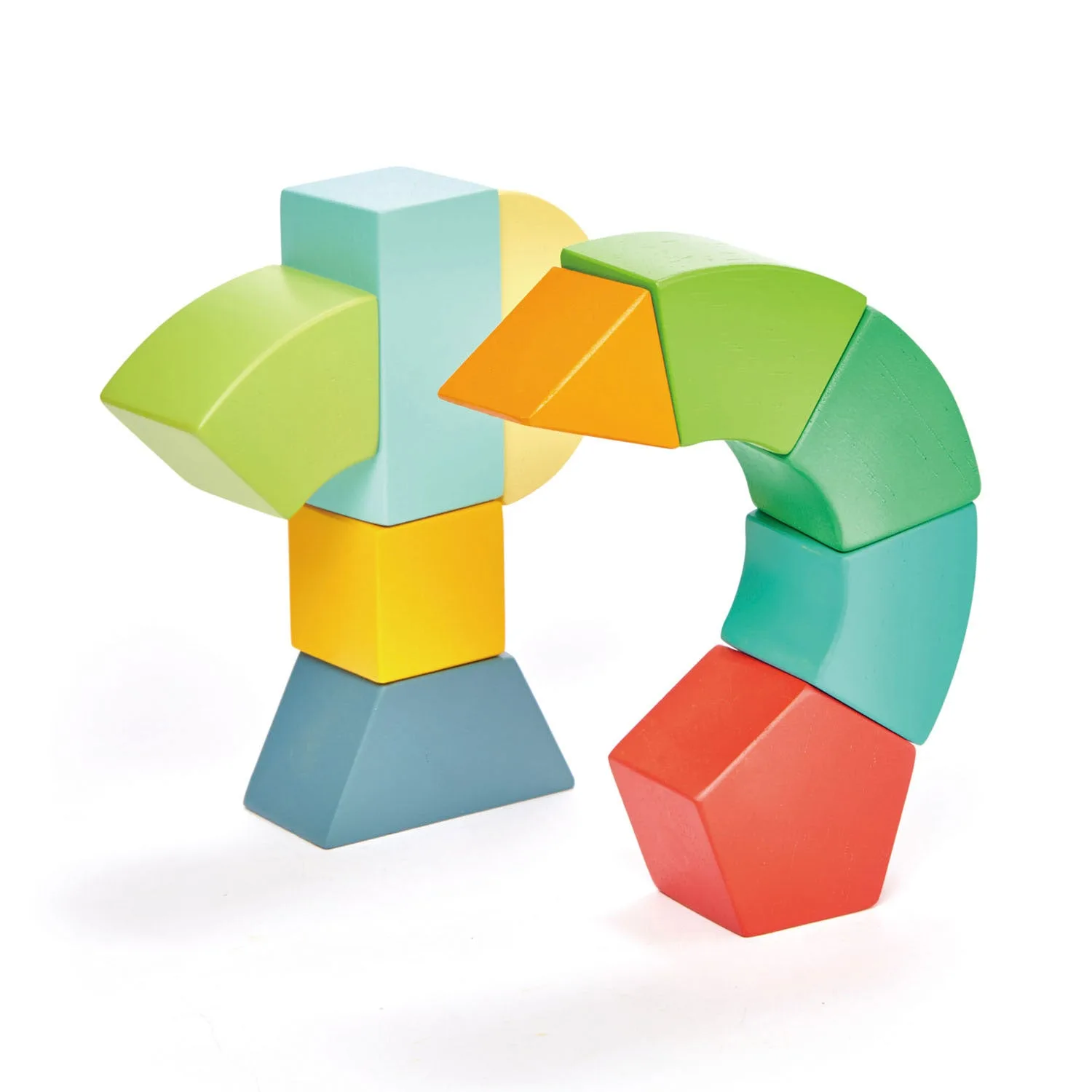
- Primary Magblocs: A set of 10 classically shaped magnetic blocks, made from solid rubber wood and concealed multi directional magnets ensuring there is always positive attraction and no repelling. Included in this set is a stylish and colorful drawstring bag to keep all the blocks safe. Solid rubber wood resists chipping better than softer woods, and the drawstring bag makes storage easy, reducing the chance of lost pieces.
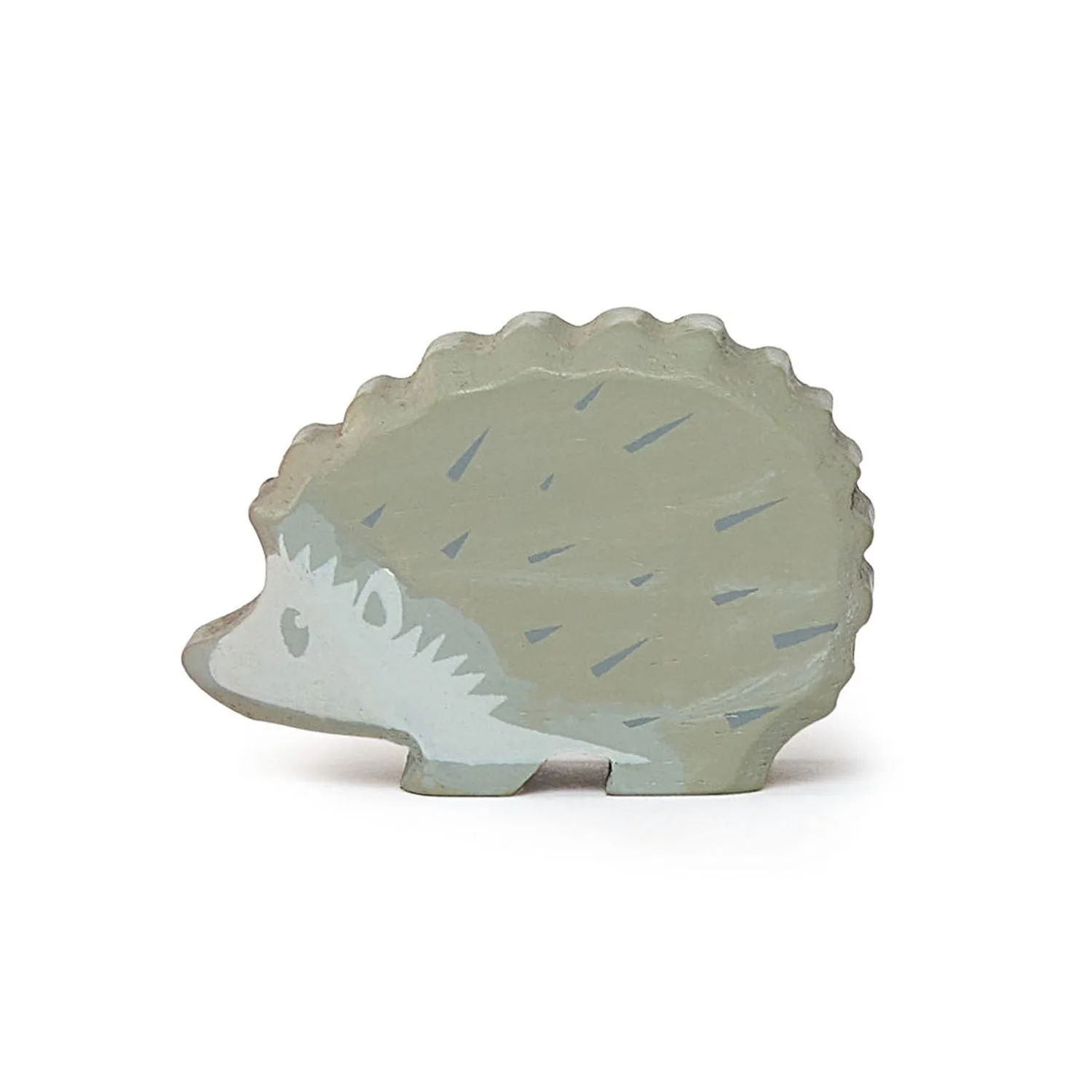
- Stacking Forest: A wooden stacking tree trunk with 19 stylishly colored animals and plants including an owl, a bat, a wolf, a squirrel, a woodpecker, an acorn, a mummy pig with her baby, a caterpillar, five leaves, a toadstool, a rabbit, a hedgehog, a bird, and a bird in a nest. With many small pieces, this set benefits from regular checks for loose parts and a quick wipe-down to keep the wood clean and splinter-free.
Most wooden toy problems have a straightforward fix, but safety always comes first. Use non-toxic materials, stop when a repair cannot make the toy structurally sound, and replace anything that poses a choking or splinter risk. With a little care, well-made wooden toys can stay in play for years.