Quick answer
Most wooden toy problems come down to loose joints, surface wear, or moisture. Tighten what you can with child-safe glue, clean and dry the toy fully, and stop using any piece with splinters, cracks, or peeling paint. If the damage affects a load-bearing joint or a child's safety, replace the toy instead of repairing it.
Wooden toys are built to last, but they still run into the same handful of issues: a wheel that wobbles, paint that feels tacky, or a stacking ring that no longer sits flat. The good news is that many of these wooden toy problems have simple fixes you can do at home with basic supplies.
This guide walks through the most common symptoms, what likely caused them, and the corrective action to take. It also tells you when to stop and choose another option, because a toy that is no longer safe is not worth saving.
Why wooden toys develop problems in the first place
Wood is a natural material, so it responds to its environment. Changes in humidity can make a joint swell or shrink, which is why a toy that was tight in winter may feel loose in summer. Everyday play also adds wear: edges get bumped, paint gets chipped, and moving parts slowly loosen.
Most issues are cosmetic or mechanical, not structural. A scuffed surface or a slightly loose wheel is usually fixable. A cracked load-bearing joint or a splintered edge is a safety problem, and that is where repair stops being the right answer.
- Check toys monthly for wobbles, cracks, and paint chips.
- Keep wooden toys away from radiators, damp basements, and direct sun.
- Wipe spills immediately instead of letting liquid sit on the surface.
Loose joints and wobbly wheels
Symptom: a wheel, peg, or handle moves more than it should. Likely cause: repeated motion has compressed the wood or loosened the glue at the joint. Corrective action: remove the toy from play, let it dry completely, then apply a small amount of child-safe wood glue into the joint and clamp it overnight.
If the joint still moves after the glue cures, the wood itself may be worn or split. At that point, stop repairing and replace the toy. A wheel that comes off during play is a choking hazard for small children, so do not rely on a temporary fix.
- Use glue labeled non-toxic and let it cure fully before play.
- Never use metal screws or nails on a toy a child might mouth.
- Test the joint firmly with your hand before returning it to a child.
Sticky, tacky, or peeling paint
Symptom: the surface feels sticky, or paint flakes off when you rub it. Likely cause: heat, moisture, or repeated washing with harsh cleaners. Corrective action: wash with a damp cloth and mild soap, dry immediately, and stop using disinfectant sprays on painted wood.
If paint is already peeling, do not repaint the toy yourself unless you use a child-safe finish and can sand the area smooth. For most families, a peeling toy is a replacement, not a repair, because loose paint can be swallowed. Toys with water-based, environmentally friendly paint are easier to maintain, but they still need gentle cleaning.
- Clean with a damp cloth, not a soaking wet one.
- Avoid bleach, alcohol, and abrasive sponges on painted wood.
- Retire any toy with paint that comes off on your hand.
Cracks, splinters, and rough edges
Symptom: you can feel a rough edge or see a hairline crack. Likely cause: impact, dropping, or long-term moisture changes. Corrective action: sand lightly with fine sandpaper only if the crack is surface-level and the toy is not load-bearing. Wipe away dust and check that the edge is smooth.
If the crack runs through a structural part, such as a ride-on truck frame or a pram handle, stop using the toy. A splinter or a sudden break during play can injure a child. In that case, choose a replacement rather than a repair.
- Sand with the grain, not against it.
- Do not fill deep cracks with household filler.
- Check load-bearing parts after any fall or heavy impact.
Squeaks, stiffness, and stuck moving parts
Symptom: a wheel squeaks or a moving part feels stiff. Likely cause: dust, dryness, or a slightly misaligned joint. Corrective action: clean the area with a dry cloth, remove any visible debris, and test the movement again. A tiny amount of food-grade mineral oil on a metal axle can help, but keep it away from painted surfaces.
Do not use general-purpose lubricants, WD-40, or cooking oil, which can attract dirt or become sticky. If the part still will not move freely, the toy may have a bent axle or a swollen joint, and replacement is the safer choice.
- Clean moving parts before adding any lubricant.
- Use only a drop of food-grade mineral oil on metal axles.
- If a wheel drags or rubs, stop and inspect for a bent axle.
Diagnosis chart: symptom, cause, fix, and stop point
- Wobbly wheel or loose joint: Repeated motion has loosened the glue or compressed the wood. Dry the toy, apply child-safe wood glue, clamp overnight, and test by hand. If it still moves after curing, replace the toy.
- Sticky or peeling paint: Heat, moisture, or harsh cleaners have damaged the finish. Clean with a damp cloth and mild soap, then dry fully. If paint comes off on your hand, stop using the toy.
- Crack or splinter: Impact or moisture change has split the wood. Lightly sand only surface-level cracks with fine sandpaper. If the crack is structural or on a load-bearing part, replace it.
- Squeaky or stiff moving part: Dust or dryness is affecting the axle or joint. Clean with a dry cloth and use a drop of food-grade mineral oil on metal axles only. If it still drags or rubs, the axle may be bent; replace the toy.
How specific Moover toys hold up
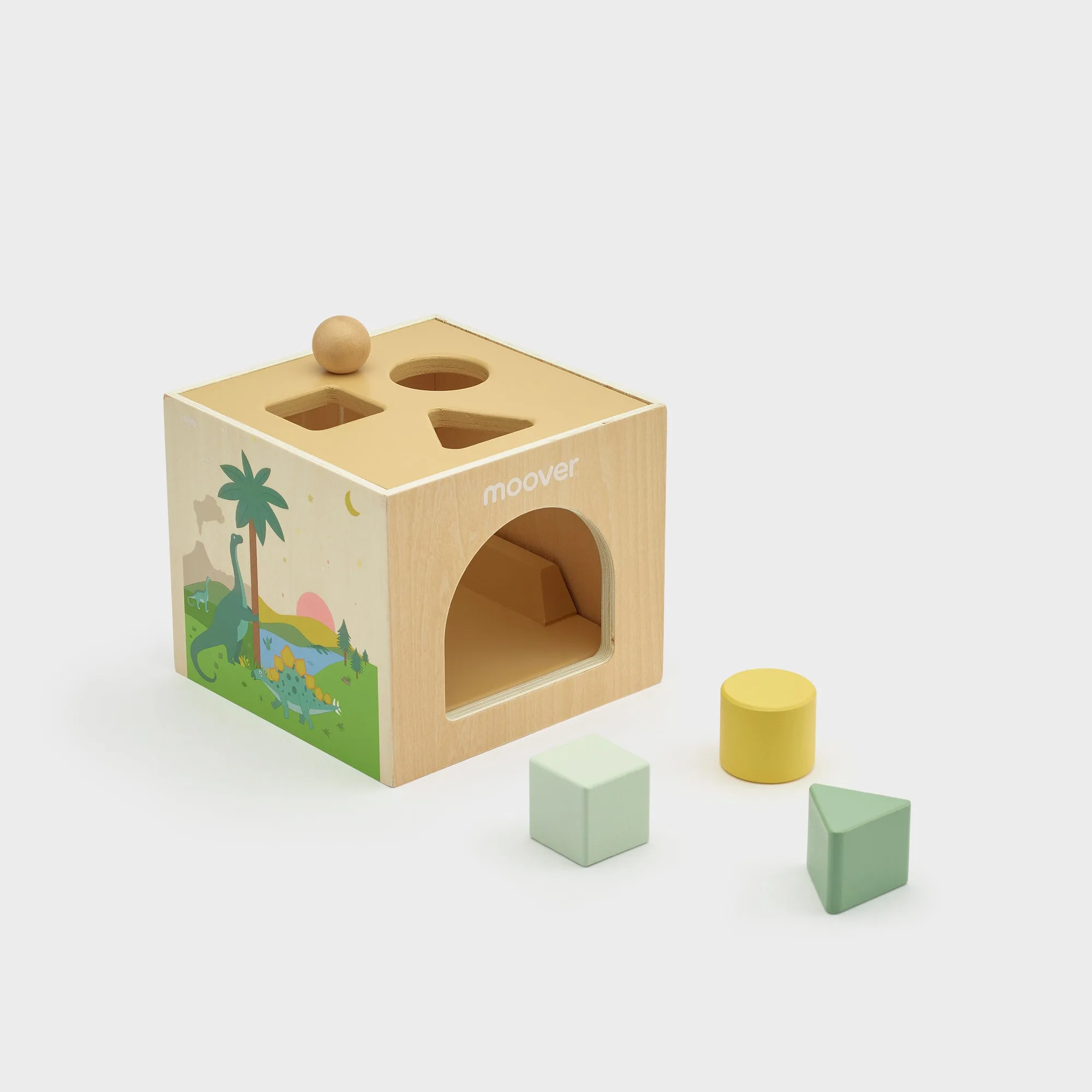
- Sorting box Dino: The Wooden Sorting Box is a captivating journey of shape exploration, with various openings corresponding to different shapes that children match to slots. Shape-matching play puts repeated stress on edges and openings, so check the rim for rough spots and keep the box dry to prevent swelling.
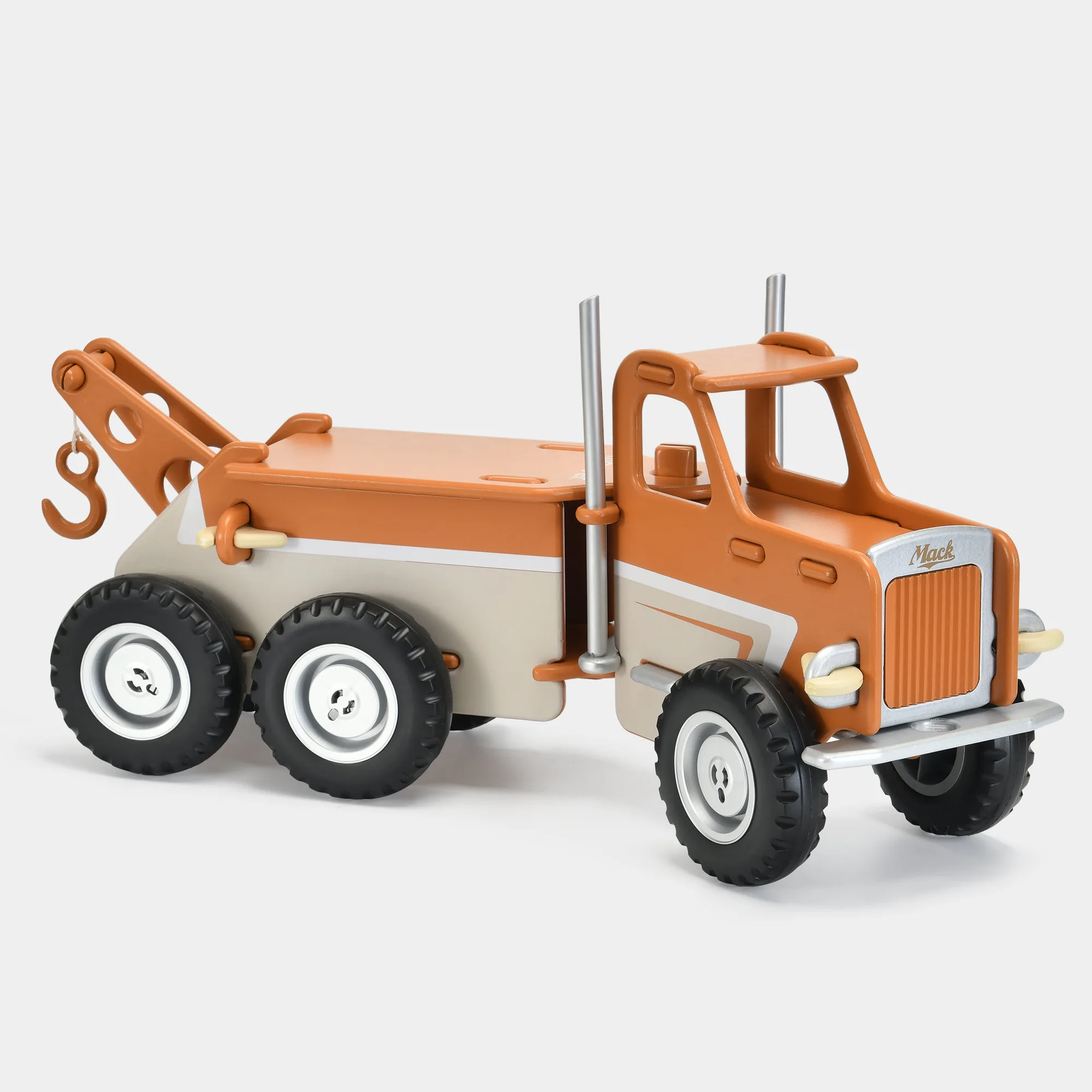
- Mack Ride-On Truck Brown: This Moover Partners, MACK licensed toy is from the original, highest-quality line of luxury wooden mobility toys and comes with a hidden storage compartment and a towing hook. A ride-on truck takes more weight and motion than a small puzzle, so inspect the wheels, towing hook, and storage lid regularly for looseness.
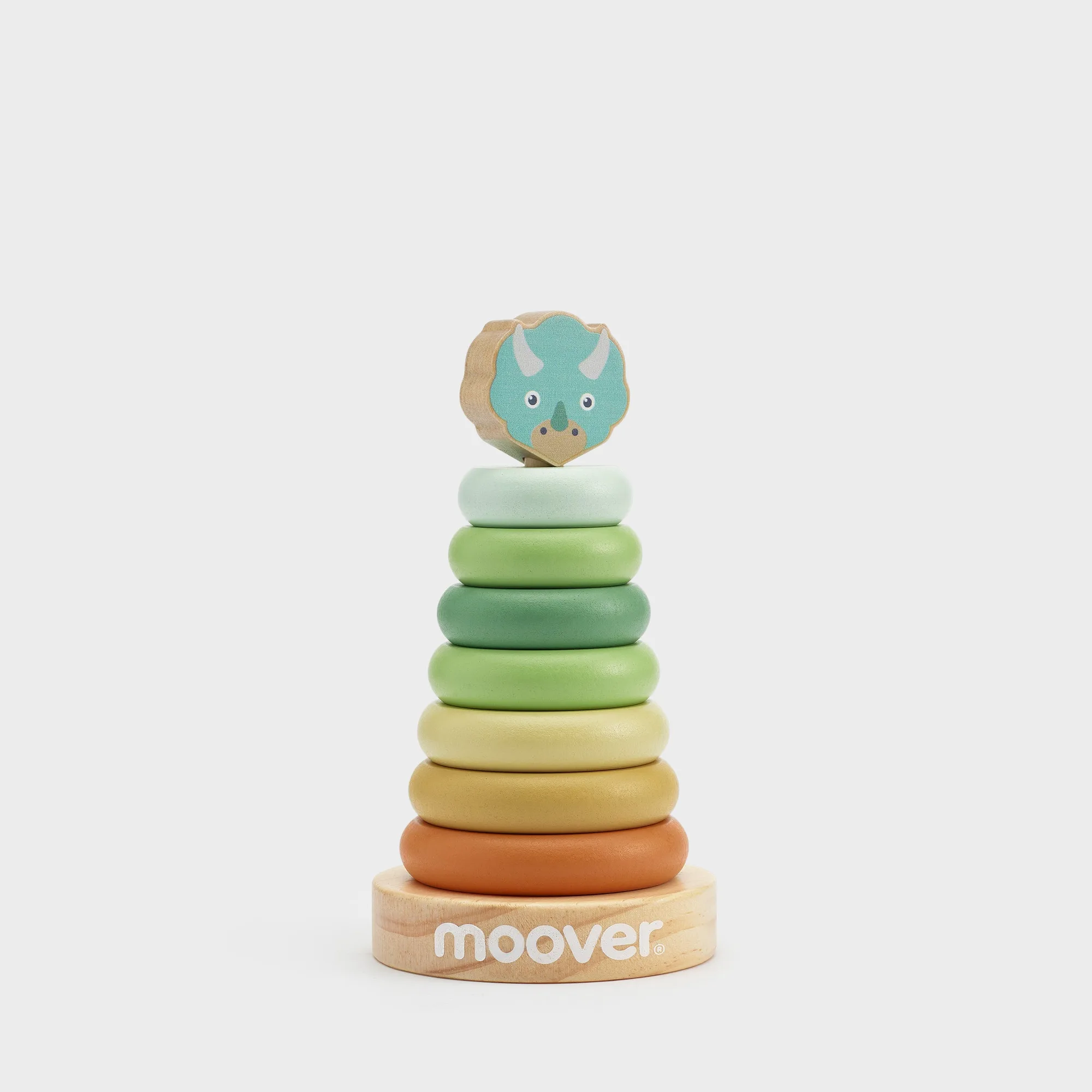
- Wooden ring dino: The Wooden Stacking Ring Set is designed for curious minds aged 1 and above and invites children to explore balance and coordination by stacking rings of varying sizes onto a central peg. Stacking rings can warp or chip if left damp, so dry them fully after cleaning and check the central peg for tightness.
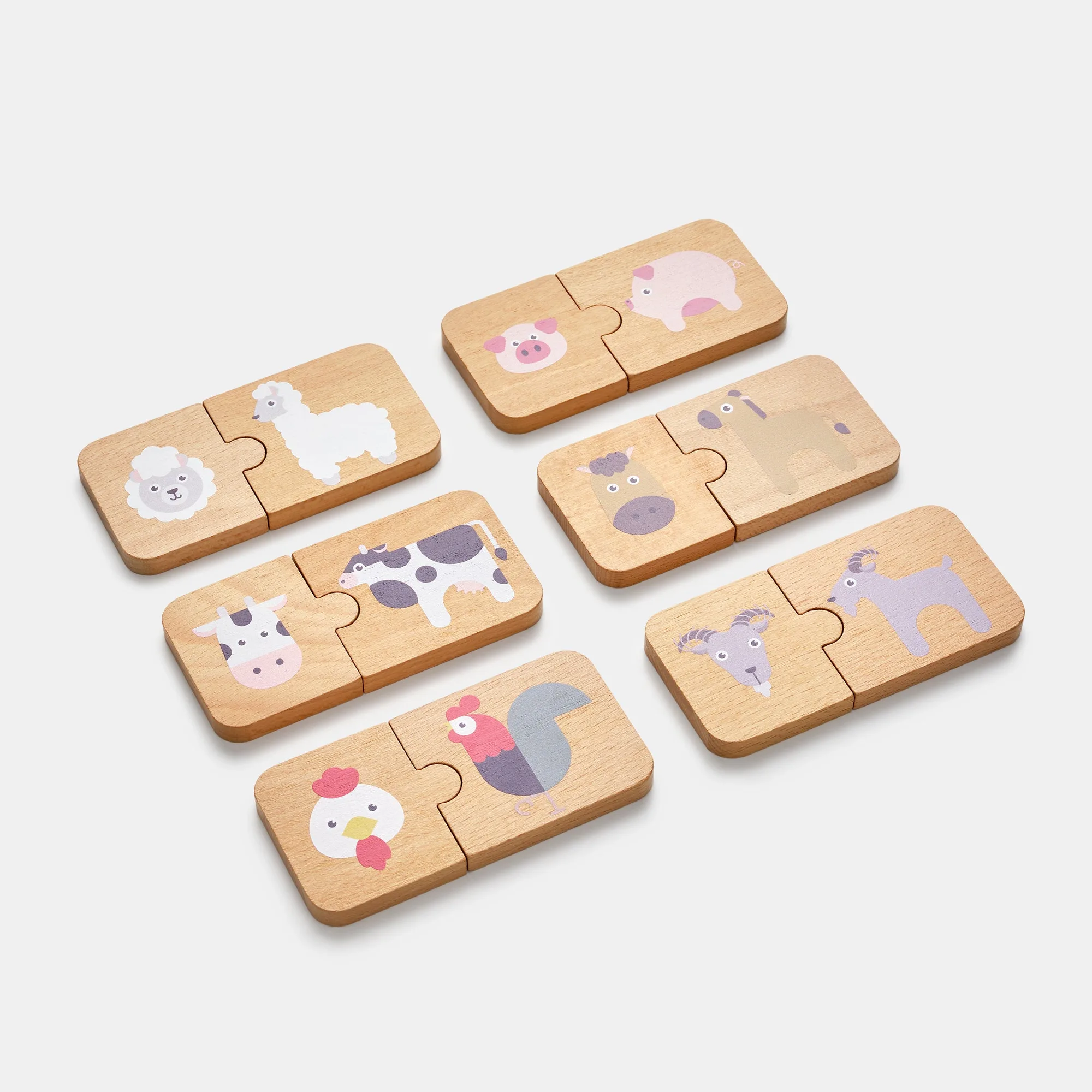
- Farm puzzle: This Animal shaped Wooden Puzzle is sized for small hands and develops fine motor skills, hand-eye coordination, and cognitive abilities. It is made of MDF with environmentally friendly paint. MDF puzzles are sturdy but can swell if soaked, so wipe clean and dry immediately rather than submerging the pieces.
Most wooden toy problems are manageable with gentle cleaning, a little child-safe glue, and a habit of checking joints and edges. When a repair touches safety, replacement is the responsible choice. A well-cared-for wooden toy can stay in rotation for years, and knowing when to fix versus replace keeps play safe and enjoyable.