Quick Answer
When choosing a collar, consider the material, hardware, and intended use. Leather collars offer durability and a classic look, while posture collars provide more control. For a balance of comfort and style, a padded leather collar with a chain leash is versatile for both everyday wear and play.
In BDSM, a collar is more than just an accessory—it symbolizes ownership, trust, and connection. But with so many styles available, from simple leather bands to elaborate posture collars, choosing the right one can be overwhelming. This guide breaks down the key differences between popular collar types, focusing on leather options, to help you make an informed decision.
Whether you're a beginner exploring your first collar or an experienced player adding to your collection, understanding the trade-offs between comfort, control, and aesthetics is essential. We'll compare materials, hardware, and design features, and offer practical fit guidance so you can find a collar that meets your needs and enhances your play.
Posture Collars vs. Regular Collars: What’s the Difference?
Posture collars are designed to restrict neck movement, encouraging an upright, submissive posture. They are typically wider and stiffer than regular collars, often made of leather, metal, or rigid materials. Because they limit mobility, they are ideal for scenes that emphasize control and discipline. However, they can be less comfortable for extended wear and may require more adjustment to fit properly.
Regular collars, on the other hand, are more versatile and comfortable. They come in various widths and materials, from thin chains to padded leather bands. They can be worn for longer periods, making them suitable for daily wear or casual play. The trade-off is that they offer less physical control, focusing more on symbolism and style.
- Consider how long you plan to wear the collar; posture collars are better for shorter scenes.
Leather Collar Comparison: What to Look For
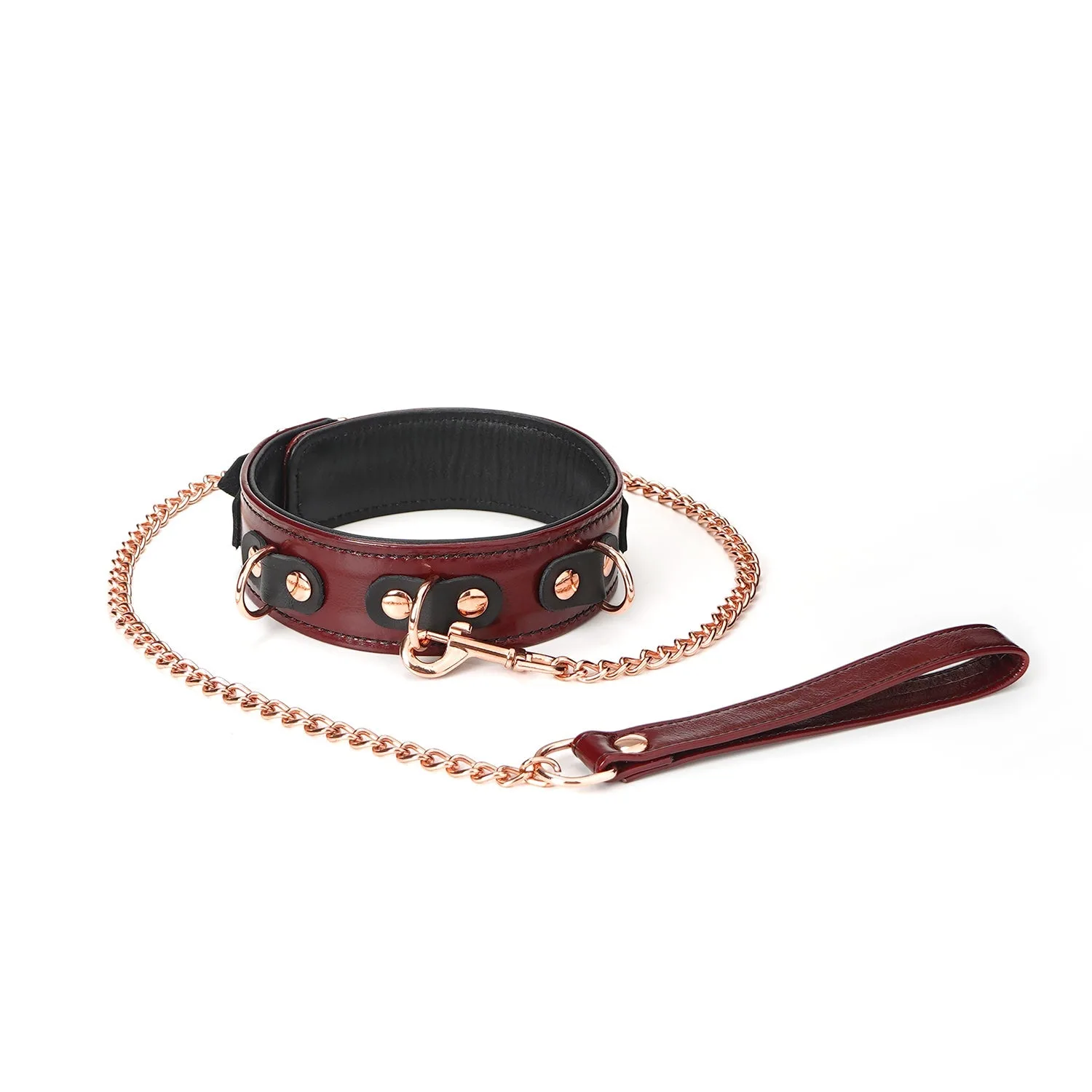
Leather is a popular choice for collars due to its durability, flexibility, and classic aesthetic. When comparing leather collars, consider the quality of the leather, the stitching, and the hardware. High-quality leather will be smooth, supple, and resistant to wear. Hardware, such as buckles and D-rings, should be sturdy and rust-resistant, as it bears the stress of leash attachment.
Padded leather collars offer extra comfort, especially for longer wear, as they distribute pressure evenly. However, they may be bulkier than unpadded designs. Look for adjustable buckles to ensure a snug fit without being too tight. Also, consider the color and finish—from classic black to vibrant hues—to match your personal style and other gear.
- Check that the leather is genuine and well-treated to prevent cracking.
Different Collar Styles: From Day Collars to Play Collars
Beyond posture and leather, collars come in various styles tailored to different purposes. Day collars are subtle and discreet, designed for everyday wear, often made of delicate chains or thin leather. Play collars are more robust, built for scenes and may include attachment points for leashes or locks. Some collars serve dual roles, offering both aesthetic appeal and functionality.
When choosing a style, think about how you intend to use the collar. If you want a symbol of commitment that can be worn in public, a day collar is ideal. If you need a collar for intense play, opt for a sturdy play collar with reliable hardware. Many people own multiple collars for different occasions, so don't feel limited to one type.
- Match the collar style to its primary use—day wear, play, or both.
Trade-Offs to Consider
- Comfort vs. Control: Posture collars offer more control but can be uncomfortable for long wear. Regular leather collars are more comfortable but provide less restriction. Choose based on the length and intensity of your scenes.
- Durability vs. Aesthetics: High-quality leather is durable but may be less visually striking than other materials. Colorful or patterned leathers may sacrifice some durability for style. Invest in quality leather if longevity is a priority.
- Versatility vs. Specificity: A simple leather collar can be worn for both play and everyday use, while specialized collars (like posture or day collars) are better for specific purposes. Consider owning multiple collars for different needs.
Featured Collars
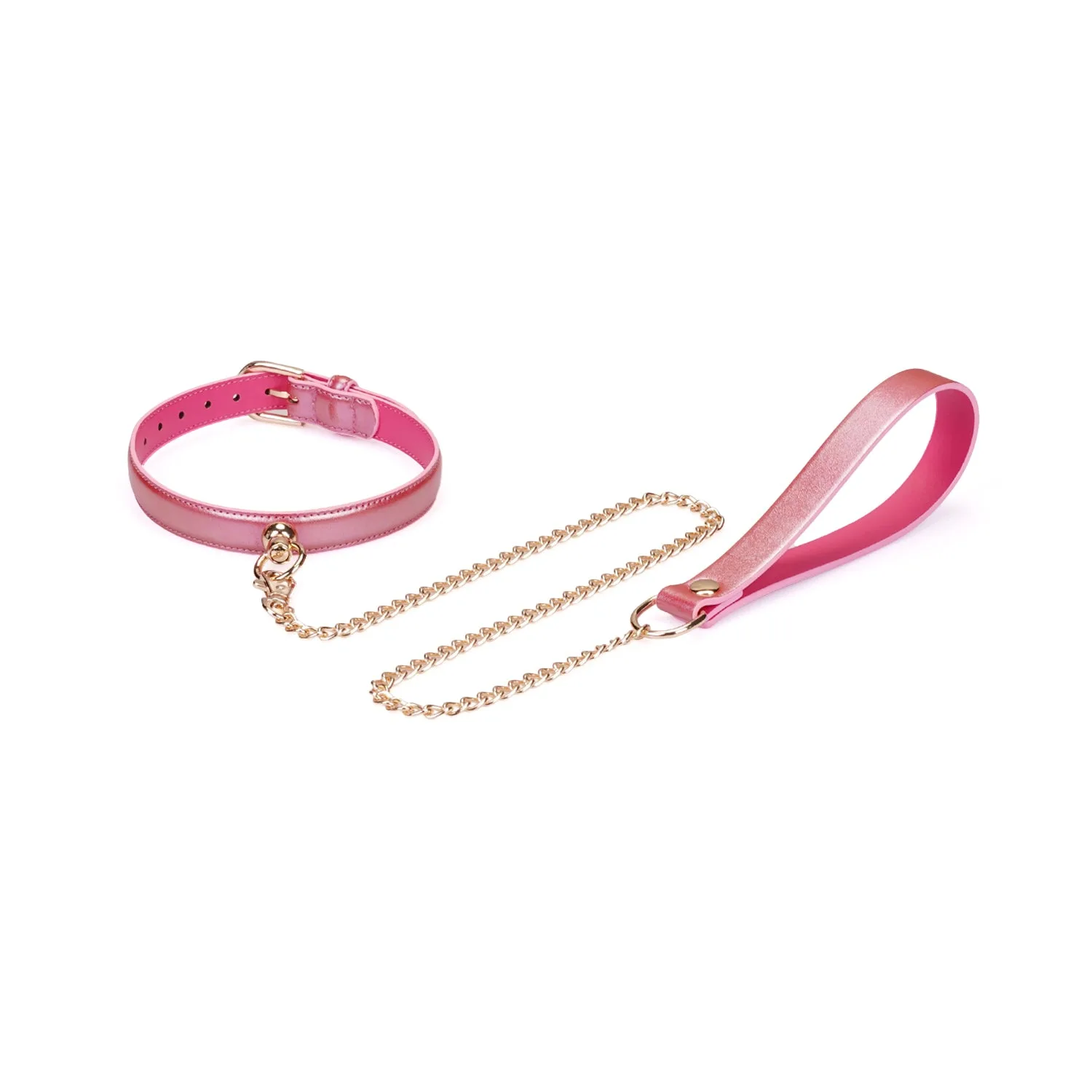
- Lustre Rosa: Pink Leather Collar with Chain Leash: Expertly fashioned from premium pink leather, this BDSM collar offers a delicate... This collar combines style and comfort for those who want a colorful, elegant option for restraint play.
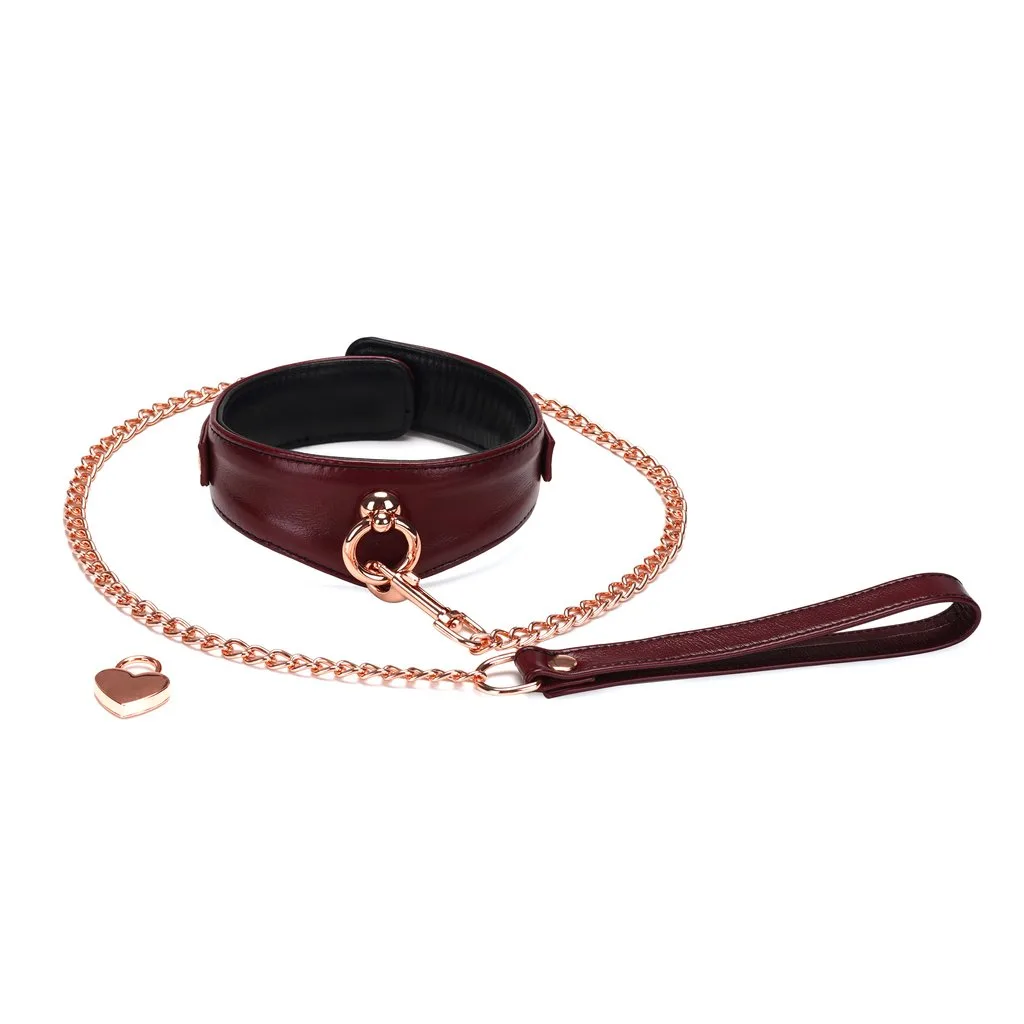
- https://liebeseeletgh.com/products/wine-red-deluxe-curved-collar-with-chain-leash-and-lock-c9655983d65ecce5fd5a39b1-900717Wine Red: Leather Collar with Chain Leash and Lock: Formed from the finest quality red leather and boasting sturdy rose gold hardware, this luxurious bondage collar is designed to free your most extravagant erotic fantasies. The included lock adds a layer of symbolism and security, making it a great choice for those who want a collar that can be locked on.
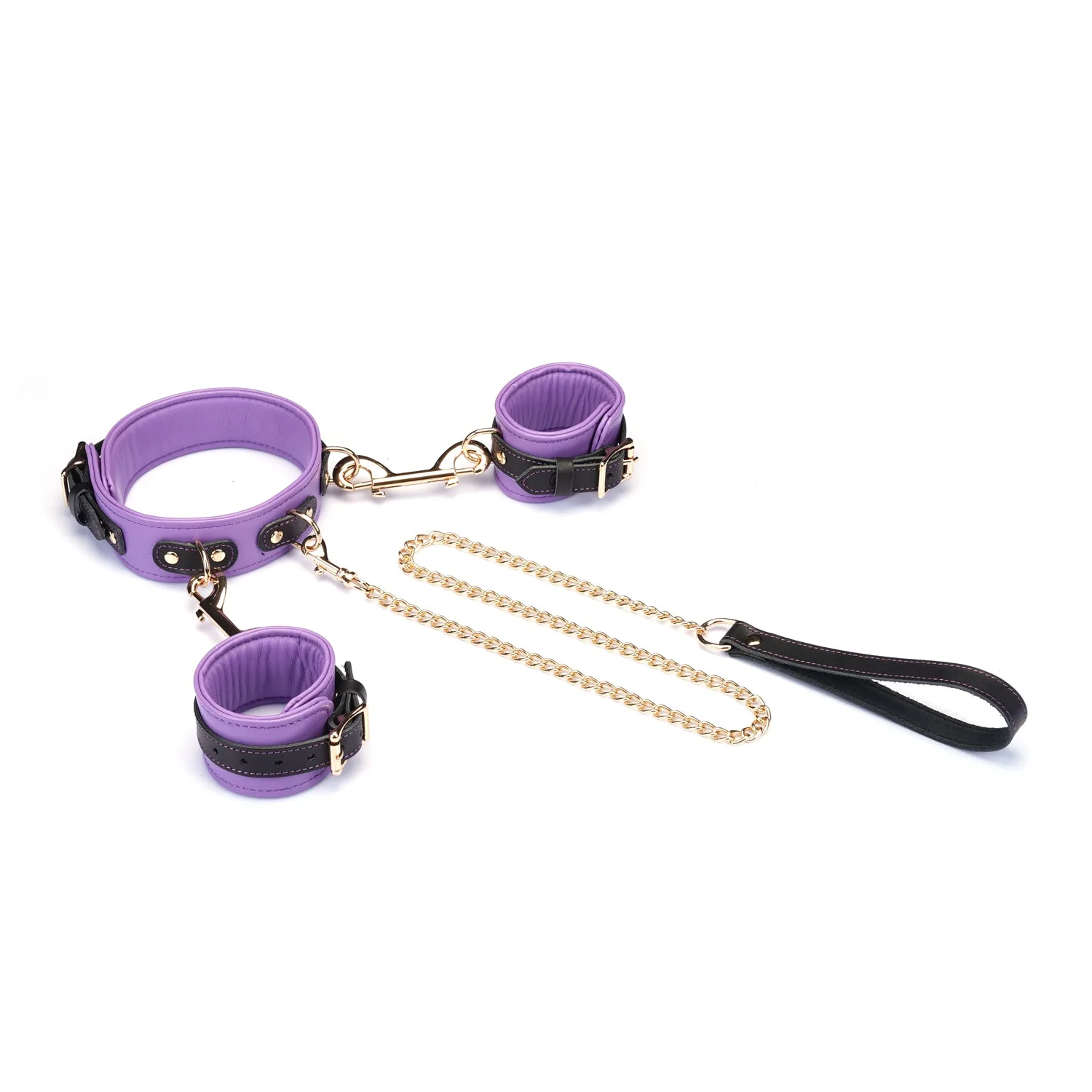
- Italian Leather Wrist to Collar Set -Purple: Made of Italian... This set provides a coordinated look and added restraint options, ideal for those who want a matching wrist-to-collar connection.
How to Choose the Right Collar for You
Best For
- Individuals seeking a versatile, comfortable collar for both play and daily wear.
- Those who prioritize style and color variety in their BDSM gear.
Not For
- People who need strict posture control and are willing to trade comfort for rigidity.
Ultimately, the best collar for you depends on your personal preferences and how you plan to use it. Consider the trade-offs between comfort, control, and style, and don't be afraid to invest in high-quality pieces that will last. Whether you choose a classic leather collar or a more specialized posture collar, the right choice will enhance your BDSM experience and deepen the connection with your partner.