Choosing the right cup for your baby is a milestone that comes with many questions. From the first sip of water to mastering an open cup, the journey involves several types of cups, each designed for a specific stage of development. This guide will help you navigate the world of baby cups, ensuring you pick the best option for your little one's age and skills.
We'll cover everything from sippy cups and straw cups to training cups and open cups, along with tips on when to introduce each and how to make the transition smooth. By the end, you'll feel confident in selecting the perfect cup for your baby's needs.
Why the Right Cup Matters
The right cup supports your baby's oral motor development, encourages independent drinking, and reduces the risk of tooth decay. Unlike bottles, cups help babies learn to sip rather than suck, which is a crucial skill for speech development and proper jaw alignment. Additionally, using a cup can prevent prolonged bottle use, which is associated with dental issues.
Moreover, the right cup can make mealtimes less messy and more enjoyable for both you and your baby. With so many options on the market, understanding the differences between them is key to making an informed choice.
- Look for cups with soft, flexible spouts that are gentle on gums.
- Consider cups with handles that are easy for little hands to grip.
- Choose cups with minimal parts for easy cleaning.
Types of Baby Cups Explained
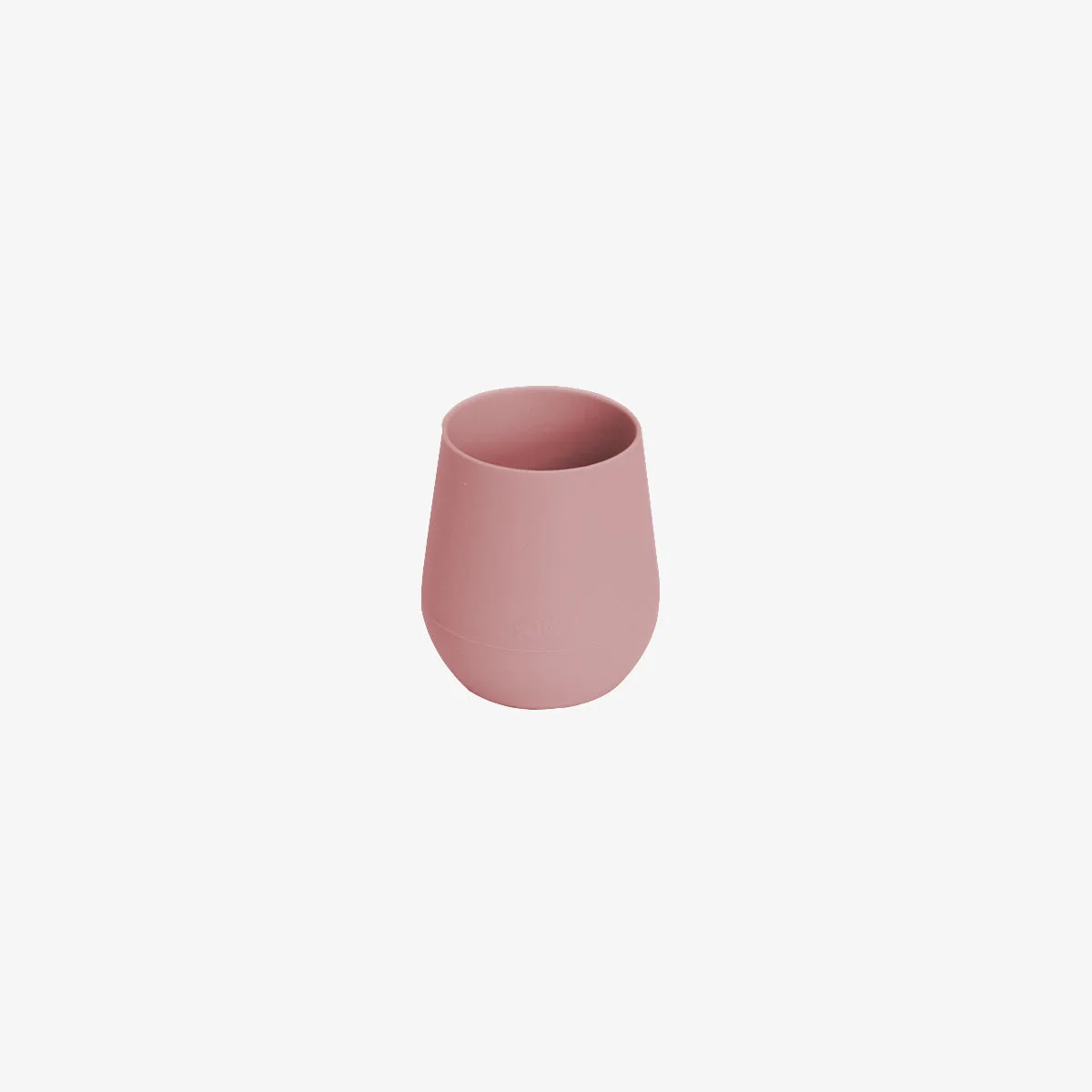
There are several types of baby cups, each designed for a specific age and skill level. Sippy cups with spouts are often the first step, but many experts recommend skipping them in favor of straw cups or open cups to promote healthier oral development. Straw cups encourage a more mature drinking pattern, while open cups help babies practice lip closure and coordination.
Training cups, like the Mini Cup + Straw Training System, are designed to bridge the gap between bottle and cup. They often come with a lid and straw or a spout, and they are sized perfectly for little hands. The Mini Cup + Straw Training System is a great example of a versatile training cup that grows with your baby.
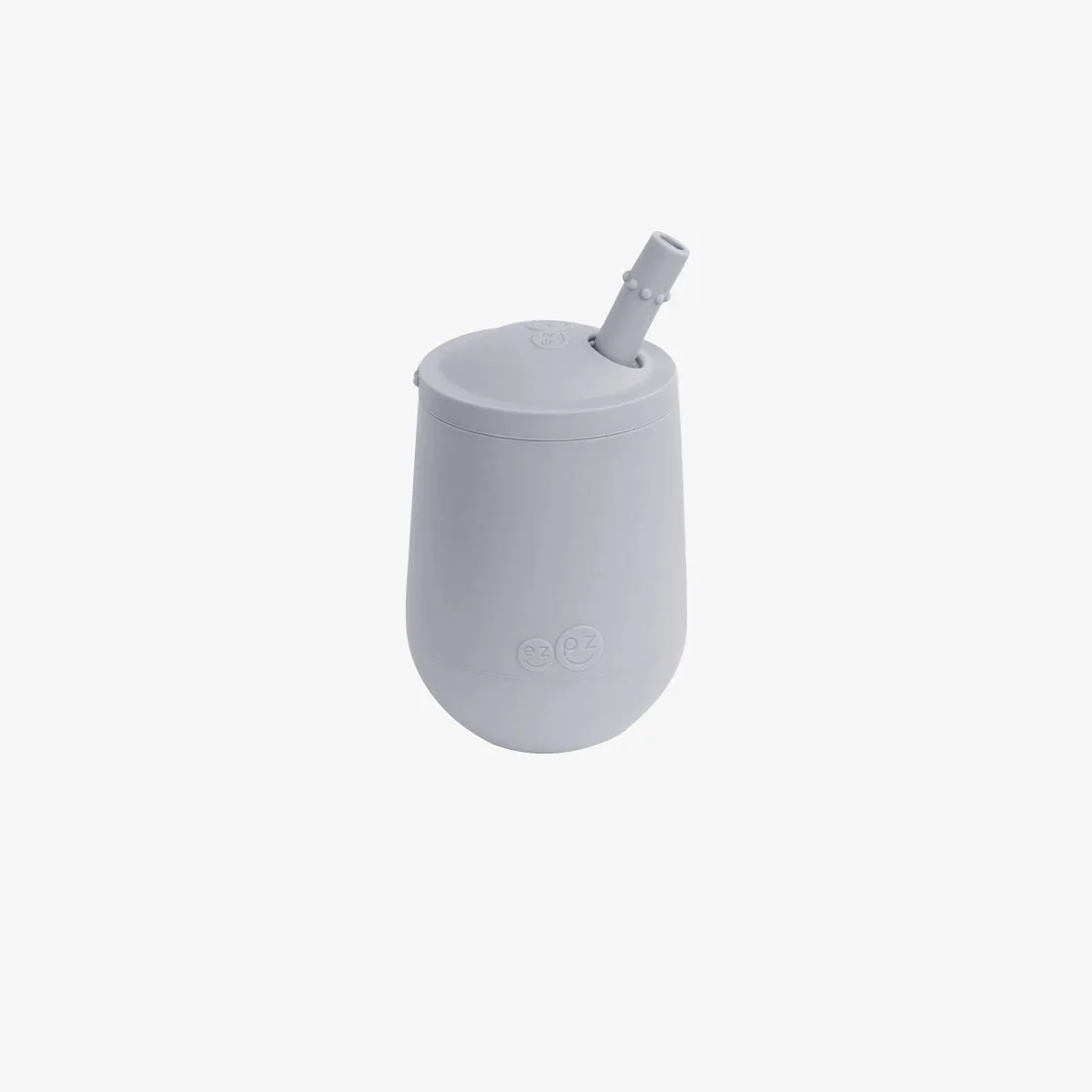
Mini Cup + Straw Training System
- Sippy cups: good for on-the-go but may affect oral development if used long-term.
- Straw cups: promote sipping and are better for teeth alignment.
- Open cups: ideal for older babies who can handle spills during practice.
When to Introduce Each Cup Stage
Around 6 months, you can introduce a straw cup or a training cup with a straw. This is when babies start sitting up and showing interest in drinking from a cup. The Mini Cup + Straw Training System is perfect for this stage because it has a weighted straw and a lid that prevents spills, making it easy for babies to practice without making a mess.
By 12 months, many babies are ready for an open cup, especially during mealtimes. Open cups allow babies to practice sipping and develop lip strength. You can start with a small, shallow cup filled with just a tiny amount of liquid. The Mealtime Plates set includes a cup that is the perfect size for toddlers, and it pairs well with the open cup drinking experience.
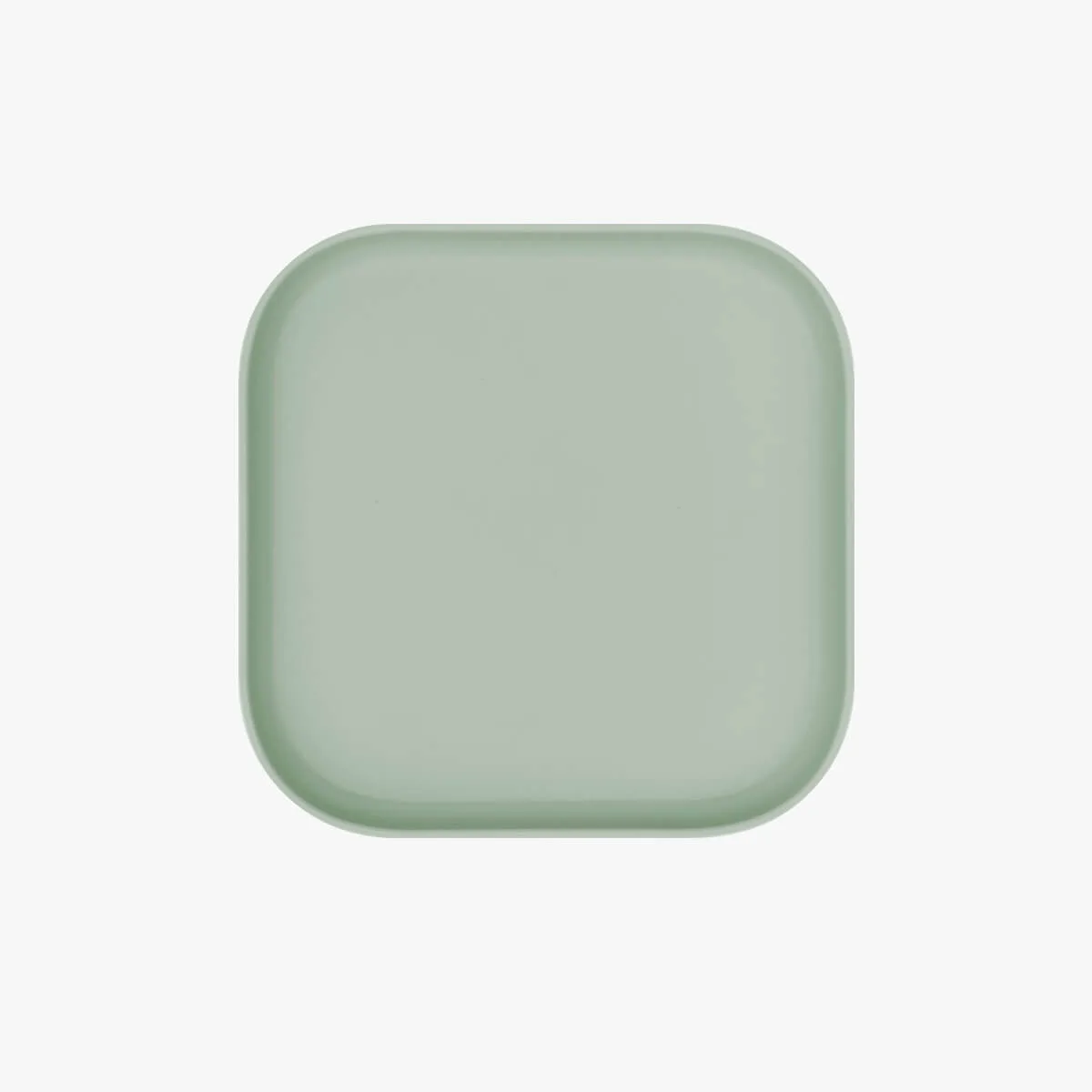
Mealtime Plates
- Start with a straw cup around 6 months.
- Introduce an open cup at meals around 12 months.
- Always supervise your baby when using an open cup.
Key Features to Look For in Baby Cups
When choosing a baby cup, consider the material, ease of cleaning, and durability. Look for cups that are BPA-free, phthalate-free, and made from food-grade silicone or stainless steel. Silicone cups are soft, flexible, and gentle on gums, while stainless steel cups are durable and keep liquids cool.
Also, think about the cup's design. Cups with handles are easier for babies to hold, and those with weighted straws allow drinking from any angle. The Mini Cup + Straw Training System has all these features, making it a top choice for parents. Additionally, consider cups that are dishwasher-safe for easy cleaning.
- Check for dishwasher-safe materials to save time.
- Opt for cups with a weighted straw to reduce spills.
- Ensure the cup has a lid to keep the straw clean when not in use.
Tips for Transitioning to Open Cups
Transitioning to open cups can be messy, but with patience and practice, your baby will get the hang of it. Start by offering an open cup with a small amount of water during meals. Hold the cup for your baby at first, then let them try on their own. Expect spills – it's all part of the learning process.
You can also use a cup with a straw as a stepping stone, as it teaches sipping skills that translate to open cups. The Mini Cup + Straw Training System is an excellent tool for this transition, as it allows your baby to practice sipping without the mess. Once your baby masters the straw, they'll be more confident with an open cup.
- Use a small, shallow cup to make it easier for your baby to tip.
- Offer water in an open cup at every meal to build consistency.
- Celebrate small successes to encourage your baby.
Choosing the right baby cup is an important step in your child's development. By understanding the different types and knowing when to introduce them, you can make mealtimes more enjoyable and support your baby's oral motor skills. Remember to look for cups that are safe, easy to clean, and suited to your baby's age. For a versatile and effective training cup, consider the Mini Cup + Straw Training System – it's designed to grow with your baby and make the transition to open cups a breeze.