When it comes to feeding your little one, having the right tools can make all the difference. A baby feeding kit is a curated collection of essential items designed to take your child from their first puree to self-feeding with confidence. But with so many products on the market, it's easy to feel overwhelmed. This guide breaks down what's typically included in a feeding kit, why investing in one is a smart move, and how to choose the perfect set for your baby's age and stage.
Whether you're a first-time parent or adding to your growing family, understanding the components of a feeding kit helps you avoid unnecessary purchases and ensures you have everything you need for stress-free mealtimes. From bowls and utensils to training cups and placemats, a well-rounded kit simplifies your routine and supports your baby's development. Let's dive into the essentials.
What Exactly Is a Baby Feeding Kit?
A baby feeding kit is a thoughtfully assembled set of feeding tools designed to cover your child's needs during the transition to solid foods. Unlike buying individual items, a kit ensures that all pieces work together harmoniously, often featuring matching designs and complementary functions. Typically, a kit includes items like bowls, plates, utensils, cups, placemats, and sometimes even storage solutions like wet bags.
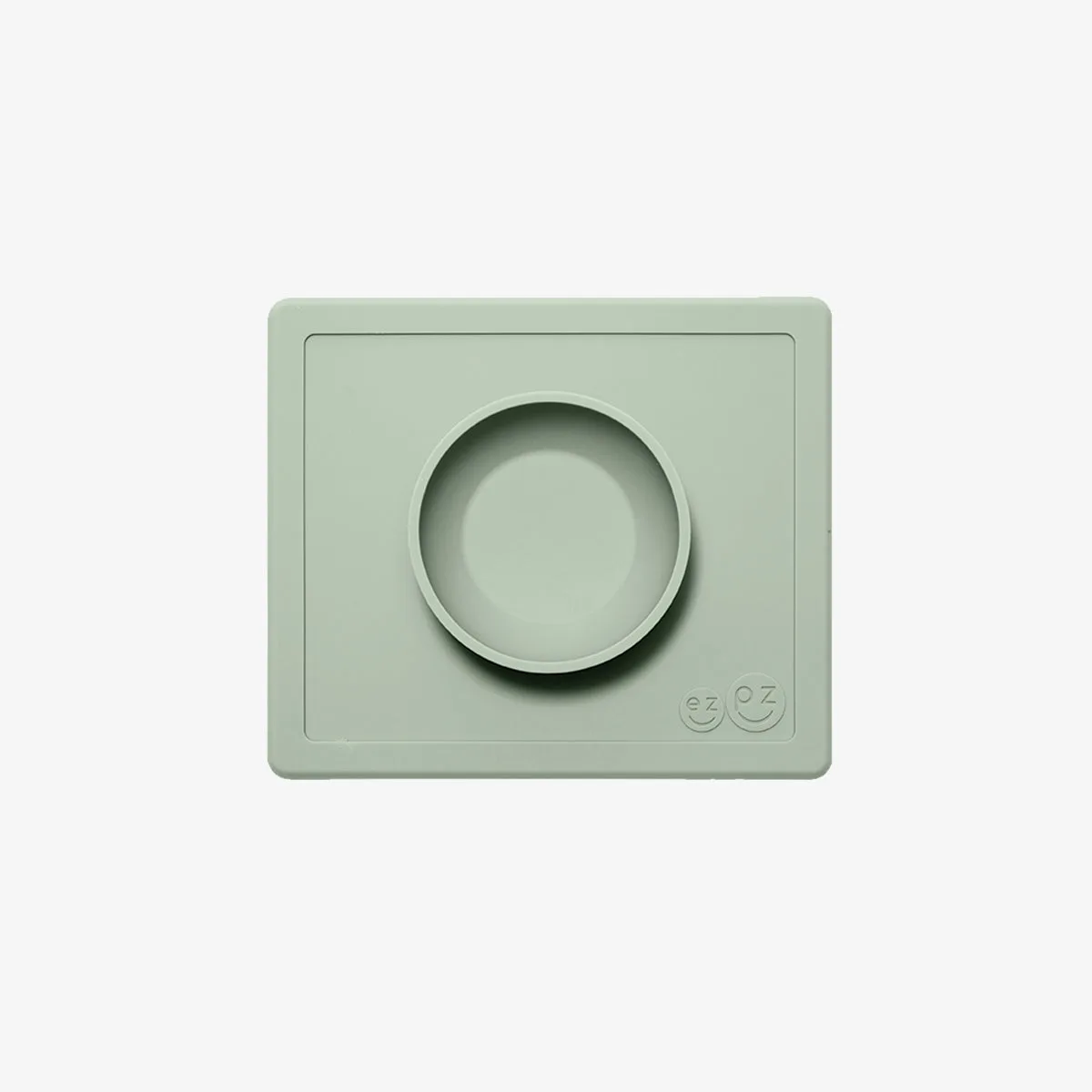
The beauty of a feeding kit is that it takes the guesswork out of shopping. Instead of researching each item separately, you get a complete package that's been tested and curated by experts. For example, the First Foods Set is a popular choice for beginners, offering a gentle introduction to self-feeding with easy-to-grip utensils and a suction bowl that stays put.
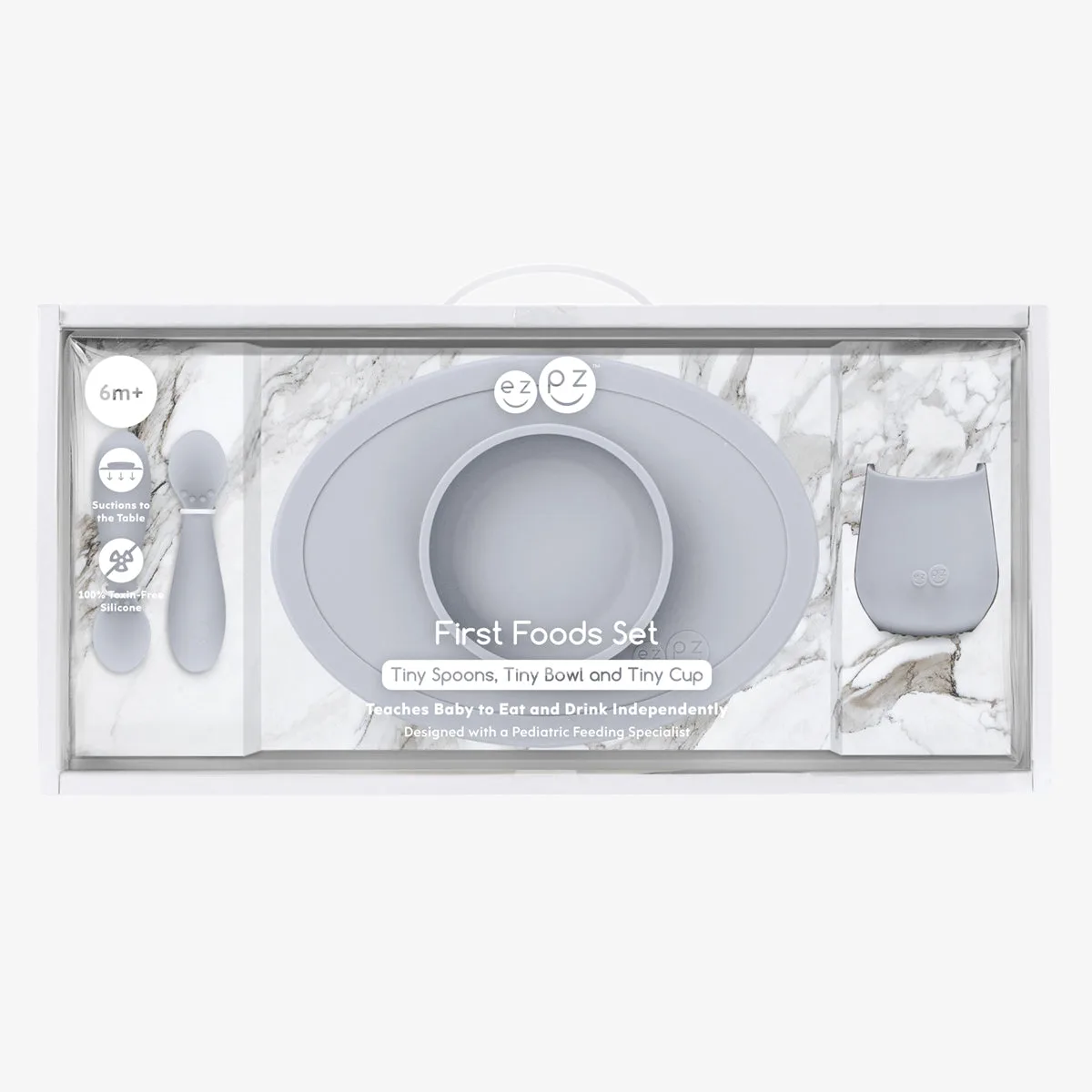
First Foods Set
- Kits often include age-appropriate items that grow with your child.
- They save time and money compared to buying items individually.
Key Components of a Comprehensive Feeding Kit
While kits vary, most include a core set of items that address the fundamental needs of baby feeding. Bowls and plates are essential, and many parents prefer silicone options that are durable, easy to clean, and gentle on gums. The 18oz Snack Bowls are a versatile addition, perfect for snacks or larger meals as your child grows.
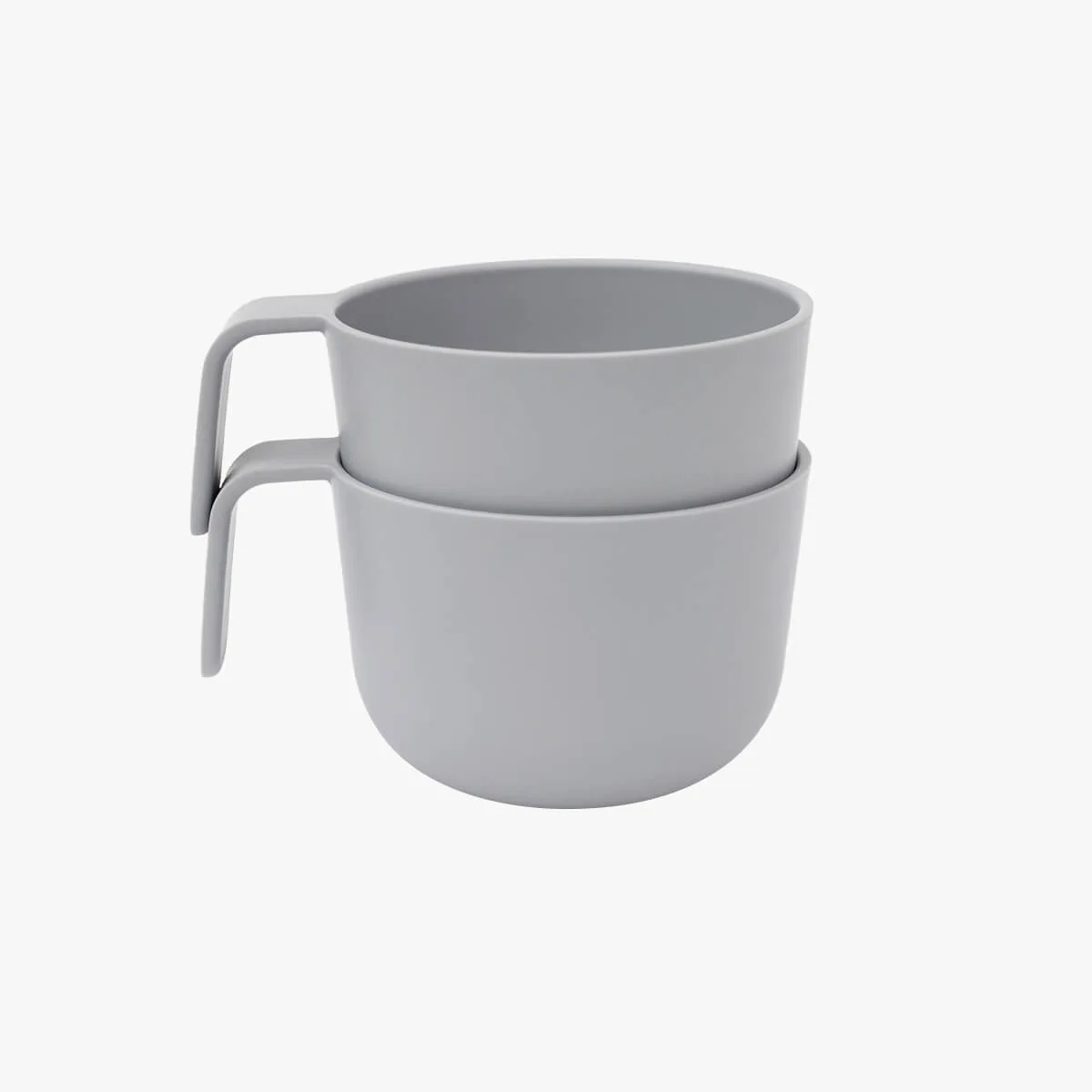
18oz Snack Bowls
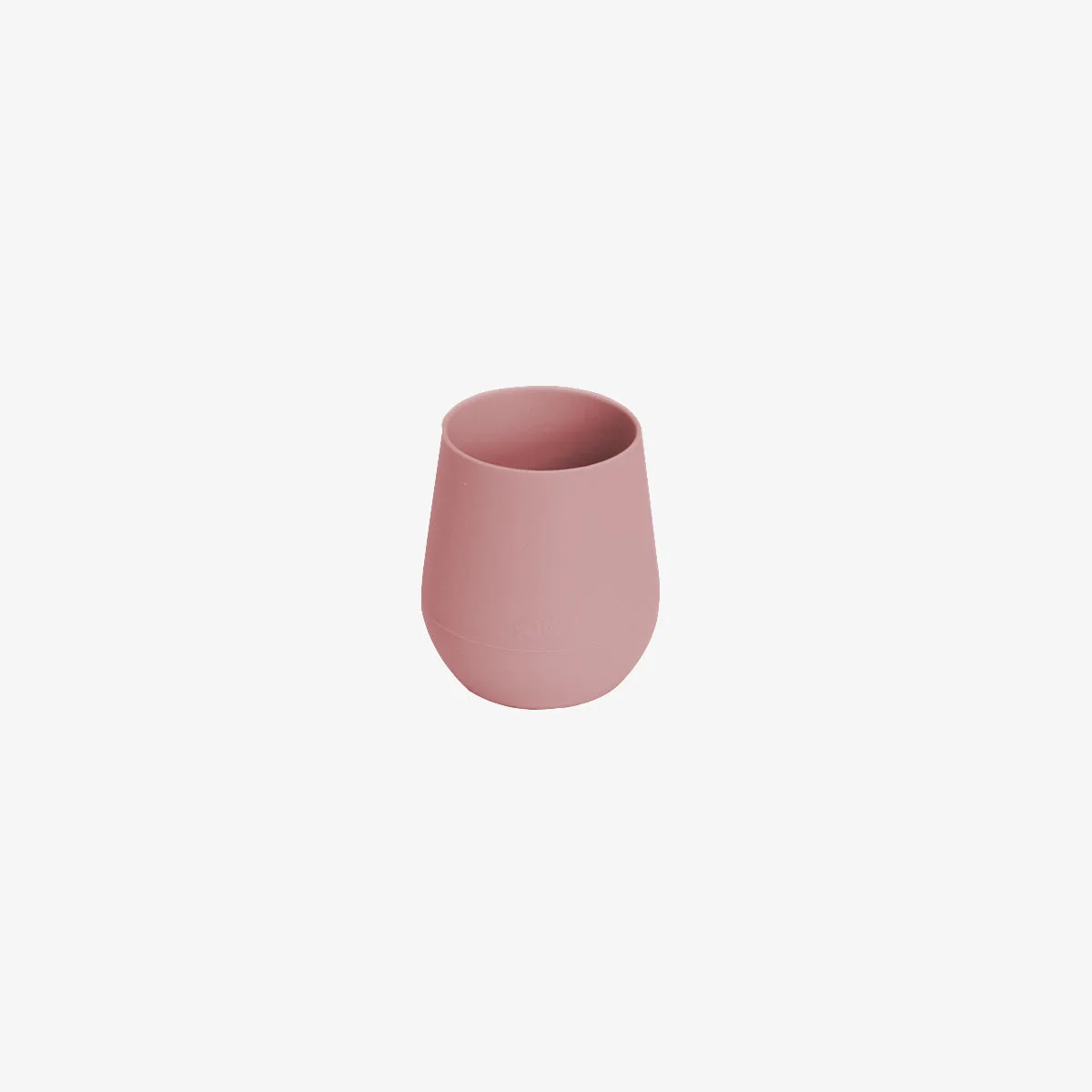
Utensils are another critical component. Baby-sized spoons and forks with soft, non-slip handles help little hands learn to self-feed. The Happy Utensils are designed with ergonomic grips that make them comfortable for small hands to hold and maneuver. Additionally, a training cup like the Happy Cup + Straw System helps transition from bottle to cup, promoting independent drinking skills.
- Look for kits that include a training cup to develop sipping skills.
- Silicone utensils are gentle on gums and safe for teething babies.
Why You Need a Baby Feeding Kit: Benefits for Parents and Baby
Investing in a baby feeding kit offers numerous advantages. For parents, it simplifies the decision-making process and ensures you have everything on hand when mealtime arrives. No more last-minute trips to the store or mismatched products that don't work well together. A kit provides a cohesive system that's easy to use and clean.
For babies, a feeding kit supports developmental milestones. Using age-appropriate tools encourages self-feeding, improves hand-eye coordination, and fosters independence. Kits like the Kit 3 - Practice Feeding Skills are specifically designed to help toddlers master the skills they need for successful self-feeding, making the transition to solid foods smoother and more enjoyable.
- A feeding kit reduces clutter by providing only what you need.
- It encourages your baby's independence and confidence at mealtimes.
How to Choose the Right Feeding Kit for Your Baby's Age
Feeding kits are often categorized by age to match your child's developmental stage. For babies starting solids (around 6 months), look for kits with soft-tipped utensils, shallow bowls, and easy-to-grip cups. As your child grows, you can transition to kits with more advanced tools, such as utensils with deeper spoons and cups with straws.
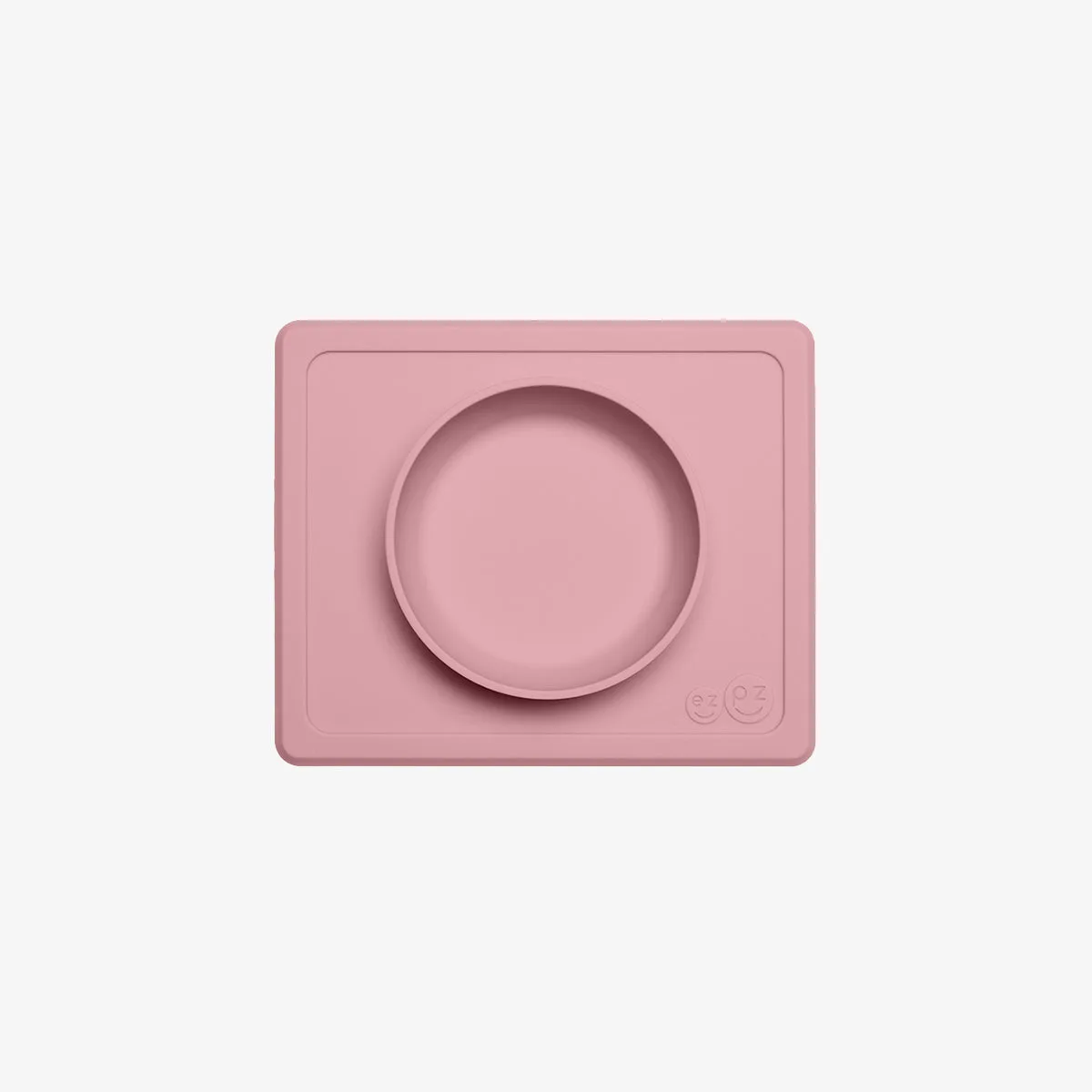
Consider your child's feeding style too. If you're practicing baby-led weaning, choose a kit that includes large, easy-to-hold pieces and suction bases to prevent tipping. The Mini Placemat is a great addition to any kit, providing a clean surface for self-feeding and catching spills. Always check the age recommendations on the kit to ensure it aligns with your baby's abilities.
- Match the kit to your baby's feeding stage, not just their age.
- Suction bases on bowls and plates help prevent messy spills.
Essential Accessories to Complement Your Feeding Kit
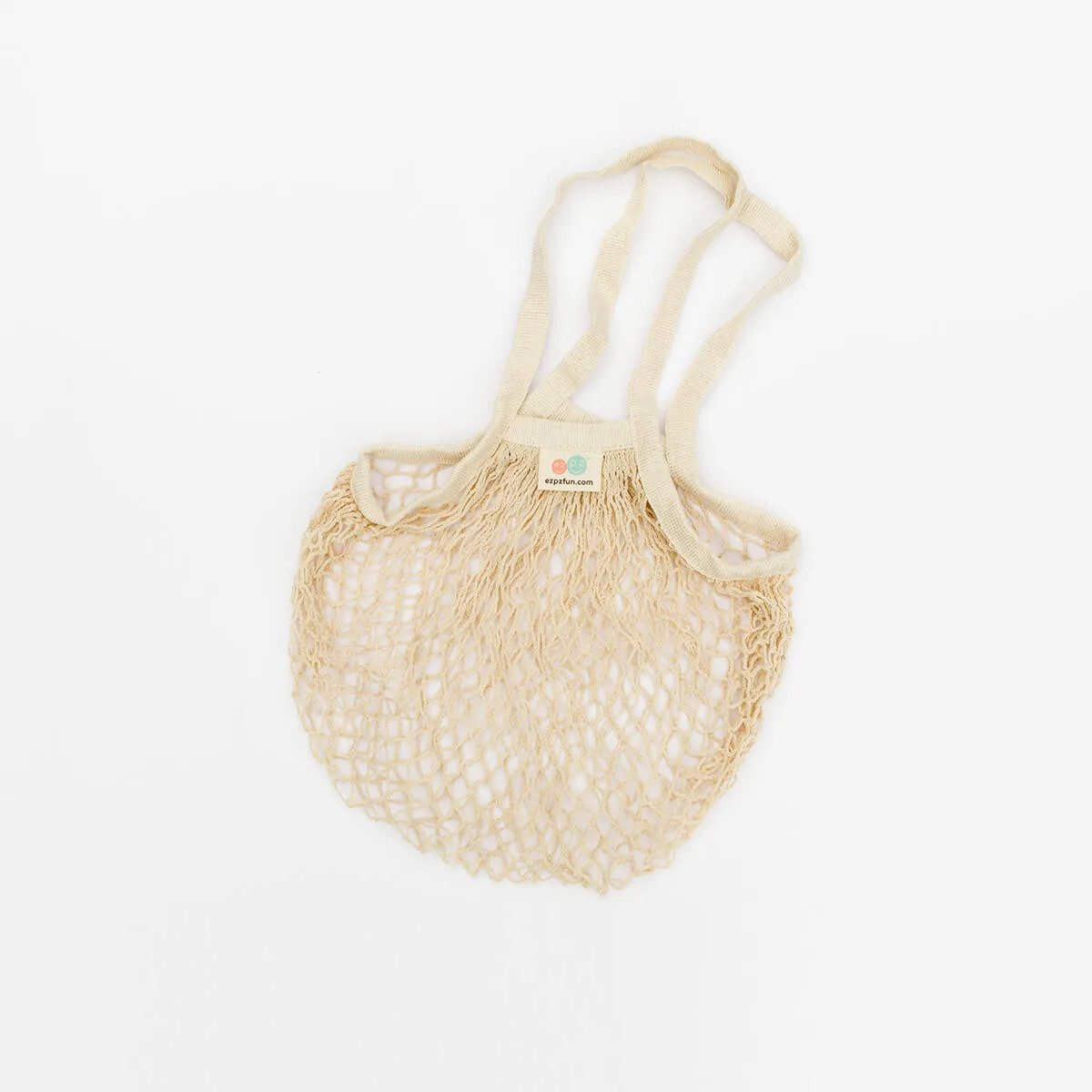
While a feeding kit covers the basics, a few extra accessories can enhance your mealtime experience. A good bib, like the BapronBaby® Bapron, protects your child's clothes and makes cleanup a breeze. For on-the-go feeding, the On the Go Wet Bag is perfect for storing dirty utensils and bibs when you're out and about.
Placemats are another useful addition, especially when dining away from home. The Mini Placemat provides a hygienic surface for your baby to eat on, and it's easy to wipe clean. These accessories complement your feeding kit and ensure you're prepared for any situation, whether at home or traveling.
- A waterproof bib saves time on laundry and keeps baby clean.
- A wet bag is a must-have for travel and eating out.
A baby feeding kit is more than just a collection of products—it's a smart investment in your child's development and your own peace of mind. By providing the essential tools for successful self-feeding, these kits simplify mealtimes and support your baby's growth. Ready to find the perfect kit for your little one? Explore the First Foods Set to get started on a positive feeding journey.