When setting a beautiful table, the focus often falls on dinnerware and glassware, but flatware is the unsung hero of any dining experience. The right flatware can elevate a simple meal into an occasion, while mismatched pieces can disrupt even the most carefully curated tablescape. Matching flatware with your dinnerware isn't just about aesthetics—it's about creating harmony in texture, weight, and style.
Whether you're a seasoned host or just starting to build your collection, understanding how to pair flatware with dinnerware can transform your table. This guide will walk you through key considerations, from material and finish to shape and occasion, so you can confidently choose pieces that complement your unique style.
Why Flatware and Dinnerware Matching Matters
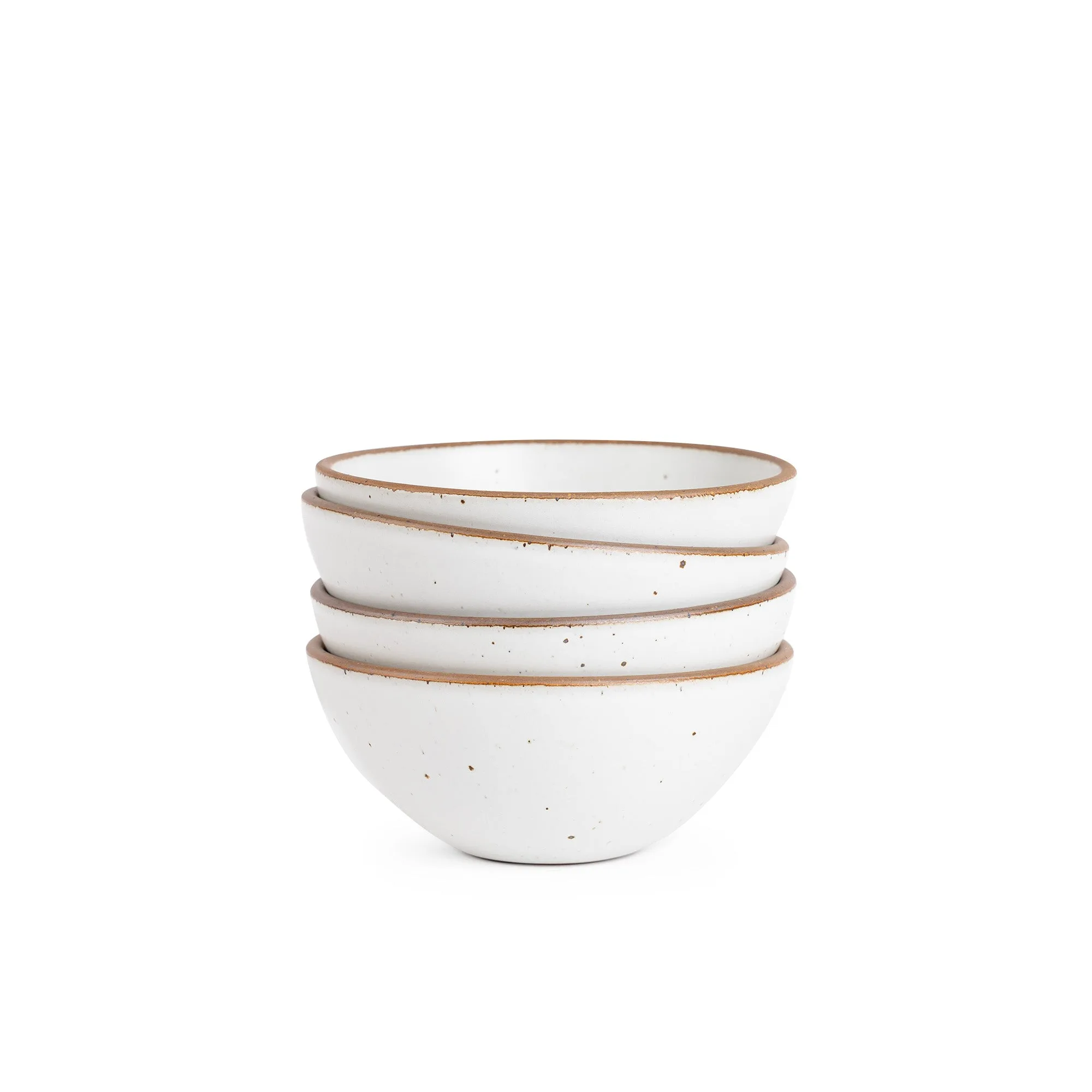
Flatware and dinnerware work together to set the tone for a meal. A rustic stoneware plate paired with sleek, modern flatware can create an intentional contrast, while traditional porcelain with ornate silverware feels timeless and formal. The goal is to achieve a balanced look that reflects your personal taste and the mood of the dining event.
Beyond visual appeal, the weight and feel of flatware affect the dining experience. Heavier forks and knives often pair better with substantial plates, while lightweight flatware suits delicate china. Considering these factors ensures every bite feels intentional and comfortable.
- Contrast can be as effective as matching—try matte black flatware with white porcelain for a modern edge.
- Always hold a piece of flatware against your dinnerware before purchasing to check visual and tactile harmony.
Understanding Flatware Styles and Materials
Flatware comes in a range of materials, each with its own character. Stainless steel is durable and versatile, making it a popular choice for everyday use. Silver-plated or sterling silver flatware adds elegance and is ideal for formal settings. For a more organic look, consider flatware with wooden or resin handles, which pairs beautifully with earthy dinnerware.
The finish also matters: polished flatware reflects light and feels classic, while matte or brushed finishes offer a contemporary vibe. Hammered textures add artisan appeal and can complement handmade pottery. When selecting flatware, think about how the material and finish interact with your dinnerware's glaze, pattern, and color.
- For a cohesive set, look for flatware that echoes the finish of your dinnerware—e.g., matte flatware with matte-glazed plates.
- Mixed metals are on trend: pair gold flatware with white or blush dinnerware for a warm, luxurious look.
Pairing Flatware with Dinnerware Shapes and Patterns
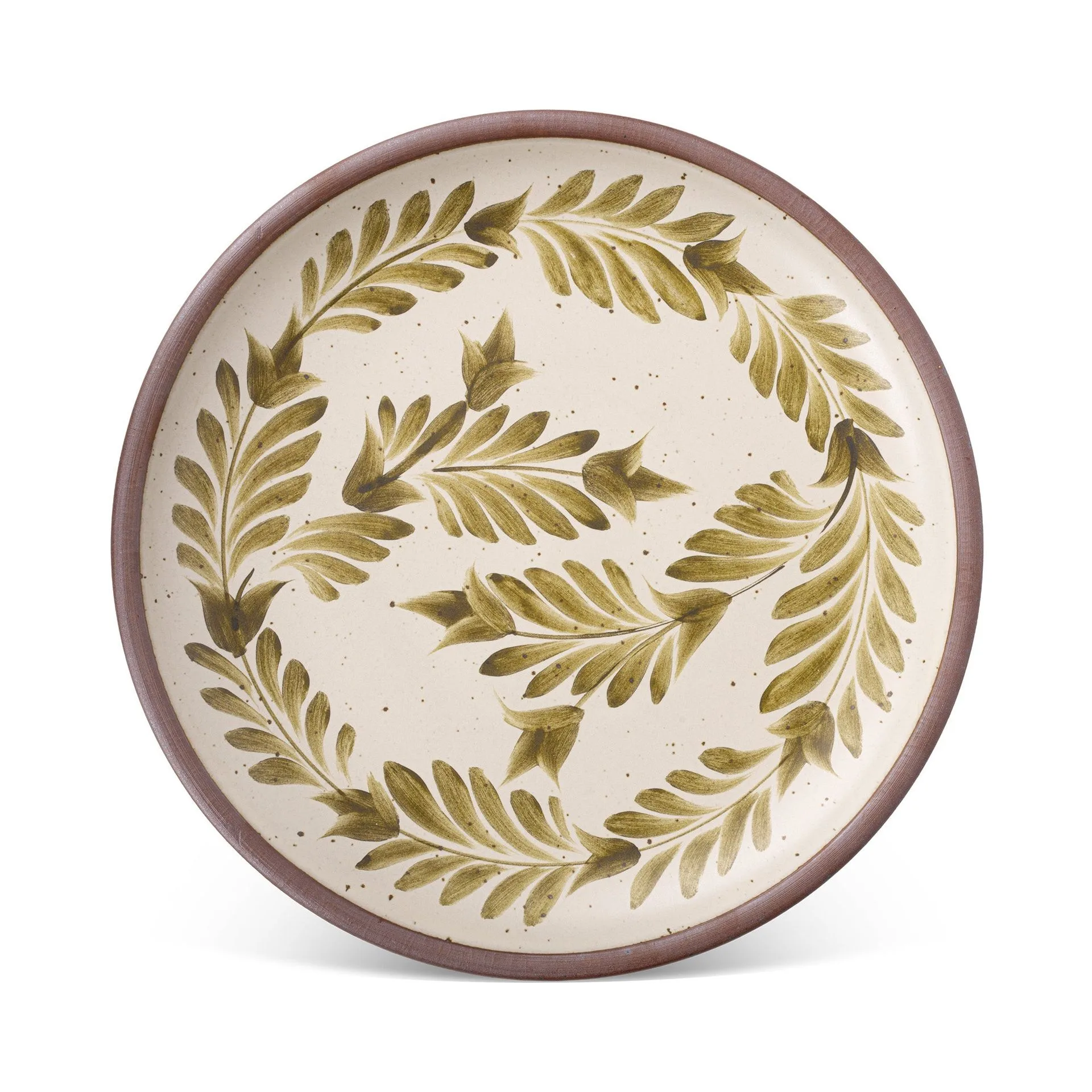
The shape of your dinnerware influences flatware choices. Round plates pair well with curved, soft-edged flatware, while square or angular plates call for straight, modern designs. If your dinnerware features intricate patterns or bold colors, opt for simpler flatware to avoid visual clutter. Conversely, plain dinnerware can be enlivened with statement flatware, such as pieces with sculptural handles or unique finishes.
Consider the scale as well. Oversized dinner plates benefit from larger forks and knives, while small appetizer plates are best matched with petite flatware. The La Tavola Aperitivo Flatware, 4-Piece Set offers a balanced size that works across a variety of plate shapes, making it a versatile choice for both casual and formal tables.
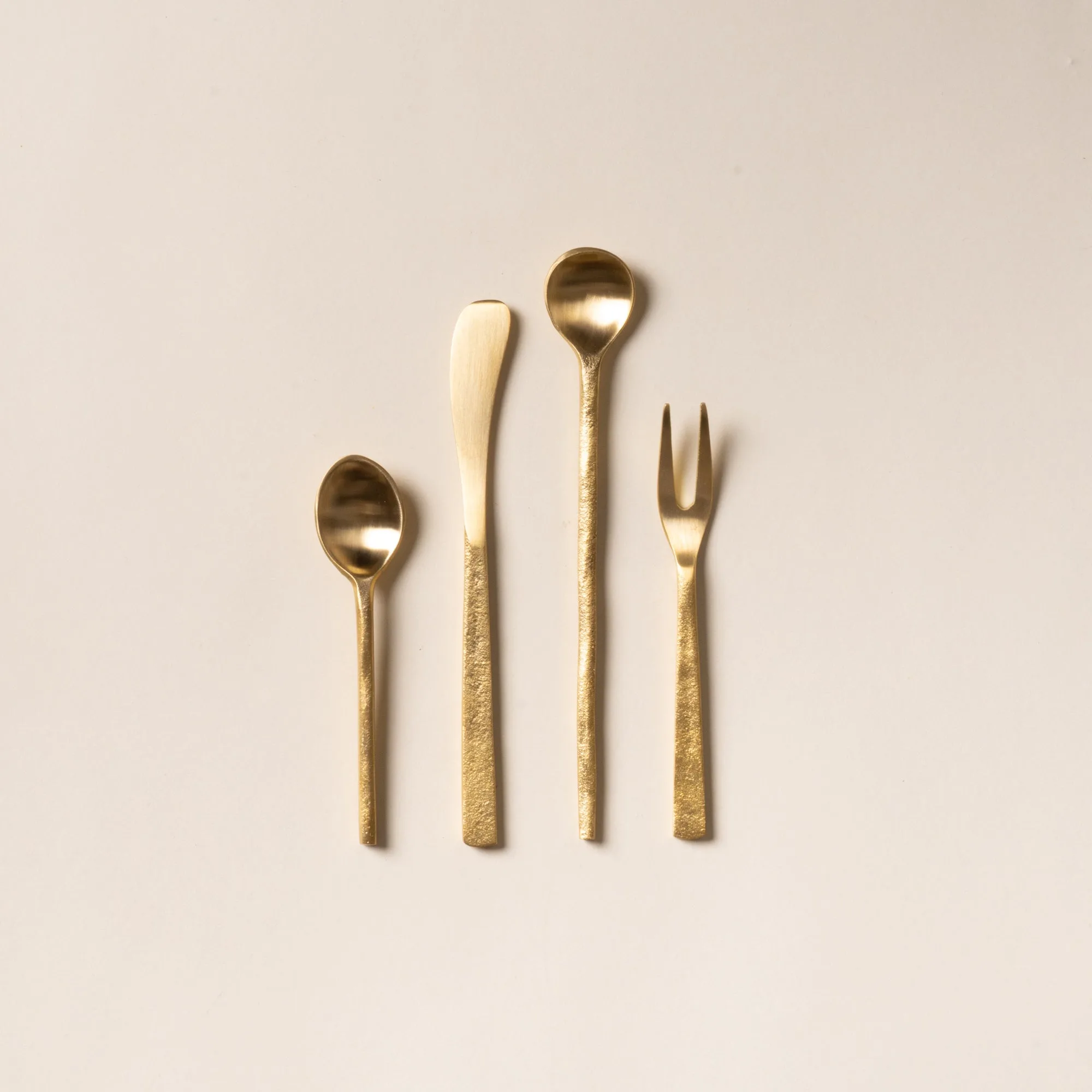
La Tavola Aperitivo Flatware, 4-Piece Set
- Test the proportion by laying a fork across the plate—it should extend to about two-thirds of the plate's diameter.
- For patterned dinnerware, choose flatware with a simple silhouette to let the plates shine.
Creating Cohesive Table Settings for Every Occasion
Your table setting should reflect the occasion. For everyday meals, durable stainless steel flatware paired with stoneware or ceramic dinnerware creates a relaxed, inviting look. Holiday dinners call for more formal pairings, such as silver-plated flatware with fine china. Outdoor gatherings benefit from flatware with sturdy construction and easy-to-clean finishes.
Don't forget the power of accessories to tie the look together. A well-chosen tablecloth can bridge the gap between flatware and dinnerware. The Canyon Tablecloth adds a natural, earthy texture that complements both rustic pottery and sleek modern flatware, making it a versatile foundation for any tablescape.
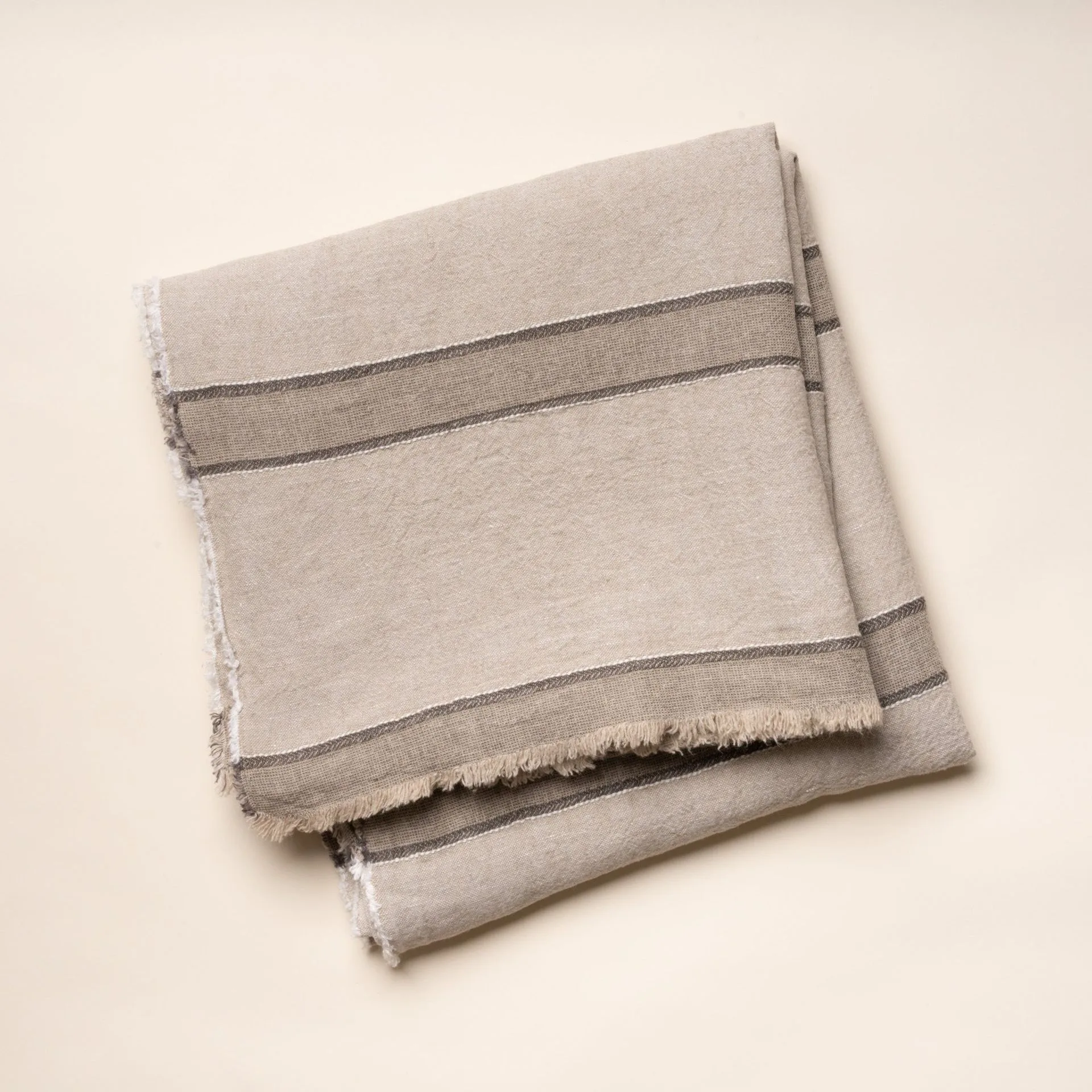
Canyon Tablecloth
- Layer textures: pair smooth flatware with rough-hewn dinnerware for depth.
- Use napkin rings or placemats to echo the metal or color of your flatware.
Tips for Mixing and Matching Flatware Sets
You don't need a matching set of flatware to create a stunning table. Mixing different patterns and finishes can add personality, especially for casual or eclectic gatherings. The key is to maintain a unifying element, such as all pieces having a similar weight or handle shape. Start with a base set and add accent pieces—like a unique serving spoon or salad fork—to create visual interest.
When mixing, limit yourself to two or three styles to avoid chaos. For example, pair classic stainless steel forks with brass-handled knives for a subtle contrast. The French Bistrot Cheese Knife can serve as an accent piece that adds character without overwhelming the set.
- Stick to a consistent metal tone (e.g., all silver or all gold) when mixing patterns.
- Use a neutral dinnerware palette to allow mixed flatware to stand out.
Matching flatware with your dinnerware is an art that blends personal style with practical considerations. By understanding materials, shapes, and occasions, you can create tablescapes that feel both intentional and inviting. Ready to elevate your dining experience? Explore the La Tavola Aperitivo Flatware, 4-Piece Set to find a versatile foundation for your next gathering.