Quick Answer
A complex acne case is one that does not clear with a consistent, well-formulated home routine and professional treatments. These cases often involve hormonal drivers, medication side effects, or multiple acne types presenting at once. If your skin has not improved after 8–12 weeks of consistent care, it is time to have a licensed professional assess whether a deeper analysis and customized plan are needed.
What Makes an Acne Case Complex?
Complexity is not about severity alone. A few large, deep cysts can be complex, while widespread surface breakouts may respond quickly to the right routine. What makes a case complex is the number of contributing factors and how they interact. Common complexity markers include: breakouts that appear in waves tied to a monthly cycle, acne that began or worsened after starting a new medication, lesions that are deep and painful rather than superficial, and skin that reacts poorly to standard acne ingredients like benzoyl peroxide or salicylic acid.
Another marker is resistance to change. If you have been consistent with a professional-strength routine for three months and see no meaningful improvement, the original diagnosis or approach likely missed something. That is not a reason to try ten new products. It is a signal to step back and analyze the full picture: hormonal history, lifestyle factors, previous treatments, and the specific behavior of the skin.
Hormonal Acne vs. Cystic Acne: What Is the Difference?
These terms are often used interchangeably, but they describe different things. Hormonal acne refers to breakouts driven by androgen fluctuations. It typically appears along the jawline, chin, and lower cheeks, and often flares before or during a menstrual cycle. Cystic acne describes the type of lesion: deep, inflamed, and painful nodules that form below the surface. You can have hormonal acne that is mostly superficial, or cystic acne that is not hormonal at all.
The distinction matters because treatment differs. Hormonal acne may need internal evaluation or targeted topical support that addresses the cycle-related pattern. Cystic lesions are more likely to scar and often require a gentler, more strategic approach to avoid pushing inflammation deeper. A professional can help you identify which pattern you are dealing with and whether your current routine is appropriate for it.
Why Acne Treatment Fails: Common Reasons
Most treatment failures come down to one of four issues: the wrong active for the type of acne, too many irritating products used at once, not enough time given for a consistent routine to work, or an underlying medical factor that topicals cannot address. For example, using a strong benzoyl peroxide product on deep cystic lesions may increase dryness and irritation without resolving the root cause. Similarly, stopping and starting products every few weeks prevents any real assessment of what works.
Another frequent problem is treating only the surface. If breakouts are driven by hormonal shifts or a medication, no amount of cleansing and spot treating will fully clear them. That is when a professional acne case review becomes valuable. It can distinguish between a routine that needs adjustment and a case that needs medical collaboration.
When Should You See a Professional for Acne?
See a licensed esthetician or dermatologist if you have deep, painful lesions that feel like they are under the skin, if you are noticing early scarring or dark marks that persist after breakouts heal, if your acne began after starting a new medication, or if a consistent home routine has not improved your skin in 8–12 weeks. Professionals can perform a detailed skin analysis, review your history, and determine whether your case requires a customized acne care plan or a referral for medical evaluation.
For licensed professionals looking to deepen their skills with complex cases, advanced training exists. Face Reality Skincare offers a live online course, Acne Fundamentals Part III: Complex Acne Cases, taught by experienced instructors. It covers multi-factorial and resistant acne, including hormonal, adult-onset, and medication-induced cases, and how to build customized care plans.
Complex Acne Case FAQ
How long should I try a routine before deciding it failed?
Give a consistent, professionally guided routine at least 8–12 weeks. Skin turnover and inflammation resolution take time. If you see no change at all after 12 weeks, it is reasonable to seek a case review. Track your progress with photos every two weeks to make an informed decision.
Can I treat hormonal acne with topicals alone?
Topicals can manage surface breakouts and inflammation, but hormonal acne often has an internal driver. A professional may recommend a combination of topical care and medical evaluation. If breakouts consistently flare with your cycle, mention it to your esthetician or doctor.
What should I bring to a professional acne consultation?
Bring a list of all products you currently use, any medications (including birth control or supplements), photos of your skin at its worst, and a timeline of when breakouts started or changed. The more context you provide, the more accurate the customized plan will be.
Product and Training Facts
- Acne Fundamentals Part III: Complex Acne Cases: Acne Fundamentals Part III: Complex Acne Cases is an online Zoom class on Monday, August 17th, 2026, 9:30–11 AM PDT. It is non-refundable and for licensed professionals only. The course examines multi-factorial and resistant acne cases, including hormonal, adult-onset, and medication-induced acne. This advanced course is designed for estheticians who want to interpret skin behavior and build customized care plans for clients whose acne has not responded to standard approaches.
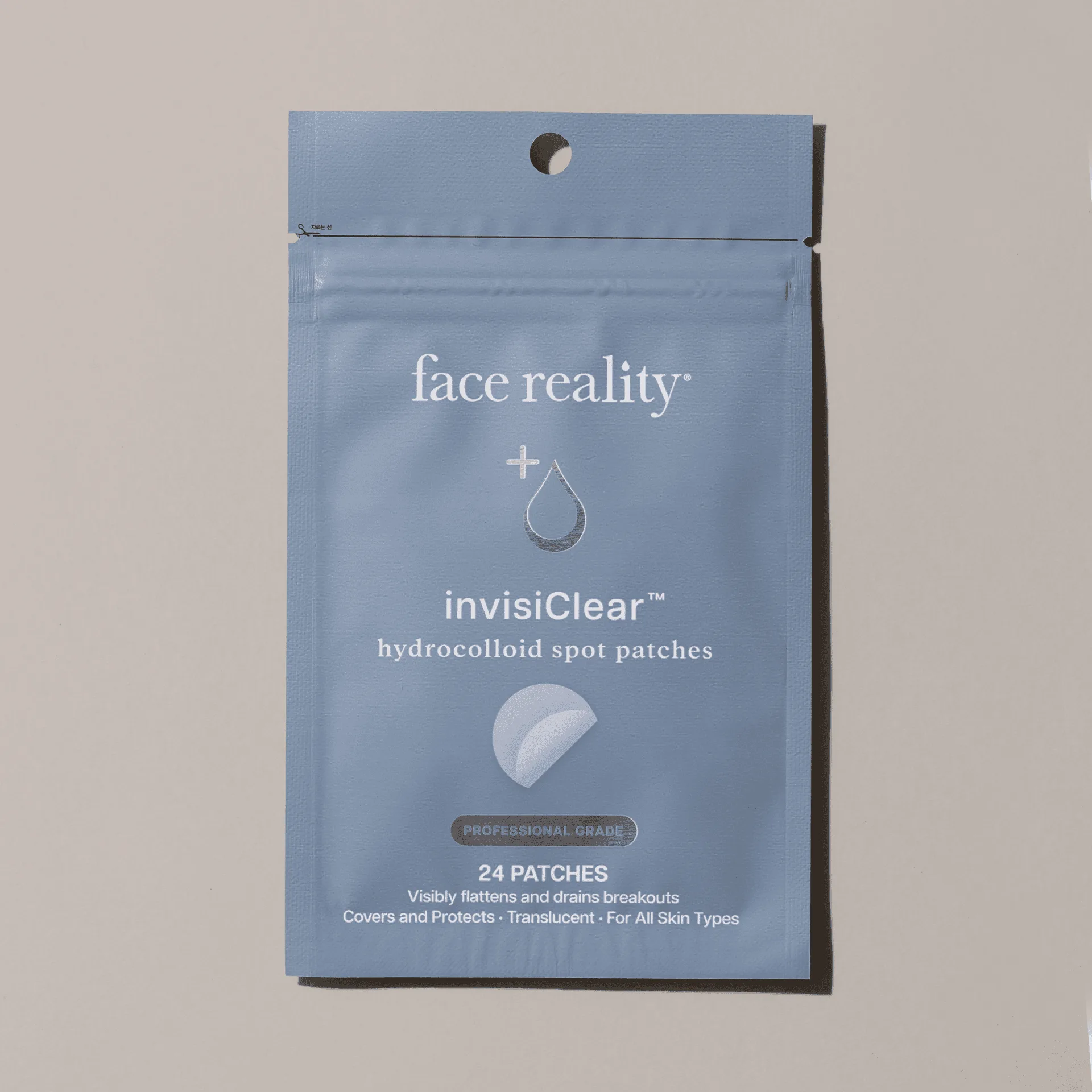
- invisiClear™ Hydrocolloid Spot Patches: invisiClearTM Hydrocolloid Spot Patches are professional-grade patches that act as a transparent aid to drain, absorb moisture and pus, and flatten pustules and papules. They also help prevent picking and protect skin from external aggressors and debris. For complex cases where picking can worsen scarring, these patches offer a practical way to support healing and reduce hands-on irritation between professional treatments.