Quick Answer
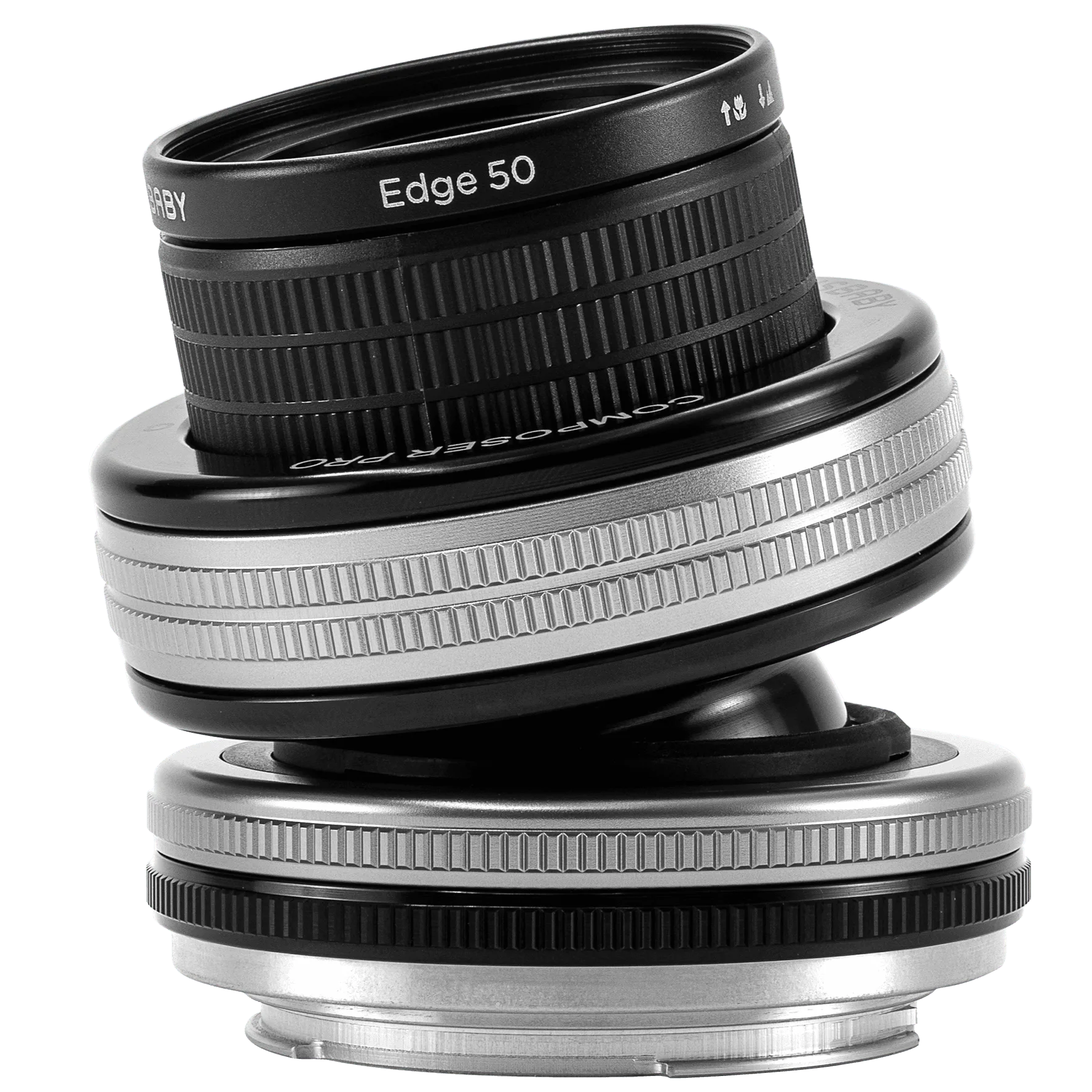
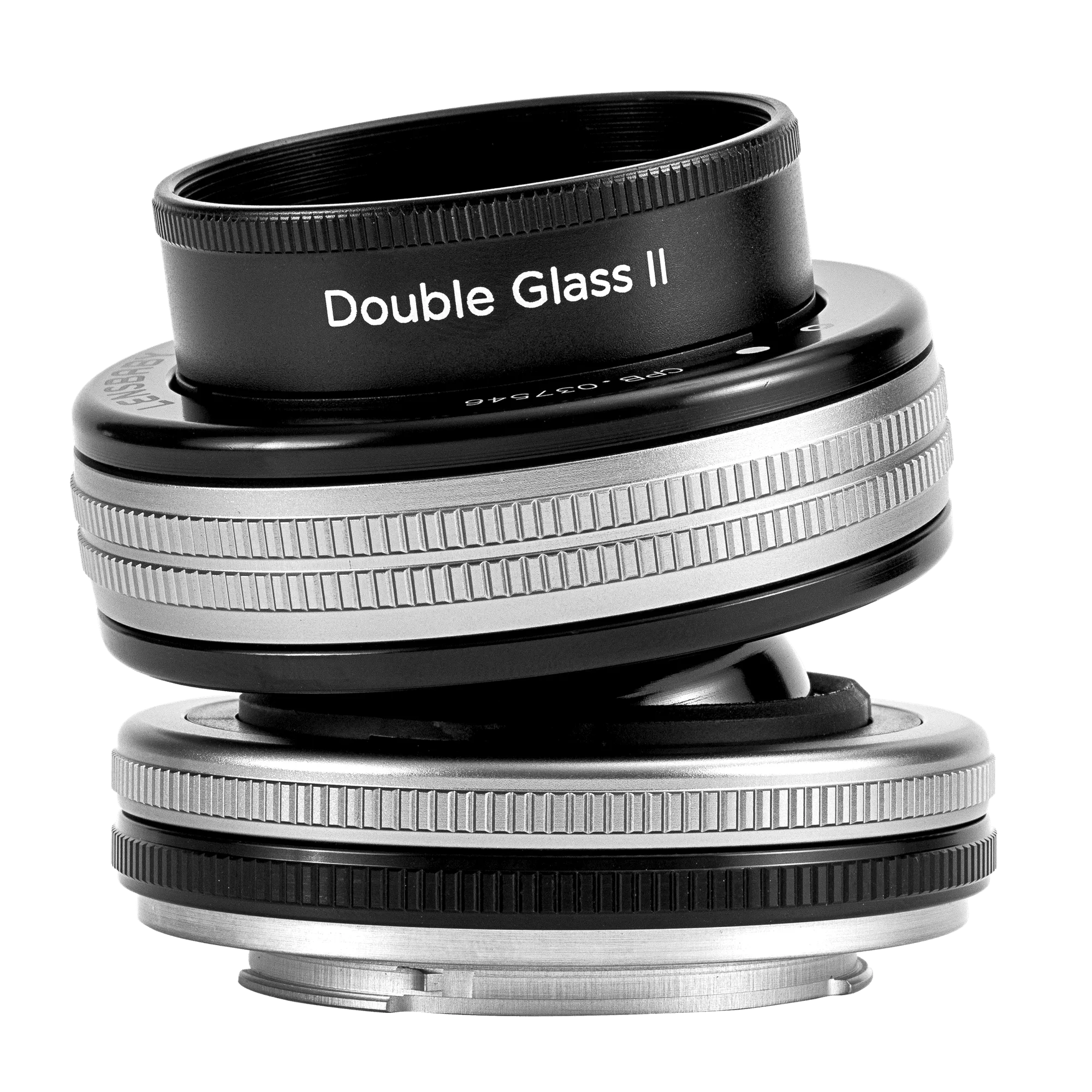
Choose the Composer Pro II + Edge 50 if you want a sharp, flat-field optic that gives precise control for portraits and detail shots. Choose the Composer Pro II + Double Glass II if you prefer a softer, dreamier look with creative aperture shapes for artistic effects. The Edge 50 is sharper and more versatile for everyday photography, while the Double Glass II offers more creative bokeh.
Understanding the Composer Pro II Body
The Composer Pro II is a versatile lens body with a tilt mechanism that lets you control the plane of focus. It is compatible with all Lensbaby Optic Swap System lenses, so you can swap optics to achieve different creative effects. The body is robust and metal, providing smooth, fluid focusing.
Optics: Edge 50 vs Double Glass II
The Edge 50 optic is a 50mm f/3.2 flat-field lens that produces sharp focus across a flat plane, ideal for isolating subjects with a sharp focus line. The Double Glass II is a 50mm optic with an aperture range of f/2.5 to f/22 and features a 12-blade manually adjustable aperture. It also includes nine specialty drop-in magnetic aperture disks that modify out-of-focus areas with organic and geometric designs.
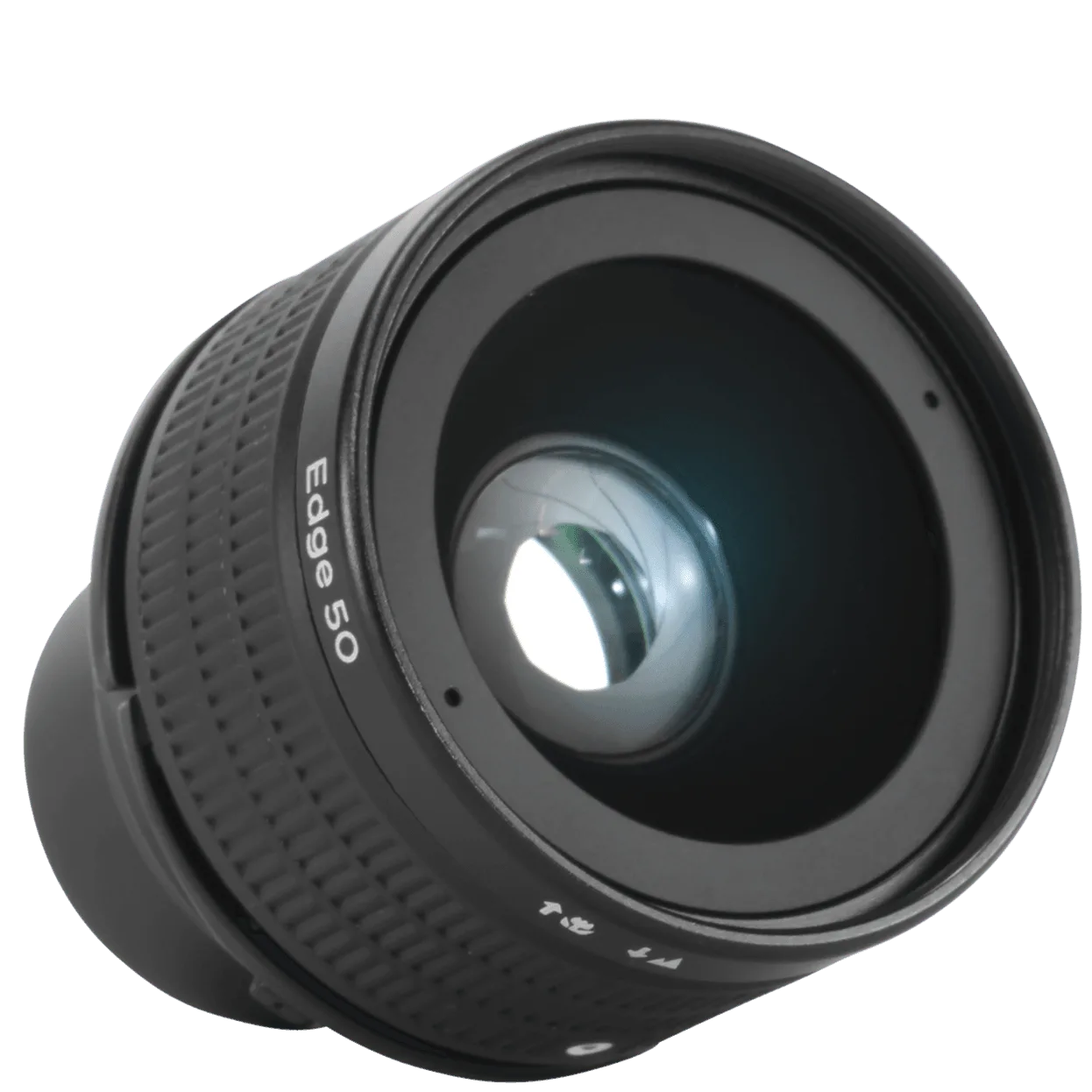
Edge 50 optic
The Edge 50 is better for photographers who want tack-sharp images with a clear focus point, while the Double Glass II is designed for creative bokeh and artistic effects. The Edge 50 has a fixed aperture range starting at f/3.2, while the Double Glass II offers a wider f/2.5 and the ability to change aperture shapes.
Deciding Based on Your Photography Style
Think about the subjects you shoot most. For portraits, street, and travel photography where you want sharp details and precise focus control, the Edge 50 is a strong choice. For fine art, creative close-ups, or when you want to experiment with bokeh shapes, the Double Glass II gives you more flexibility with its aperture disks.
Both options use the same Composer Pro II body, so you can start with one optic and later expand with the Optic Swap System. This makes the choice less permanent and more about which look you want first.
Trade-Offs at a Glance
- Sharpness vs. Softness: The Edge 50 delivers sharp, flat-field focus, while the Double Glass II offers a softer look, especially wide open at f/2.5. Decide whether you want crisp details or dreamy effects. If sharpness is your priority, choose Edge 50; for soft-focus artistry, go with Double Glass II.
- Aperture Flexibility: The Double Glass II has a 12-blade aperture and nine drop-in disks for creative bokeh, while the Edge 50 has a simpler aperture range starting at f/3.2. Double Glass II offers more creative control; Edge 50 is simpler and more straightforward.
- Cost and Versatility: The Composer Pro II + Edge 50 is priced at USD 295.96, while the Composer Pro II + Double Glass II is USD 221.97. Both use the same body, so you can swap optics later. If budget is a concern, start with Double Glass II; if you need sharpness, invest in Edge 50.
Product Facts
- Composer Pro II + Edge 50: The Composer Pro II provides smooth, fluid focusing with its robust metal body and tilt mechanism, allowing you to isolate your subject with the sharp Edge 50 Optic. Featuring a 50mm focal length and an aperture range of f/3.2. This combo is ideal for photographers who want precise control over focus and tack-sharp results, making it great for portraits and detail shots.
- Composer Pro II + Double Glass II: The Double Glass II 50mm optic offers an aperture range of f/2.5 to f/22 and includes nine specialty drop-in magnetic aperture disks, featuring organic and geometric designs, crafted by visual artists to modify out-of-focus areas. The interchangeable aperture disks let you customize bokeh shapes, adding a creative touch to backgrounds without extra post-processing.
Which Should You Choose?
Best for
- Portrait photographers who want sharp, precise focus isolation
- Street and travel photographers who need a compact, versatile tilt lens
Not for
- Photographers who want creative bokeh shapes and softer effects without post-processing