Quick answer
Store compostable coffee pods in an airtight container away from heat, moisture, and strong odors, and use them within a few months for the best flavor. For disposal, check whether your local council accepts them in food waste, or break the pods open and add the grounds and wrapper to a home compost bin. If neither option works, put them in general waste — they will still break down faster than plastic pods.
Why compostable pods need different storage
Compostable pods are designed to break down, which means their packaging is more sensitive to its environment than the aluminium or plastic capsules you might be used to. The same properties that let them compost also make them vulnerable to humidity and air. If you leave them in a steamy kitchen or a warm cupboard, they can start to degrade before you brew them.
The fix is simple: treat them like fresh coffee. Keep the pods in their original box or transfer them to a sealed container, and store that container in a cool, dry spot — not above the kettle, not next to the oven, and not in the fridge. Whole beans and ground coffee have similar needs, and the same logic applies here.
Do compostable pods expire?
Yes, they do — but the date on the box is about quality, not safety. Compostable pods are usually stamped with a best-before date that reflects how long the roaster expects the coffee to taste its best. After that date, the coffee won't make you ill, but it will taste flatter and less aromatic. If you buy a subscription, you'll typically receive pods in smaller, more frequent shipments, which helps you avoid a cupboard full of old stock.
A good rule of thumb: use compostable pods within three to six months of the roast date for the brightest flavor. If you're not sure when they were roasted, check the box — most specialty roasters print a roast date or a best-before date. If the pods have been sitting open for weeks, expect a duller cup.
How to dispose of compostable pods at home
Disposal depends on your local waste system. Some councils accept compostable coffee pods in food waste collections, but many don't — so check your council's website before tossing them in the bin. If your area doesn't collect them, you have two main options: home composting or general waste.
For home composting, break the pod open and empty the grounds into your compost bin. The used coffee grounds are a good source of nitrogen, and the pod itself — if it's certified compostable — will break down over time. Tear or cut the pod into smaller pieces to speed things up. If you don't have a compost bin, put the pods in your general waste. They won't compost in landfill, but they will still degrade faster than plastic.
Keeping pods fresh when you buy in bulk
If you order a subscription or a large box, you'll have pods on hand for months. That's convenient, but it means storage matters more. Keep unopened boxes sealed until you're ready to use them, and only open one box at a time. Once a box is open, reseal it or move the pods to an airtight jar. Avoid transferring them to a clear container on a sunny windowsill — light and heat are the enemies here.
If you're buying a gift subscription, the recipient gets the same benefit: smaller, regular deliveries mean less chance of stale pods. It's a practical way to enjoy compostable pods without worrying about shelf life.
Diagnosis: common pod problems and fixes
- Pods feel soft or damp: They've absorbed moisture from a humid kitchen or a spot near the kettle. Move them to an airtight container in a dry cupboard. If the pods are already damp and smell musty, discard them — the coffee won't taste right.
- Coffee tastes flat or papery: The pods are past their best-before date or have been exposed to air for too long. Check the date on the box and use older pods first. For the best flavor, use compostable pods within three to six months of the roast date.
- Pods aren't breaking down in your compost: Home compost piles often don't get hot enough for some compostable materials. Tear the pods into smaller pieces and mix them into the pile. If they still don't break down after a few months, your council's food waste collection or general waste is the next best option.
Products that fit this routine
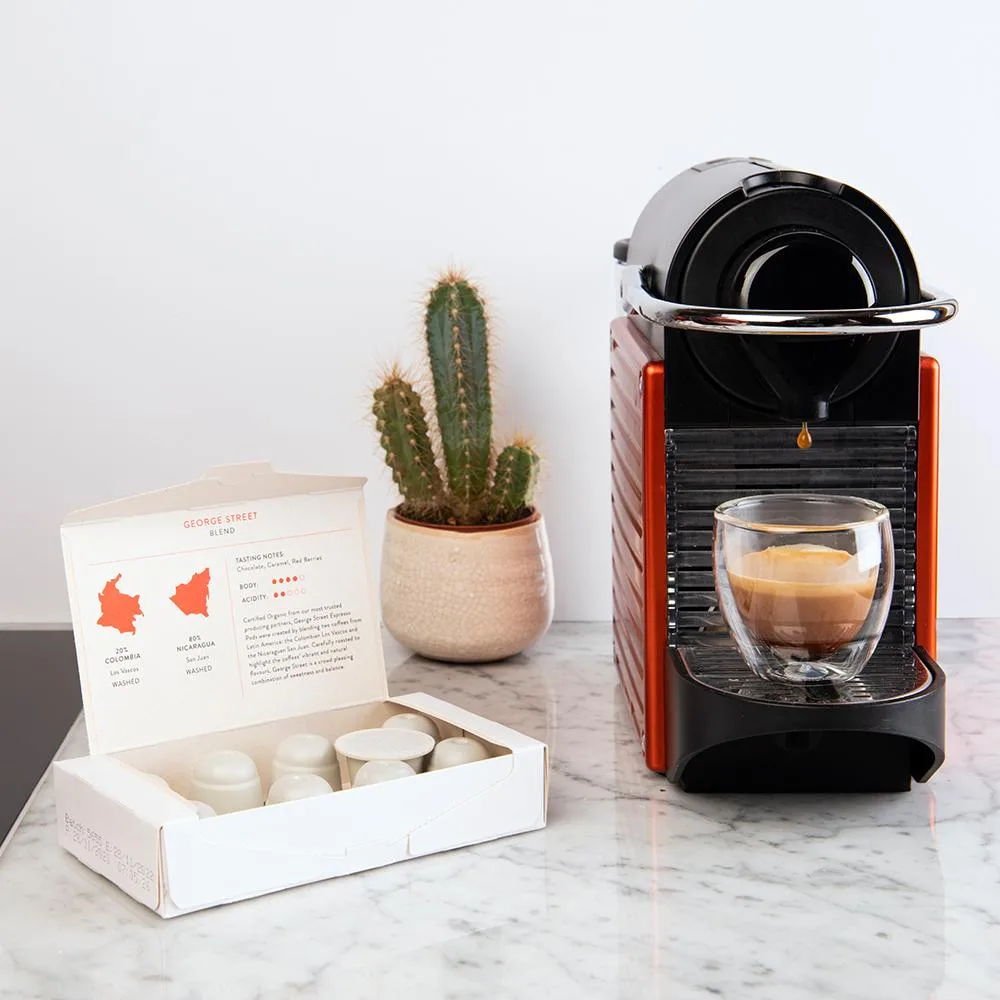
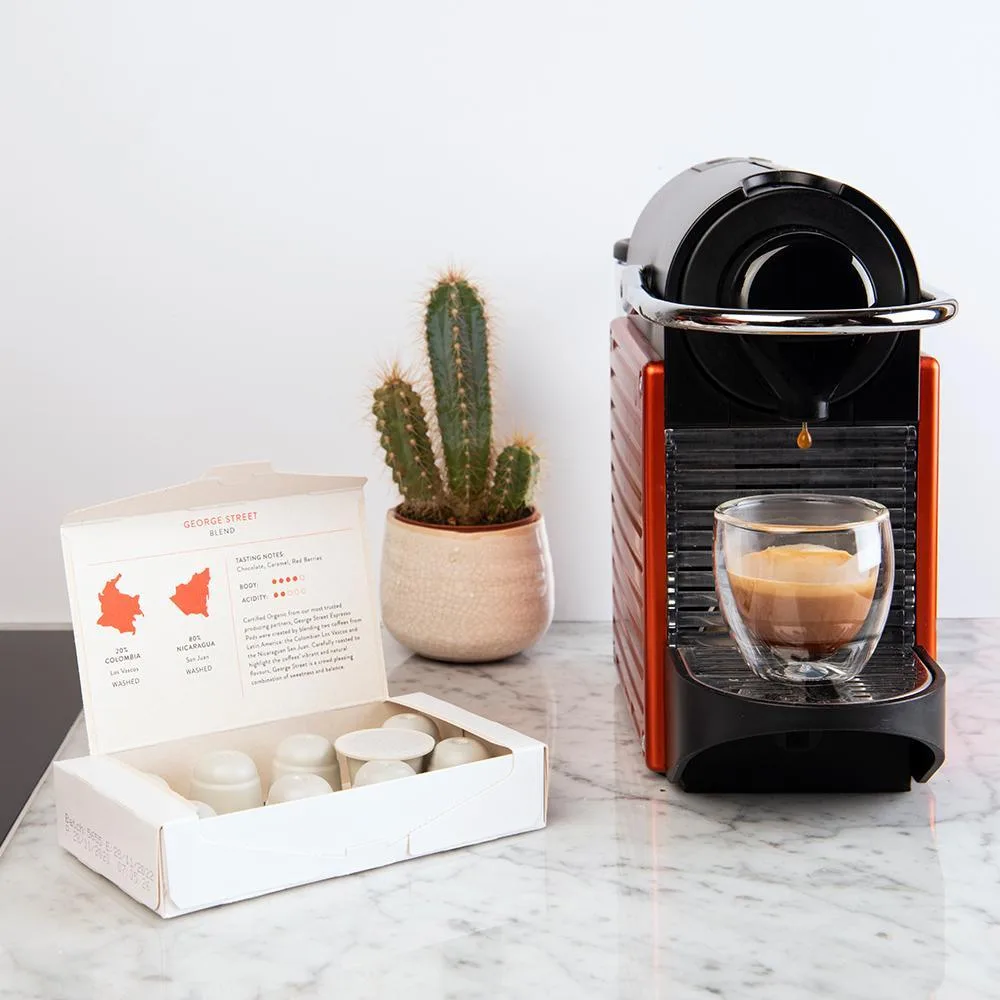
- Nespresso® Compatible Compostable GIFT Organic Pods 6 Months Subscriptions: Nespresso® compatible compostable pods available as a six-month subscription with a choice of House Blend, Decaf, or Classic Blend. A subscription delivers pods in manageable batches, so you're less likely to store them long enough for them to go stale.
- Gift - Pod Subscription Every Other Week, 12 Months: A 12-month pod subscription with delivery every other week, available in Organic House Blend, Organic Decaf, or Organic Classic Blend. Frequent deliveries keep your supply fresh and make it easier to use each batch before the best-before date.