Coffee pods have revolutionised home brewing with their convenience and consistency, but their environmental toll has sparked heated debate. Every year, billions of single-use pods end up in landfills, where they can take hundreds of years to decompose. For eco-conscious coffee lovers, this raises a pressing question: can we enjoy the simplicity of pods without harming the planet? In this deep dive, we unpack the full environmental impact of coffee pods—from production to disposal—and explore sustainable coffee solutions that let you brew responsibly.
The good news is that the coffee industry is evolving. Innovations in compostable materials, recycling programmes, and reusable systems are making it easier to reduce coffee waste. Whether you’re a home barista or an office manager, understanding these options helps you choose a brewing method that aligns with your values. Let’s take a closer look at the numbers, the alternatives, and how you can make a difference—one cup at a time.
The Scale of Coffee Pod Waste: What the Numbers Reveal
Coffee pods are a global phenomenon, but their popularity comes with a hefty environmental price tag. According to industry estimates, more than 10 billion coffee pods are produced annually worldwide, with the majority made from a mix of plastic and aluminium. These materials are difficult to recycle due to their small size and multi-layer construction. In fact, only a fraction of pods are properly recycled; most end up in incinerators or landfills, where they can take up to 500 years to break down.
The carbon footprint of coffee pods is also significant. From growing and roasting the beans to manufacturing the pods and shipping them globally, each pod carries embedded emissions. A 2020 study found that single-serve coffee pods produce about 60 grams of CO2 equivalent per cup—comparable to drip coffee when considering the entire lifecycle. However, the waste issue remains the most visible and troubling aspect, driving consumer demand for eco-friendly coffee pods and sustainable coffee practices.
- Switch to compostable coffee pods made from plant-based materials to cut landfill waste.
Compostable Coffee Pods: A Greener Alternative
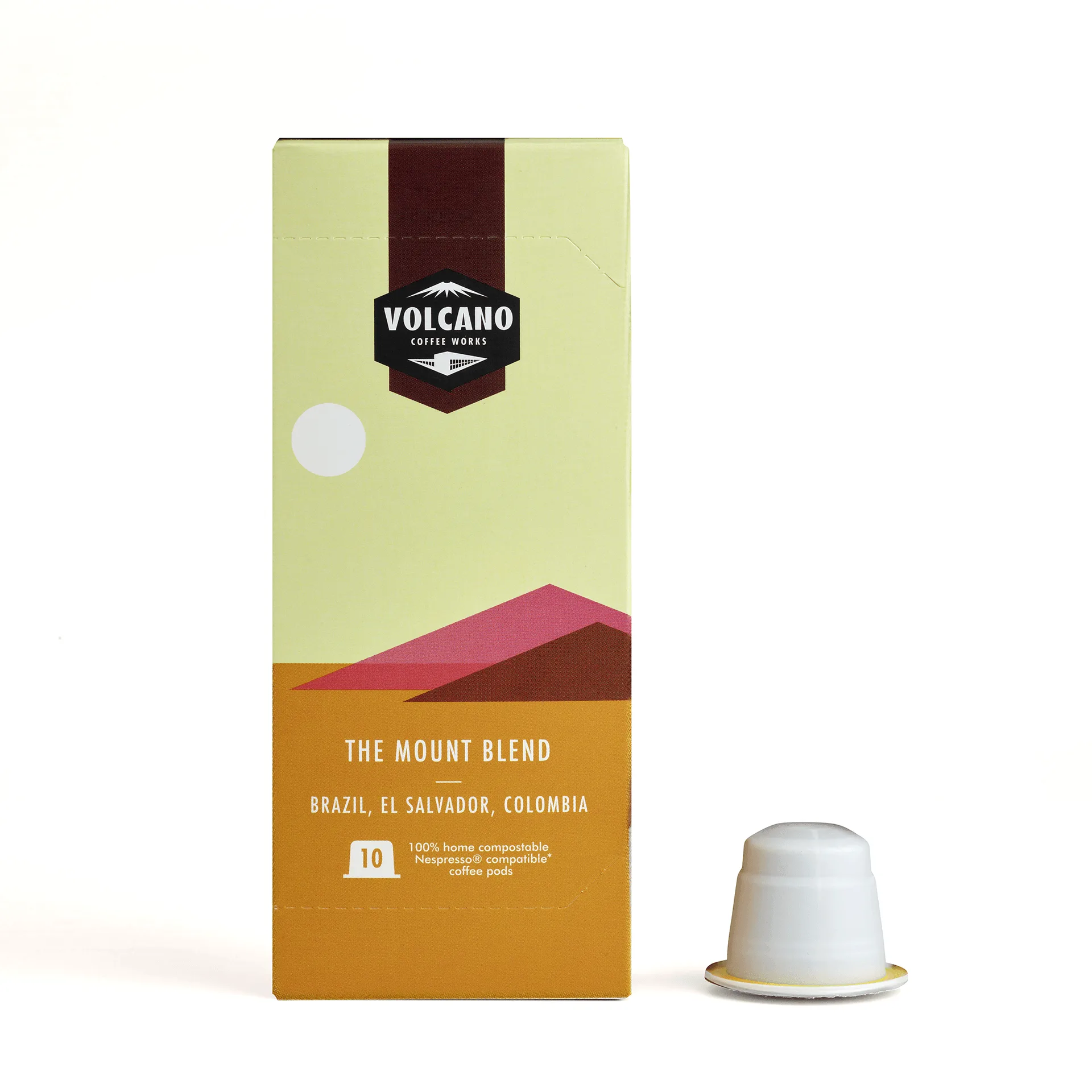
Compostable coffee pods are emerging as a viable solution to the plastic waste crisis. These pods are typically made from materials like wood pulp, cornstarch, or other biopolymers that break down in industrial composting facilities within 12 to 16 weeks. Unlike conventional pods, they leave no microplastics behind and can be processed alongside food waste. This makes them an attractive option for offices and homes aiming to reduce their environmental footprint.
However, not all compostable pods are created equal. Look for certifications such as EN 13432 or BPI to ensure they meet rigorous compostability standards. It’s also important to note that home composting may not generate enough heat to break them down fully; many require industrial facilities. Despite these nuances, compostable pods represent a major step forward. When paired with a reliable recycling routine, they can significantly lower the coffee waste associated with your daily brew.
- Check local composting facilities to see if they accept compostable coffee pods.
Reusable Systems: The Ultimate Zero-Waste Brew
For those who want to eliminate pod waste entirely, reusable coffee systems offer a compelling alternative. Stainless steel or silicone pods that you fill with your own ground coffee work with most popular pod machines. They produce zero single-use waste and let you choose any coffee you like—including specialty blends from local roasters. While they require a bit more effort to clean, the environmental payoff is substantial.
Reusable pods also give you control over coffee freshness and strength. You can experiment with different roasts and grind sizes to perfect your cup. For offices, bulk-buying whole beans and grinding fresh each day can dramatically reduce packaging waste and cost per cup. Pairing a reusable pod with a high-quality hand grinder, such as the IZpresso Q Hand Grinder, elevates your brewing experience while keeping your kitchen waste-free. It’s a simple swap that aligns convenience with sustainability.

IZpresso Q Hand Grinder
- Invest in a reusable stainless steel pod for your favourite coffee machine.
How to Choose Eco-Friendly Coffee Pods and Accessories
When shopping for coffee pods, look beyond the brand name and examine the materials. Opt for pods labelled 100% compostable or recyclable, and check if the manufacturer offers a take-back programme. Some companies now provide pre-paid envelopes to return used pods for proper recycling. Additionally, consider the coffee inside: ethically sourced, specialty-grade beans often have a lower environmental impact due to sustainable farming practices.
Your brewing accessories also play a role. A simple upgrade like a Coffee Bag Clip keeps opened bags of beans fresh longer, reducing food waste. For those who prefer a traditional method, the Pezzetti Enamel Moka Pot offers a stylish and waste-free way to brew rich espresso on the stovetop. By choosing durable, reusable equipment, you cut down on disposable packaging and enjoy a more mindful coffee ritual. Every small change adds up to a larger positive impact on the planet.
- Buy coffee in bulk with minimal packaging to reduce overall waste.
The environmental impact of coffee pods is real, but so are the solutions. By switching to compostable pods, embracing reusable systems, and choosing sustainable accessories, you can enjoy your daily cup without compromising the planet. Ready to make the change? Explore our range of eco-friendly brewing tools and compostable pods to start your sustainable coffee journey today.