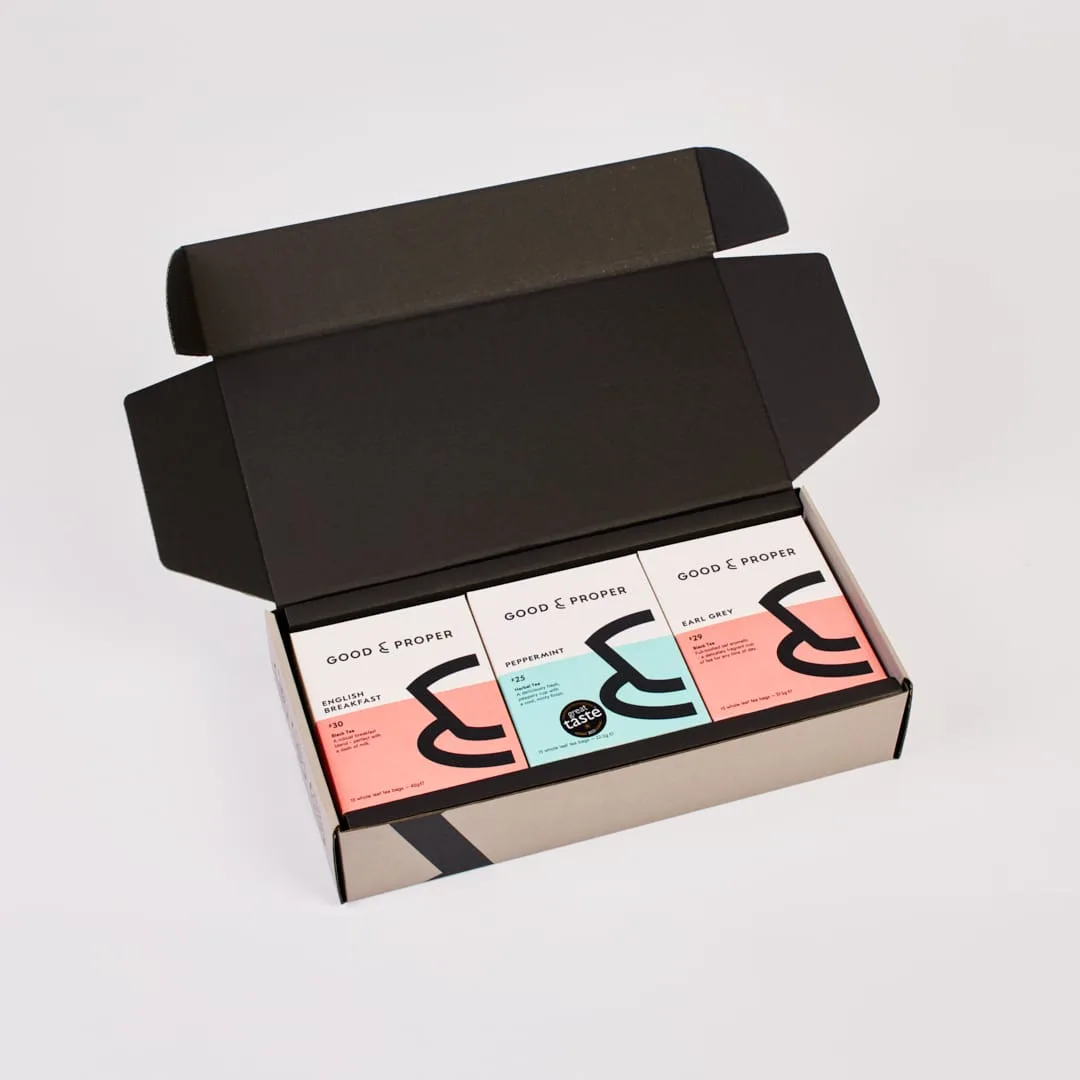
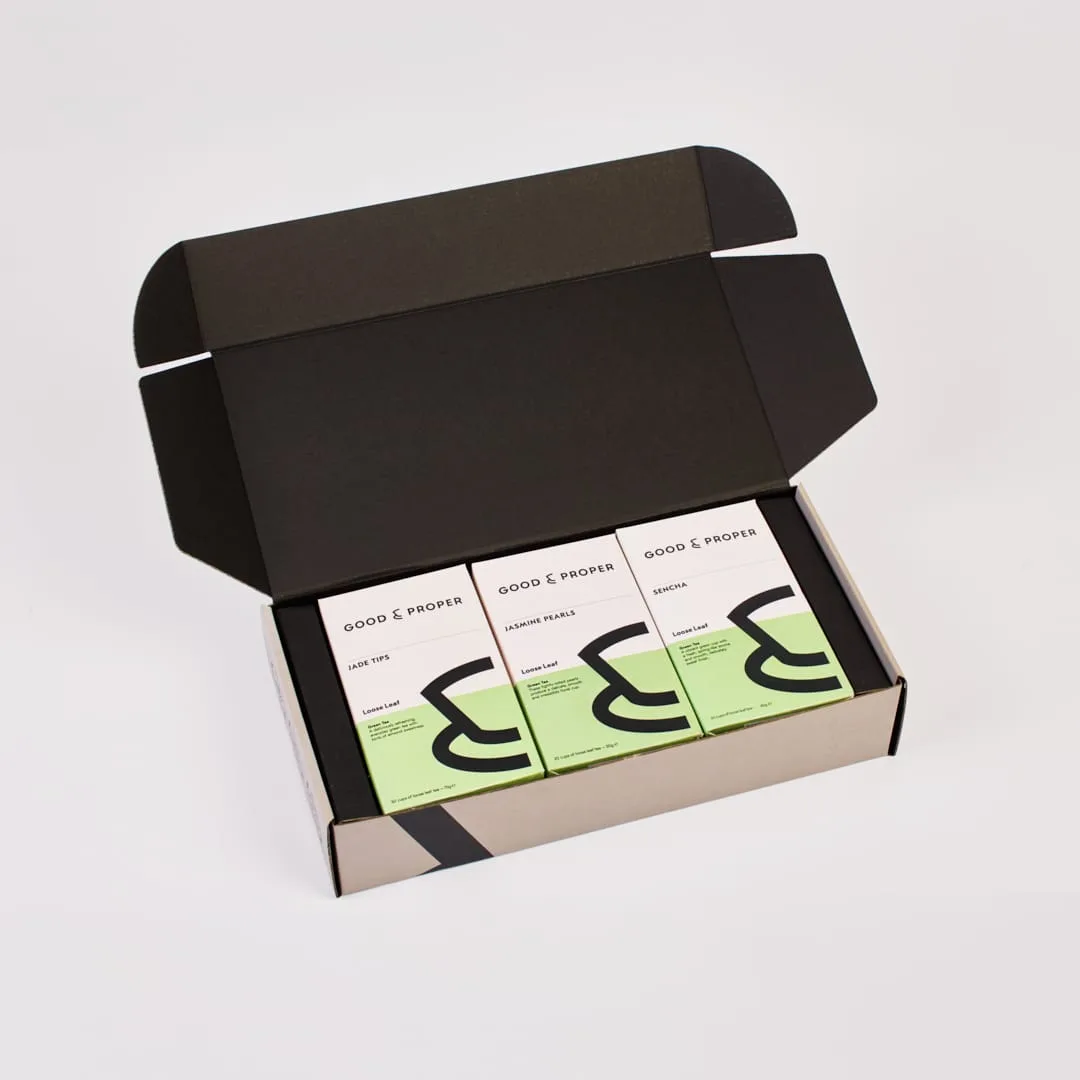
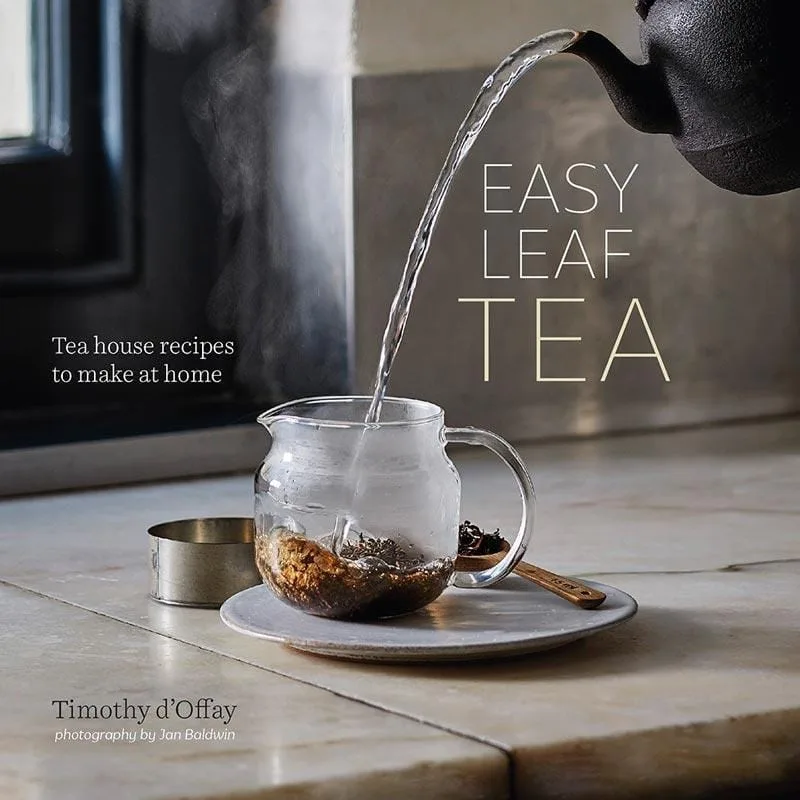
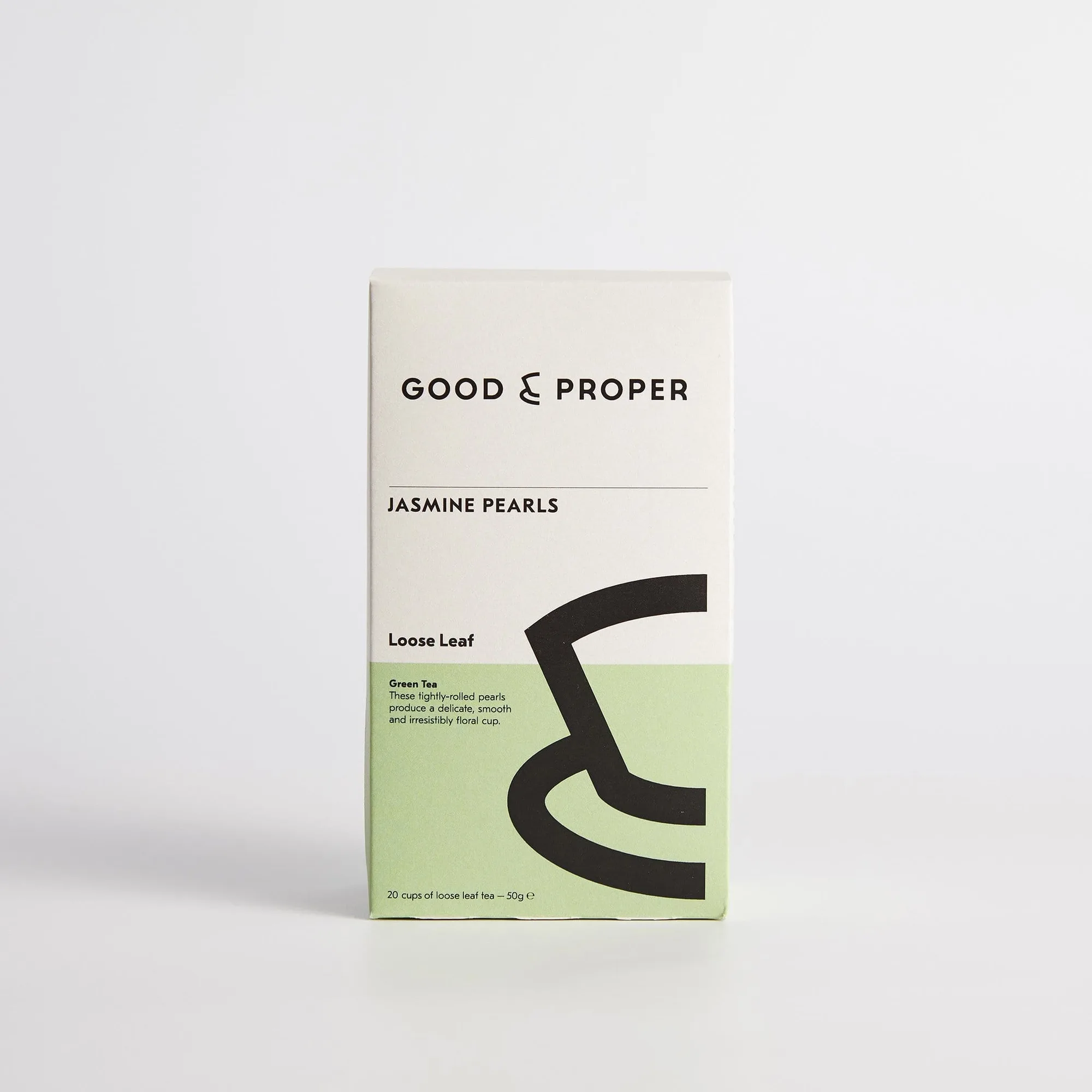
For many tea lovers, the daily ritual of brewing a cup is a moment of calm. But have you ever stopped to think about what happens to that tea bag after you’ve enjoyed your drink? Most tea bags contain hidden plastics, contribute to landfill waste, and require more packaging than loose leaf alternatives. If you’re looking to make your tea habit more sustainable, switching to loose leaf tea is one of the most impactful changes you can make.
In this article, we’ll explore the environmental cost of tea bags, the benefits of choosing loose leaf, and how you can enjoy a greener cup without sacrificing flavour. Whether you’re a seasoned tea drinker or just starting out, small changes can add up to a big difference for the planet.
The Hidden Plastic in Tea Bags
Many conventional tea bags are made from a blend of paper and polypropylene, a plastic that helps them seal and hold their shape when steeped. While convenient, these bags are not fully biodegradable. When disposed of, they break down into microplastics that can leach into soil and waterways, harming wildlife and ecosystems. Even ‘silken’ or pyramid tea bags often use plastic mesh, making them a hidden source of pollution.
By contrast, loose leaf tea requires no bag at all. You simply measure the leaves, steep them in a strainer or infuser, and compost the used leaves. This eliminates plastic waste entirely and reduces the amount of non-biodegradable material ending up in landfills. For eco-conscious consumers, this simple swap is a powerful step toward a zero-waste kitchen.
- Look for brands that clearly state their tea bags are plastic-free and compostable.
- Consider using a reusable stainless steel infuser or a teapot with a built-in strainer.
Less Packaging, Less Waste
Tea bags are typically individually wrapped in paper or foil, then packed in cardboard boxes and often sealed in plastic film. This multi-layer packaging creates a significant amount of waste per cup. Loose leaf tea, on the other hand, is usually sold in bulk in simple, recyclable pouches or tins. By buying loose leaf, you cut down on packaging materials and reduce your carbon footprint associated with manufacturing and transport.
Many loose leaf teas also come from small-scale producers who prioritise sustainable farming and minimal processing. For example, our Ruby Oolong - Loose Leaf is sourced from artisan growers who use traditional methods that preserve soil health and biodiversity. Choosing such teas supports a supply chain that values the environment as much as the flavour.
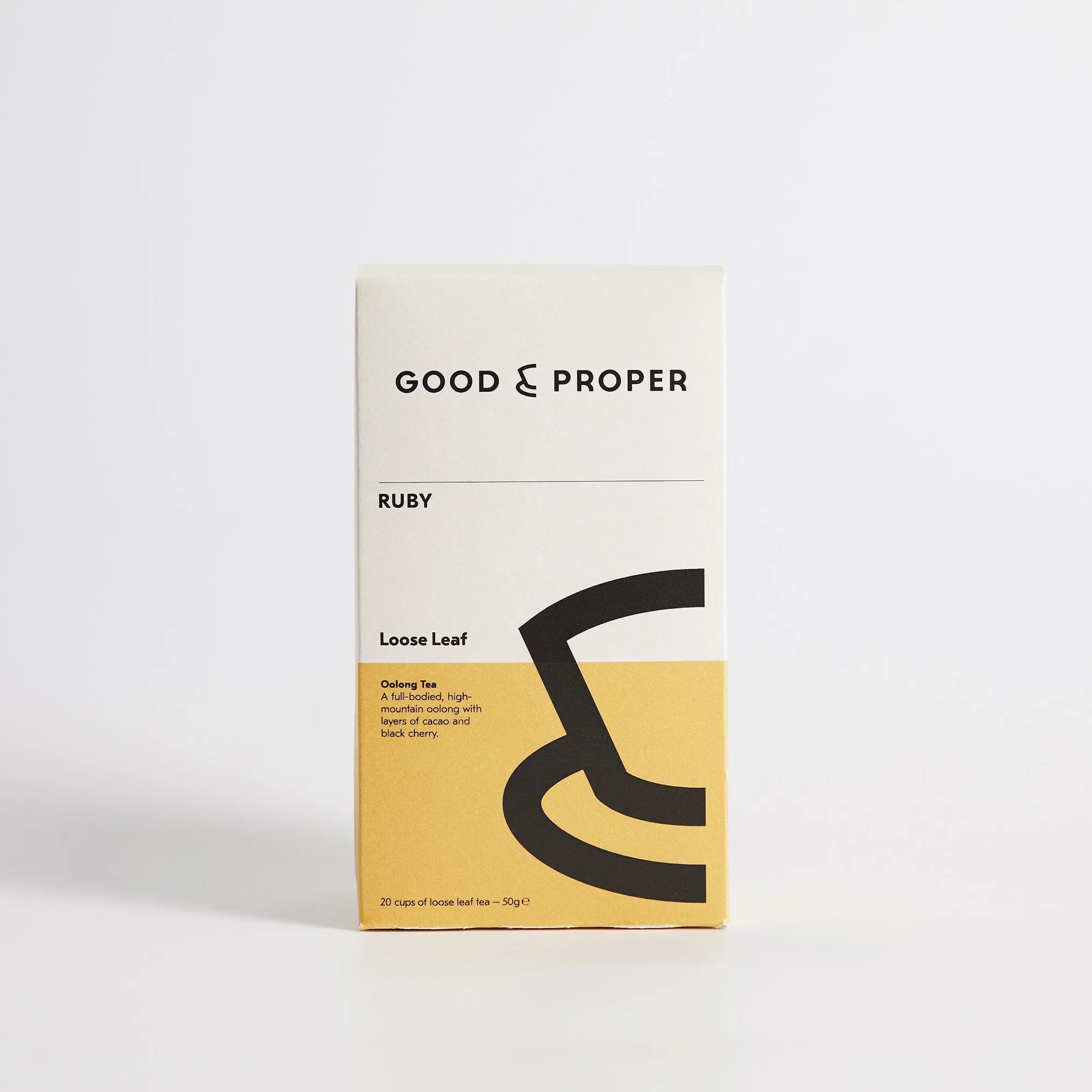
Ruby Oolong - Loose Leaf
- Buy loose leaf tea in larger quantities to further reduce packaging waste.
- Store your tea in an airtight tin or glass jar to keep it fresh without extra wrappers.
Composting: Turning Tea Leaves into Garden Gold
One of the greatest environmental advantages of loose leaf tea is that the used leaves are fully compostable. After brewing, simply add the leaves to your compost bin or garden soil. They decompose quickly, enriching the earth with nitrogen and other nutrients. In contrast, tea bags that contain plastic cannot be composted – they must be thrown in the general waste bin, where they may sit for decades.
Even if you don’t have a garden, many local composting schemes accept organic waste. By choosing loose leaf, you close the loop on your tea consumption, turning what would be trash into a resource. It’s a small act that aligns with a circular economy mindset and reduces your household’s overall waste output.
- Used loose leaf tea leaves make an excellent mulch for acid-loving plants like blueberries and rhododendrons.
- Avoid composting tea bags unless you are certain they are 100% plastic-free.
Energy and Water Savings in Production
Producing tea bags requires additional energy and water compared to loose leaf. The process of making the filter paper, applying heat seals, and packaging individual bags consumes resources at every step. Loose leaf tea skips these extra manufacturing stages, resulting in a lower overall environmental impact per cup. Moreover, loose leaf tea is often less processed, retaining more of its natural oils and flavour compounds.
When you brew loose leaf, you can also control the strength and quantity, meaning you use exactly what you need – no more, no less. This reduces waste from over-brewing or discarding half-used bags. For a truly sustainable start, consider our Loose Leaf Essentials Starter Kit, which includes a reusable infuser and a selection of premium teas to help you transition seamlessly.
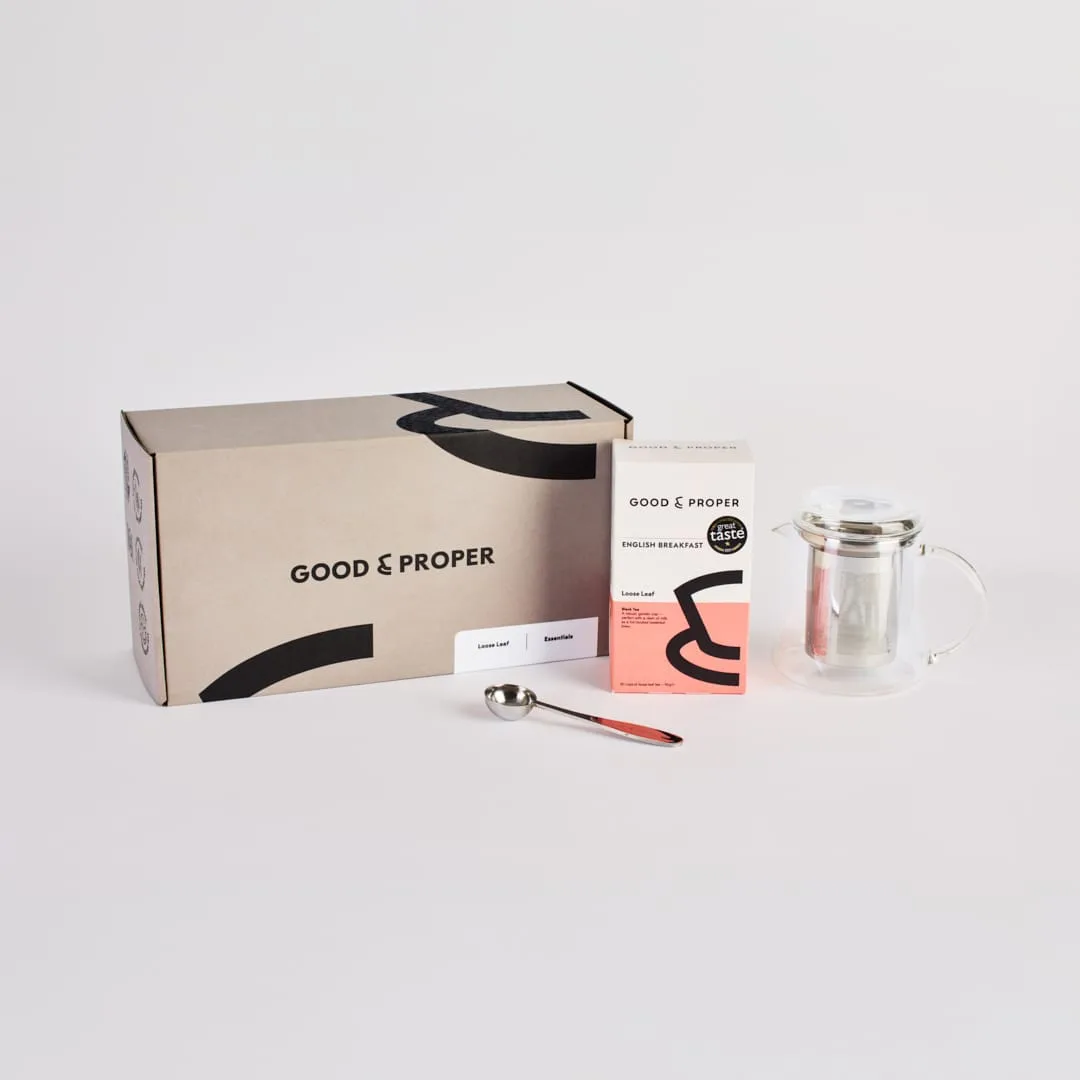
Loose Leaf Essentials Starter Kit
- Use a teaspoon of loose leaf tea per cup as a general guideline, then adjust to taste.
- Re-steep high-quality oolongs and green teas multiple times to get the most out of each serving.
Supporting Ethical and Sustainable Tea Farming
Loose leaf tea is often associated with smaller, more transparent producers who prioritise ethical labour and environmental stewardship. Many of these farms use organic practices, conserve water, and protect local biodiversity. By purchasing loose leaf, you are voting for a system that values quality over quantity and people over profit. This aligns with the growing consumer demand for products that are both delicious and responsible.
Our Bao Zhong (Pouchong) - Loose Leaf, for example, comes from a family-run farm in Taiwan that uses traditional, low-impact cultivation methods. Every sip supports a supply chain that cares for the land and the community. When you choose loose leaf, you’re not just making a personal health choice – you’re contributing to a global movement toward more sustainable agriculture.
- Look for certifications like Fair Trade, Rainforest Alliance, or Organic when shopping for loose leaf tea.
- Ask your tea supplier about their sourcing practices – transparency is a good sign.
Making the switch from tea bags to loose leaf tea is a simple yet powerful way to reduce your environmental footprint. You’ll enjoy better flavour, less waste, and the satisfaction of knowing your daily cup is kinder to the planet. Ready to start your sustainable tea journey? Explore our collection of premium loose leaf teas and find your new favourite brew.