Quick Answer
If you're aiming to reduce your environmental footprint, loose leaf tea generally wins over tea bags. Many tea bags contain plastic sealants that don't compost fully, and their individual packaging adds waste. However, high-quality organic loose leaf teas, like those from Herbal Tea Healing, offer a plastic-free and lower-impact alternative.
tea bags
When you brew a cup of tea, you probably think about flavor, health benefits, or the comforting warmth. But have you considered the environmental cost of your tea habit? The debate between tea bags and loose leaf tea isn't just about taste—it's about the impact on our planet.
From the materials in the tea bag itself to the packaging it comes in, every choice leaves a footprint. This comparison unpacks the environmental trade-offs so you can sip more sustainably.
The Hidden Plastic in Many Tea Bags
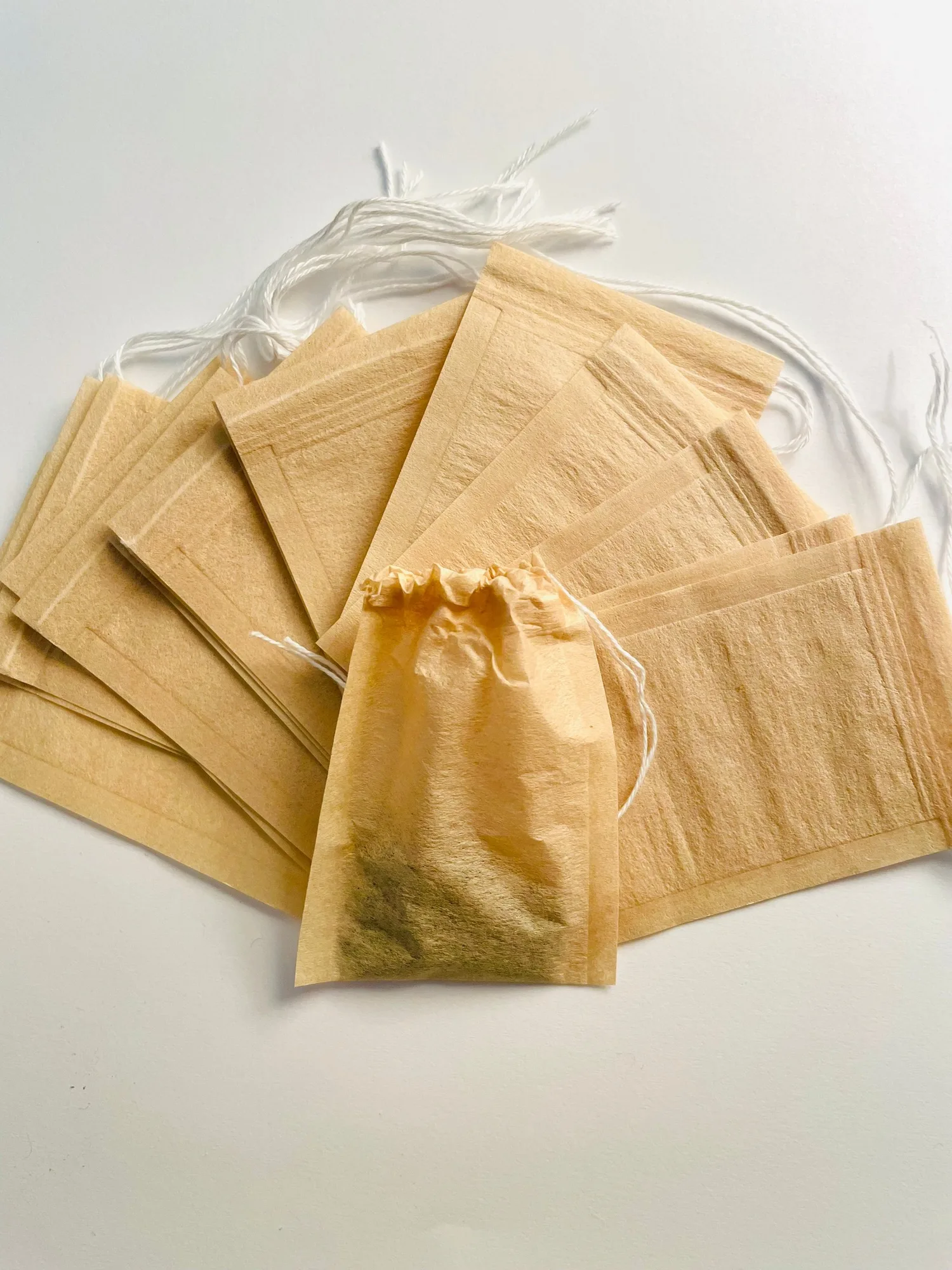
One of the biggest environmental concerns with tea bags is the presence of plastic. Many tea bag papers are heat-sealed using polypropylene, a type of plastic that helps the bag keep its shape but doesn't break down in home compost. Even some 'paper' tea bags contain a small amount of plastic, which can release microplastics into your brew and the environment.
When you dispose of these tea bags, they often end up in landfills where they can persist for decades. If you compost them, the plastic residue remains. This is a significant issue for eco-conscious tea drinkers who assume all tea bags are biodegradable.
- Check if your tea bags are plastic-free by looking for certifications or brands that state 'plastic-free' or 'home compostable'.
Packaging Waste: Individual Wrappers vs. Bulk
Tea bags are often individually wrapped in paper or foil, adding extra waste per cup. Even if the wrapper is recyclable, the sheer volume of packaging for a box of 16 or 20 bags adds up. Loose leaf tea, on the other hand, typically comes in a single larger pouch or tin, reducing packaging per serving significantly.
By choosing loose leaf, you cut down on the material used for each cup. Many brands, including Herbal Tea Healing, offer loose leaf options in recyclable or reusable containers, further minimizing waste.
The Carbon Footprint of Production
Tea bag production involves additional steps: harvesting, drying, cutting, and processing the leaves into small particles, plus manufacturing the bag itself and the individual wrapper. Each step consumes energy and resources. Loose leaf tea, especially whole-leaf varieties, requires less processing, which can lower its carbon footprint.
Additionally, loose leaf tea often comes from smaller farms that prioritize quality and sustainability, though this isn't always the case. Look for organic and fair-trade certifications to ensure your tea supports environmentally friendly practices.
Trade-Offs at a Glance
- Convenience: Tea bags are quick and mess-free, perfect for travel or office use. Loose leaf requires an infuser or teapot, adding a step to your routine. If convenience is your priority, tea bags win, but opt for plastic-free ones.
- Waste Reduction: Loose leaf tea produces less packaging waste overall, especially if you buy in bulk. Tea bags, even without plastic, often come individually wrapped. For minimal waste, choose loose leaf and store in a reusable tin.
- Quality and Flavor: Loose leaf tea often uses larger, higher-quality leaves, resulting in better flavor. Tea bags typically contain fannings or dust, which can taste bitter. If you value taste, loose leaf is the superior choice.
Sustainable Tea Choices at Herbal Tea Healing
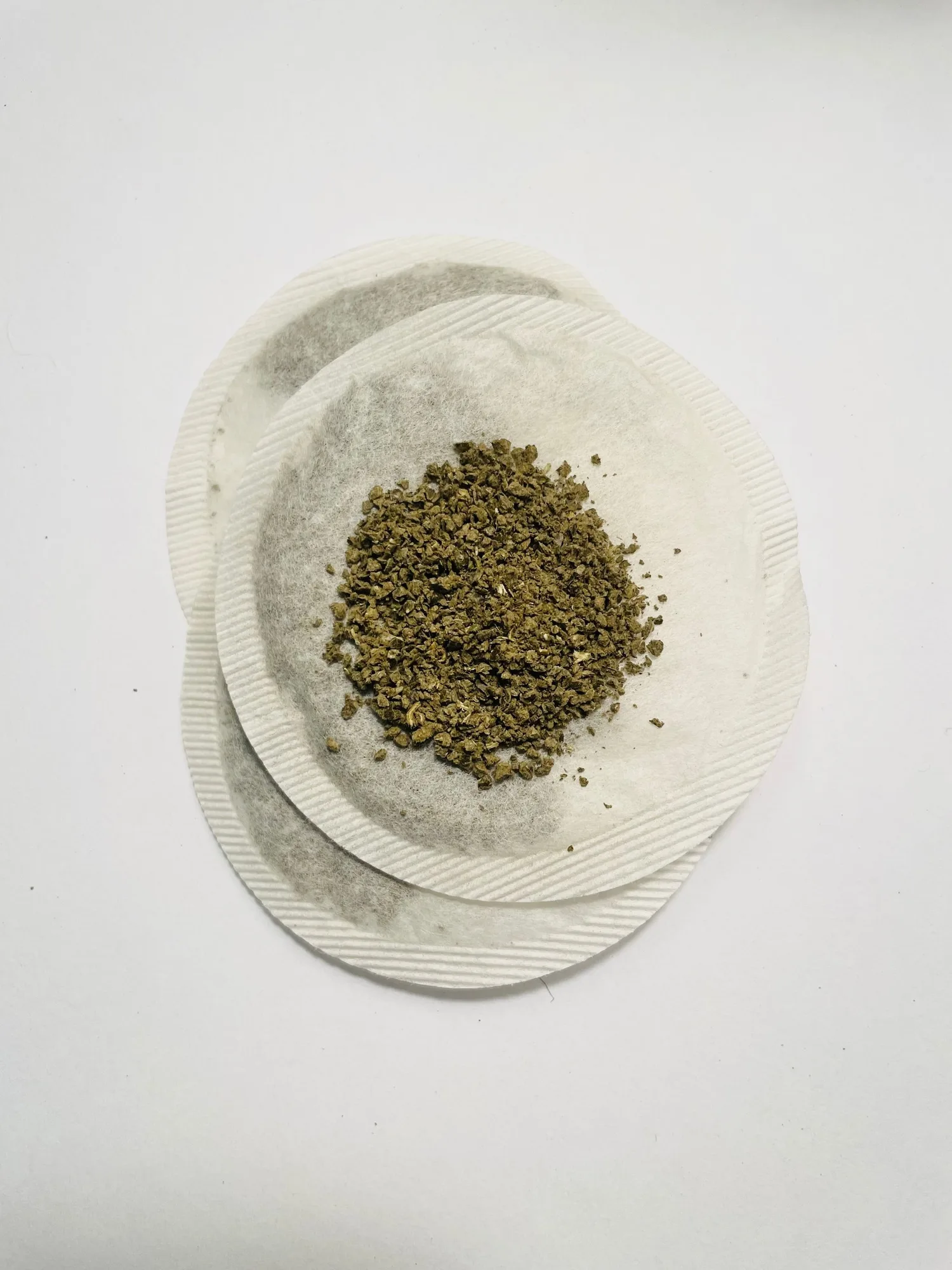
- Raspberry Leaf Organic Tea (Tea Bags): Includes 16 tea bags. The tea bag paper used to make... (description cut off, but note that not all tea bags are plastic-free). If you prefer tea bags for convenience, check the packaging for plastic-free claims. This tea offers organic raspberry leaf benefits, but the bag material affects compostability.
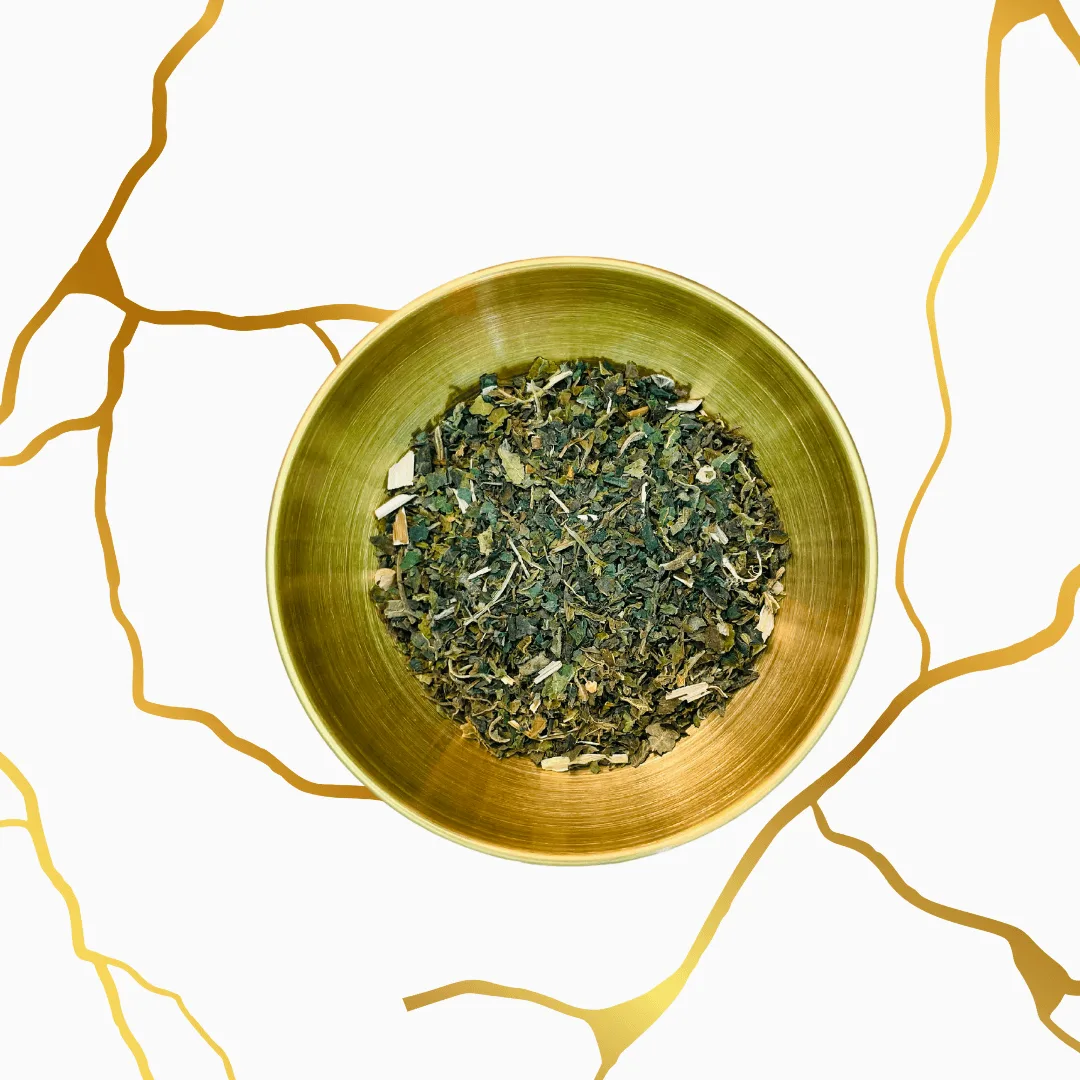
- Nettle Leaf Tea (Organic): Ingredients: Organic Nettle Leaf / Urtica Dioica. Daily Serving Size: Pour 8-12oz of boiling water (212F) over 1tsp. of tea. Steep 3-4 minutes. Size: 1oz. This loose leaf tea comes in a simple 1oz pouch, reducing packaging waste. It's a great choice for those looking to minimize environmental impact while enjoying a nutrient-rich herbal tea.
Which Should You Choose?
Best for
- Eco-conscious drinkers who want to minimize packaging waste and plastic use.
- Tea enthusiasts who enjoy the ritual and superior flavor of loose leaf brewing.
Not for
- Those who need maximum convenience and don't mind checking for plastic-free tea bags.
- Travelers or office workers who lack the tools for loose leaf brewing.
The environmental impact of your tea habit comes down to more than just bag vs. loose leaf. By choosing loose leaf organic teas and being mindful of packaging, you can significantly reduce your footprint. For those who prefer tea bags, seek out brands that use plastic-free materials. Every cup is a chance to make a more sustainable choice.