Every cup of tea you brew leaves a footprint—but not all footprints are equal. While tea bags offer convenience, their environmental cost is far higher than most people realise. From hidden plastics in the seals to excessive packaging waste, the humble tea bag has become a significant contributor to global landfill. In contrast, loose leaf tea presents a natural, low-waste alternative that aligns with sustainable living.
At Bird & Blend Tea Co., we believe that great flavour and environmental responsibility go hand in hand. In this article, we’ll explore why loose leaf tea is inherently more sustainable than tea bags, examine the hidden waste in your cuppa, and show you how simple swaps—like choosing a Rooibos Tea Powder or a perfectly pink matcha blend—can make a real difference.
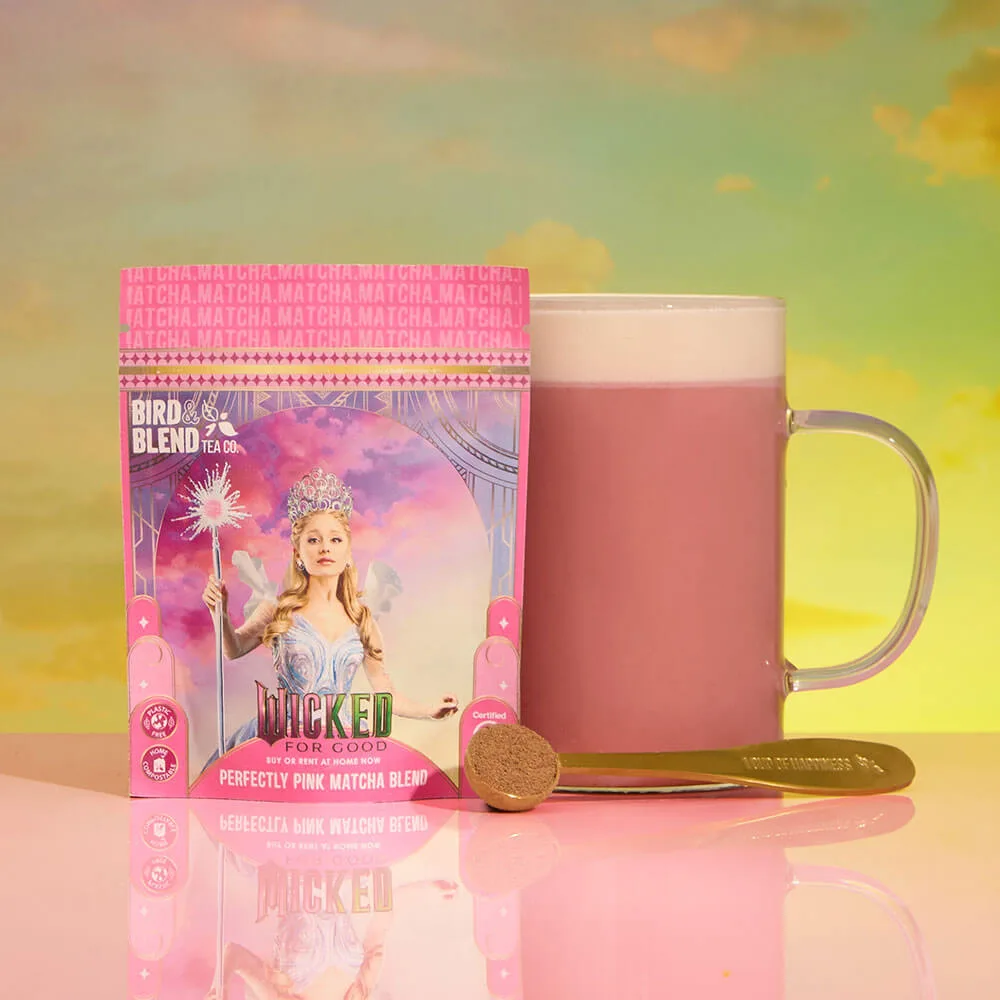
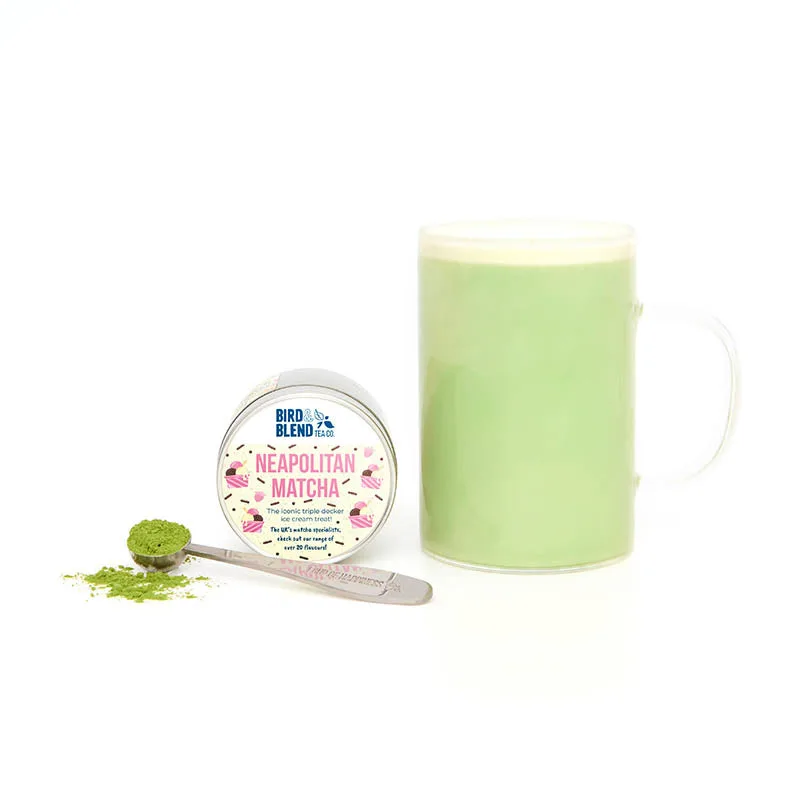
perfectly pink matcha blend
The Hidden Plastic in Tea Bags
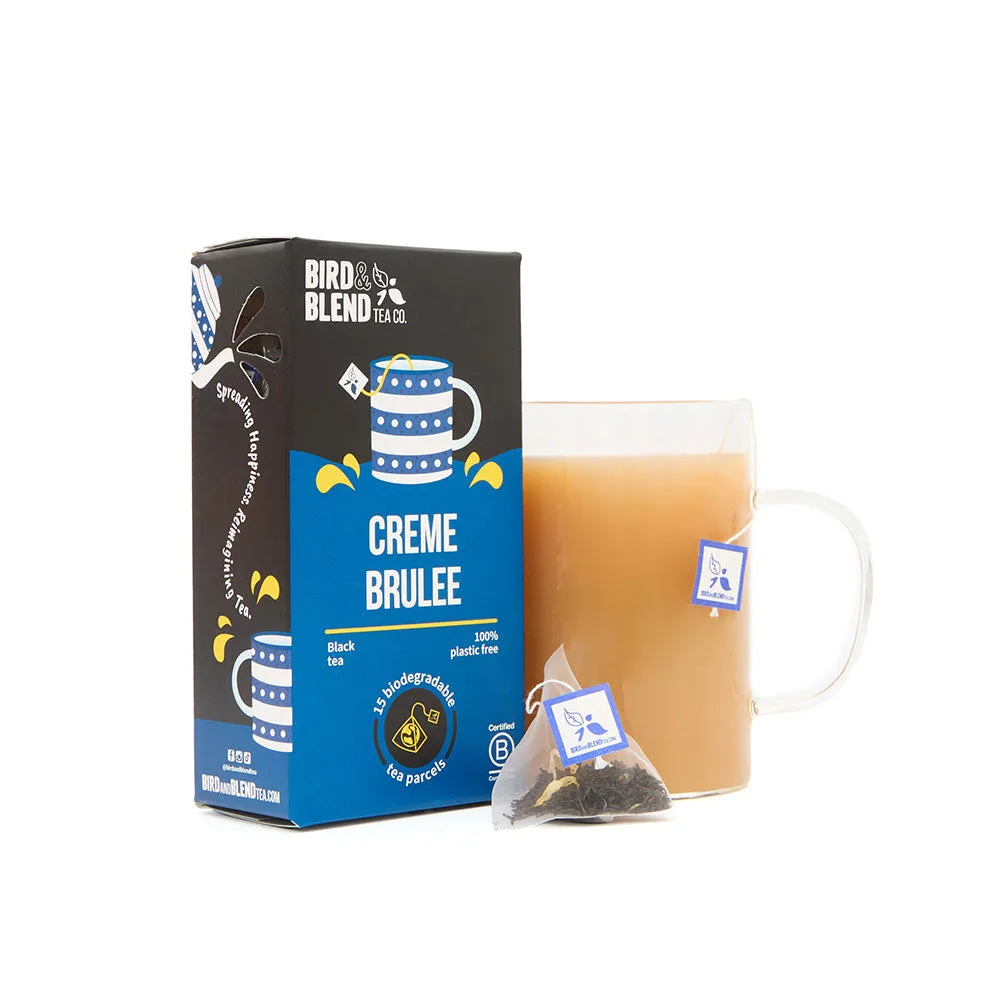
Many tea drinkers assume that paper tea bags are biodegradable. However, a large percentage of commercial tea bags are sealed with polypropylene, a plastic that prevents the bag from unravelling in hot water. This plastic does not break down in compost heaps or landfill sites; instead, it fragments into microplastics that can leach into soil and waterways. Studies have shown that a single plastic-sealed tea bag can release billions of microplastic particles into your brew—and ultimately into the environment.
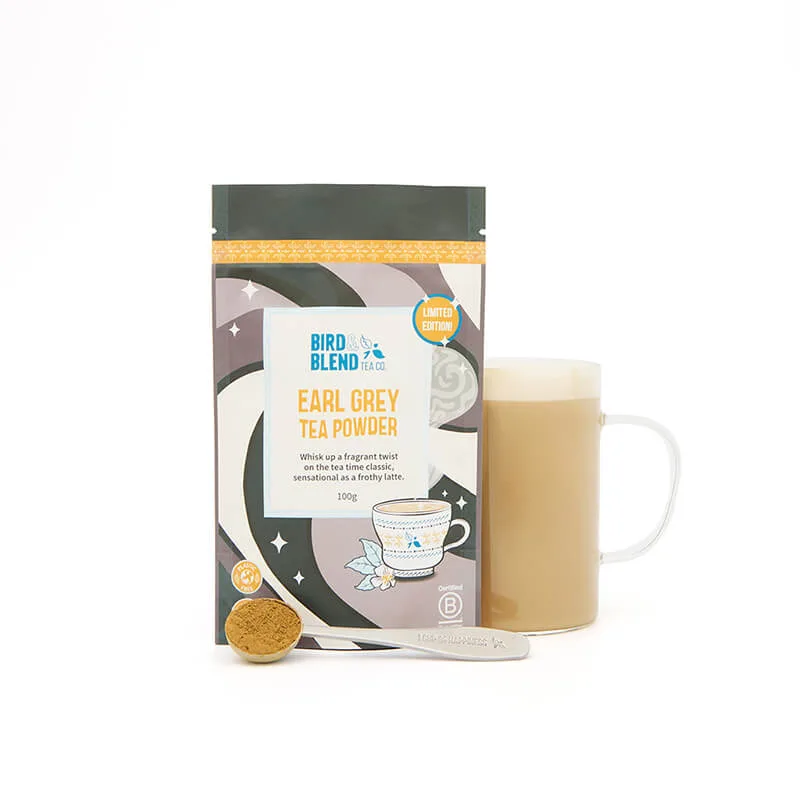
Loose leaf tea, by contrast, contains no plastic whatsoever. The leaves are sold in bulk, often in recyclable or compostable packaging, and you control the steeping process using a simple infuser or teapot. By eliminating the bag entirely, you remove the primary source of plastic contamination. For an even more sustainable option, consider powdered teas like Rooibos Tea Powder, which require no bag at all and offer a naturally caffeine-free, eco-friendly brew.
- Choose brands that use plastic-free, compostable tea bags if you must use bags, but loose leaf is the gold standard.
Less Packaging Waste, More Tea Per Cup
Tea bags are typically individually wrapped in paper or foil sachets, then packed into cardboard boxes, and finally shrink-wrapped in plastic. This triple-layer packaging generates enormous waste for a product that could be sold with minimal wrapping. Loose leaf tea, on the other hand, is usually sold in larger, resealable pouches or tins that use far less material per serving. A single 100g pouch of loose leaf tea can yield 40–50 cups, whereas the same number of tea bags would produce dozens of individual sachets and wrappers.
Beyond the packaging itself, loose leaf tea also reduces the energy and resources needed for manufacturing and transport. Because loose leaf tea is less processed—no bagging, no sealing, no individual wrapping—its carbon footprint is significantly lower. For tea lovers who want to minimise their environmental impact, switching to loose leaf is one of the simplest and most effective changes. Our Toffee Apple Matcha, for instance, comes in a practical pouch that makes dozens of servings with minimal waste.
- Buy in bulk when possible to further reduce packaging per cup.
- Store loose leaf tea in airtight tins or glass jars to keep it fresh without single-use plastics.
Better for Your Health and the Planet
The environmental benefits of loose leaf tea go hand in hand with health advantages. Because tea bags often contain lower-grade dust and fannings—the broken bits left over from processing—they can release more tannins and fewer antioxidants than whole leaves. Loose leaf tea uses whole or large-cut leaves, which retain more of the natural oils, polyphenols, and flavour compounds. This means you get a richer, more nutritious cup while supporting a system that values quality over quantity.
Moreover, many loose leaf teas are sourced from smaller farms that practice regenerative agriculture, which builds soil health and sequesters carbon. By choosing loose leaf, you're often supporting supply chains that prioritise biodiversity and fair labour practices. For example, our Green Lion Matcha is a ceremonial-grade matcha from Japan, grown using traditional shading methods that protect the ecosystem. Every sip supports both your wellbeing and the planet.
- Look for organic or Rainforest Alliance certified loose leaf teas to ensure ethical sourcing.
- Compost your used tea leaves—they make excellent nitrogen-rich fertiliser for your garden.
How to Make the Switch to Sustainable Tea
Transitioning from tea bags to loose leaf tea doesn't have to be complicated. Start by investing in a simple infuser or a teapot with a built-in strainer—these are widely available and affordable. Then, choose a few high-quality loose leaf teas that appeal to your taste. If you're a fan of fruity or floral blends, try a herbal infusion; if you love a creamy, indulgent latte, a matcha powder is a perfect choice.
To make your tea ritual even more eco-friendly, consider reusing your tea leaves for a second steep (many green and oolong teas can be resteeped 2–3 times). Also, avoid single-use paper filters for your infuser—opt for a stainless steel or silicone strainer that lasts for years. And when you finish a pouch, recycle or compost the packaging if possible. Every small step adds up to a significant reduction in your tea-related waste.
- Start with one or two loose leaf teas that excite you—variety keeps the habit interesting.
- Use a reusable travel infuser mug for on-the-go brewing without waste.
Making the switch to loose leaf tea is one of the most impactful changes you can make for a more sustainable daily routine. You'll enjoy superior flavour, fewer microplastics, and a lighter footprint on the planet. Ready to begin your eco-friendly tea journey? Explore our collection of loose leaf teas and powders, including the vibrant Perfectly Pink Matcha Blend, and taste the difference that sustainability makes.