Coffee pods have transformed the way millions enjoy their daily cup, offering unmatched convenience and consistency. But as environmental awareness grows, the debate between compostable coffee pods and traditional plastic pods has intensified. Coffee lovers now face a choice: prioritize ease and familiarity or switch to a more sustainable option without sacrificing flavor.
In this complete comparison, we’ll break down the environmental footprint, taste quality, cost, and convenience of compostable vs plastic coffee pods. Whether you’re a home brewer or office manager, understanding these differences will help you make an informed, planet-friendly decision—without compromising on your morning ritual.
Environmental Impact: Compostable Pods vs Plastic Pods
Plastic coffee pods are typically made from polypropylene (#5 plastic) or polystyrene, materials that can take hundreds of years to decompose in landfills. While some recycling programs accept them, the reality is that most plastic pods end up in general waste due to contamination from coffee grounds. This contributes significantly to the global plastic pollution crisis.
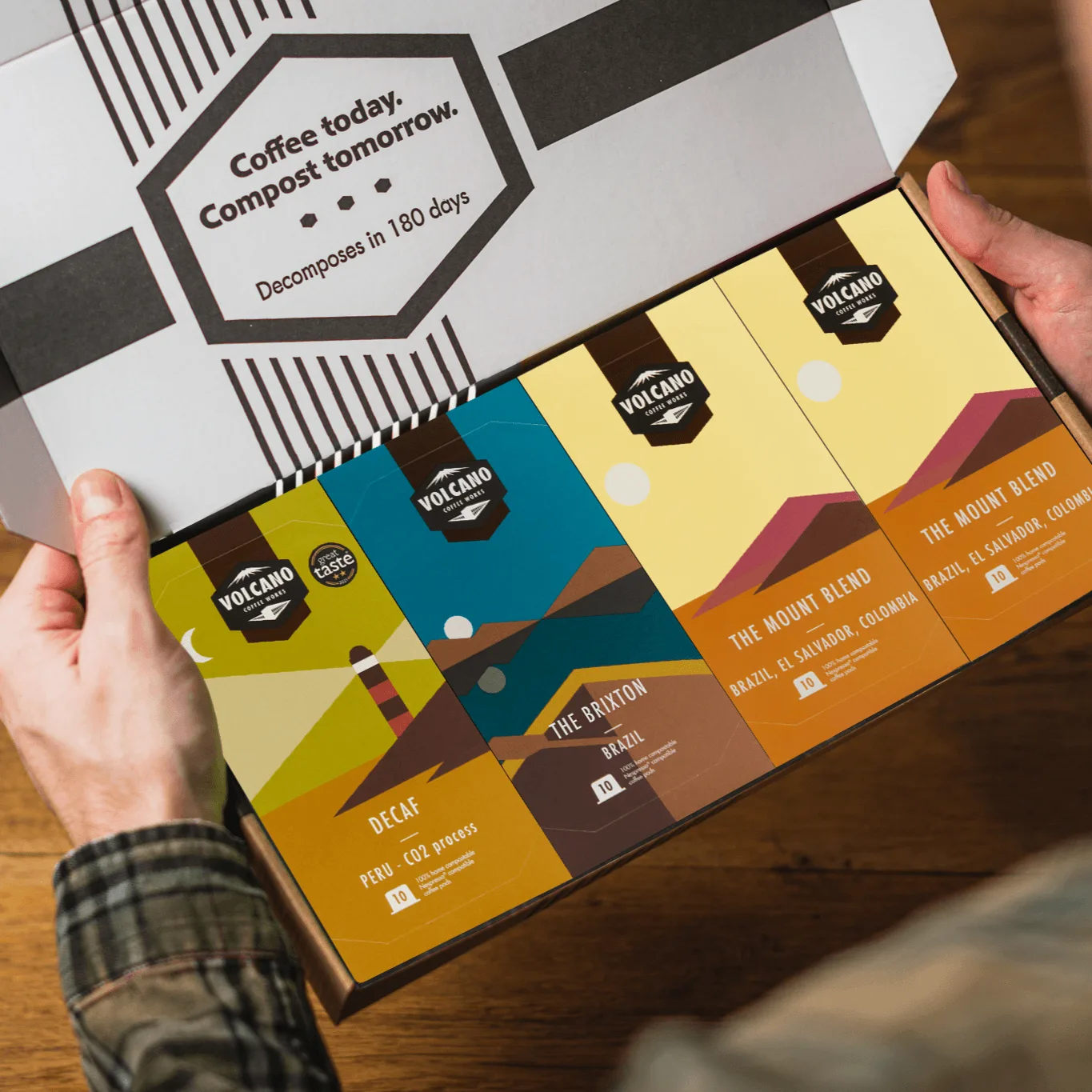
Compostable coffee pods, on the other hand, are made from plant-based materials like PLA (polylactic acid) derived from cornstarch or sugarcane, combined with other natural fibers. These pods are designed to break down in industrial composting facilities within 90–180 days, leaving no toxic residue. Choosing compostable options dramatically reduces your coffee’s carbon footprint and supports a circular economy.
- Plastic pods: non-renewable, slow to degrade, often not recycled
- Compostable pods: renewable materials, certified compostable (e.g., EN 13432), reduce landfill waste
Taste and Freshness: Does Compostable Affect Flavor?
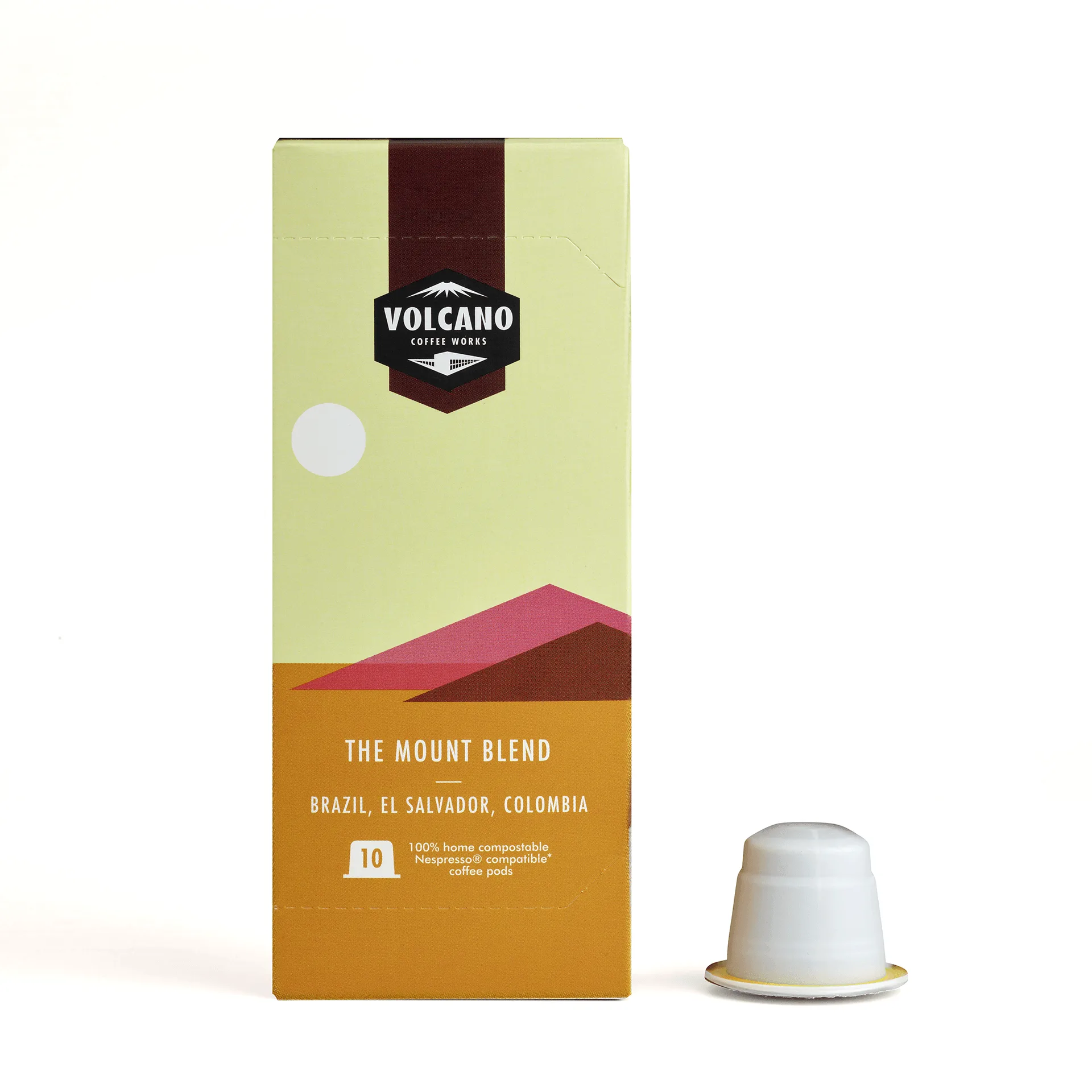
One of the biggest concerns for coffee enthusiasts is whether compostable pods can match the taste of plastic pods. High-quality compostable pods are engineered with airtight seals and oxygen barriers to preserve the freshness of the coffee inside. Many specialty roasters, including Volcano Coffee Works, use nitrogen flushing to lock in flavor, ensuring that the coffee tastes as vibrant as freshly ground beans.
Plastic pods have long been the industry standard for freshness, but modern compostable pods have closed the gap significantly. In blind taste tests, many coffee drinkers cannot distinguish between the two. The key is to choose pods from reputable roasters that prioritize both sustainability and quality. When you opt for compostable pods, you’re not sacrificing flavor—you’re simply making a greener choice.
- Compostable pods now use multi-layer barriers to protect aroma
- Plastic pods may have a slight edge in long-term storage, but for daily use, compostable is comparable
Cost and Convenience: What’s the Real Difference?
Historically, compostable coffee pods have been priced slightly higher than plastic ones due to the cost of sustainable materials and certification. However, as demand grows and production scales, the price gap is narrowing. Many roasters now offer competitive pricing on compostable options, especially when purchased in bulk or as part of a subscription.
Convenience is a major factor for pod users. Both compostable and plastic pods work seamlessly in Nespresso-compatible machines. The main difference comes at disposal: plastic pods require rinsing and recycling (if accepted), while compostable pods can simply be tossed into your compost bin or sent to an industrial facility. For busy households and offices, this simplicity is a major win for compostable pods.
- Compostable pods: slightly higher upfront cost, but decreasing
- Plastic pods: cheaper per pod, but hidden environmental cost
- Disposal: compostable = easier, plastic = more steps
Certifications and Standards: What to Look For
Not all compostable pods are created equal. To ensure genuine environmental benefits, look for certifications like EN 13432 (European standard) or BPI (Biodegradable Products Institute) in North America. These guarantee that the pods will break down in industrial composting conditions without harming the environment. Avoid vague terms like “biodegradable” without certification, as they may still contain plastic additives.
Plastic pods may carry recycling symbols, but check local guidelines—many municipalities do not accept #5 plastics in curbside recycling. Some brands offer take-back programs, but these require extra effort. For true sustainability, certified compostable pods are the gold standard, and roasters like Volcano Coffee Works are leading the way with their range of eco-friendly options.
- Look for EN 13432, BPI, or OK Compost labels on compostable pods
- Plastic pods: check local recycling rules; many end up in landfill
Making the Switch: Tips for Transitioning to Compostable Pods
If you’re ready to reduce your coffee’s environmental impact, switching to compostable pods is a simple and effective step. Start by checking your current machine’s compatibility—most Nespresso OriginalLine machines work with compostable pods. Then, explore roasters that offer certified compostable options. Many, like Volcano Coffee Works, provide a variety of blends and single origins in compostable formats.
To get the most out of your compostable pods, store them in a cool, dry place and use them before the best-by date. After brewing, dispose of the pod in your compost bin (if you have industrial compost access) or check with local facilities. Pair your sustainable pods with reusable accessories like a Brown Ceramic Coffee Cup to further reduce waste and enhance your daily ritual.

Brown Ceramic Coffee Cup
- Verify machine compatibility (e.g., Nespresso OriginalLine)
- Store pods in a cool, dry place to maintain freshness
- Dispose properly: industrial compost or municipal green waste
Choosing between compostable coffee pods and plastic pods doesn’t have to be a compromise. With modern compostable options delivering excellent taste, comparable convenience, and a far smaller environmental footprint, the sustainable choice is clear. Start your eco-friendly coffee journey today by exploring Volcano Coffee Works’ selection of compostable pods—your taste buds and the planet will thank you.