Quick answer
Sword-and-sorcery figures live or die on two things: whether the scale fits your existing shelf, and whether the articulation actually lets you pose a weapon swing. Check the stated scale and point count first, then look at what hands and weapons are included. If you want a low-risk entry point, a 1:12 figure with interchangeable parts and a carded format is the easiest place to start.
Why scale matters more than anything else
Most modern sword-and-sorcery lines are built at 1:12 scale, which puts a figure in the six-to-seven-inch range and makes it compatible with the majority of collector shelving and dioramas. That number is the single most useful spec on the box, because a beautifully sculpted figure at the wrong scale will look wrong next to everything else you own. If a listing does not state a scale, treat that as a real gap rather than assuming it matches your collection.
How much articulation do you actually need?
For a barbarian or a swordswoman, the poses you want are overhead chops, two-handed grips, and low crouches. Those need strong shoulders, elbows, wrists, and hips, plus enough torso movement to twist into a swing. A figure with 30-plus points of articulation can hold those poses; a figure with 12 points will mostly stand and salute. More joints can mean looser joints over time, so if you pose hard and leave figures displayed for months, rotate them back to neutral occasionally.
What accessories separate a good figure from a great one
Weapons and hands do more for a sword-and-sorcery display than any paint detail. Multiple sets of interchangeable hands let you switch from a relaxed grip to a clenched fighting grip without forcing the plastic, and spare blades or daggers let you build a scene instead of a single static pose. Removable soft goods, like a ring entrance jacket, add another layer of staging options. Count the hands and weapons before you count the paint apps.
Carded, boxed, or loose: does packaging matter?
Packaging matters differently depending on whether you open your figures. Carded figures are compact to store and easy to hang, but the card itself is part of the collectible, so creases and corner dings reduce resale appeal. Boxed figures protect paint and soft goods better in transit but take up more shelf depth. If you plan to open and pose, buy for the figure; if you plan to keep it sealed, buy for the package condition.
How to display a Hyborian shelf without it looking like a pile
Group figures by height and stance rather than by release order. Put your tallest, most upright figure at the back and stagger the rest so weapons read clearly from the front. Leave one figure in a mid-swing pose as a focal point, and keep the rest in grounded stances so the eye has somewhere to rest. Dust is the enemy of dark armor and bare skin alike, so a soft brush every few weeks beats a deep clean later.
Collector FAQ
Do I need to own both a Conan and a Red Sonja figure to display them together?
No. Both characters are usually produced at 1:12 scale, so a single figure pairs fine with other sword-and-sorcery or fantasy figures on the same shelf. Match scale first, character second.
Is a Red Sonja collectible figure worth buying if I only display, never pose?
Yes, but prioritize sculpt, paint, and stance over joint count. A figure that stands naturally in a static pose will look better on a shelf than one with 30 joints stuck in an awkward neutral. Display-only collectors should weight sculpt over articulation.
How many accessories should I expect at this price tier?
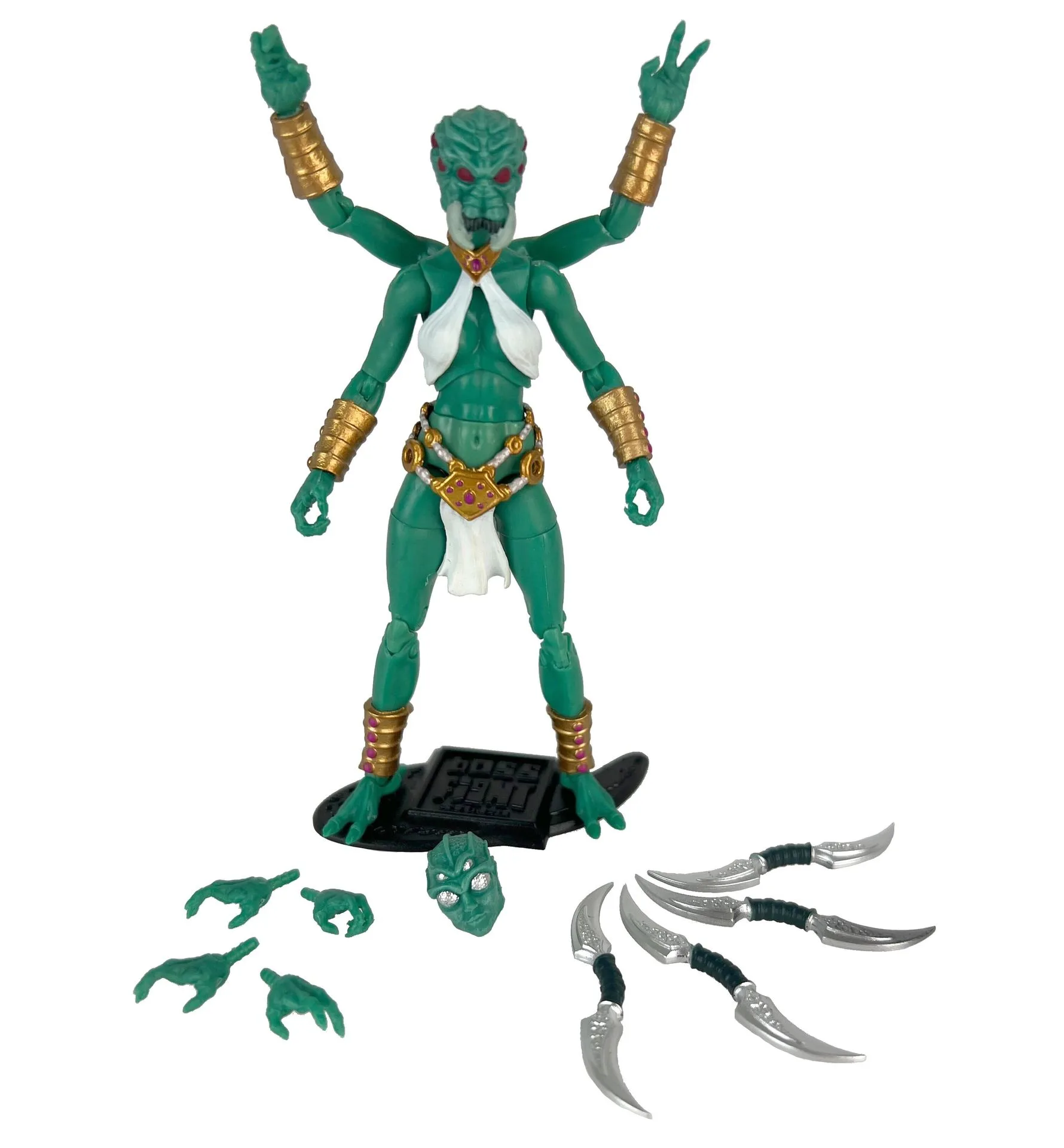
At the roughly $20–$30 tier, expect at least one primary weapon and a spare set of hands. Multi-weapon loads, like the 4 haladie daggers included with Coleop Terra, are a bonus rather than the norm. Treat extra weapons as upside, not a baseline.
Should I pre-order or wait for in-stock?
Pre-order when the character is a must-have and the line has a history of selling through; wait when you are unsure about scale or articulation and want to see in-hand photos first. Pre-order for certainty, wait for information.
What is the biggest mistake new collectors make with these figures?
Buying across mismatched scales. A 1:12 figure next to a 1:10 or 1:6 figure will look off no matter how good either sculpt is. Pick one scale and stay in it.
Product facts worth knowing
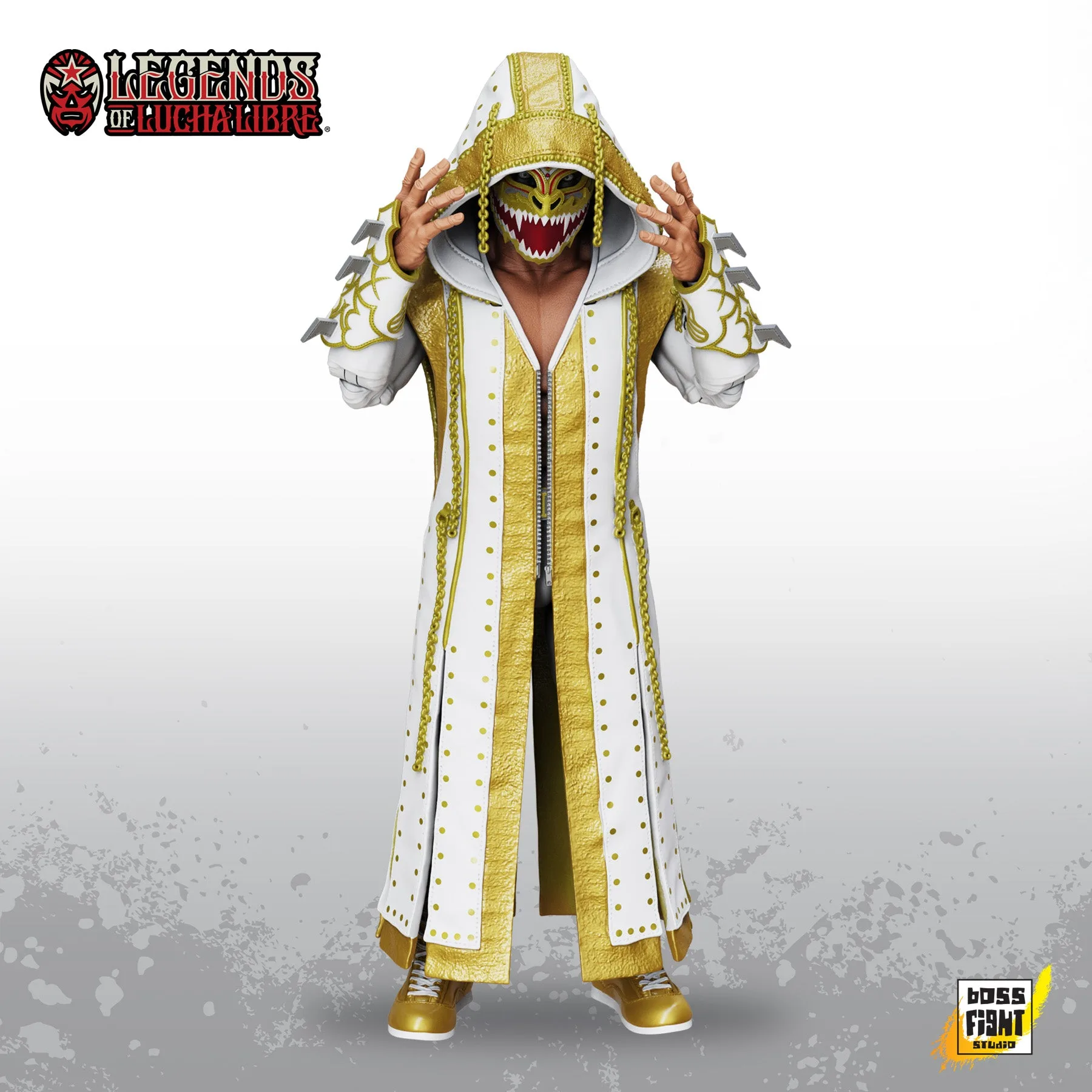
- Legends of Lucha Libre Premium Action Figure: Dralístico: Legends of Lucha Libre Premium Action Figure: Dralístico is a 1:12 scale figure with more than 32 points of articulation, a removable ring entrance jacket, and 3 sets of interchangeable hands. It shows the articulation and accessory standard to expect from a premium 1:12 figure, which is the same benchmark you should apply when judging a sword-and-sorcery release.
- Vitruvian H.A.C.K.S. Action Figure: Coleop Terra: Vitruvian H.A.C.K.S. Action Figure: Coleop Terra is a carded figure that comes with 4 haladie daggers and additional hands, and the line is built around interchangeable parts across its characters. If you like swapping weapons and hands between figures, a part-compatible line gives you far more display variety per dollar than a single fixed sculpt.
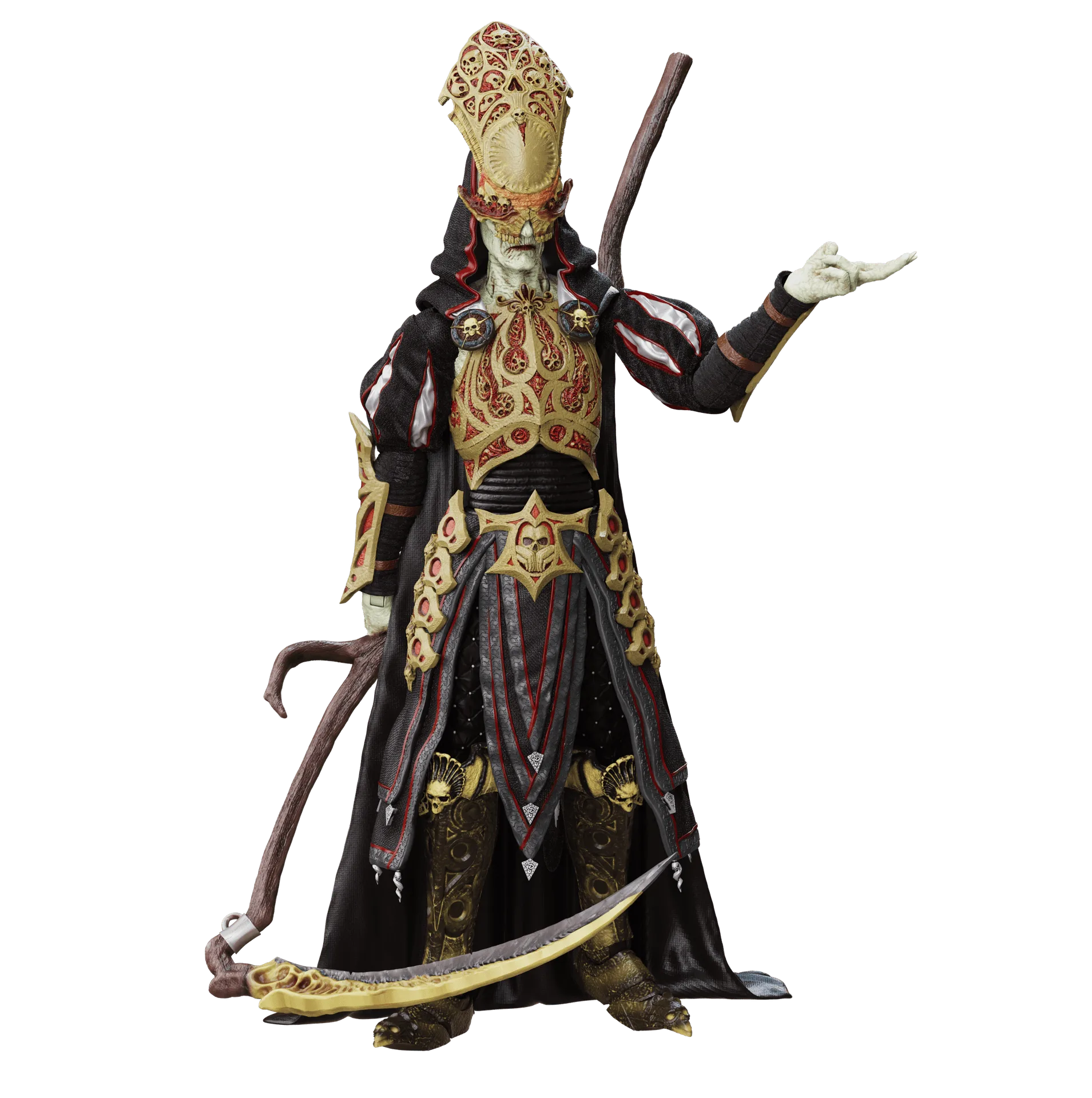
- Court of the Dead 1:12th Scale Action Figure | Death: Master of the Underworld: Court of the Dead 1:12th Scale Action Figure | Death: Master of the Underworld is a 1:12 scale figure in the Court of the Dead line. It confirms that 1:12 is the common scale across these lines, so figures from different themes can share a shelf without a height mismatch.