Quick answer
A concave shutter button gives your fingertip a natural resting hollow, which many photographers find more comfortable and secure for long handheld sessions. A flat shutter button offers a neutral, traditional surface that some prefer for a lighter, quicker tap. Neither is universally better; your choice depends on how you shoot and whether you want a soft release button upgrade that changes the feel of every press.
How the two shapes change the way you press
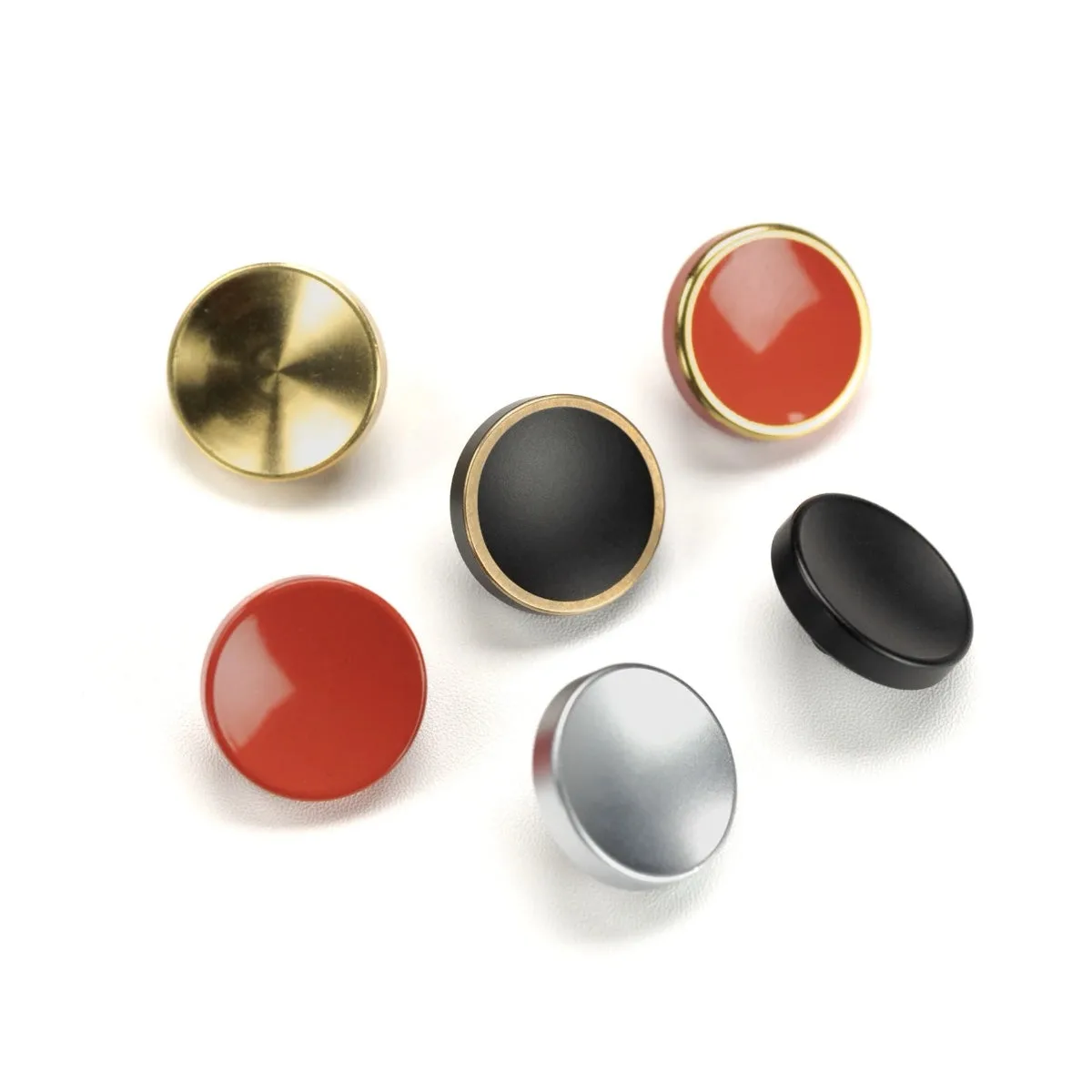
The shape of the button surface changes where your finger contacts and how much pressure you need. A concave design, like the SquareHood Concave Shutter Button, has a slight dip that cradles the fingertip. That can reduce the chance of slipping off during a slow, deliberate half-press. A flat button, by contrast, presents a consistent surface that some shooters find easier to tap quickly without adjusting finger position. The difference is subtle but noticeable over hundreds of frames.
Fit and compatibility: what to check before buying
Most screw-in soft release buttons, including the SquareHood Concave Shutter Button, are designed to screw into the shutter release of many cameras from Leica, Fuji, Nikon, and Canon. The button has a 10.5mm diameter and comes with a rubber O ring to help prevent it from loosening. If your camera has a threaded shutter release, a screw-in button is straightforward. If it does not, you may need an adapter or a different approach. Always check your camera model’s shutter release thread before ordering.
Material and build: brass, aluminium, and feel
The SquareHood Concave Shutter Button is made of solid brass, which gives it a bit of heft that some photographers associate with a premium feel. Brass can develop a patina over time, which changes the look but not the function. If you prefer a lighter button, some flat options are made of aluminium, though the supplied catalog does not list a specific flat model. The material affects weight and surface wear, not the basic screw-in mechanism.
Trade-offs at a glance
- Concave button: Cradles your fingertip, which can improve stability for slow, deliberate presses. The dip may feel unusual at first if you are used to a flat surface. Best for handheld shooters who value comfort and a secure feel.
- Flat button: Offers a neutral, predictable surface that some find quicker for rapid tapping. It does not guide your finger into a specific spot, so placement is up to you. Best for those who prefer a traditional, unobtrusive button shape.
- Soft release upgrade: Both shapes are soft release buttons that enlarge the shutter surface. They can make half-press easier, but they also add height, which may affect how the camera fits in a tight bag. Consider whether the added height matters for your carrying setup.
Product facts
- SquareHood Concave Shutter Button: Solid brass shutter button with a concave design; screws into most camera shutters including Leica, Fuji, Nikon and Canon; comes with a rubber O ring; 10.5mm diameter. The concave shape and brass build suit photographers who want a comfortable, secure finger rest and a button that resists loosening.
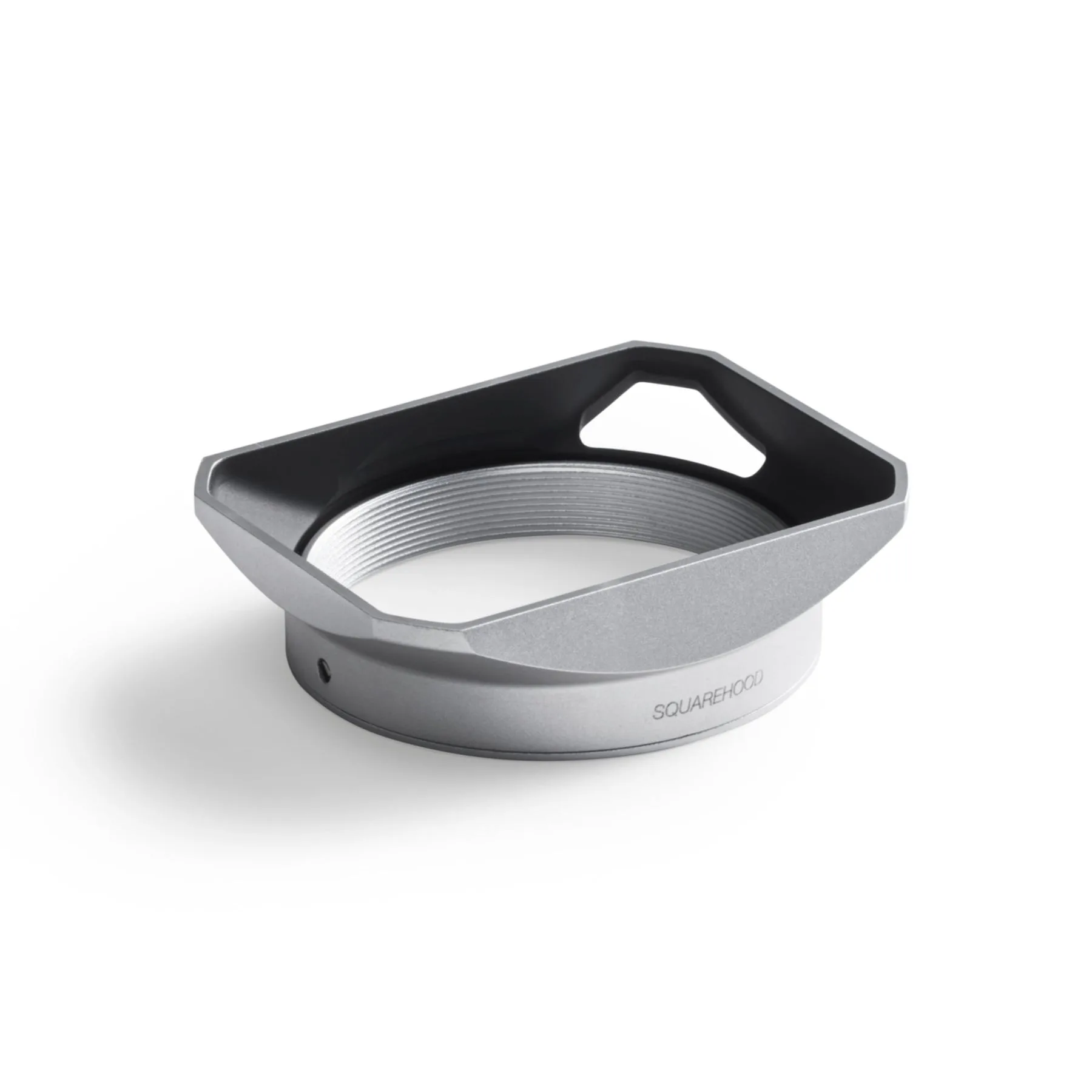
- SquareHood Model V for Fuji X100 Cameras - Silver: Aluminium lens hood for Fuji X100 series cameras (including X100VI); two-piece design with inner sleeve that supports filters; small window to minimise obstruction of the optical viewfinder. If you use an X100 camera, this hood shows how SquareHood designs accessories that balance protection with viewfinder usability—a useful reference when considering other SquareHood products.
Which should you choose?
Choose a concave shutter button if
- You often shoot handheld at slow shutter speeds and want extra finger security.
- You like a tactile, ergonomic feel and do not mind a slightly raised button.
- You want a solid brass button with an O ring to reduce loosening.
Choose a flat shutter button if
- You prefer a minimal, traditional shutter feel without a concave dip.
- You frequently pack your camera into tight spaces where extra height is a problem.
- You want the lightest possible button and prefer aluminium over brass.