Quick answer
Choose the Concavenator if you want a lesser-known, mysterious dinosaur with a unique dorsal hump. Pick the Allosaurus for a classic, powerful predator that dominated its era.
Size and presence
The Allosaurus was a massive predator, reaching up to 12 meters in length. The Concavenator was smaller, about 6 meters, but its unusual body shape makes it a standout in any collection.
Era and uniqueness
The Concavenator lived in Early Cretaceous Spain, while the Allosaurus roamed Late Jurassic North America. If you prefer a dinosaur that sparks curiosity and conversation, the Concavenator's mysterious hump and possible proto-feathers are fascinating. The Allosaurus is a more familiar, iconic choice.
Trade-offs at a glance
- Size: Allosaurus is larger (12 m vs. 6 m). Choose Allosaurus for a more imposing figure; Concavenator for a compact but detailed piece.
- Uniqueness: Concavenator's hump and proto-feathers offer a rare conversation starter. Allosaurus is a familiar, classic predator.
- Era and origin: Concavenator (Early Cretaceous, Spain) adds geographical variety. Allosaurus (Late Jurassic, North America) is a staple of prehistoric collections.
Product facts
-
Figurine Concavenator: The Concavenator is a carnivore from Early Cretaceous Spain, about 6 meters long, with a distinctive hump formed by two elongated vertebrae. This hump makes it visually unique among dinosaur figurines, perfect for collectors who want something rare and scientifically intriguing.
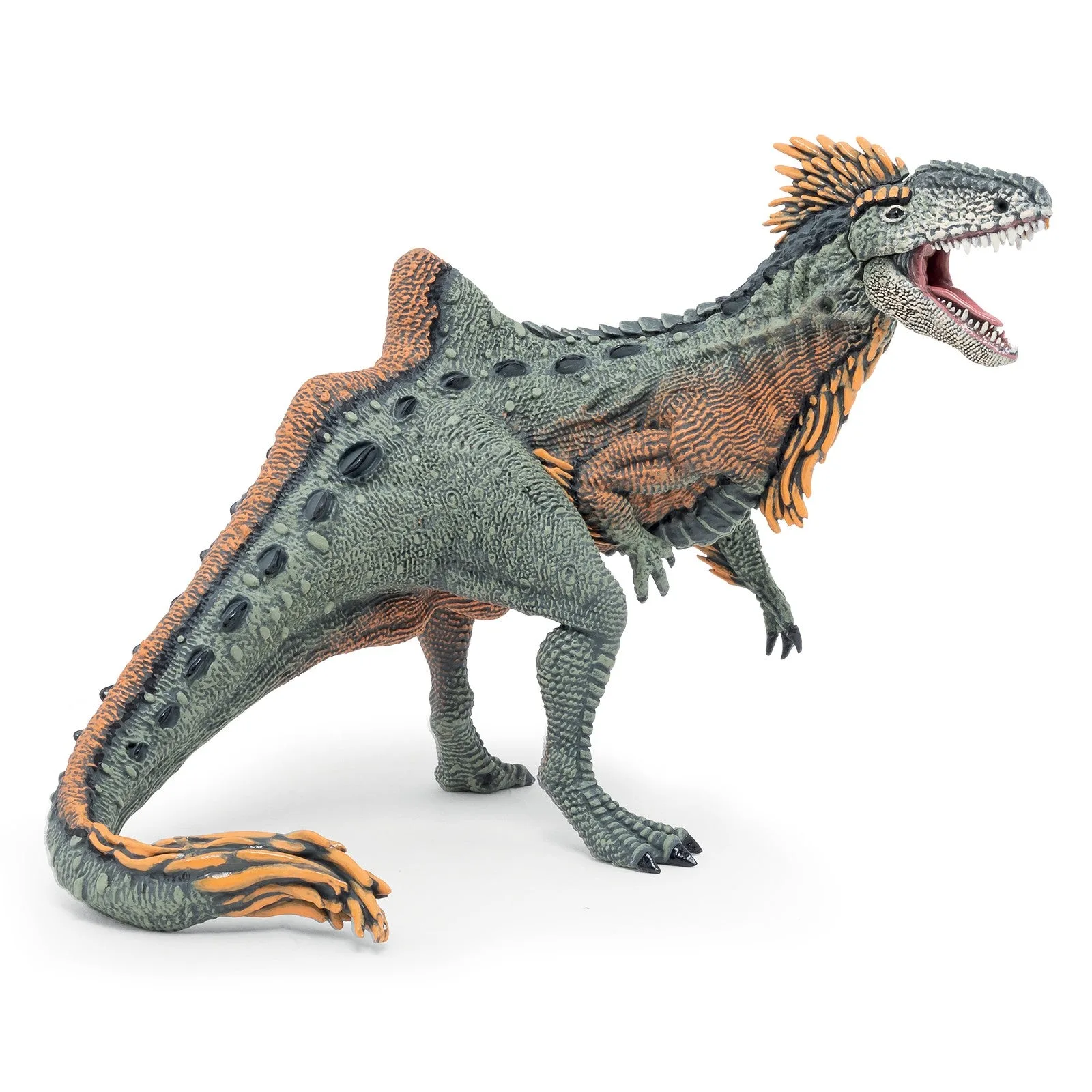
Figurine Concavenator
-
Figurine Allosaure: The Allosaurus was a dominant predator from Late Jurassic North America, reaching up to 12 meters with powerful jaws and sharp teeth. Its large size and classic predator look make it an impressive centerpiece for any dinosaur collection.
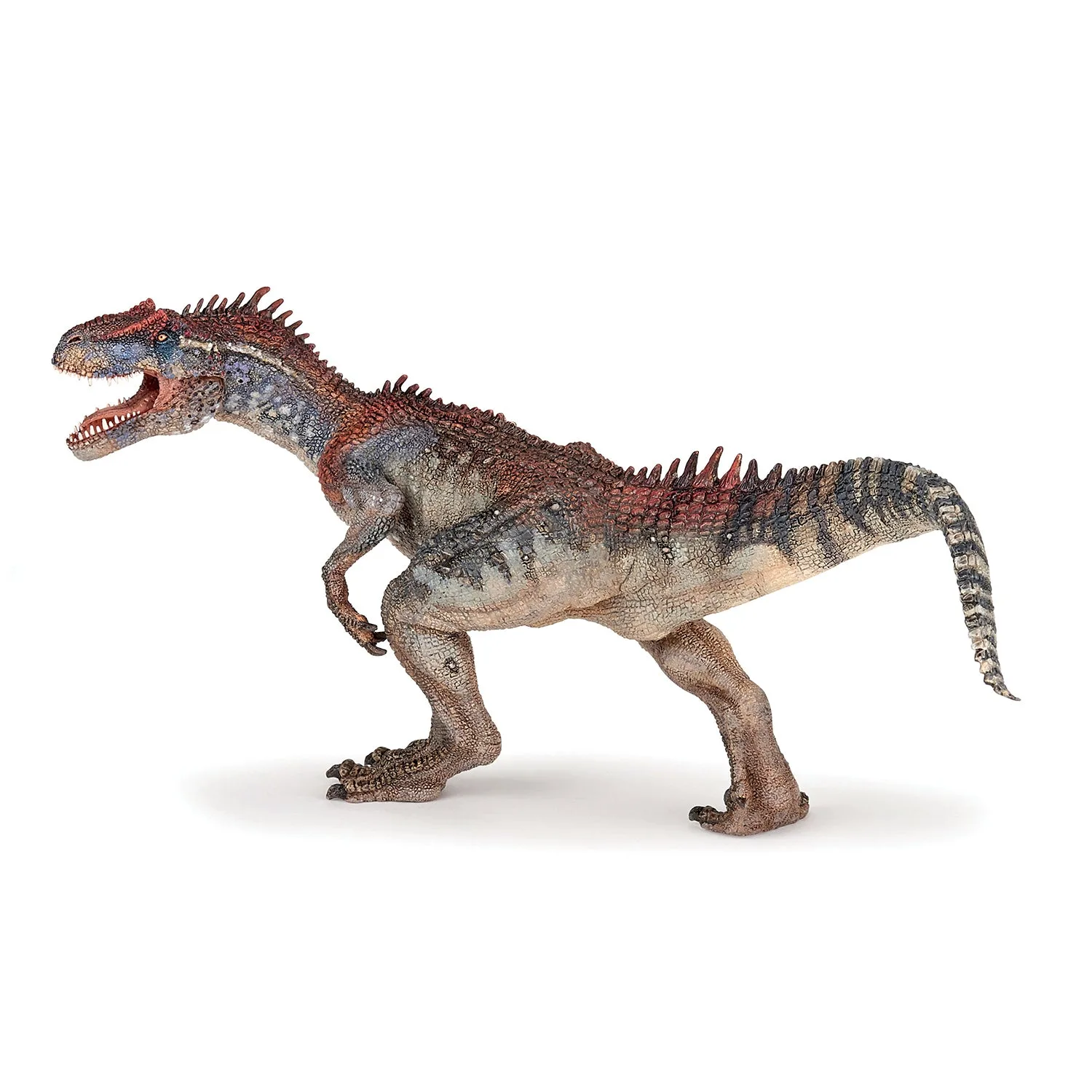
Figurine Allosaure
Which one fits you?
Best for
- Collectors seeking a scientifically unique, lesser-known dinosaur with a striking feature.
- Fans of Early Cretaceous or European dinosaurs who want to diversify their collection.
Not for
- Those who want a large, iconic predator that matches classic dinosaur imagery.