Quick answer
No, you do not need all three for every dog. Conditioner and care booster overlap heavily, so most coats need one or the other, not both. A finishing spray is a separate, optional step that adds scent or a final polish after the coat is dry.
The shelf in front of you has a conditioner, a care booster and a finishing spray, and each label promises softer, healthier coat. Buying all three feels safe, but it usually means paying twice for the same result.
The confusion comes from overlapping claims rather than overlapping jobs. Once you separate what happens in the tub from what happens after drying, the decision gets much simpler.
Myth: a care booster is a completely different product from a conditioner
In practice, a care booster and a conditioner do the same job: they add moisture and manageability after shampooing. The difference is usually concentration and how you dilute them, not a separate step in the routine. If your conditioner already leaves the coat soft and easy to comb, a booster adds cost without adding a new benefit.
The genuine exception is a coat that is dry, coarse or damaged enough that your current conditioner is not enough on its own. In that case, switch to a more moisturizing conditioner rather than stacking a booster on top of it. One product used properly beats two products used vaguely.
- Read the dilution instructions first. A concentrated product used at the wrong ratio can feel like it is not working when the real problem is the mix.
- If you are already happy with comb-out and shine, you do not need a booster.
Myth: you always need a finishing spray after conditioner
A finishing spray is not a conditioning step. It is a final touch applied to a dry or mostly dry coat to add scent, reduce flyaway, or give a polished look before the dog goes home. Many dogs never need one, especially short-coated breeds that already dry smooth.
Where it earns its place is on coats that statically lift, or in a salon where the client expects a noticeable scent at pickup. If the coat is clean, conditioned and drying flat, adding a spray is a preference, not a requirement.
- Apply finishing spray lightly and away from the face, then brush through. Heavy application is what makes coats look greasy, not the product itself.
- If you already use a cologne at pickup, a scented finishing spray may be redundant.
Myth: layering more coat products always means a better result
Layering works when each product has a distinct job and you let the previous one do its work. It fails when two products are doing the same thing, because you cannot tell which one helped and you cannot tell which one caused a problem if the coat reacts.
A practical rule: one wash-step product, then one optional finish-step product. That gives you a clear cause and effect when you change something, which matters far more in a busy salon than squeezing in an extra bottle.
- Change one product at a time so you know what made the difference.
- Keep the routine you can repeat on your busiest day, not the one that only works when you have extra time.
Myth: concentrated products are only worth it for high-volume salons
Dilution rates are the reason concentrated products exist, and they change the math for anyone bathing more than occasionally. A 50:1 shampoo, for example, gives you far more usable product per bottle than a ready-to-use formula, which is why it is common in professional settings.
That said, concentration only pays off if you actually measure. Guessing at the ratio wastes product and can leave residue that makes the coat look dull. If you are not going to dilute carefully, a simpler formula is the better buy.
- Use a mixing bottle with clear markings so the ratio is repeatable.
- Store diluted product only as long as the label allows.
Verdicts: what to keep, what to skip
- Conditioner plus care booster: These two do the same job: adding moisture and manageability after shampooing. Use one, and choose a more moisturizing formula if the coat still feels dry. Verdict: pick one, not both.
- Finishing spray on every dog: A finishing spray is an optional final step for scent or polish on a dry coat. It is not a conditioning step and many coats do not need it. Verdict: optional, not automatic.
- Layering multiple coat products: Layering only works when each product has a distinct job. Two products doing the same thing make it impossible to tell what helped or what caused a reaction. Verdict: one wash-step, one optional finish-step.
- Concentrated formulas: Concentration is about dilution math, not about needing more products. It pays off when you measure consistently and store diluted product correctly. Verdict: worth it if you dilute properly.
Products that show how these steps differ
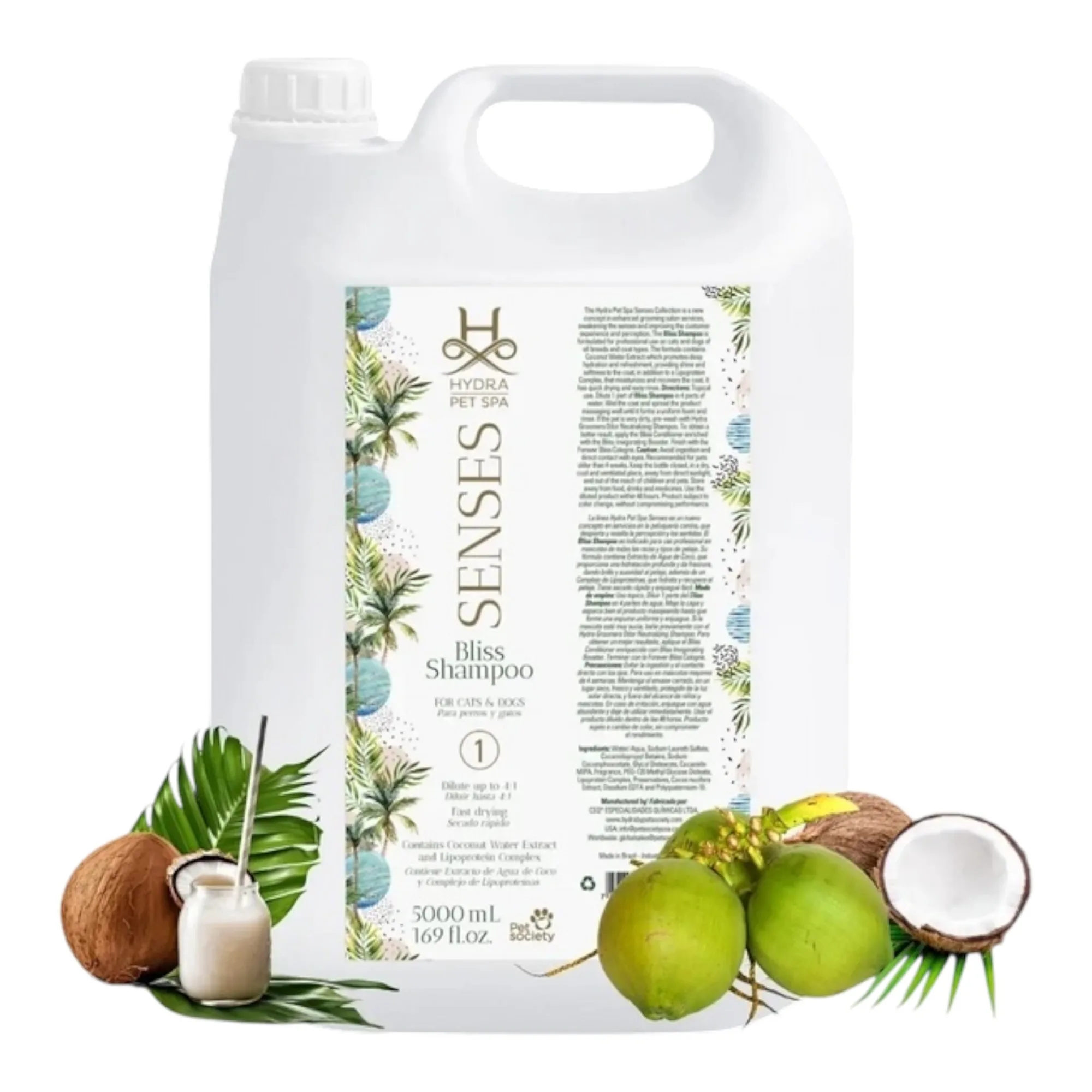
- Hydra Senses Bliss Shampoo-169 oz: Concentrated 4:1 formula with Coconut Water Extract and a Lipoprotein Complex, designed for dogs and cats over 4 weeks old, rinsing easily and drying quickly. This is the wash-step product. If your shampoo already hydrates and rinses clean, a separate care booster is usually redundant.
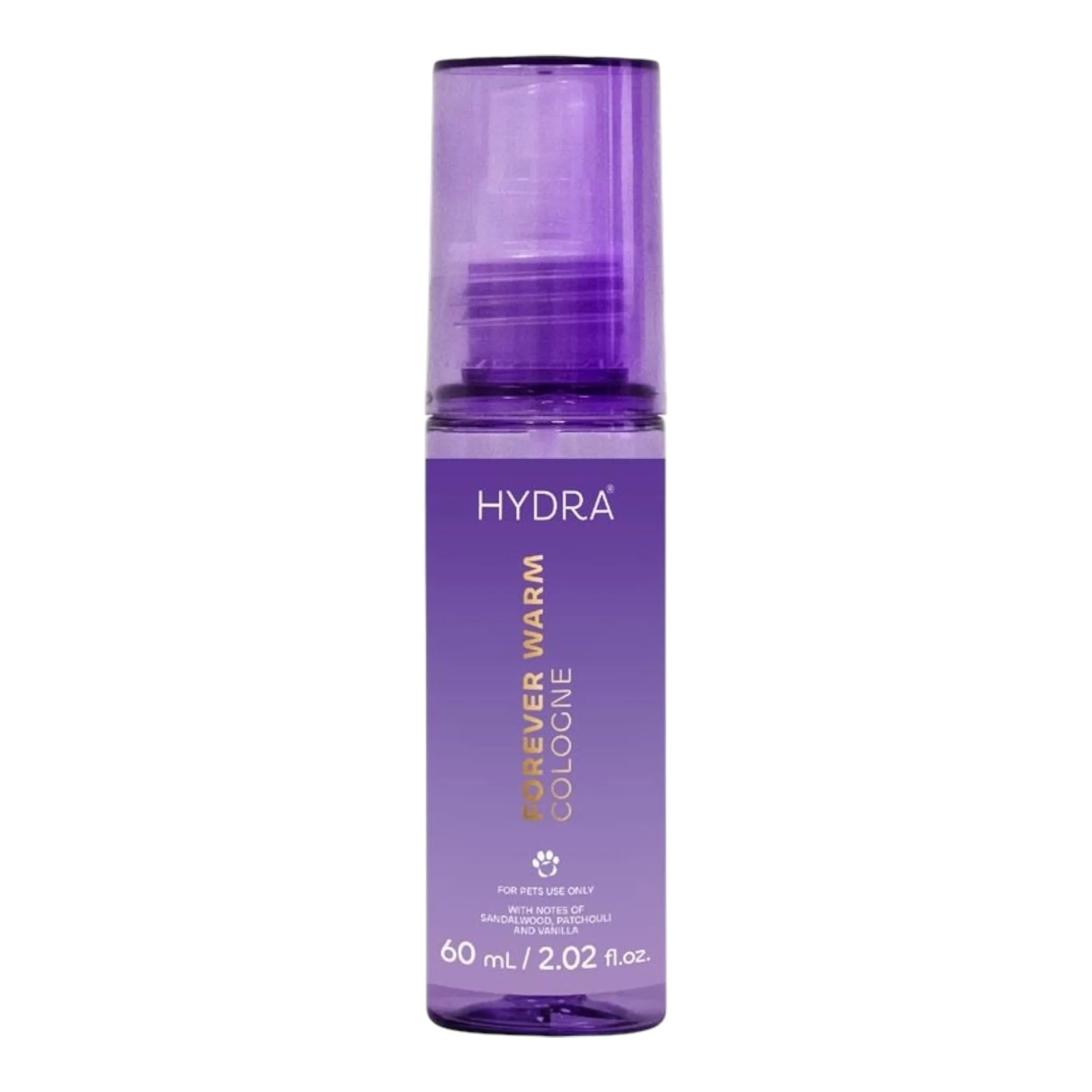
- Hydra Retail Forever Warm Cologne-2.02oz.: A woody fragrance with black pepper, lily of the valley and vanilla patchouli, described as a subtle, long-lasting finish applied after grooming. This is the finish-step product. If you already use a cologne at pickup, a scented finishing spray is a duplicate, not an addition.
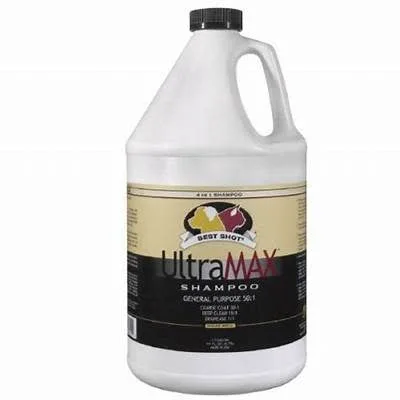
- Best Shot UltraMax 4-In-1 Shampoo 50:1-Gallon: A general purpose dog shampoo with a 50:1 dilution rate, positioned as a cost-effective option that gives more shampoo per purchase. Shows why concentration matters: the value comes from correct dilution, not from adding more products to the routine.
Start with one wash-step product that leaves the coat clean and manageable, then decide whether a finishing spray adds anything your routine is missing. Most dogs need fewer bottles than the shelf suggests.