Quick answer
Condoms and lubricants serve different but complementary roles. Condoms are your primary barrier against STIs and pregnancy, while lubricant reduces friction and enhances comfort. For most intimate activities, using both together is the safest and most pleasurable choice. The key is choosing a lubricant that is compatible with your condom material.
What Condoms Do That Lubricants Can't
Condoms are designed as a physical barrier to prevent the transmission of sexually transmitted infections (STIs) and to help prevent pregnancy. They work by blocking the exchange of bodily fluids during vaginal, anal, or oral sex. No lubricant, regardless of its formula, can provide this level of protection.
Modern condoms like the HEX Original Condoms are re-engineered for thinness and strength. Their unique design uses 350 individual hexagonal cells and ultra-thin panels, offering a better fit while maintaining durability. This makes them a reliable choice for safe sex, especially when paired with the right lubricant.
What Lubricants Do That Condoms Can't
Lubricants are all about comfort and sensation. They reduce friction, making penetration smoother and more pleasurable. They can also prevent micro-tears in sensitive tissue, which is especially important during anal sex or when using toys. A good lubricant can make a significant difference in your overall experience.
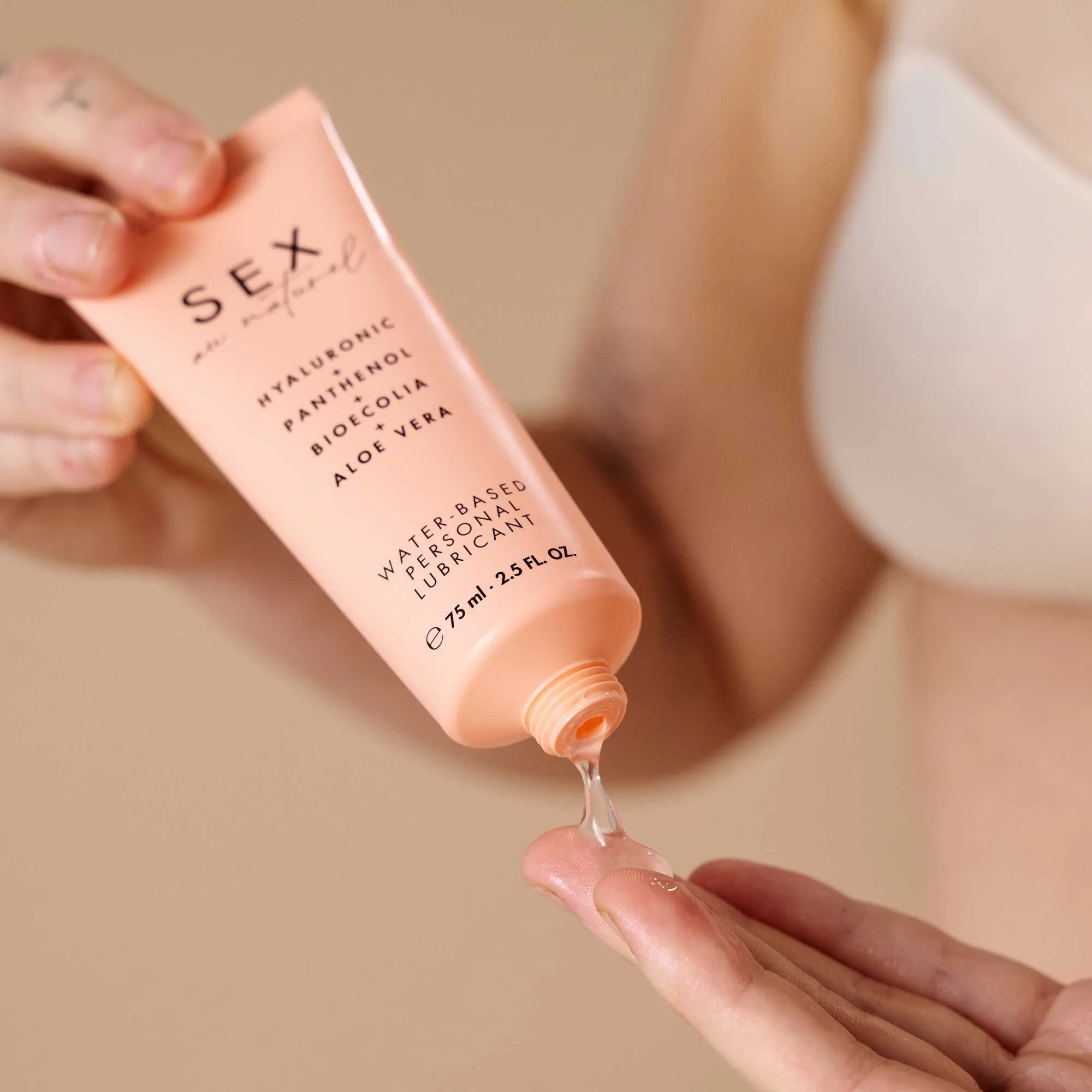
Not all lubricants are created equal, however. Some feel sticky, some dry out too quickly, and some can disrupt your intimate balance. A water-based prebiotic personal lubricant is designed to work with your body's ecosystem, mimicking natural lubrication to support comfort and hydration without causing irritation.
Why You Should Use Both Together
Using a condom without lubricant can lead to increased friction, which may cause the condom to break or cause discomfort. Adding a compatible lubricant reduces friction, making the experience safer and more enjoyable. The key is to ensure the lubricant is compatible with your condom material.
For latex condoms, always use a water-based or silicone-based lubricant. Oil-based products (like petroleum jelly, coconut oil, or massage oils) can weaken latex and cause the condom to fail. Water-based lubricants are generally the safest and most versatile option, as they are compatible with all condom materials and are easy to clean up.
Condoms vs Lubricant: Trade-Offs at a Glance
- Condoms: Protection first: Condoms are non-negotiable for STI and pregnancy prevention. They are a barrier, not a comfort enhancer. Without lube, they can cause friction and discomfort. Always use a condom for protection. Add lube for comfort.
- Lubricants: Comfort first: Lubricants enhance pleasure and reduce friction, but they do not protect against STIs or pregnancy. Using lube without a condom leaves you vulnerable to infections. Lube makes sex feel better, but it doesn't replace a condom.
- Using both: The best of both worlds: Combining a condom with a compatible water-based lubricant gives you protection plus comfort. The trade-off is that you need to choose the right lube type to avoid damaging the condom. Water-based lube + latex condom = safe, comfortable play.
Products That Help You Play Safe
- HEX Original Condoms, 12 Pack: HEX Original Condoms, 12 Pack: Re-engineered with 350 individual hexagonal cells and ultra-thin panels for thinness and strength combined, plus a better fit to your anatomy. Natural latex condom, 0.045mm thin, 54mm diameter, lightly lubricated. If you want a reliable barrier that feels thin and natural, this condom's unique design provides strength without sacrificing sensation. It's a solid foundation for safe play.
- Water-Based Prebiotic Personal Lubricant: Water-Based Prebiotic Personal Lubricant: Designed to mimic natural lubrication, this water-based formula works with your intimate ecosystem instead of against it. It avoids stickiness and premature drying, supporting comfort and hydration. This lubricant is an excellent partner for latex condoms because it is water-based and won't degrade the condom material. It also helps maintain your natural balance, making it ideal for frequent or sensitive use.
Which Should You Choose?
Best for
- Anyone having vaginal or anal sex who wants to prevent STIs and pregnancy
- People who experience discomfort or friction during condom use
Not for
- Situations where you need only lubrication and no barrier protection (e.g., solo play or with a long-term monogamous partner using another birth control method)
- Using oil-based products with latex condoms