Quick Answer
For a conical nipple shield to work well, it must fit snugly and be positioned correctly. If you're having trouble, check the size, placement, and baby's latch before considering other options.
Why Fit Matters
A nipple shield that doesn't fit properly can cause more problems than it solves. A too-small shield may pinch or cause pain, while a too-large one can slip or make it hard for baby to latch. The conical shape is designed to maintain close contact, so the fit directly affects how well your baby can transfer milk.
The Mamivac® Conical Nipple Shield is made of thin, skin-friendly silicone that is tasteless, so it won't interfere with your baby's senses. Its unique shape helps your baby feel your warmth and smell you, which can encourage a better latch. But these benefits only happen if the shield is the right size and placed correctly.
Common Problems and Their Causes
Many issues with nipple shields come down to three things: size, placement, and baby's latch. If the shield slips, it's often too large or not positioned deep enough in the mouth. If your nipple hurts, the shield might be too small or the baby is not latching deeply. If your baby seems frustrated, the milk flow might be too slow or too fast, which can happen if the shield is not positioned correctly.
When to Seek Help
Nipple shields are a tool, not a permanent solution for every breastfeeding challenge. If you've tried adjusting the size and placement and still have pain, poor milk transfer, or your baby is not gaining weight, it's time to see a lactation consultant. They can help you wean off the shield if needed and address the underlying cause.
Diagnosis Guide
- Symptom: Shield slips or falls off: Likely cause: The shield is too large or not positioned deep enough in baby's mouth. Corrective action: Try a smaller size and ensure the shield is centered over the nipple with the baby's mouth covering the entire shield base. If slipping continues, consider a different size or shape.
- Symptom: Nipple pain or soreness: Likely cause: The shield is too small or the baby is not latching deeply. Corrective action: Check the size and try to encourage a deeper latch by aiming the nipple toward the roof of the mouth. Persistent pain may indicate an underlying issue; consult a lactation consultant.
- Symptom: Baby is frustrated or not getting enough milk: Likely cause: The shield is not positioned correctly, affecting milk flow, or the shield is the wrong size. Corrective action: Reposition the shield and check that the baby's lips are flanged around the base. If milk transfer doesn't improve, seek professional help.
- When to stop and choose another option: If you have tried multiple sizes and positions, and the shield still causes pain or poor feeding, it may not be the right solution for you. Stop using it and consult a lactation consultant or your healthcare provider to explore other options.
Product Spotlight
-
Conical Nipple Shield: The Mamivac® Nipple Shield is made of thin, skin-friendly, and tasteless silicone. This means it won't add a plastic taste or feel bulky, helping your baby accept the shield more easily.
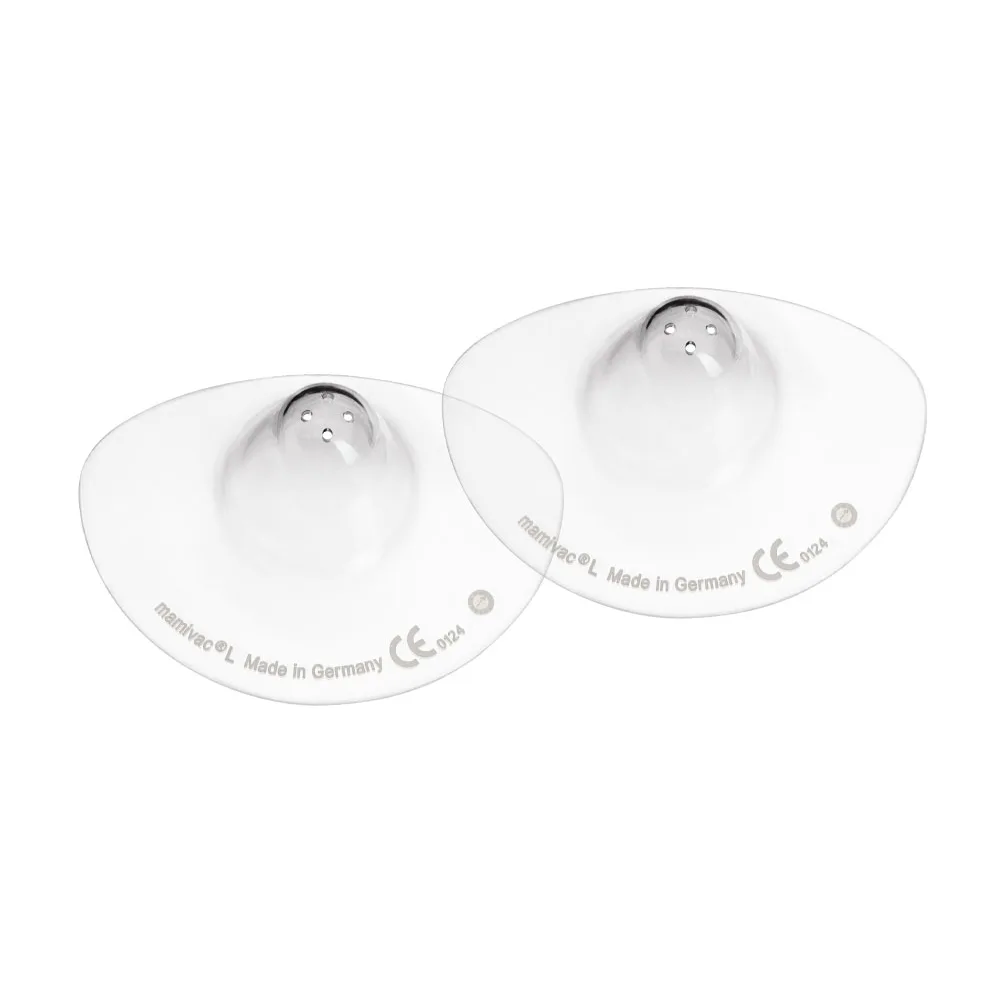
Conical Nipple Shield
-
Conical Nipple Shield: The unique shape helps the baby directly feel the mother's warmth and perceive smell. This closeness can encourage a more natural latch and make the shield feel less like a barrier.