Quick Answer
Measure your console with cables attached, then buy a case that is at least 1 inch larger on every side. A semi-rigid shell with a separate controller pocket suits most homes; a hard shell with foam cutouts suits frequent travel. If the case stays on a shelf, a dust cover is cheaper and does the same job.
Measure Before You Shop
Most returns happen because the console fits the case but the cables do not. Measure the console body, then add the power brick, HDMI cable, and any dock or stand you carry. Write down the longest single item, not the console alone.
Also measure the tallest point. A console with a dock or vertical stand can be twice as tall as the bare unit, and that height is what breaks a slim case's zipper.
- Console body: length, width, height
- Longest cable or power brick when coiled
- Dock, stand, or vertical base footprint
- Controller width if it shares the main compartment
Match the Shell to How You Travel
Semi-rigid EVA shells absorb bumps in a backpack and stay light. Hard polycarbonate shells survive being checked or thrown in a car trunk, but they add weight and bulk. Soft fabric sleeves only stop scratches, not drops.
If your console moves less than once a month, a semi-rigid case is the better trade. If it rides in a car or plane seat regularly, pay for the hard shell and accept the extra weight.
- Semi-rigid: backpack, shelf, occasional trips
- Hard shell: checked luggage, car trunk, weekly travel
- Soft sleeve: dust and scratches only, no drop protection
Controller Storage Solutions Inside the Case
A dedicated controller pocket keeps analog sticks from pressing against the console screen or shell. Look for a pocket with a strap or elastic band, not just a loose mesh pouch.
If you carry two or more controllers, check whether the case lists a separate compartment for each. Stacking controllers on top of each other is the fastest way to loosen sticks.
- One controller: single elastic strap is enough
- Two or more: separate pockets or a removable divider
- Avoid: loose mesh pouches where sticks can press on the console
Dust Protection When the Case Stays Home
A closed case is the best dust protection, but it traps heat if you charge inside it. If your console lives on a shelf, a fabric dust cover with vent openings is a lighter option than a full case.
Never store a console in a sealed case while it is still warm. Let it cool for 15 minutes, then close the case so condensation does not form on the vents.
- Shelf setup: dust cover with vent openings
- Travel setup: closed case, console cooled first
- Avoid: charging a console inside a sealed case
Decision Rules for Console Storage Cases
- Rule 1: Measure with cables: Add the power brick and coiled HDMI cable to your console dimensions before comparing case sizes. If the case interior is not at least 1 inch larger on every side, skip it.
- Rule 2: Match shell to trip frequency: Semi-rigid for monthly trips, hard shell for weekly travel or checked luggage. Buying a hard shell for a shelf console wastes money and space.
- Rule 3: Separate the controllers: Choose a case with a dedicated controller pocket or divider rather than one large open compartment. Loose controllers press on sticks and screens during transit.
- Rule 4: Check the vents: A case with no vent openings is fine for travel but not for charging or warm storage. Cool the console for 15 minutes before closing any sealed case.
Products That Fit This Setup
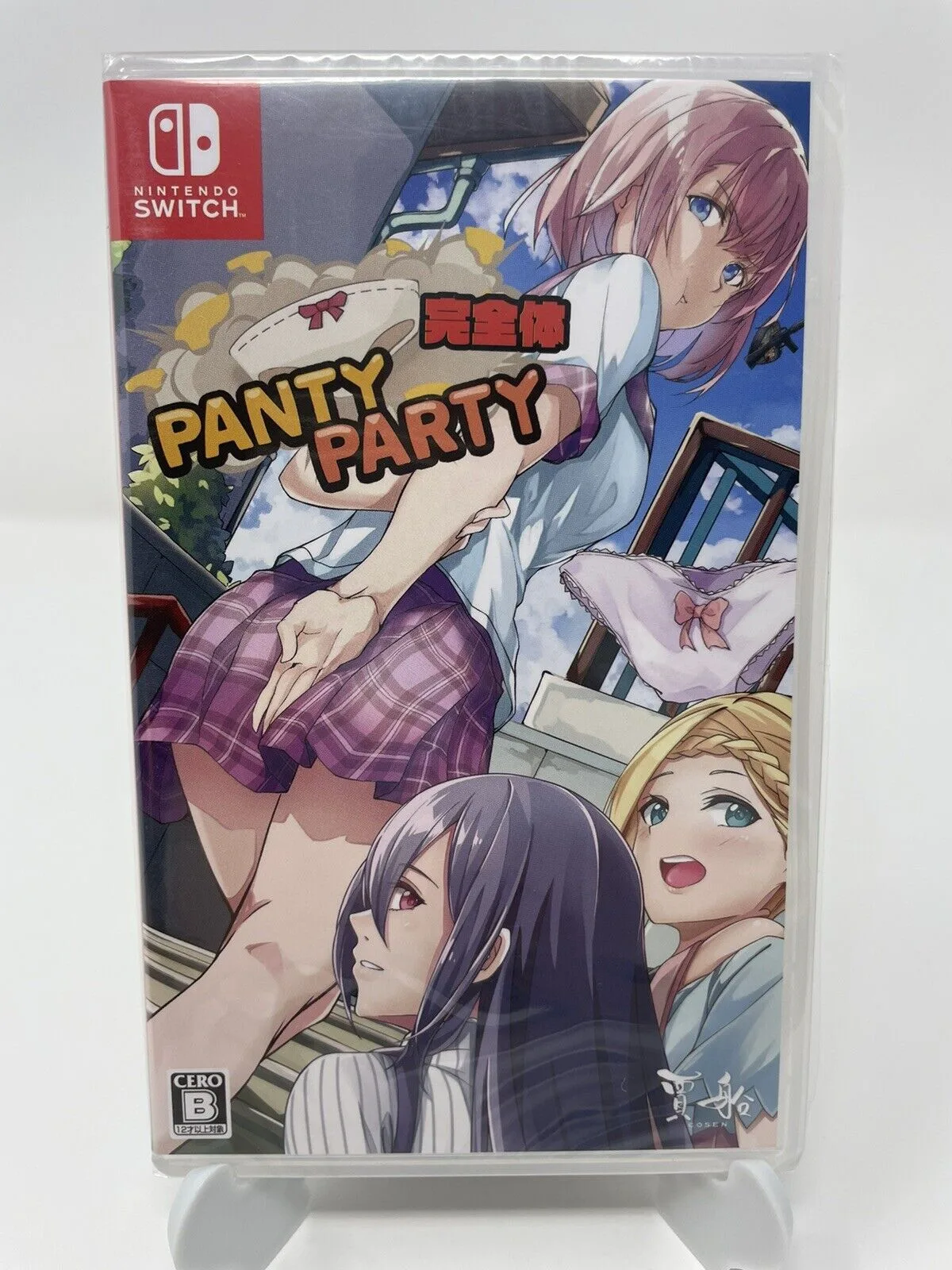
- Panty Party: Perfect Body (Nintendo Switch, 2020): Panty Party: Perfect Body for Nintendo Switch is brand new in original shrink wrap and plays with English text. A sealed Switch game is the kind of small item that belongs in the case's accessory pocket, not loose in the main compartment.
- Chainsaw Man - Reze Arc Okkochi Plush Keychain [Reze]: The Chainsaw Man Reze Arc Okkochi plush keychain is about 4.33 inches tall and made from felt, boa, and nylex. Soft keychains clip to a case handle without scratching the shell, so they travel well as a bag tag.
Who Should Buy Which Case
Best for
- Players who move a console between rooms or to a friend's house monthly
- Collectors who want dust protection on a shelf without a full hard case
- Travelers who carry one controller and a few physical games
Not for
- Owners who never move the console and already keep it dust-free
- Travelers who need to charge the console inside a sealed case
- Anyone who has not measured the console with cables attached
![Chainsaw Man - Reze Arc Okkochi Plush Keychain [Reze]](https://xilands.com/api/media/sync/54/548de0af50c2aca9ad78da2c580f5c36880fcd4756217fb66c31df0ddbf31923.webp)