Quick answer
A contact lens sampler pack is a small set of single pairs you order together to test several colors on your own eyes before committing to a full box. Start with three pairs in different tones, wear each in daylight and indoor light, and keep the one that reads natural on your eye color. If you have astigmatism, include at least one toric pair so the color you pick is actually available in your prescription.
What a sampler pack is (and what it is not)
A sampler pack is not a special product sold by one brand. It is a buying strategy: you order a few single pairs from different lines, treat them as a trial run, and only buy a full box once you know which shade works. On a store with 800+ options, this is the only realistic way to avoid ending up with a box you never wear.
The main trade-off is cost per pair. Single pairs cost more per lens than a box, so a sampler is an experiment, not a savings plan. Budget for three to five pairs, accept that some will be a miss, and treat the miss as information rather than waste.
How to build a sampler that answers a real question
Choose pairs that differ in a way you can actually see. Varying only the brand rarely helps; varying tone, opacity, and outer-ring style does. A useful three-pair sampler for dark eyes might include a warm golden-brown, a high-coverage shade with a defined ring, and a softer natural-finish lens.
Order all pairs at once if you can. Wearing them within the same week makes comparisons fairer, because your perception of color shifts with lighting, fatigue, and what you wore yesterday. Label each pair's packaging so you do not mix up which lens produced which result.
How to test each shade before you commit
Wear each pair for a normal day, not a five-minute mirror check. Look at your eyes in three conditions: direct daylight, indoor warm light, and a photo with flash. Flash is the harshest test and reveals whether the pattern looks painted on or blends.
Write down one sentence per pair: what the color did to your eye, and whether you would wear it to work. If a lens only works in photos, it is a costume lens, not your everyday shade. That distinction decides whether you buy a box or move on.
Check fit and prescription before you fall in love with a color
Color is the fun part, but fit decides whether you can wear the lens at all. If your eyes feel dry, scratchy, or the lens shifts when you blink, stop and remove it. A shade that looks perfect but does not sit comfortably is not a candidate.
If you have astigmatism, your options narrow. Standard spherical colored lenses may not correct your vision, so a toric colored lens is the only way to get both color and clear sight. Confirm your prescription details before ordering a sampler, because a shade available only in plano or standard power cannot be your everyday lens.
A practical three-pair sampler for dark eyes
Start with one warm brown, one grey, and one high-coverage shade. Warm browns tend to look most natural on dark irises and are the safest first pair. Greys are the boldest and show you how much contrast you actually want. The high-coverage pair tells you whether you prefer full color change or a subtle lift.
If you wear a toric prescription, swap the grey for a toric hazel or brown so the sampler reflects what you can actually reorder. Testing a shade you cannot buy in your prescription wastes a pair.
Decision rules for your sampler
- Rule 1: Three pairs, three different jobs: Pick one natural warm tone, one bold contrast shade, and one high-coverage lens. If two pairs serve the same job, you learn less. If you cannot name what each pair is testing, cut it.
- Rule 2: Prescription first, color second: Check whether your power and astigmatism correction are available in the shade before you order. A color you cannot reorder is not a keeper. Toric wearers should include at least one toric pair in the sampler.
- Rule 3: Test in daylight, not just ring light: Wear each pair outdoors and indoors, and take one flash photo. A shade that only works in one lighting condition is a special-occasion lens. Decide after the third wear, not the first.
- Rule 4: Comfort outranks color: Remove any pair that feels dry, scratchy, or unstable. Do not push through discomfort to evaluate a shade. If it does not fit, it does not count.
Sampler-friendly pairs to consider
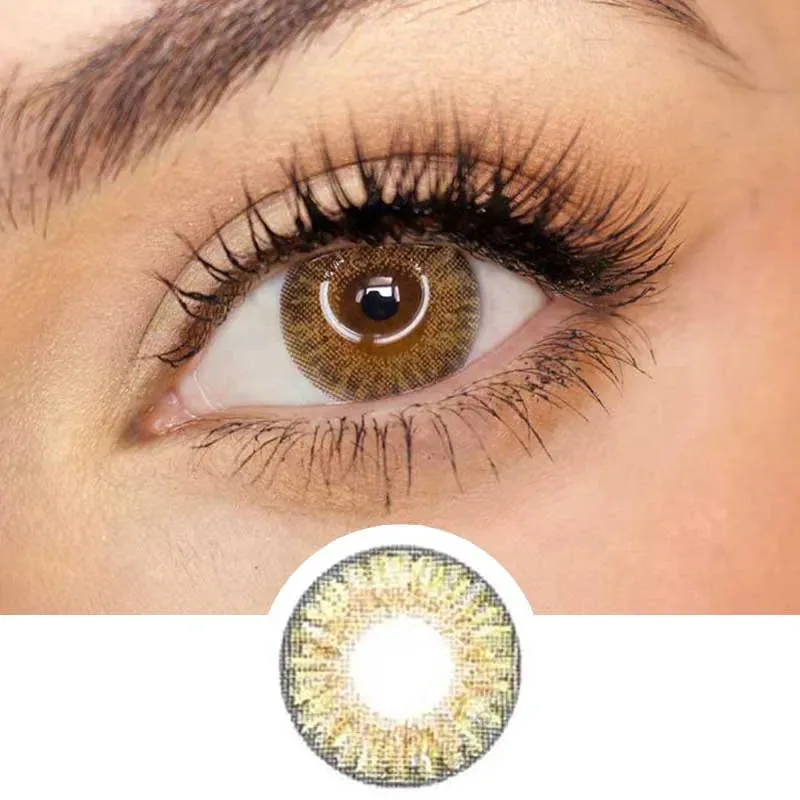
- Pink Label Fresh Look Pure Hazel (Custom Toric for Astigmatism): Pink Label Fresh Look Pure Hazel (Custom Toric for Astigmatism) is a custom toric colored lens that enhances dark brown eyes with a warm, golden-hazel tone and a structured outer ring for clarity and gentle enlargement. If you have astigmatism, this is the sampler pair that proves a colored toric can look natural while still correcting your vision.
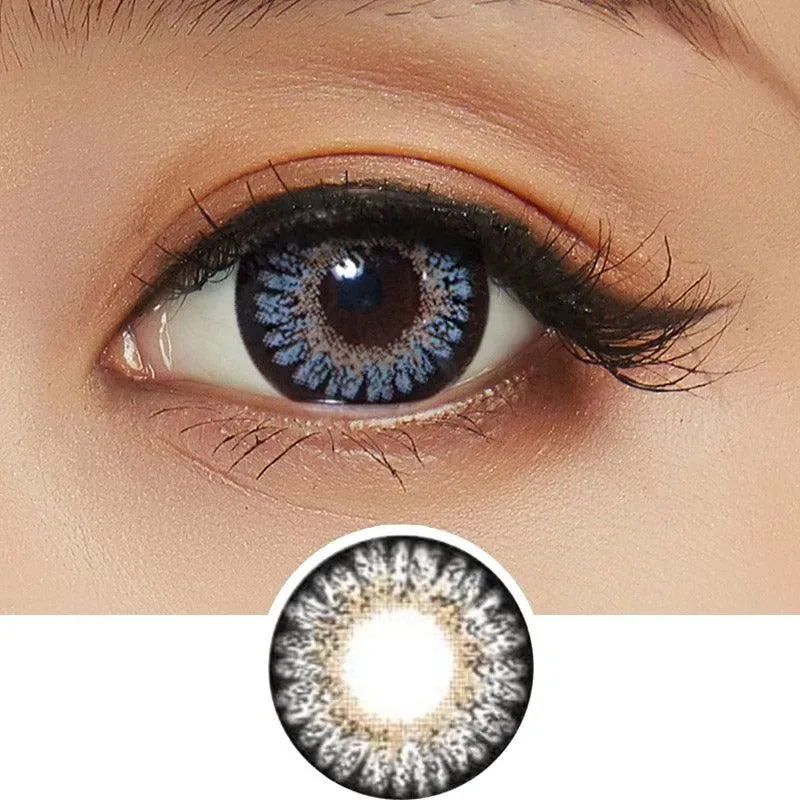
- Pink Label Bambi Grey: Pink Label Bambi Grey uses four tones and is described as a grey contact for dark eyes, positioned for parties and occasions where you want to stand out. A good high-contrast test pair: if this feels like too much for daily wear, you know to keep your everyday shade softer.
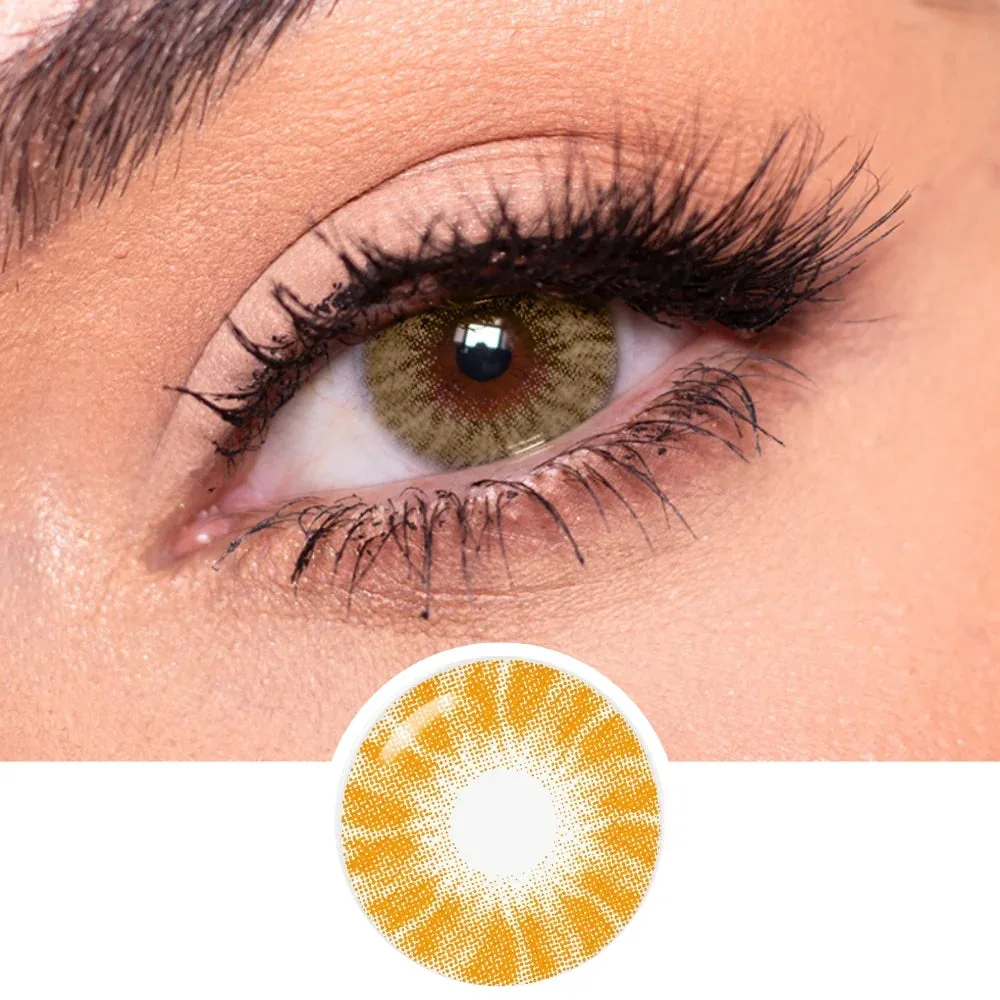
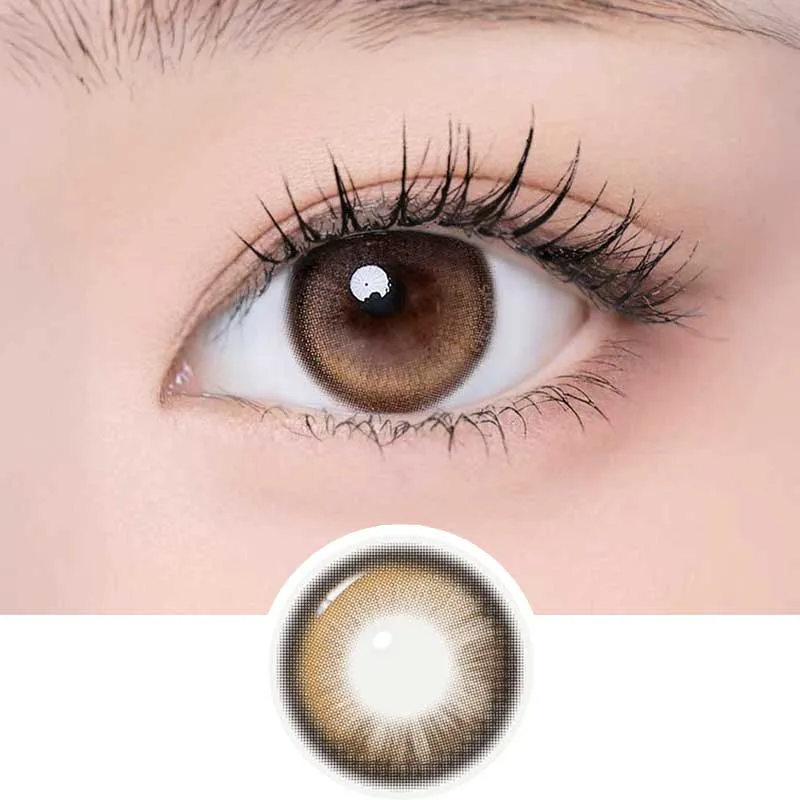
- EyeCandys Shade Brown: EyeCandys Shade Brown is a warm, golden-brown lens with a honey-toned pigment, radial pattern, and feathered outer edge designed to brighten dark eyes without looking artificial. The natural-finish baseline in a sampler; if this reads well in daylight, you can reorder it as your everyday pair.
Who a sampler pack is right for
Best for
- First-time colored contact wearers who do not know which tone suits their dark eyes
- Shoppers deciding between natural, bold, and high-coverage finishes
- Astigmatism wearers who need to confirm a colored toric option before buying a box
Not for
- Buyers who already know their shade and want the lowest cost per pair
- Anyone who has not confirmed their prescription or lens fit with an eye care professional