Quick answer
Standard contact probes are the right choice for most short- and medium-coated dogs because they sit close to the skin without excess pressure. Longer contact points, including Dogtra-style options, suit thick or double coats where standard probes cannot reliably reach the skin. The trade-off is simple: longer points improve contact but increase the risk of pressure sores if the collar is too tight or worn too long.
If your e-collar stimulation feels inconsistent, the problem is usually the contact points, not the receiver. The wrong length either floats above a thick coat or presses too hard into thin skin. This comparison breaks down how contact points and standard contact probes differ, when each makes sense, and how to match them to your dog's coat.
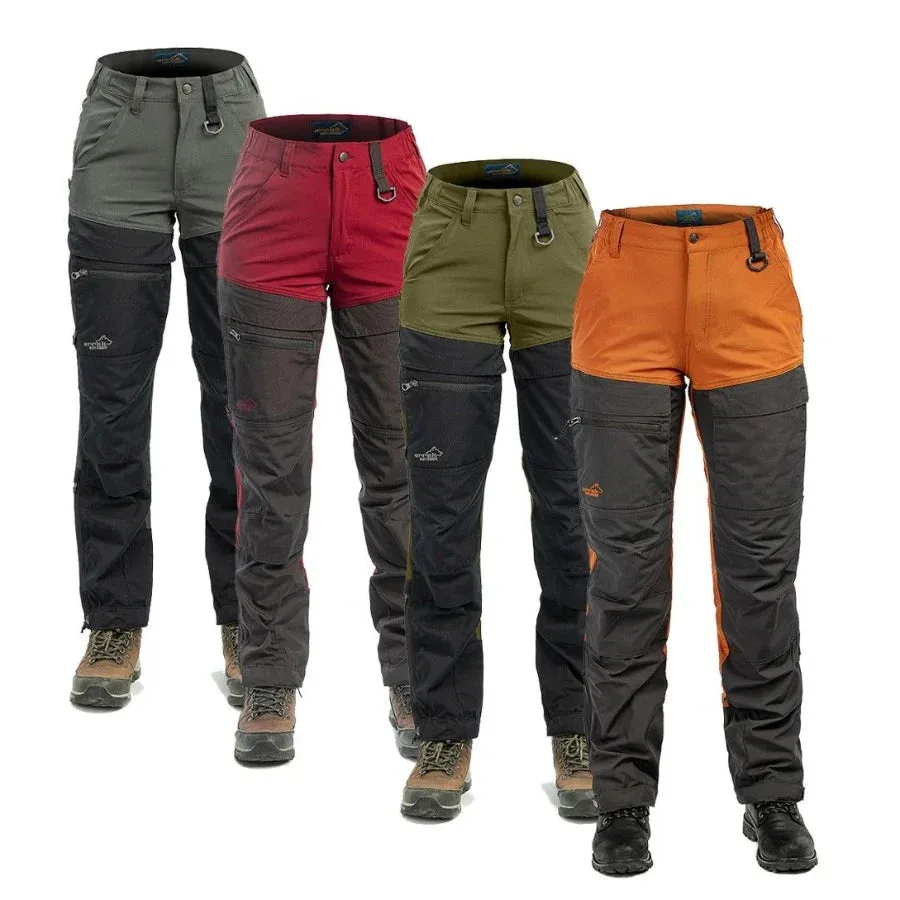
You will also see how a few K9pro products fit into the picture, including the Arrak In stock pants for handler comfort during long training sessions and the Soft Dog Travel Crate for keeping gear organized on the road. The goal is a collar setup your dog barely notices until you need it.
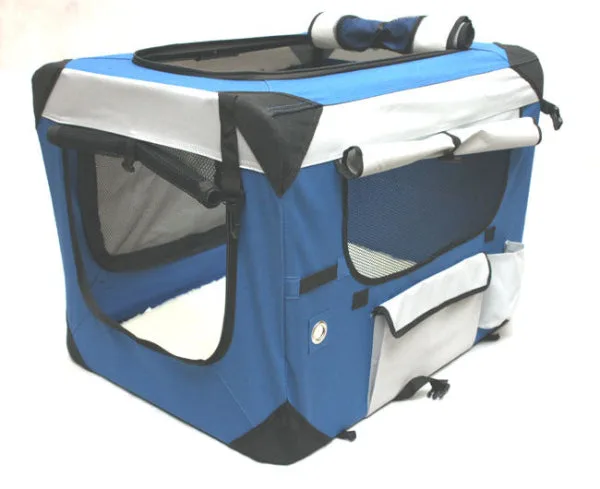
Soft Dog Travel Crate
What contact points and contact probes actually are
Contact points and contact probes are the metal prongs that carry stimulation from the e-collar receiver to your dog's skin. In everyday use, the terms overlap, but trainers often use contact points for the interchangeable metal tips and contact probes for the fixed or standard-length prongs that come with a collar. Both must touch skin to work, and both are measured by how far they extend from the receiver.
The main difference is length and shape. Standard probes are short and rounded, designed for dogs with thin or medium coats. Longer contact points reach through denser fur, and some have a wider base or different tip geometry. Neither is automatically better. The right choice depends on coat density, skin sensitivity, and how long the collar stays on.
- Check that the receiver sits snug but not tight before judging probe length.
- Measure coat thickness at the neck, not the shoulder, where fur is often thinner.
How coat type changes the decision
Short-coated dogs such as Boxers or Dobermans usually need only standard probes. Longer points on thin coats concentrate pressure on a small area and can cause irritation during long wear. For these dogs, a shorter probe with a snug fit gives reliable contact with less risk. If you see redness after a session, the points are likely too long or the collar is too tight.
Thick or double-coated breeds such as Huskies, Malamutes, and German Shepherds often need longer contact points to push through the undercoat. Standard probes may only touch the outer fur, which makes stimulation feel unpredictable and can lead you to raise the level unnecessarily. A longer point that reaches skin at a lower setting is usually kinder and more consistent.
- Part the coat and look for skin contact before each session.
- Rotate the collar position slightly between sessions to avoid pressure hotspots.
The trade-off: reach versus pressure
Every millimeter you add to a contact point increases reach and pressure. That is the core trade-off. Longer points solve poor contact on thick coats, but they also press deeper into the skin. If the collar is left on for hours or tightened too much, the risk of pressure sores rises. Standard probes are gentler but may fail on dense coats, leading to inconsistent signals.
The practical answer is to choose the shortest point that gives reliable contact. Start with standard probes, test on a low setting, and only move to longer points if your dog does not respond consistently. When you do switch, loosen the collar slightly and check the skin after every session.
- Never use longer points to compensate for a loose collar.
- Remove the collar for at least a few hours every day.
Dogtra contact points vs standard probes
Dogtra contact points are a common upgrade for thick-coated dogs because they are available in longer lengths and often have a rounded tip. That rounded shape can spread pressure slightly better than a sharp standard probe. Standard probes that come with many receivers are shorter and work well for short coats but may not reach through a heavy undercoat.
The comparison is not about brand superiority. It is about matching length to coat. If your dog has a medium coat and standard probes already make consistent contact, there is no benefit to switching. If you are constantly raising the level or seeing no response, a longer Dogtra-style point may be the fix. Always confirm the threads match your receiver before buying.
- Check thread compatibility before ordering replacement points.
- Keep a spare set of standard probes as backup for summer coat changes.
Fit guidance for any contact point
Fit matters more than length. The receiver should sit high on the neck, just behind the ears, where the coat is often thinner and skin contact is easiest. You should be able to fit one finger under the strap. If the collar slides down to the shoulders, contact becomes inconsistent no matter how long the points are.
Test fit with the collar on and your dog standing. Gently rock the receiver; it should not shift more than a centimeter. If it does, tighten one notch at a time. After a 10-minute session, remove the collar and check for redness or indentations. Any mark that lasts more than a few minutes means the points are too long or the fit is too tight.
- Recheck fit after clipping or shedding season.
- Use a collar cover or e-collar cover to keep the receiver stable on active dogs.
Trade-offs at a glance
- Standard contact probes: Short length, gentle pressure, best for short and medium coats. May fail to reach skin on thick double coats, causing inconsistent stimulation. Start here if your dog has a thin coat and responds reliably.
- Longer contact points (Dogtra-style): Extra reach for thick or double coats, often with a rounded tip. Increases pressure on the skin and raises the risk of sores if the collar is tight or worn too long. Switch only when standard probes cannot make consistent skin contact.
- Fit and wear time: The collar should sit high on the neck with one finger of slack. Longer points demand looser fit and shorter wear sessions. Check skin after every session and rotate collar position daily.
Products that support your training setup
- Arrak In stock pants: Our Arrak in stock items are all new Arrak items with tags, offered at a discount because they are extra stock from exchanges. Each product has a 10% discount off the RRP and is ready to ship now. Comfortable handler clothing makes long training sessions easier, and in-stock pants ship immediately without the usual Arrak lead time.
- Soft Dog Travel Crate: This wind and water resistant fabric crate comes in 7 sizes, folds flat in seconds with a heavy duty steel frame, and has 3 door openings plus windows. A crate that sets up and packs down quickly keeps your dog secure at trials and training days, and the multiple doors make access easy when you are handling gear like contact points.
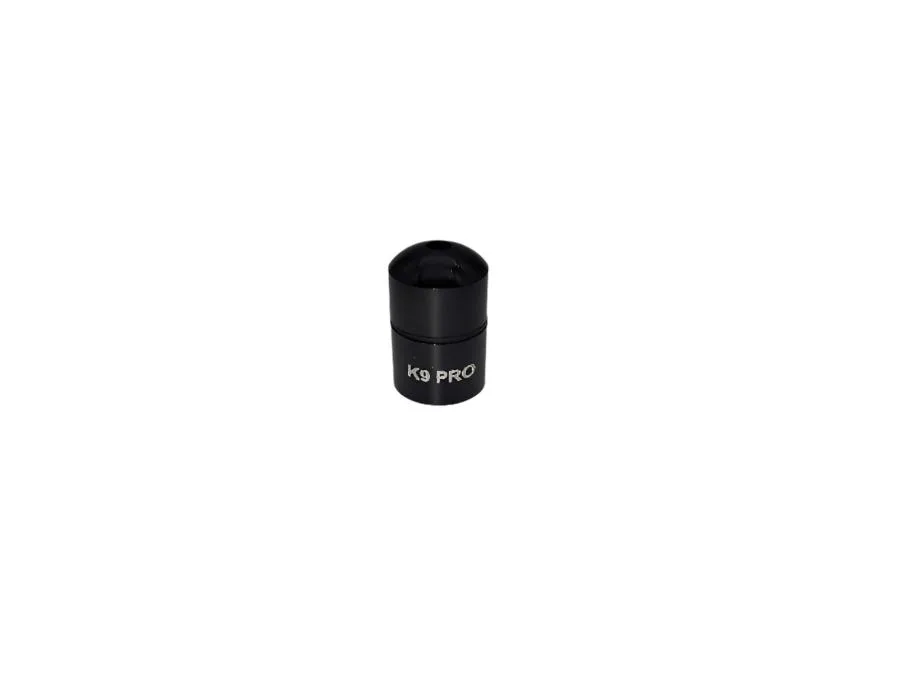
- Nosework Bullet Tins - Pack of 4: These 12mm wide by 18mm tall aluminum bullet tins have a screw top, fit one Q-Tip head, and contain a rare earth magnet in the bottom. Sold in packs of four. Small, magnetic tins are easy to place for indoor or outdoor hides, giving your dog mental work that balances the pressure of e-collar training.
Which should you choose?
Best for
- Dogs with short or medium coats that respond consistently to standard probes
- Owners who want the lowest pressure option and remove the collar between sessions
- Thick-coated dogs that need longer points to reach skin at lower stimulation levels
Not for
- Thin-coated dogs that develop redness from longer points
- Owners who leave the collar on all day, since longer points increase sore risk
- Anyone who has not confirmed thread compatibility with their receiver
Match the contact point to your dog's coat, not to a brand or a habit. Start with standard probes, test fit on a low setting, and only go longer when contact is genuinely unreliable. Then check the skin after every session and adjust. That routine keeps training clear and your dog comfortable.