The honest answer: the label doesn’t give a milliliter amount
If you’re looking for an exact number of milliliters per body part, the supplied product information for Continuous Spray Sunscreen SPF 50 doesn’t provide one. That’s not a gap you should fill with guesswork. Spray sunscreens vary in how much they dispense per second, and body size changes how much surface you need to cover.
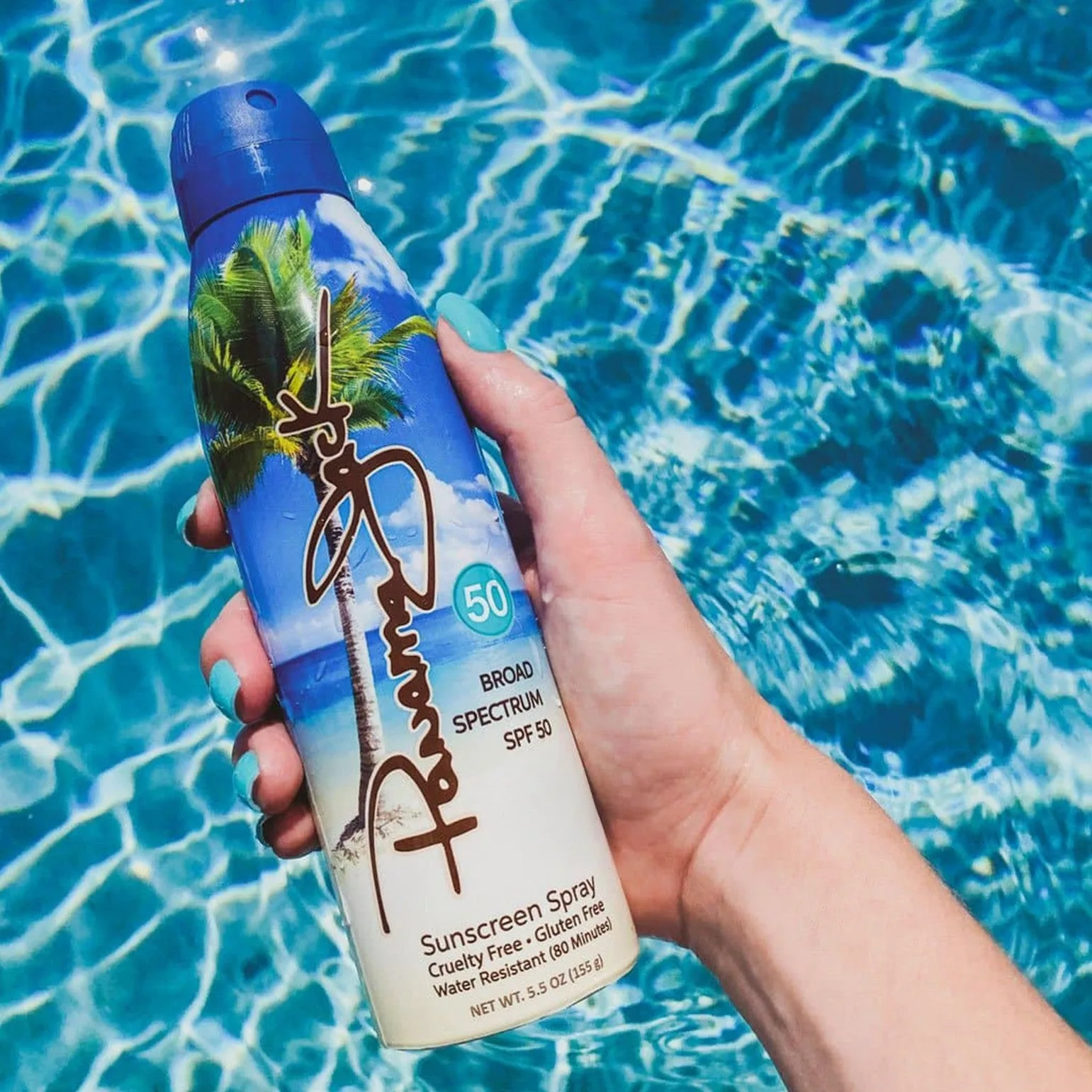
What the record does confirm is the protection standard: SPF 50 broad spectrum UVA/UVB, water resistant for 80 minutes, and a lightweight formula with antioxidant-rich oils. Your practical goal is simple: cover every exposed area evenly, then reapply at least every 80 minutes when swimming or sweating. Use the steps below as a coverage routine, not a prescription for a specific volume.
A step-by-step routine for even body coverage
These steps focus on technique and observation. They don’t invent a spray duration or distance, because the supplied information doesn’t specify either. Instead, work section by section and check your coverage as you go.
- Start with dry, exposed skin: Spray before you get wet or sandy. The formula is water resistant for 80 minutes, but that clock starts once it’s applied, not before.
- Work in small sections: Treat each limb, your torso, back, and shoulders as separate areas. Spray one section, then move to the next so you don’t accidentally skip a patch.
- Use a consistent sweeping motion: Keep the bottle moving rather than holding it in one spot. The goal is a light, even layer across the section, not a concentrated puddle.
- Check for missed spots: Look for areas that still appear dry or that you can’t easily see, like the back of your arms, ears, and the back of your neck. Ask someone to help with your back if needed.
- Let it settle before dressing or swimming: The record doesn’t specify a wait time. A practical approach is to give the spray a moment to settle on skin before you put on clothing, straps, or get into the water.
Why “spray until it looks wet” isn’t a reliable rule
Continuous sprays can feel dry almost immediately, which makes it hard to judge coverage by look or feel alone. The record describes the formula as lightweight, so a thin layer may not be obvious. That’s why section-by-section coverage matters more than trying to gauge a specific amount.
The catalog also notes the product is designed for very fair or sensitive skin that burns easily. If that describes you, be especially careful about missed spots and reapplication timing. The record does not include instructions for use on children or on the face, so don’t assume the same routine applies there without checking the product label.
What the SPF 50 record confirms for coverage
-
Continuous Spray Sunscreen SPF 50: SPF 50 broad spectrum UVA/UVB protection This is the protection level you’re applying; even coverage is what makes that rating meaningful in practice.
Continuous Spray Sunscreen SPF 50
-
Continuous Spray Sunscreen SPF 50: Water resistant (80 minutes) Gives you a clear reapplication checkpoint when swimming or sweating, rather than relying on feel.
-
Continuous Spray Sunscreen SPF 50: Lightweight and antioxidant-enriched with moisturizing oils Explains why the spray may disappear quickly on skin, so you can’t rely on visible residue to confirm coverage.
-
Continuous Spray Sunscreen SPF 50: Designed for very fair or sensitive skin that burns easily Signals that careful, even application and timely reapplication deserve extra attention.
Reapplying spray sunscreen: use the 80-minute mark
The supplied record gives one clear reapplication anchor: water resistance lasts 80 minutes. After that, reapply—especially if you’ve been swimming, sweating, or toweling off. For everyday use without water exposure, the record doesn’t specify a different interval, so treat 80 minutes as your reliable checkpoint and reapply sooner if you’ve clearly rubbed or washed the product off.
When you reapply, repeat the same section-by-section routine. Don’t assume the first layer is still intact just because you can’t see it. A quick pass over exposed areas is better than skipping a reapplication because your skin feels dry.
Practical spray sunscreen application tips for the body
- Spray outdoors or in a ventilated space: The record doesn’t include specific ventilation instructions, but common sense applies to any aerosol or pump spray. Avoid spraying directly into your face.
- Hold your breath and turn away: This is a general application habit, not a product-specific instruction from the supplied record. It helps you avoid inhaling the mist.
- Don’t forget the edges: The tops of feet, backs of hands, ears, and the back of the neck are easy to miss when spraying quickly.
- Use the twist-cap closure properly: The 5.5 OZ bottle has a twist-cap closure. Make sure it’s open before spraying and closed after use to avoid accidental dispensing in your bag.
- Choose a pack size that matches your routine: The product comes as a 1 Pack, 2 Pack, 6 Pack with 15% off, or 12 Pack with 20% off. A larger pack helps if you reapply often or share with a household.
Pack and formula details that affect how you spray
- Continuous Spray Sunscreen SPF 50: 5.5 OZ (155g) bottle with twist-cap closure A portable size for bag or beach; the twist cap helps prevent leaks between uses.
- Continuous Spray Sunscreen SPF 50: Free from oxybenzone, octinoxate, PABA, gluten, parabens, retinyl palmitate, BHT, and dyes Useful if you’re comparing formulas or have ingredient preferences.
- Continuous Spray Sunscreen SPF 50: Orange Creamsicle scent with a light tropical fragrance The scent is part of the experience; if you’re sensitive to fragrance, that’s a personal consideration the record can’t resolve for you.
- Continuous Spray Sunscreen SPF 50: Cruelty free with no animal testing A stated product value that may matter in your purchase decision.
What this routine can’t tell you
The supplied information does not include a specific spray distance, spray duration, or milliliter amount per application. It also doesn’t include separate instructions for the face, children, or broken skin. Rather than invent those details, use the coverage routine above and follow the directions on the product label for any use the record doesn’t address. If you need a precise application amount for a medical reason, ask a healthcare professional rather than estimating from this article.