Quick Answer
Conversation cards are gaining popularity as a simple, screen-free way to foster deeper communication in modern relationships. They help couples and families move beyond small talk, making it easier to connect regularly despite busy schedules.
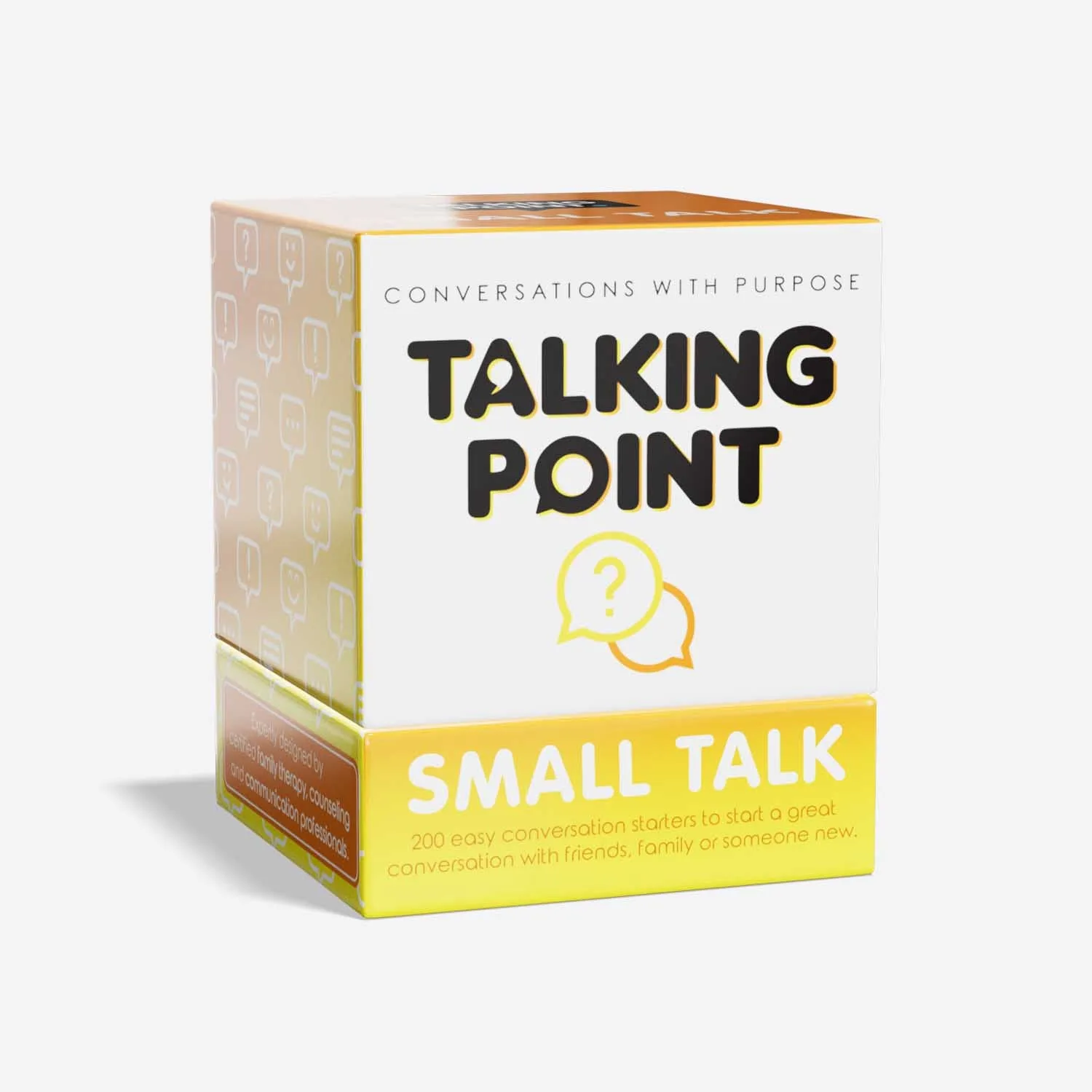
small talk
In an era dominated by digital communication, many people find that their most important conversations happen through screens rather than face-to-face. This has sparked a growing interest in tools that encourage meaningful dialogue, and conversation cards have emerged as a popular solution for couples and families alike.
These simple decks of prompts are designed to break the ice, explore new topics, and create moments of genuine connection. Whether used during a date night, at the dinner table, or on a long car ride, they offer a structured yet flexible way to talk about what really matters.
Why Are Conversation Cards Becoming More Popular?
Conversation cards are riding a wave of interest in mindfulness and intentional living. As people become more aware of the quality of their interactions, they are seeking tools that help them be present and engaged. Conversation cards provide a tangible, focused activity that encourages active listening and thoughtful responses.
Another driver is the desire to reduce screen time. Many couples and families are looking for alternatives to watching TV or scrolling through phones. Conversation cards offer an interactive experience that can be enjoyed anywhere, making them a practical choice for tech-conscious households.
- Use conversation cards during a weekly 'tech-free' hour to establish a routine of meaningful exchange.
How Do Conversation Cards Improve Communication in Relationships?
Communication is the cornerstone of any healthy relationship, but it can be challenging to go beyond day-to-day logistics. Conversation cards prompt discussions about feelings, dreams, and memories, helping partners understand each other on a deeper level. This can be especially valuable for couples who feel they've run out of things to talk about.
For families, these cards can bridge the gap between different age groups, making it easier for parents to connect with teenagers or for children to share their thoughts in a safe environment. By providing a neutral starting point, they reduce the pressure of initiating difficult conversations.
- Set aside time each week for a conversation card session, and let each person take turns choosing the card.
What Are the Benefits of Using Conversation Cards Regularly?
Regular use of conversation cards can strengthen emotional bonds and build trust. By consistently engaging in meaningful dialogue, couples often report feeling more connected and understood. For families, this practice can create cherished traditions and open lines of communication that last a lifetime.
Conversation cards also serve as a gentle reminder to prioritize relationships in a busy world. They encourage intentional time together, which is essential for maintaining closeness. Additionally, they can be a fun way to learn new things about your partner or children, even after years of knowing them.
- Keep a deck in your car or bag to spark conversations during unexpected moments of downtime.
How Do Conversation Cards Fit Into a Busy Lifestyle?
One of the main appeals of conversation cards is their convenience. They are compact, portable, and require no setup or special skills. This makes them easy to integrate into daily routines, whether it's over breakfast, during a walk, or before bed.
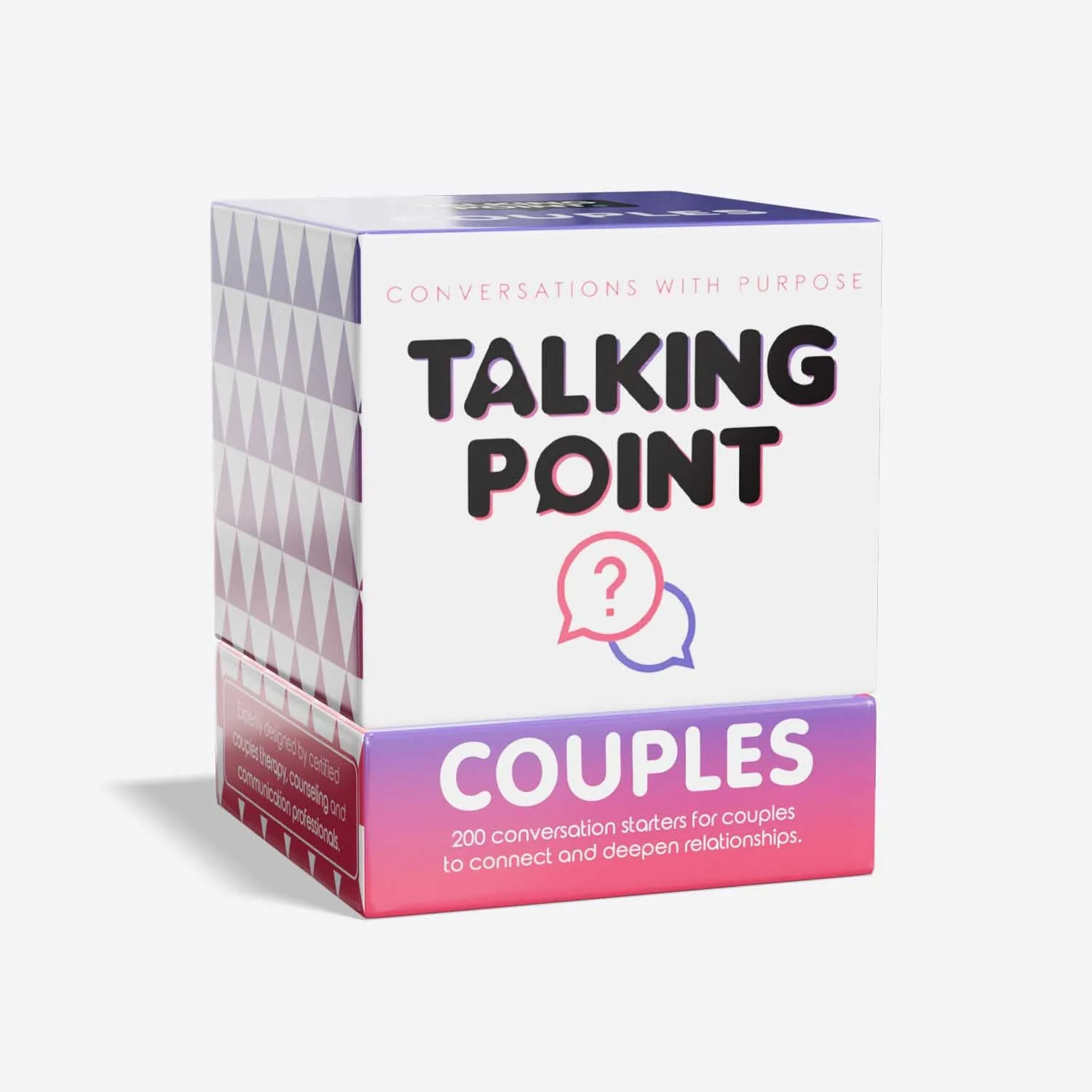
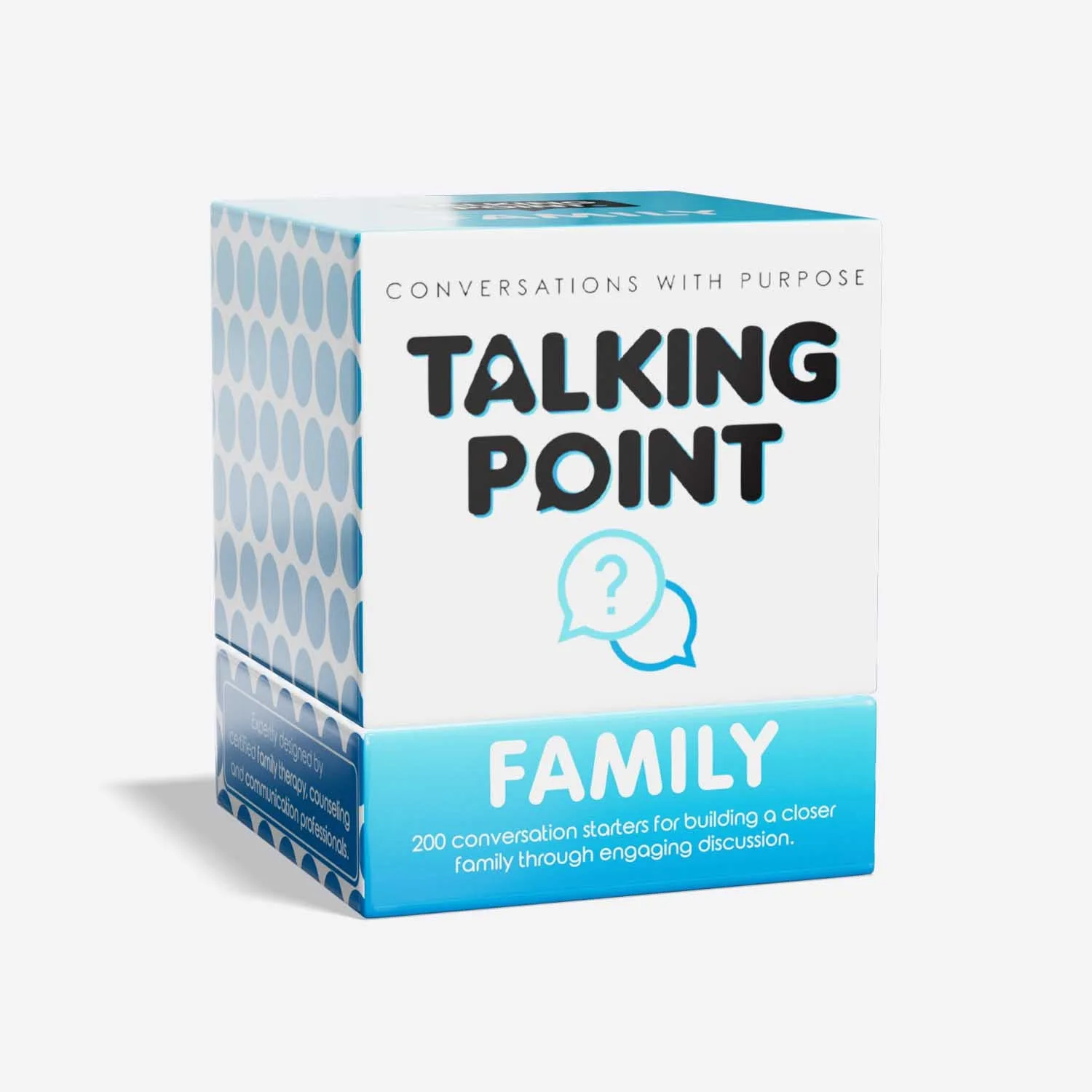
Many decks are designed for specific contexts, such as couples, families, or even kids, allowing you to choose a set that fits your needs. For instance, a deck focused on physical intimacy can help couples explore that side of their relationship, while a family-playing-cards-20f8709d2190d2e7ccd01a1b-987842">family deck might include questions for children of different ages.
- Try using conversation cards during a commute or while waiting for an appointment to make the most of small pockets of time.
Frequently Asked Questions
Are conversation cards suitable for all types of relationships?
Yes, there are decks designed for couples, families, friends, and even professional teams. You can choose a deck that matches your relationship dynamic and comfort level. Select a deck that aligns with your specific relationship context.
How often should we use conversation cards?
There's no set rule. Some couples use them weekly, while others pull a card during special occasions. The key is consistency, so find a frequency that feels natural and enjoyable. Regular use, even if infrequent, can strengthen your bond over time.
Can conversation cards help with difficult conversations?
Yes, they can provide a safe framework to discuss sensitive topics. By starting with a prompt, you can ease into conversations that might otherwise be hard to initiate. Use a deck like Foundations or Rekindle to address deeper topics with care.
Conversation Cards to Consider
- Foundations: Align your shared future and build unshakeable trust for couples. If you're in a committed relationship and want to discuss long-term goals and values, this deck provides structured prompts to help you align your visions.
- Rekindle: Safely explore physical intimacy and reignite deep passion together. For couples looking to enhance intimacy, this deck offers a comfortable way to discuss desires and boundaries, fostering a deeper physical and emotional connection.
- Generations: Connect across ages and share priceless memories with your grandparents. This deck is perfect for multi-generational gatherings, helping families bridge generational gaps and preserve cherished stories.
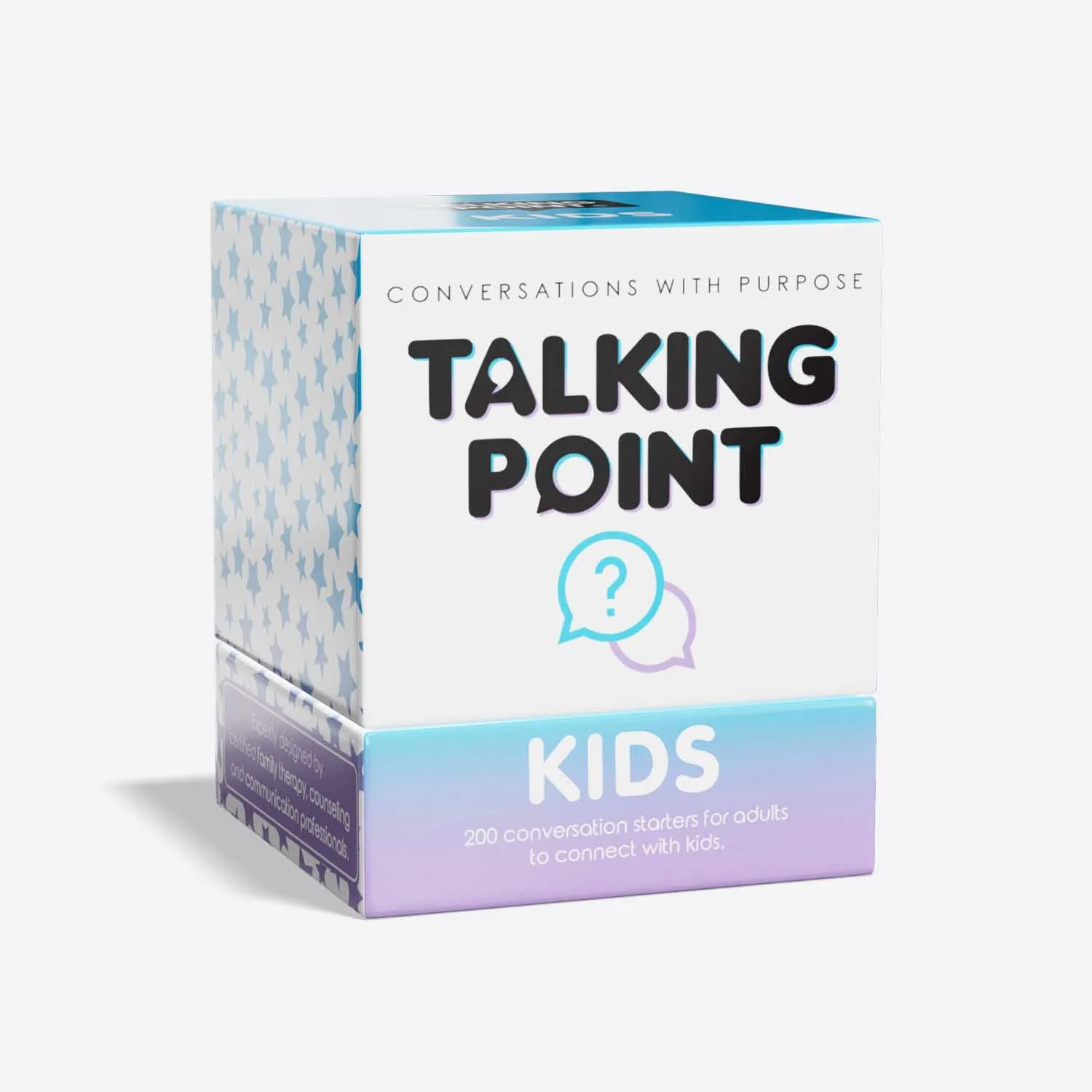
- Kids: Spark joyful imagination and build lasting confidence in younger kids. If you have young children, this deck can help you engage their creativity and encourage them to express themselves, building their self-esteem.
Conversation cards are more than a passing trend; they are a practical response to the need for authentic connection in a digital age. Whether you're looking to deepen your relationship, bond with your kids, or bridge generational gaps, there's a deck that can help. Start small, be consistent, and watch your conversations—and your relationships—transform.