Quick Answer
If you prefer structured prompts and interactive reflection, conversation cards offer a tangible, engaging way to explore your thoughts. If you thrive on free-form expression and private introspection, journaling provides a flexible, deeply personal outlet. Both are excellent self-reflection tools; choose based on your personality and needs.
Self-reflection is a powerful practice for personal growth, mental health, and emotional clarity. Two popular methods are journaling and conversation cards. Journaling involves writing down your thoughts, while conversation cards use prompts to guide discussion or self-inquiry. Both have unique benefits and potential drawbacks.
In this comparison, we'll explore how these self-reflection tools differ, their trade-offs, and how to decide which one fits your lifestyle. We'll also highlight how conversation cards can be a refreshing alternative to traditional journaling prompts.
What Are Conversation Cards for Self-Reflection?
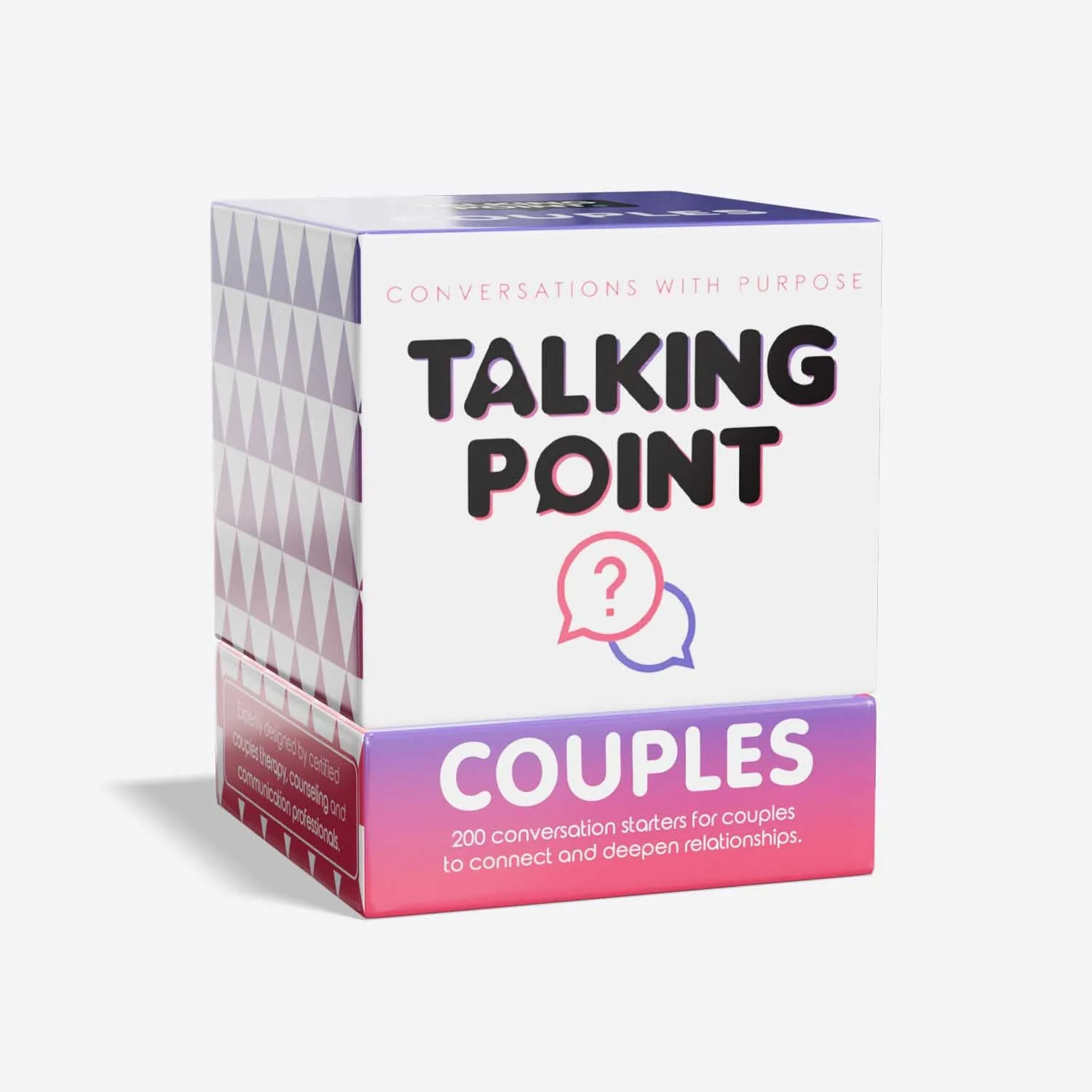
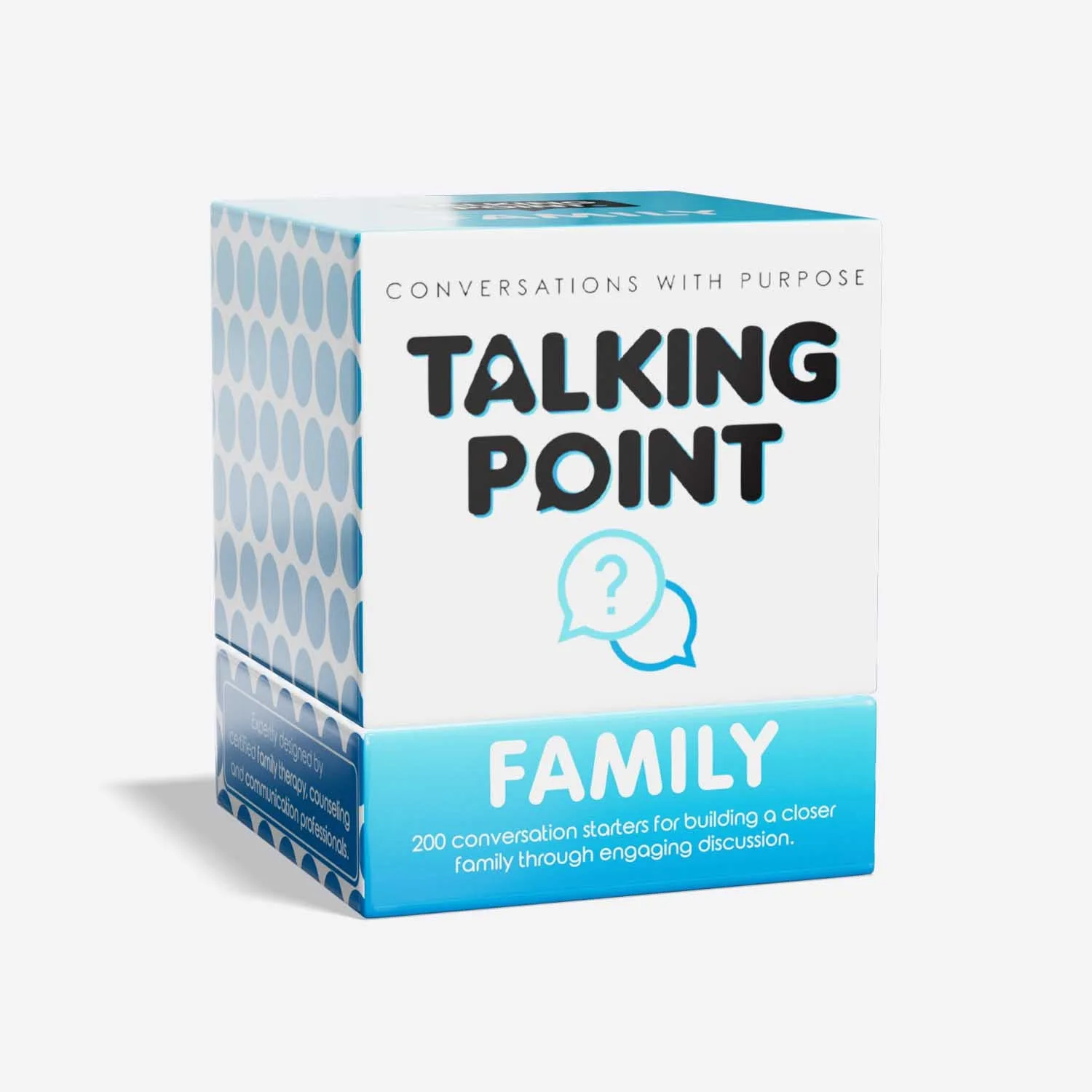
Conversation cards are physical decks with thought-provoking questions or prompts. They are often used in social settings, but they can also be used solo for self-discovery. For example, the family-playing-cards-20f8709d2190d2e7ccd01a1b-987842">Family Deck from Talking Point Cards is designed to celebrate loved ones, but its prompts can also encourage personal reflection about your relationships and values. Similarly, the Alpha & Omega Deck offers biblical-themed prompts that can inspire deeper spiritual contemplation.
Using conversation cards for self-discovery is interactive and tactile. You can draw a card randomly, answer it aloud or in your head, and even revisit the same card later to see how your perspective has changed. This makes them a dynamic self-reflection tool that can break you out of repetitive thought patterns.
- Try drawing one card each morning and journaling your response for a combined approach.
The Benefits of Journaling for Self-Reflection
Journaling has long been a staple of mental health activities. Writing allows for deep exploration of emotions, free-form expression, and the ability to track progress over time. Journaling prompts can guide you, but you also have the freedom to write whatever comes to mind. This makes journaling a versatile self-reflection tool that can be adapted to any mood or situation.
However, journaling requires a certain level of discipline and comfort with writing. Some people find it daunting to face a blank page, and it can be easy to get stuck in negative thought loops if you don't have external guidance. That's where structured prompts, like those on conversation cards, can be beneficial.
- Set a timer for 10 minutes and write without stopping to keep the flow going.
Key Differences and Trade-offs
The main trade-off between conversation cards and journaling is structure versus freedom. Conversation cards provide a structured prompt that can spark new ideas and prevent writer's block. They are also portable and can be used anywhere, making them a convenient addition to your daily routine. On the other hand, journaling offers unlimited flexibility but requires more self-motivation.
Another difference is the social aspect. Conversation cards are often designed for two or more people, which can make self-reflection a shared activity. This can be especially valuable for couples or families. For example, the Christmas Deck can be used during the holidays to foster meaningful conversations, but it can also be used solo to reflect on your values and memories.
- If you often feel stuck when journaling, try using a conversation card as a starting point.
Trade-offs at a Glance
- Structure vs. Freedom: Conversation cards offer guided prompts that can kickstart your thinking, while journaling allows complete creative freedom but can be overwhelming. If you need a starting point, choose cards; if you want to explore freely, journal.
- Social vs. Solo: Conversation cards are great for shared reflection with others, but journaling is typically a private activity. Consider your preference for solitude or connection. If you value shared experiences, cards might be better; if you prefer privacy, journaling wins.
- Portability and Engagement: Cards are tangible and can be used anywhere, offering a break from screens. Journaling requires a notebook and pen, but it can be just as portable if you choose a small journal. For on-the-go reflection, cards are convenient; for in-depth writing, journaling may be more satisfying.
Relevant Products for Self-Reflection
- Family Deck: Beautifully crafted playing cards designed to celebrate your closest loved ones. These prompts can help you reflect on your relationships and what you appreciate about family members, making them a great tool for self-discovery in a relational context.
- Alpha & Omega Deck: Masterfully illustrated playing cards celebrating epic moments of biblical history. If you're looking for spiritual self-reflection, these cards can guide you through biblical themes that prompt deep personal contemplation.
Which One Should You Choose?
Best For
- People who enjoy interactive and tactile activities
- Those who need structured prompts to get started
- Couples or families who want to share the reflection experience
Not For
- Individuals who prefer complete privacy and freedom in their reflection
- Those who find it easier to express themselves through writing than speaking
Both conversation cards and journaling are valuable self-reflection tools. The best choice depends on your personal style and needs. If you're looking for structure and a shared experience, conversation cards can be a great addition to your mental health activities. If you prefer free-form writing, journaling might be your go-to. You can also combine both methods for a richer practice.