Quick Answer
Conversation cards generally win for depth and intentionality, while question games excel at lighthearted fun. If your goal is to foster meaningful connection, choose conversation cards; if you're after casual entertainment, question games are a solid pick. The best choice depends on your setting and the kind of interaction you want.
When you're planning a gathering, you might wonder whether to pull out a deck of conversation cards or a question-based game. Both aim to get people talking, but they serve different purposes. Understanding the core differences can help you pick the right tool for the moment.
In this comparison, we'll look at how conversation cards and question games differ in structure, depth, and flexibility. We'll also share some product examples to illustrate what each format offers, so you can decide which fits your next event.
What Are Conversation Cards?
Conversation cards are typically a deck of prompts designed to encourage thoughtful sharing. They often come in themed editions, such as for couples, families, or specific interests. The prompts are usually open-ended, inviting personal stories, opinions, or reflections rather than quick, factual answers.
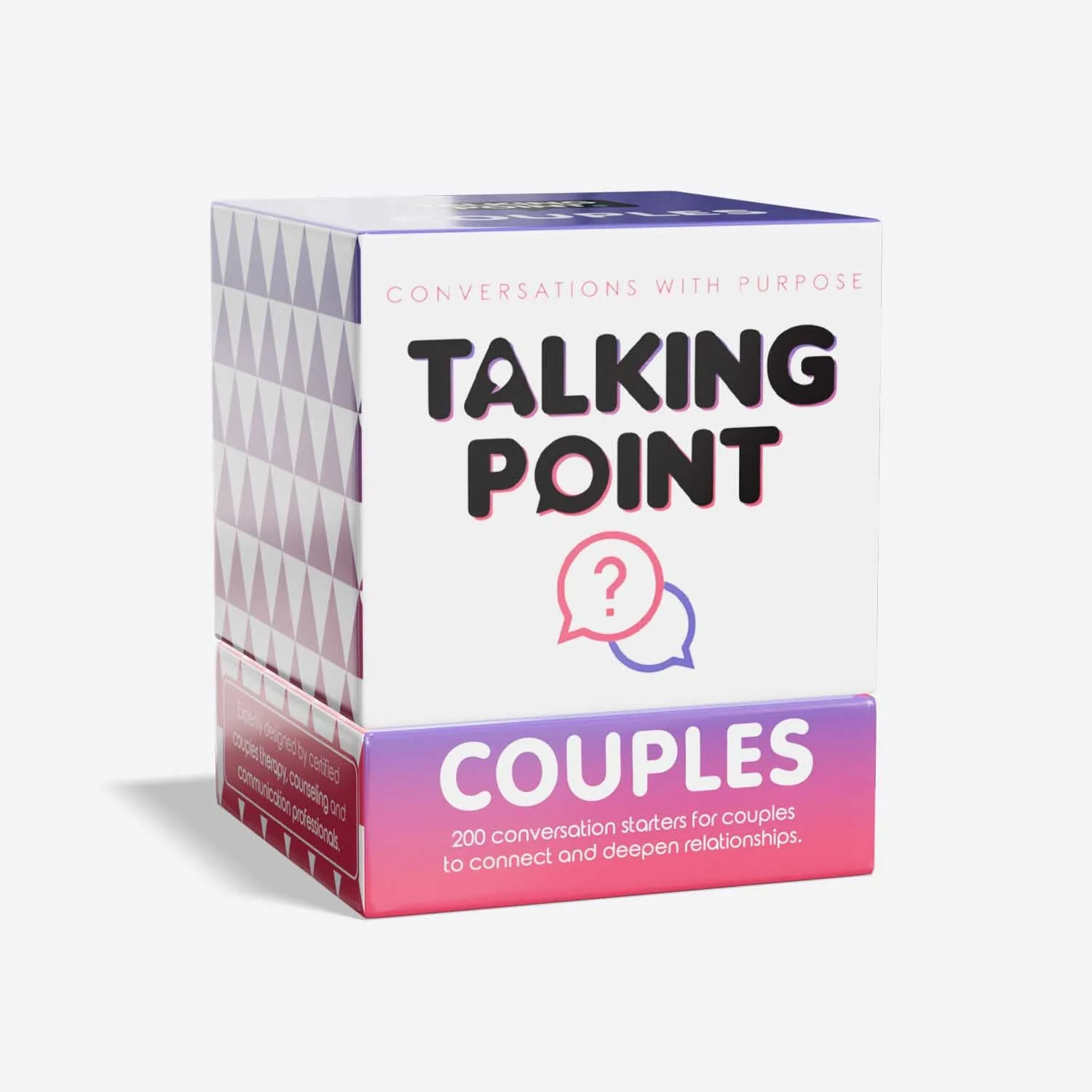
couples
Because conversation cards are flexible, you can use them in many settings—dinner parties, road trips, or quiet evenings at home. They don't require a board, timer, or scoring system, so they're easy to integrate into existing conversations. For example, the Great Outdoors Deck from Talking Point Cards offers adventure-ready prompts perfect for camping trips and cabin nights, making it a great companion for nature-loving groups.

Great Outdoors Deck
- Consider the setting: conversation cards work well for small groups where everyone can hear and respond.
- Look for themed decks that match your audience's interests for more relevant prompts.
What Are Question Games?
Question games often combine prompts with game mechanics like points, turns, or challenges. They can be structured to create competition or laughter, making them ideal for parties or icebreakers. The questions might be more playful or designed to elicit quick, fun answers rather than deep reflection.
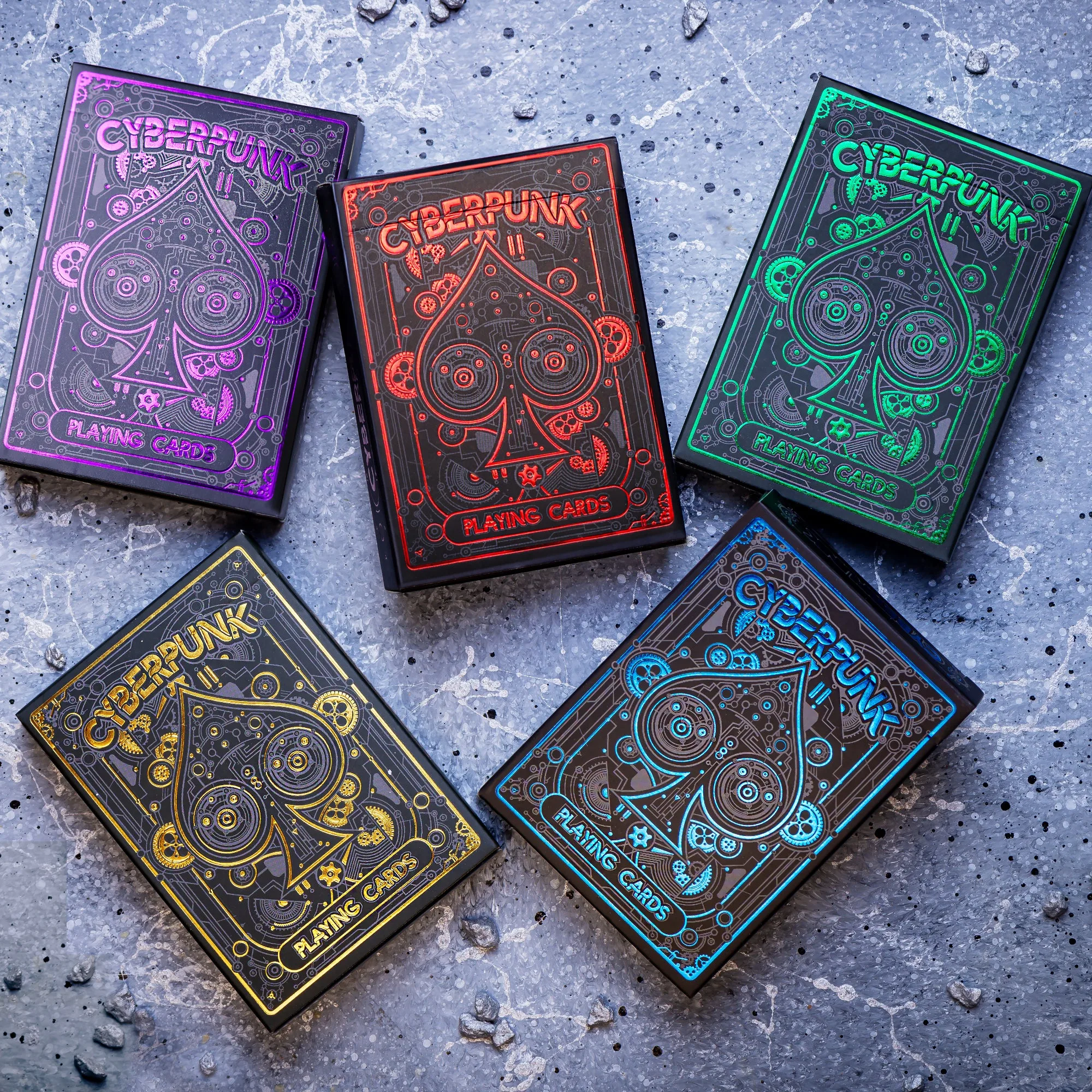
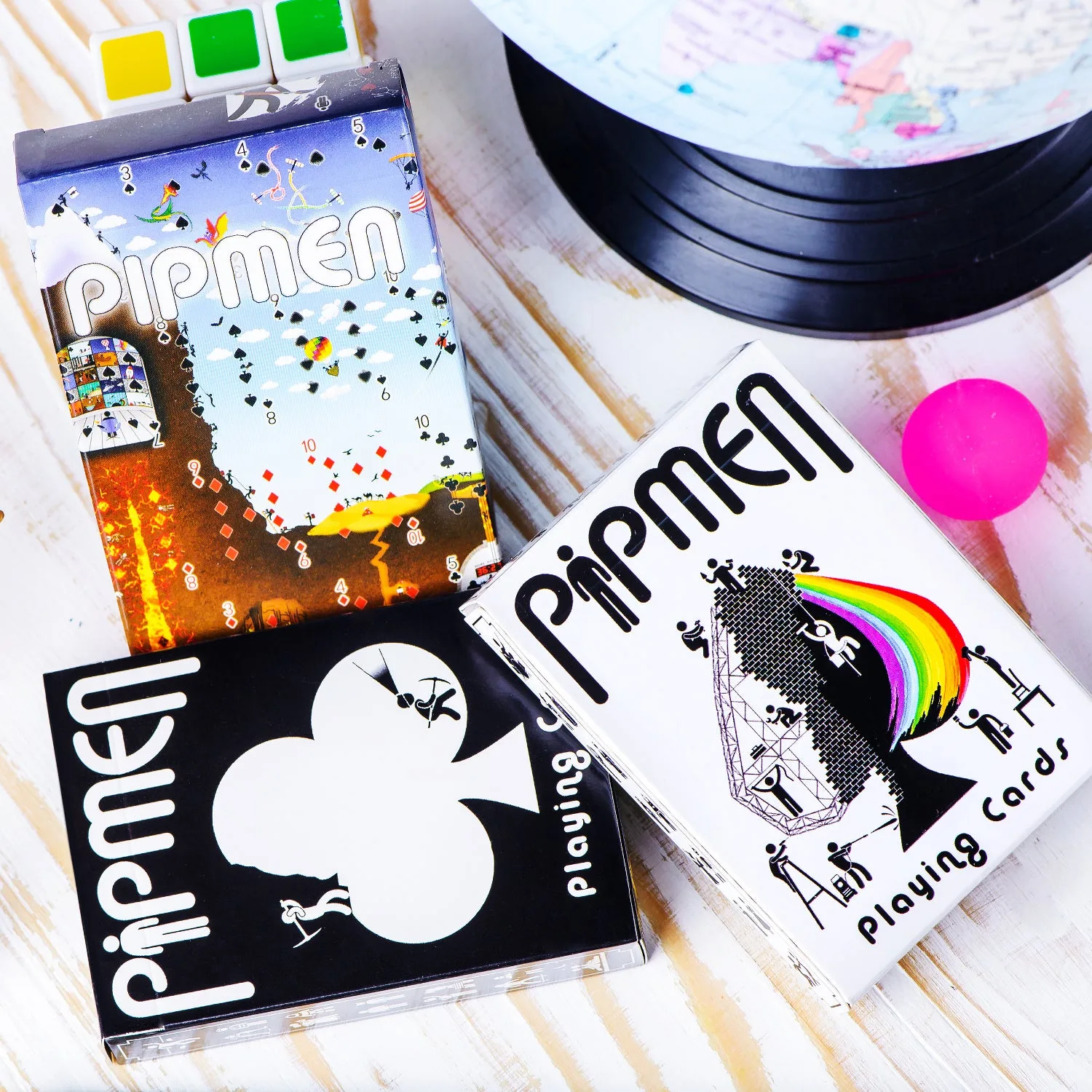
Some question games are built around a specific theme or style. For instance, the Pipmen Deck features quirky, stick-figure illustrations that make every hand hilarious, adding a visual comedy layer to the game. Similarly, the Cyberpunk Deck brings futuristic, neon-infused style to games, appealing to sci-fi fans. These decks show how question games can prioritize entertainment and atmosphere.
- Question games often suit larger groups where energy and laughter are the main goals.
- If you're hosting a themed party, a game deck that matches the vibe can elevate the experience.
Key Differences in Effectiveness
The main difference lies in the intent. Conversation cards are designed to create a safe space for meaningful exchange. They often come with guidelines or categories that help users navigate sensitive topics at their own pace. This makes them more effective for building deeper connections, such as between family members or partners.
Question games, on the other hand, prioritize engagement and fun. They might not encourage the same level of introspection, but they can break the ice quickly and keep a group entertained. For example, the Prism Night Deck offers stunning, glossy playing cards with vibrant colors that pop beautifully, making it a visually appealing choice for a casual game night.
- Think about your goal: if you want to learn something new about someone, conversation cards are more effective.
- For a lively party atmosphere, question games often deliver more immediate enjoyment.
Flexibility and Replay Value
Conversation cards often have high replay value because the answers change as people grow and circumstances evolve. A deck like the Big Laughs edition from Talking Point Cards guarantees non-stop laughter and hilarious debates, showing that even conversation-focused decks can bring humor. But many conversation decks are designed to be revisited, offering new insights each time.
Question games may lose their novelty after repeated plays if the questions are fixed and the outcomes are predictable. However, some games incorporate variations or expansions to keep things fresh. When choosing, consider how often you'll use the product and whether the content can sustain repeated sessions.
- If you plan to use the product regularly, conversation cards often provide more long-term value.
- For occasional gatherings, a question game might be sufficient.
Trade-Offs at a Glance
- Depth vs. Entertainment: Conversation cards prioritize meaningful dialogue; question games focus on fun and laughter. Choose depth for bonding, entertainment for parties.
- Flexibility vs. Structure: Conversation cards are open-ended and can be used anytime; question games often have rules that guide the session. If you want a free-flowing chat, conversation cards are more adaptable.
- Replay Value vs. Novelty: Conversation cards can be revisited with fresh perspectives; question games might become repetitive after several plays. For repeated use, conversation cards offer more long-term value.
Product Facts
- Great Outdoors Deck: Adventure-ready playing cards perfect for camping trips and cabin nights. If you love the outdoors, this deck brings conversation prompts to your favorite settings, making it easy to connect around a campfire or after a hike.
- Pipmen Deck: Quirky, stick-figure illustrated playing cards that make every hand hilarious. The humorous illustrations add a visual punch to your game night, breaking the ice and keeping the mood light—great for groups that enjoy comedy.
- Cyberpunk Deck: Futuristic, neon-infused playing cards that bring sci-fi style to games. If you're a sci-fi enthusiast, this deck sets the right atmosphere, making your game session feel like a futuristic adventure.
- Prism Night Deck: Stunning, glossy playing cards featuring vibrant colors that pop beautifully. The visual appeal adds to the enjoyment, making it a great choice for social media-worthy game nights or as a gift for design-conscious friends.
How to Choose
Best for
- Couples or families looking to deepen their relationships through intentional conversations
- Small gatherings where everyone can share and listen without time pressure
Not for
- Large, lively parties where quick-fire humor and competition are the priority
- Groups that prefer structured game mechanics over open-ended prompts
Both conversation cards and question games have their place. If your goal is to connect on a deeper level, conversation cards are the more effective choice. If you're aiming for laughter and lighthearted fun, question games deliver. Consider your audience and occasion, and you'll pick the right tool every time.