Quick Answer
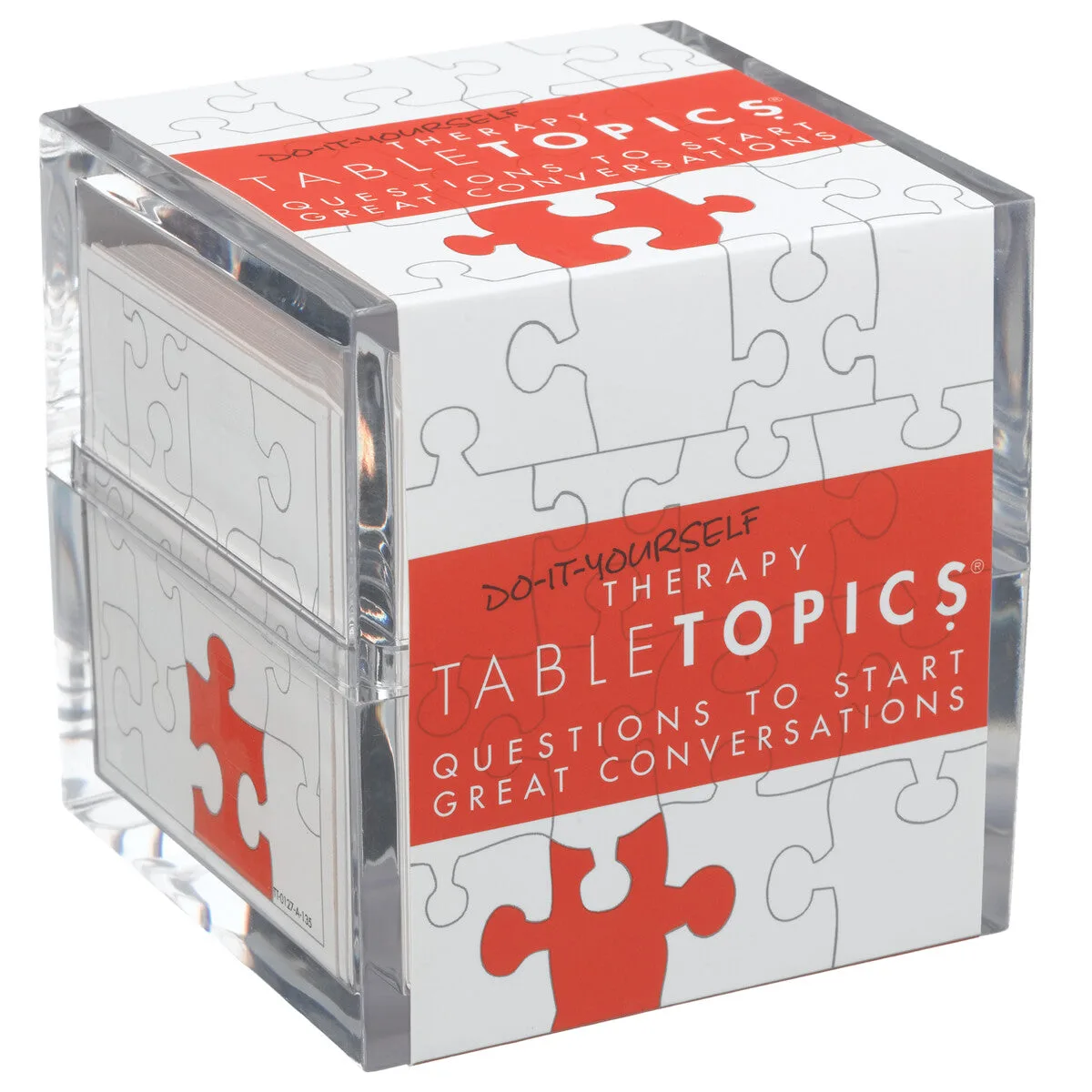
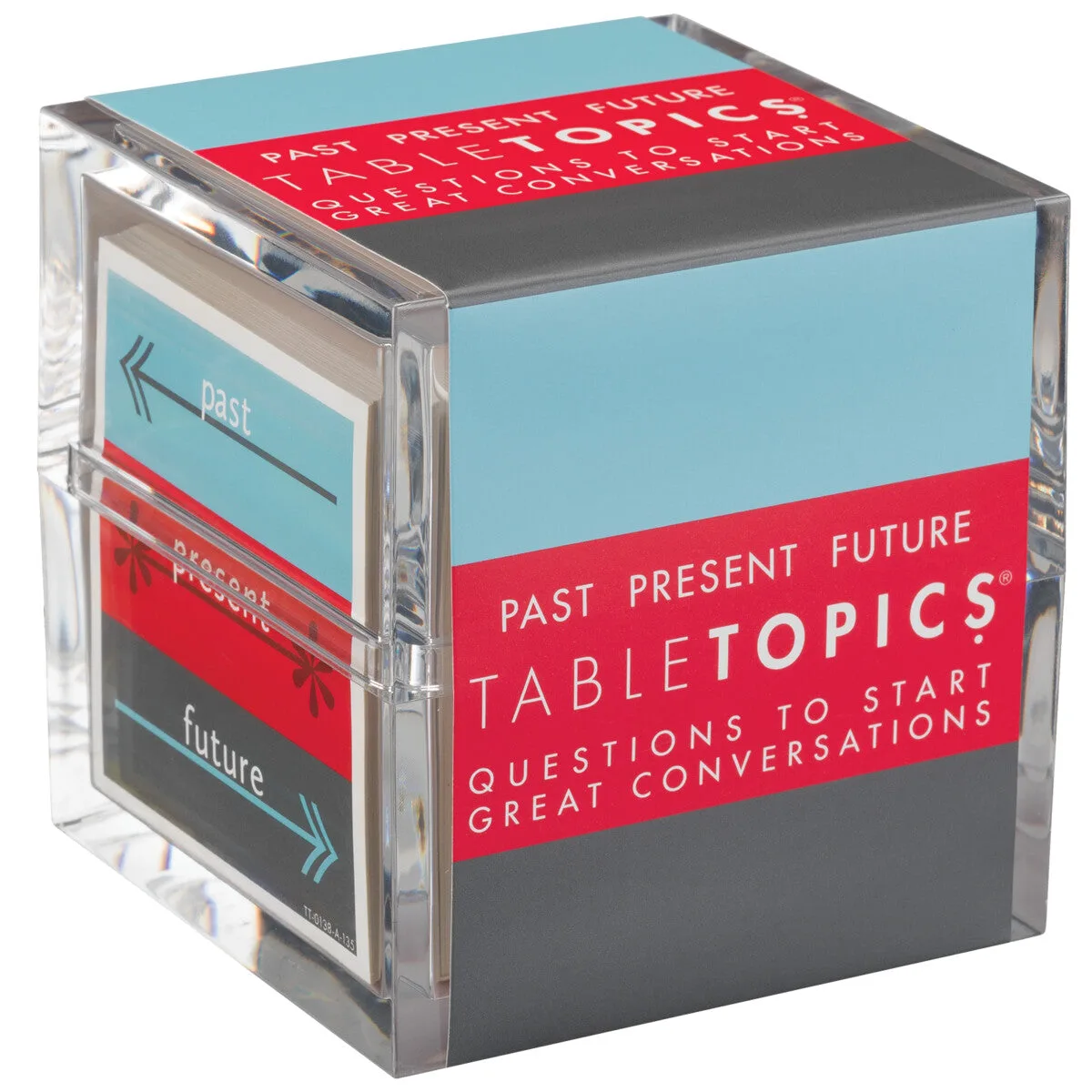
Choose a conversation pack when you need portability and quick, lighthearted prompts for small groups. Choose a tabletop set when you want a structured, sit-down experience with deeper questions for larger or mixed groups. If you host dinners or family gatherings regularly, a tabletop set like Do-It-Yourself Therapy Conversation Cards or Past Present Future Conversation Cards gives you more substance per session.
What Counts as a Conversation Pack vs a Tabletop Set
In practice, the labels overlap. A conversation pack usually means a compact deck or card box designed to be tossed in a bag and pulled out anywhere—waiting rooms, road trips, or a quick coffee date. A tabletop set is built for a table: a sturdier box, a larger footprint, and questions meant to be spread out and lingered over. The real difference is not the card stock but the intended setting. If you are standing in line or sitting in a car, a pack wins. If you are passing cards around a dinner table, a set wins.
How Question Depth and Tone Differ
Tabletop sets tend to include a mix of reflective, biographical, and humorous prompts. For example, Past Present Future Conversation Cards ask things like “What’s your most treasured photograph?” and “How has music changed in your lifetime?”—questions that reward a slower pace. Do-It-Yourself Therapy Conversation Cards lean playful and self-reflective with prompts such as “When was the last time you tried to push someone’s buttons?” and “Have you ever been considered high maintenance?” Packs often prioritize speed and laughs, which is great for breaking the ice but can run out of steam if your group enjoys longer stories.
Group Size and Setting: Where Each Format Works
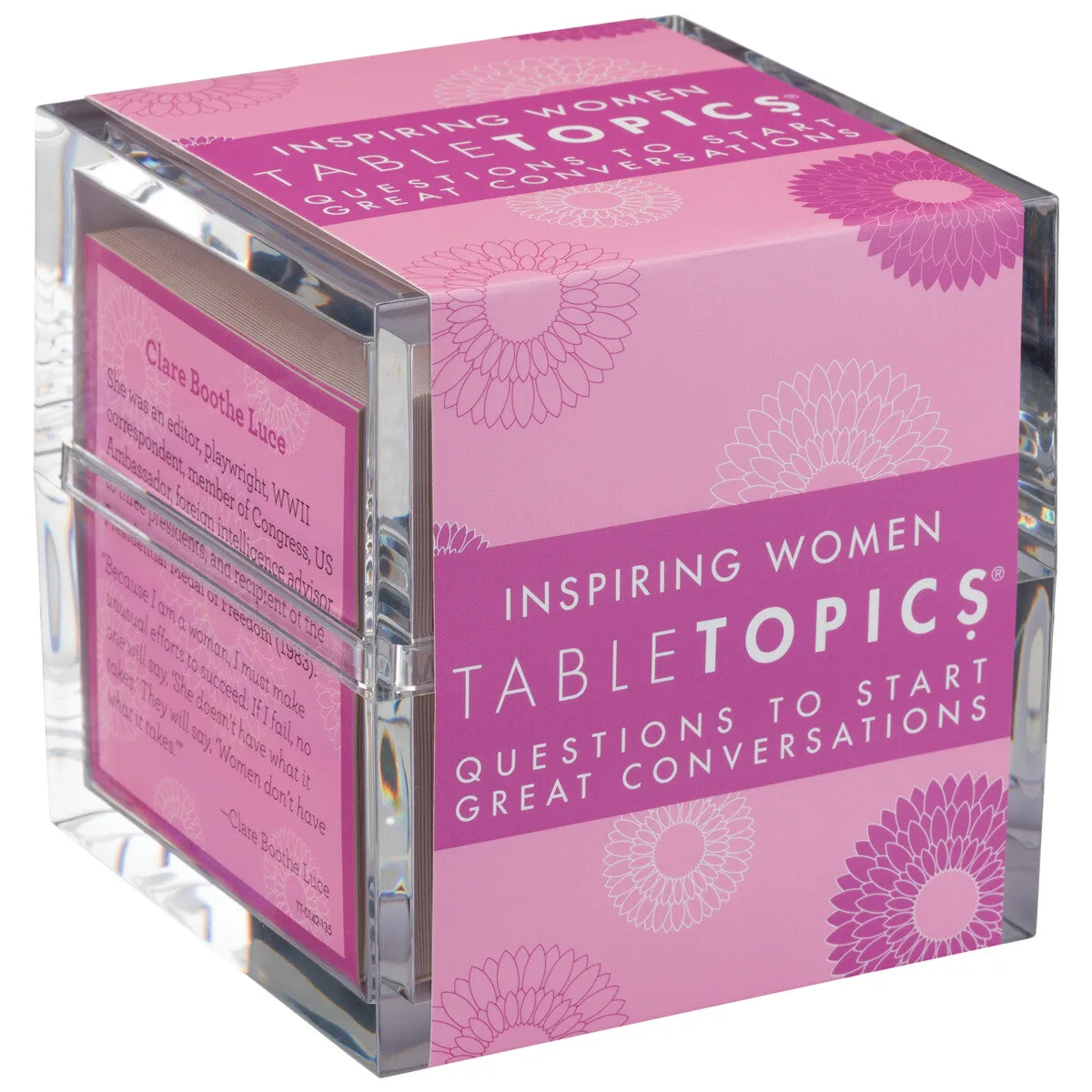
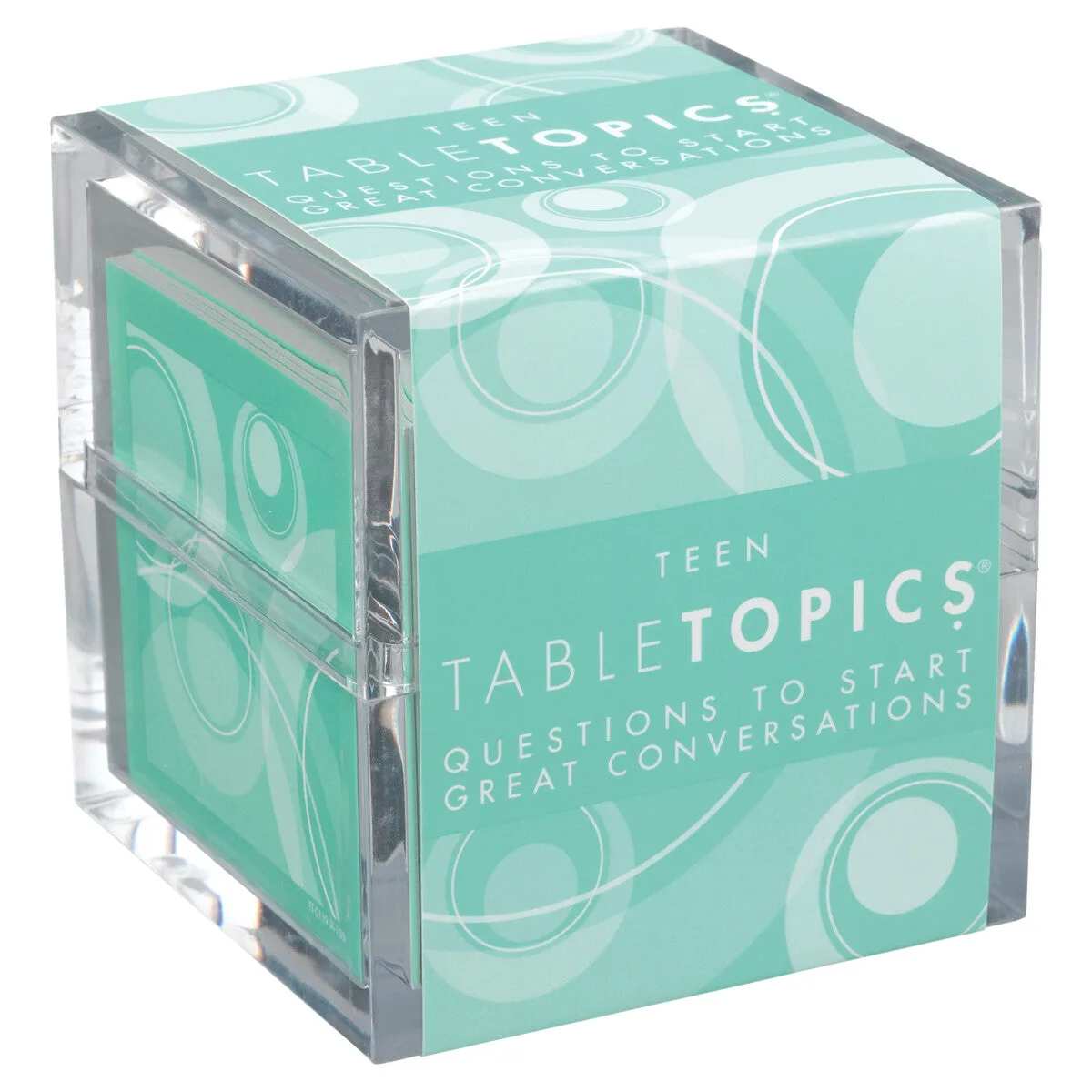
Packs shine with two to four people who already know each other or want a low-pressure warm-up. They are easy to pass, easy to pause, and easy to put away when the food arrives. Tabletop sets handle larger groups better because you can deal cards, leave them face up, and let people drift in and out of the conversation. A set like Teen Conversation Cards, with 135 questions tailored to teenagers, works well when you have a mix of ages and need prompts that do not feel babyish or overly academic. Inspiring Women Conversation Cards, also 135 questions, adds biographical information and quotes, which gives a tabletop group extra material to react to.
Portability, Storage, and Setup Trade-offs
A pack wins on portability, but that advantage disappears if you rarely leave the house. A tabletop set takes up shelf space and needs a flat surface, but it also signals that this is an activity, not a filler. If your group meets at a restaurant, check whether the table is large enough for a set; if not, a pack is the practical choice. Neither format requires batteries, screens, or an app, which is part of their appeal for unplugged gatherings.
Trade-offs at a Glance
- Portability vs. Presence: A conversation pack fits in a bag and works anywhere, but it can feel disposable. A tabletop set stays put and becomes part of the room, which encourages longer sessions. Pick a pack if you are always on the move; pick a set if your gatherings have a home base.
- Light Icebreaker vs. Deep Dive: Packs often prioritize quick laughs and low stakes. Tabletop sets like Past Present Future or Inspiring Women include prompts that invite stories and reflection. Match the depth to your group’s attention span, not just the occasion.
- Small Group vs. Larger Table: Packs work best with two to four people. Tabletop sets handle five or more because you can spread out and let people join at their own pace. Count your typical guest list before you buy.
Product Facts
- Do-It-Yourself Therapy Conversation Cards: Ideal for adults and close friends, with sample questions like “When was the last time you tried to push someone’s buttons?” and “Have you ever been considered high maintenance?” These prompts are best for groups who already have some trust and enjoy playful self-reflection; they may feel too pointed for new acquaintances.
- Past Present Future Conversation Cards: Ideal for adults, friends, acquaintances, coworkers, parents, and in-laws, with sample questions about treasured photographs and how music has changed. This set is built for mixed company, so it works when you need questions that are personal without being intrusive.
- Inspiring Women Conversation Cards: Ideal for women, moms and daughters, and college students, with 135 questions plus biographical information and quotes. The bonus content gives a tabletop group extra context, which helps if you want the conversation to move beyond quick answers.
- Teen Conversation Cards: Ideal for teenagers, preteens, and parents of teens, with 135 questions tailored to teen interests. If your tabletop group includes younger participants, this set avoids the awkwardness of adult-only prompts.
Which Should You Buy?
Best for
- Hosts who want a repeatable dinner table activity with deeper questions
- Families or mixed-age groups that need prompts for teens and adults
- Buyers who prefer a set that lives on a shelf and signals game night
Not for
- Travelers who need something that fits in a jacket pocket
- Groups that prefer quick, silly prompts and rarely sit for long
- Anyone looking for a solo journaling tool rather than a group activity