Quick Answer
The best conversation starters for kids are simple, open-ended questions that spark imagination and reflection. Use themed prompts like the Kids Edition or family-playing-cards-20f8709d2190d2e7ccd01a1b-987842">Family Deck to make talking a natural, fun part of your day—no screens required.
Getting kids to open up can feel like pulling teeth—especially after a long day at school. But with the right prompts, you can turn car rides, dinner, or bedtime into moments of genuine connection and learning.
Conversation starters for kids aren't just about filling silence. They help children practice expressing thoughts, build vocabulary, and feel heard. Here's how to use them effectively, plus which card decks make it effortless.
Why Conversation Starters Matter for Kids
Regular conversations with children strengthen your bond and their emotional intelligence. When you ask thoughtful questions, you signal that their ideas matter. This builds confidence and teaches them how to listen and respond—skills that benefit them in school and friendships.
Educational conversation games also support language development. By encouraging kids to describe, explain, and imagine, you help them expand their vocabulary and practice clear communication. It's learning disguised as play, which is why many parents incorporate prompts into daily routines.
- Keep prompts age-appropriate to maintain engagement.
- Use conversation starters during low-pressure moments like meals or walks.
How to Choose the Right Prompts for Your Child
Not all questions work for every age. For younger kids, focus on concrete, imaginative prompts like 'What's your favorite animal and why?' Older children may enjoy more reflective questions about friendships or dreams. Tailoring the difficulty keeps them interested and challenged.
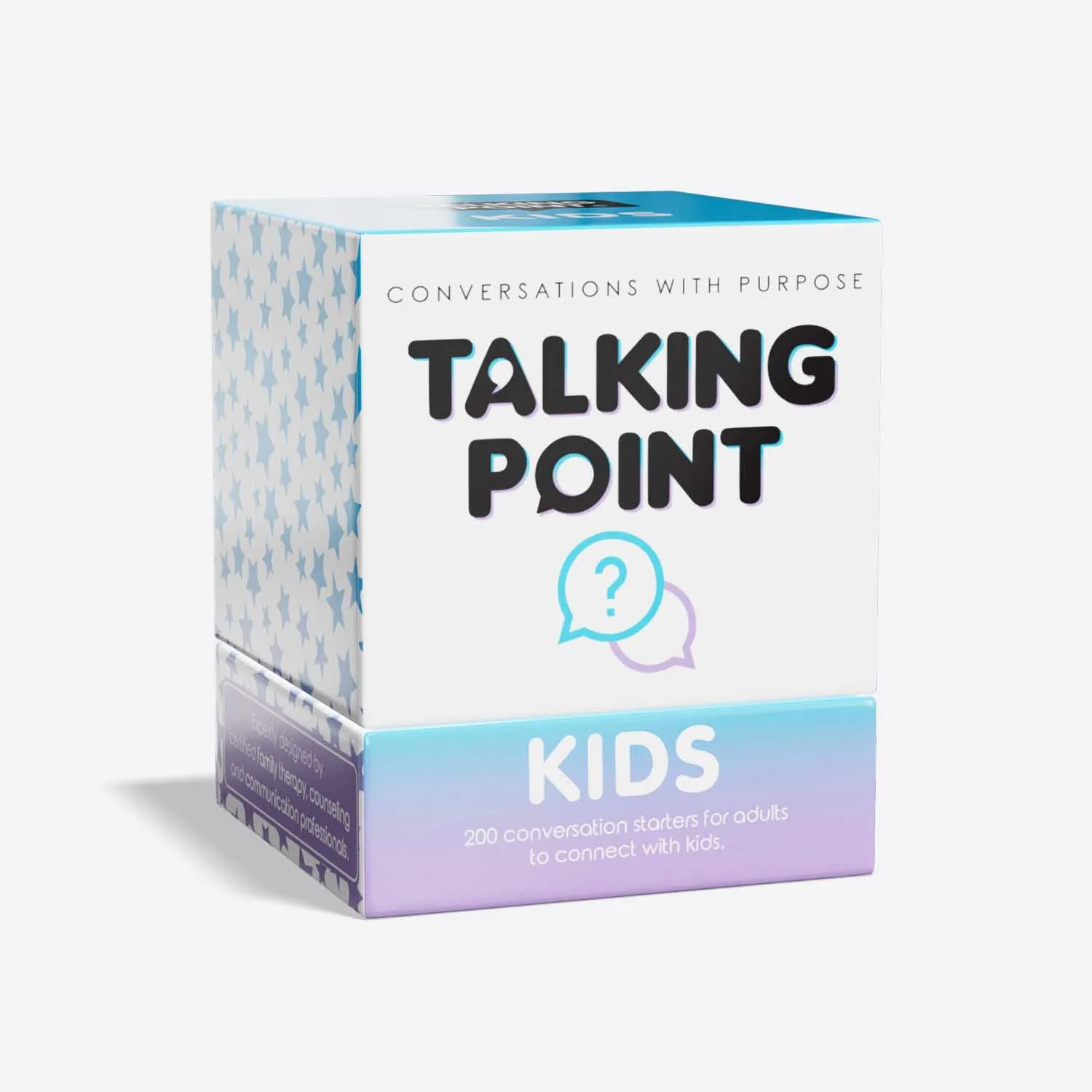
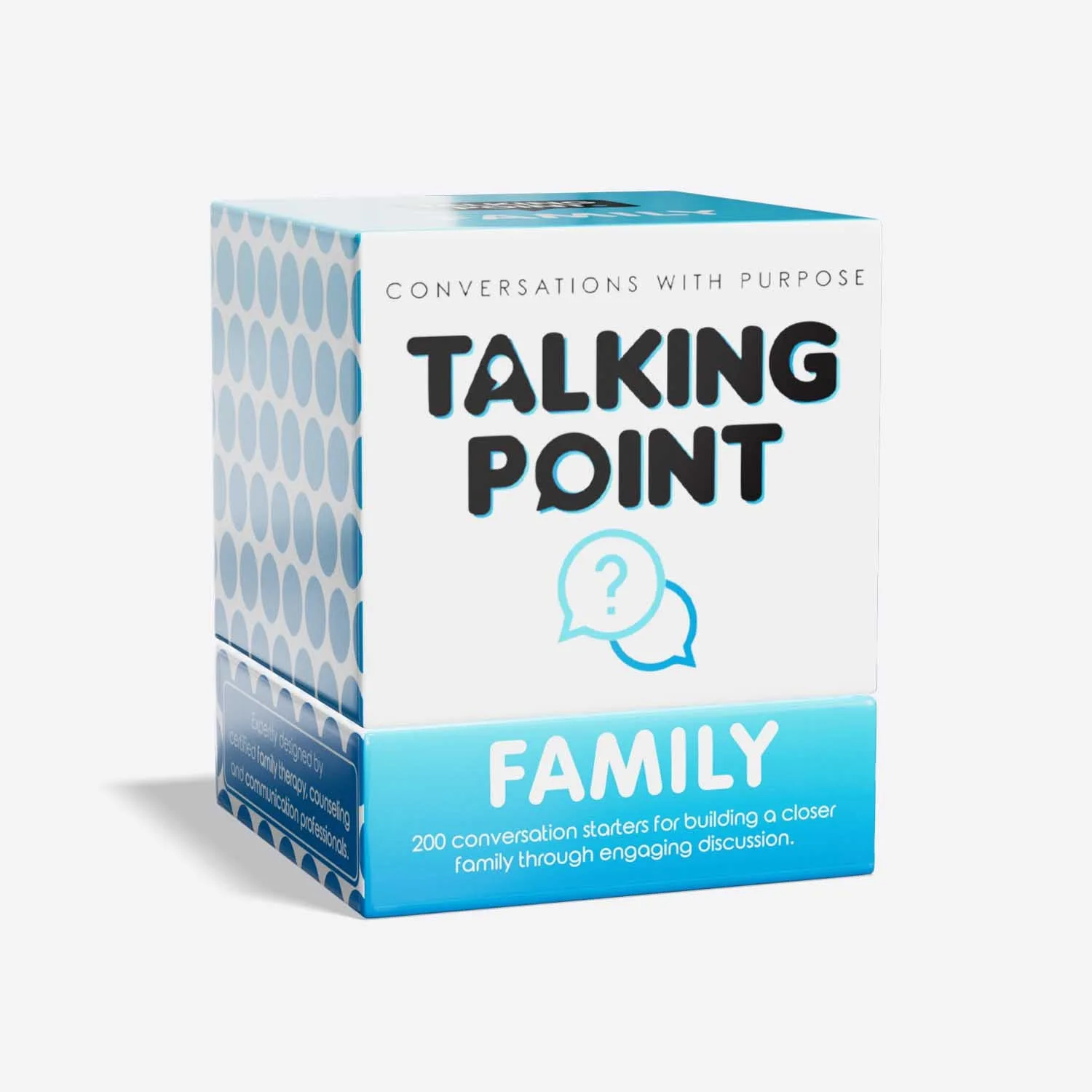
Card decks designed for kids take the guesswork out. For example, the Kids Edition is crafted to spark joyful imagination and build confidence in younger children. Similarly, the Family Deck celebrates loved ones with prompts that work across generations, making it versatile for family game nights.
- Mix silly and serious questions to keep things fun.
- Let your child ask you questions too—model good conversation.
Making Conversation a Daily Habit
Consistency beats intensity. A five-minute chat every day has more impact than a marathon talk once a month. Set a routine—maybe during breakfast or before bed—and rotate through different topics to keep it fresh.
You can also integrate prompts into existing activities. Use a deck during family game night or while waiting for appointments. The more natural it feels, the more likely your child will open up.
- Create a 'question jar' with written prompts for spontaneous use.
- Celebrate your child's answers with enthusiasm, not judgment.
How to Use Conversation Starters Effectively
- Start with a Warm-Up Question: Begin with light, fun prompts to get your child comfortable. For example, 'If you could have any superpower, what would it be?' This lowers defenses and sets a positive tone. Checkpoint: If your child gives a one-word answer, ask a follow-up like 'Why that one?' to encourage elaboration.
- Listen More Than You Speak: Give your child the floor. Resist the urge to correct or interrupt. Show genuine interest by nodding and asking clarifying questions. Checkpoint: Aim for your child to speak at least twice as much as you during the exchange.
- Use Themed Prompts to Dive Deeper: Switch to cards that explore feelings, values, or family history. The Kids Edition or Family Deck offers structured questions that naturally lead to richer conversations. Checkpoint: If a topic seems to resonate, let the conversation wander—don't rush to the next card.
Conversation Card Decks We Recommend
- Kids: Spark joyful imagination and build lasting confidence in younger kids. This deck is tailored for young children, making it easy to find prompts that match their world and encourage creative thinking.
- Family Deck: Beautifully crafted playing cards designed to celebrate your closest loved ones. Perfect for family time, these cards help everyone—from kids to grandparents—share stories and feel connected.
Conversation starters for kids are a simple yet powerful tool for nurturing communication, confidence, and connection. By choosing age-appropriate prompts and using them consistently, you'll create a family culture where everyone feels heard. Start small, stay curious, and watch the conversations grow.