Quick answer
Open the box, photograph the damage, and sort the contents into three piles: intact, broken but clean, and stale or compromised. Broken pieces are usually fine to eat or repurpose within a day or two; genuinely stale cookies can often be revived with gentle heat. If the whole box is crushed, moldy, or smells off, stop trying to fix it and contact the seller with your photos.
Separate the symptoms before you do anything
A cookie shipping problem rarely affects every piece equally. Crumbs at the bottom of the box usually mean vibration in transit, not a bad recipe. A soft, bendy cookie that should be crisp points to moisture, while a hard, dry cookie that should be chewy points to air exposure or age. Sorting by symptom tells you which pieces are worth saving and which are not.
Work over a sheet of parchment or a clean tray so you can see the full picture. Set aside any cookie with visible mold, a sour or paint-like smell, or a wet, sticky surface that was not there when it was packed. Those are stop signs, not fix-it projects.
- Broken but dry and clean: edible, or crumble over ice cream or yogurt.
- Broken and greasy or smeared: likely heat damage; eat only if it still smells and tastes normal.
- Soft when it should be crisp: moisture migration, often fixable with dry heat.
- Hard when it should be soft: stale or overbaked, sometimes revivable with steam.
Match the fix to the cause
If the cookies are merely cracked, you do not need to do anything except eat them soon. Broken edges do not change flavor, and crumbled shortbread or chocolate chunk pieces make excellent toppings for ice cream, pudding, or a yogurt bowl. Use them within a day or two, since more surface area means they stale faster.
For cookies that have gone soft or lost their snap, spread them in a single layer on a baking sheet and warm them at a low oven temperature for a few minutes, then let them cool completely on a rack. This drives off surface moisture and can restore crispness. For cookies that have gone hard, a brief steam — a few seconds over a simmering pot, or a slice of apple in an airtight container overnight — can soften them, but the texture will not fully return to fresh.
None of these fixes work on mold, off smells, or a cookie that tastes rancid. In those cases, the correct action is to stop and contact the seller rather than try to salvage the box.
What to check before you contact the seller
Most cookie order damaged claims are resolved faster with a few clear photos: one of the shipping box as it arrived, one of the inner packaging, and one close-up of the worst pieces. Note the delivery date and how long the box sat outside, since heat and time are common causes of both breakage and staleness.
If you ordered a mixed box, check whether the problem is limited to one type. A single crushed item in an otherwise intact box is usually a packing issue; an entire box that is stale or melted suggests a transit or storage problem. That distinction helps the seller decide whether to replace one item or the whole order.
Preventing the next box from arriving the same way
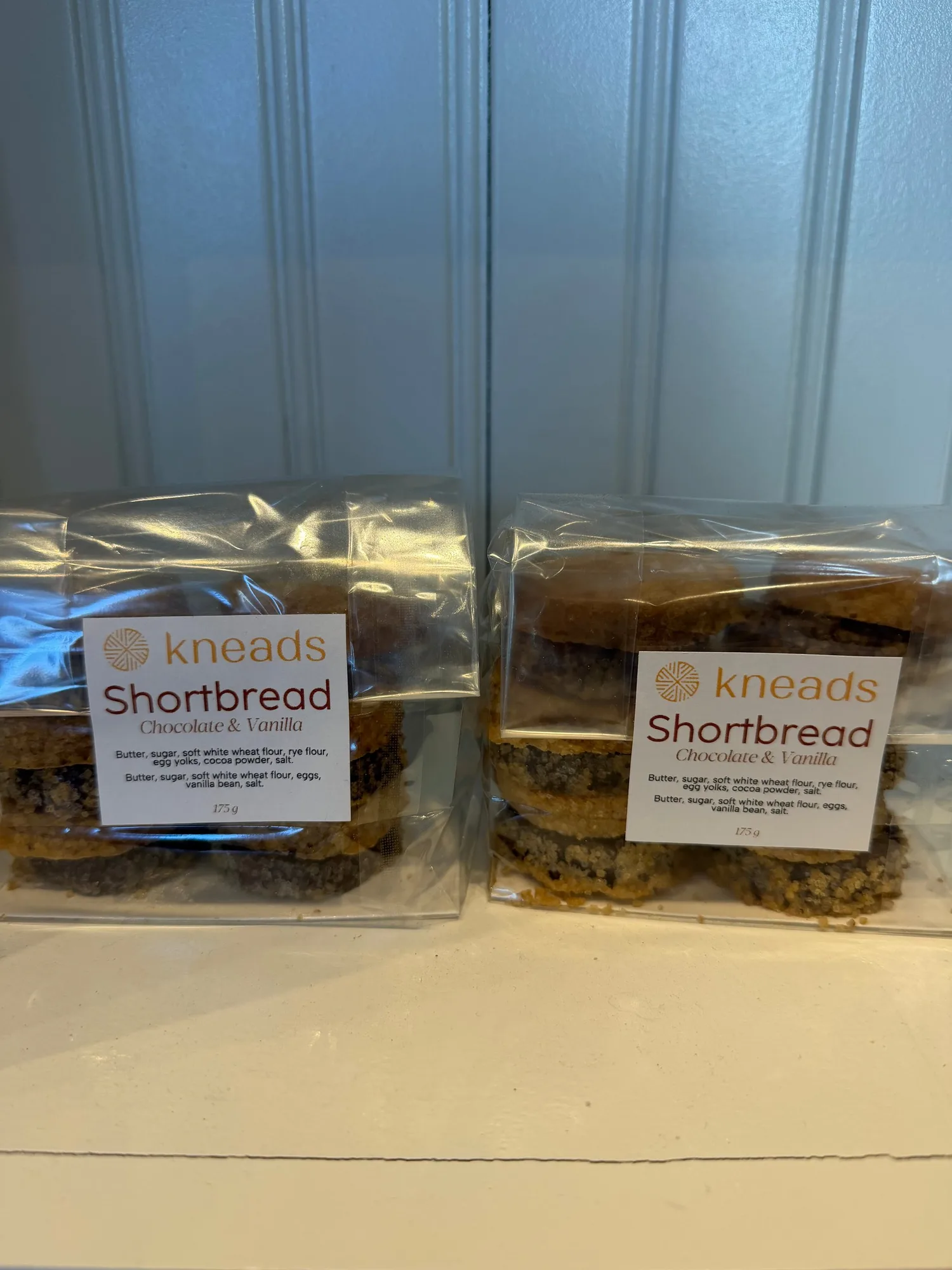
If you are ordering for a gift or an event, choose items that travel well. Dense, dry cookies like shortbread hold up better than soft, iced, or filled pastries. If you are shipping to a hot climate, avoid chocolate-heavy items in warm months or ask the seller about warm-weather packaging.
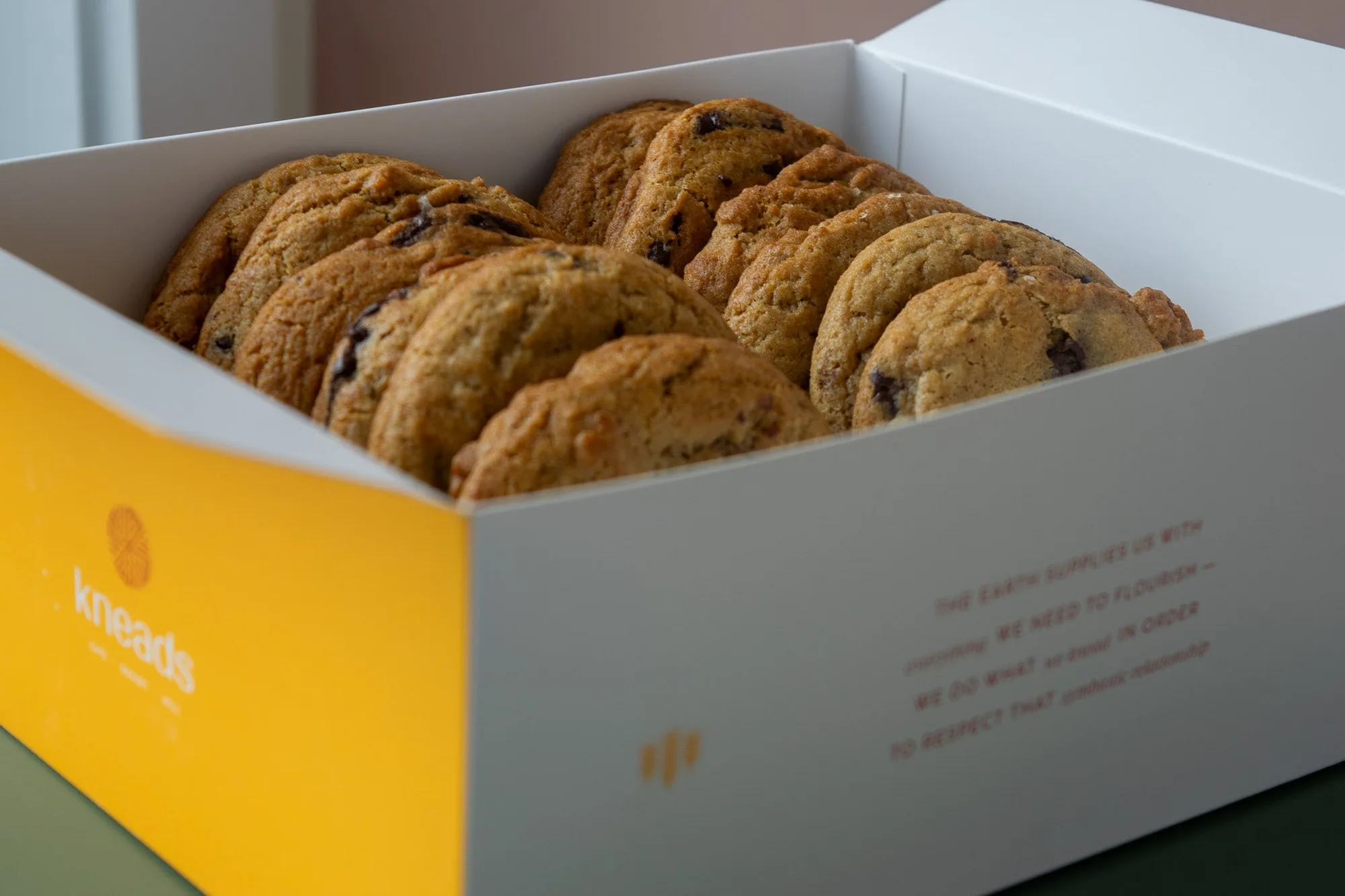
For gatherings where appearance matters, a box of mini cinnamon buns or a chocolate chunk cookie box can be a better fit than a fragile assortment, because the pieces are uniform and easier to arrange even if a few edges crumble. Ordering a multi-pack also gives you spares, so one damaged piece does not ruin the presentation.
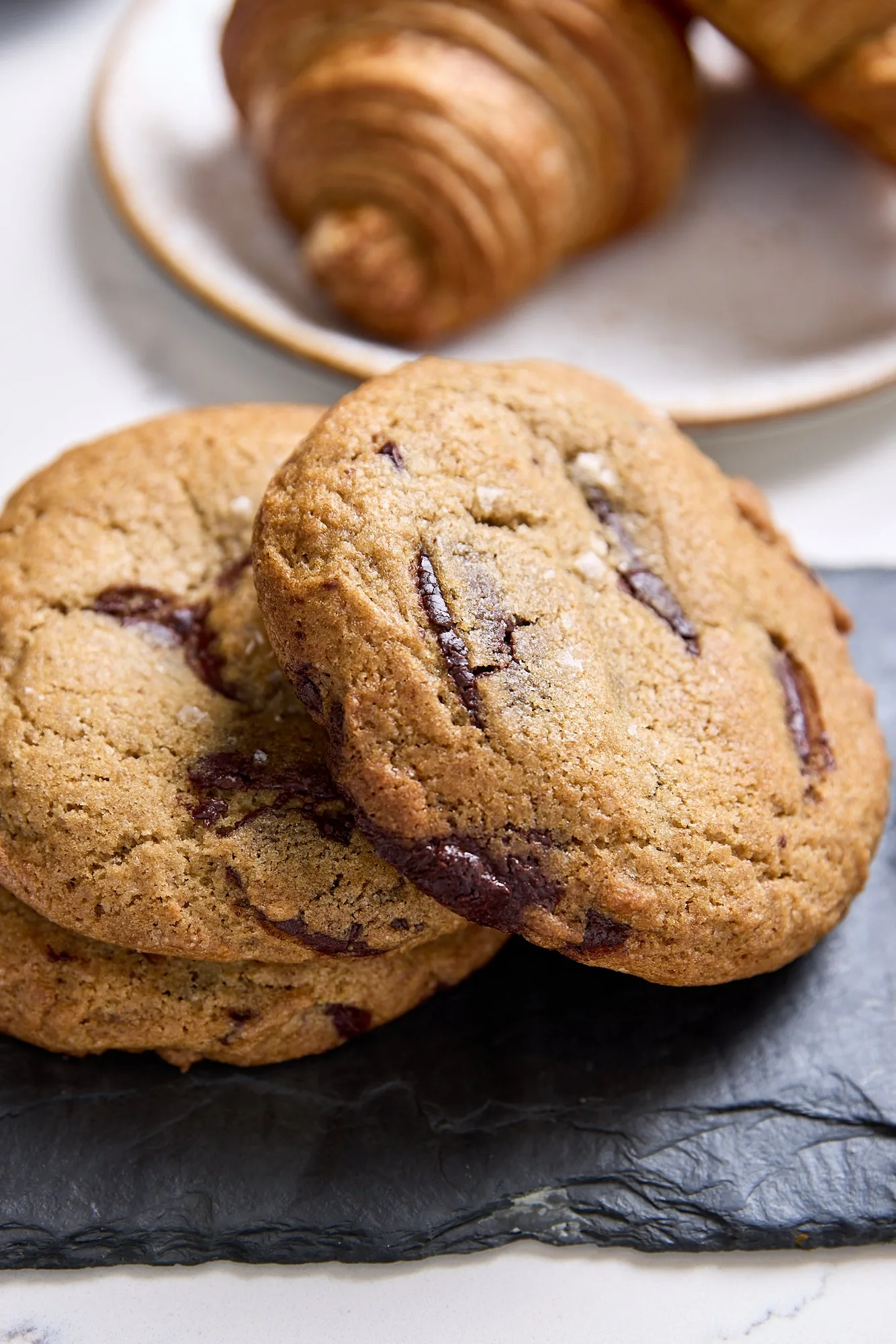
chocolate chunk cookie
Diagnosis: symptom, cause, action, stop point
- Crumbs and cracked edges: Usually vibration in transit, not a baking fault. The cookies are safe to eat. Eat within a day or two, or use the crumbs as a topping. No need to contact the seller unless the box is mostly dust.
- Soft cookies that should be crisp: Moisture moved between cookies or from the packaging during a temperature swing. Warm in a low oven for a few minutes, then cool on a rack. If they stay soft after cooling, treat them as stale.
- Hard, dry cookies that should be soft: Air exposure or age. A short steam or an apple slice in an airtight container can help. If the texture does not improve overnight, stop and ask about a replacement.
- Mold, off smell, or wet surface: Not a fixable texture problem. This is a safety issue. Do not eat. Photograph and contact the seller immediately.
Products that travel well
- Shortbread Cookies 18 pk: Shortbread Cookies 18 pk, a convenient multi-pack of shortbread cookies in a standard option. Dense shortbread tends to crack rather than shatter, and the multi-pack gives you spare pieces if a few break in transit.
- Chocolate Chunk Cookie Box: Chocolate Chunk Cookie Box, a pastry catering option built around chocolate chunk cookies in a standard option. A single-flavor box is easier to inspect and sort after shipping than a mixed assortment, so you can quickly tell whether the whole box is affected.