Quick Answer
For consistent, deeply embossed designs on shortbread or butter cookies, cookie stamps win because they press a pattern directly into each dough ball. A rolling pin is more versatile for rolling any thickness and cutting shapes, but it can't create the same crisp relief. If decorating ease matters most, start with stamps; if you need flexibility for pies, tarts, and cutouts, a rolling pin is essential.
How Each Tool Creates the Design
A cookie stamp presses a carved pattern into a portioned dough ball, leaving a raised or indented design that survives baking. Nordic Ware Cookie Stamps include a set designed for pressing designs into dough, so you get consistent patterns every time. A rolling pin flattens dough evenly but leaves a smooth surface; any pattern must come from an embossed pin or from separate cutters and stamps.
The practical difference: stamps work on thick, chunky cookies where the design has room to form. Rolling pins excel when you need uniform thickness for cutout cookies, pie crusts, or laminated doughs. You can use both in one recipe—roll first, then stamp—but that adds steps.
Dough Types and Best Results
Stamped cookies need dough that holds its shape without excessive spread. Shortbread, butter cookies, and sugar cookies are ideal because they are stiff and low-moisture. Nordic Ware Cookie Stamps are specifically suited for stamped butter cookies, shortbread, or sugar cookies. If your dough is too soft, the pattern will blur; chill it briefly before stamping.
A rolling pin handles a wider range of doughs—from flaky pie dough to soft gingerbread—because it doesn't rely on the dough holding a relief. For embossed rolling pins, you still need a stiff dough to keep the pattern. So the choice often comes down to your recipe: if you love shortbread, stamps are the natural fit.
Speed, Consistency, and Cleanup
Cookie stamps are fast once you portion dough: press, lift, and bake. They produce identical cookies with minimal effort, which is great for gift trays. Cleanup is simple if you flour or oil the stamp lightly between presses. A rolling pin requires more counter space and a rhythm of rolling, flouring, and cutting—but it's faster for large batches of flat cookies.
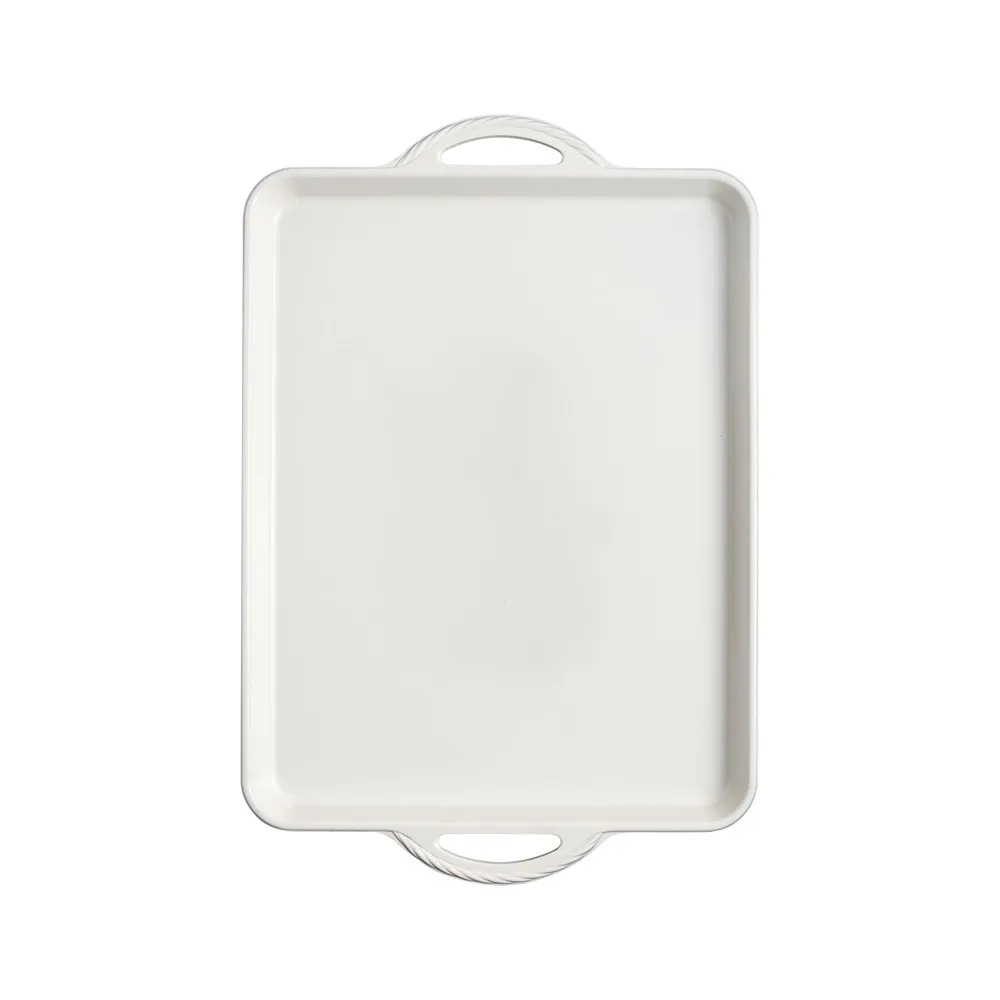
For mixed batches—some stamped, some cut out—you'll need both tools. A large baking sheet like the Nordic Ware Cardamom Large Baking Sheet (12 x 15 inches) gives you ample space for cookies, pastries, or roasted vegetables, so you can bake stamped and rolled cookies side by side without crowding.
Decorating Potential and Occasions
Stamped cookies look decorated straight from the oven—no icing required. That makes them ideal for holidays, bake sales, or anytime you want easy decorated cookies. You can still add a glaze or sanding sugar, but the design does the visual work. Rolling pin cookies are a blank canvas: you cut shapes and decorate with royal icing, sprinkles, or edible markers.
If your goal is intricate painted designs, a rolling pin plus cutters gives you more control. If you want a classic, rustic look with minimal fuss, stamps deliver. Consider the occasion: stamped shortbread feels traditional and homemade; cutout cookies suit themed parties where shapes matter.
Trade-Offs at a Glance
- Design consistency: Cookie stamps produce identical, deeply embossed patterns on every cookie. Rolling pins leave a smooth surface unless you use an embossed pin, which can be less crisp. Choose stamps for uniform, decorative results.
- Dough versatility: Rolling pins work with any dough that can be rolled—pie crust, puff pastry, soft cookies. Stamps require stiff dough that holds a pattern. Choose a rolling pin if you bake a wide range of pastries.
- Speed and cleanup: Stamps are quick for small batches but need flouring between presses. Rolling pins require more space and a rolling-cutting rhythm but can be faster for large flat batches. Match the tool to your batch size and patience for cleanup.
Product Facts
- Cookie Stamps: Includes a set of cookie stamps for pressing designs into dough; ideal for stamped butter cookies, shortbread, or sugar cookies. Lets you create consistent embossed patterns without icing or cutters, perfect for fast decorating.
- Cardamom™ Large Baking Sheet: Generous 12 x 15-inch size provides ample space for cookies, pastries, and roasting vegetables. A large surface means you can bake a full batch of stamped cookies without crowding, which helps them bake evenly.
Which Tool Fits Your Baking?
Best for
- Bakers who want easy, consistent decorated cookies without icing
- Shortbread, butter cookie, and sugar cookie enthusiasts
- Gift-giving and holiday baking where uniform shapes matter
Not for
- Bakers who need to roll pie crusts, tarts, or laminated doughs
- Recipes that require cutting specific shapes with cookie cutters
- Very soft or sticky doughs that won't hold a stamped impression