Quick answer
Choose a magnetic drawing board if you want a reusable, low-mess surface for toddlers and early alphabet practice, especially for car rides, waiting rooms, and daily doodling. Choose paper if your child needs unlimited color blending, keeps finished artwork, or is ready for finer pencil control. Many families use both: a double sided magnetic drawing board for practice and travel, paper for projects and display.
How the two surfaces actually differ
A magnetic drawing board uses a stylus to pull magnetic particles to the surface, so marks appear without ink, dust, or sharpened tips. A double sided magnetic drawing board adds a second play or learning face, often one side for free drawing and one for tracing or letter work. Paper is a one-time surface: every mark stays, every sheet can be torn or crumpled, and the only way to start fresh is to flip to a new page. That single difference drives most of the practical trade-offs between the two.
Mess, cleanup, and travel
Paper wins on nothing here except familiarity. Crayons break, markers dry out, and loose sheets slide off laps in the car. A reusable drawing board for kids stays contained: the stylus is attached or stored on the board, and clearing the surface takes one swipe. That makes a magnetic drawing board the easier choice for restaurants, flights, and back seats, where you cannot chase a rolling crayon. The trade-off is that the board offers a single line color or a limited palette, so it cannot match the layered shading a child gets from a full crayon box.
Learning letters and early writing
For magnetic drawing board alphabet practice, a board with a dedicated letter side gives children a repeatable tracing surface. They can form a letter, erase it, and try again without asking for a new sheet. That repetition builds confidence and muscle memory, and it removes the pressure of ruining a page. Paper still matters once a child is ready for pencil grip and controlled pressure, because paper provides the resistance and friction that a stylus on a magnetic surface does not. Use the board for warm-ups and letter drills, then move to paper for name writing and short words.
Cost, waste, and how long each option lasts
Paper is cheap per sheet but disappears fast, and repeated printing or repurchasing adds up. A magnetic drawing board is a one-time purchase that keeps working until the stylus is lost or the surface is damaged. If you want a board that also supports early reading and writing, the PicassoTiles Magnetic Drawing Board Freestyle & Alphabet Double Sided (PTB04-BLK) combines lowercase tracing with freestyle drawing, so one tool covers practice and play. The honest limitation: neither a board nor a stack of paper replaces adult interaction. A board makes practice convenient, but a parent or teacher still needs to name letters, model strokes, and celebrate attempts.
Trade-offs to weigh before you buy
- Reusable surface vs unlimited color: A magnetic drawing board erases with one swipe, so it is always ready for the next attempt. Paper allows blending, shading, and mixed media that a magnetic surface cannot reproduce. Pick the board for practice and travel; keep paper for finished art and color exploration.
- Contained stylus vs pencil grip practice: An attached stylus cannot be lost under the couch and needs no sharpening. But it does not build the finger pressure and control that a pencil on paper develops. Use the board for letter formation drills, then transition to paper for handwriting stamina.
- One-time cost vs ongoing sheets: A board is a single purchase that keeps working; paper is inexpensive per sheet but is consumed and repurchased. Neither includes adult teaching time, which is the real driver of progress. If you want a board that also supports alphabet practice, look for a double sided option with tracing and freestyle sides.
Product facts that affect the choice
- PicassoTiles Magnetic Drawing Board Freestyle & Alphabet Double Sided: PicassoTiles magnetic alphabet board (PTB04-BLK) features lowercase tracing and freestyle drawing to support early reading, writing, and creative expression. One double sided board covers both alphabet practice and free drawing, so you do not need separate paper and tracing sheets for daily warm-ups.
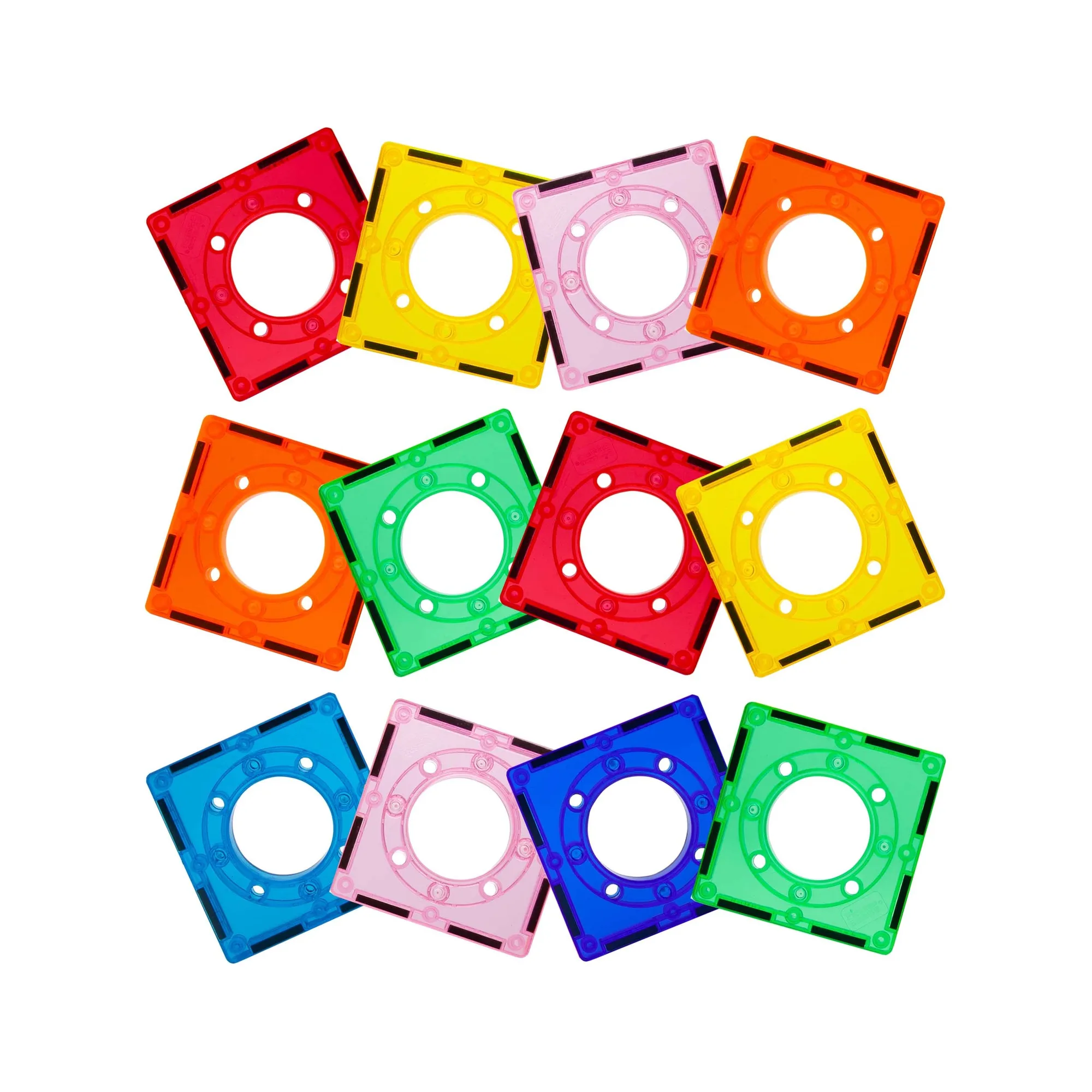
- PicassoTiles Magnetic Tiles and Sticks Builder Set (82 Pieces): PicassoTiles Magnetic Tiles and Sticks Builder Set (PTE22) includes 82 colorful tiles, rods, sticks, and connector balls for building towers, bridges, domes, and geometric frames. If your child prefers building over drawing, this set shifts the same table time toward STEM and problem-solving instead of flat mark-making.
Which one fits your child?
Best for
- Toddlers and preschoolers who need a low-mess, reusable surface for daily doodling and letter tracing
- Families who need a travel-friendly activity for car rides, restaurants, and waiting rooms
- Parents who want magnetic drawing board alphabet practice without printing new worksheets
Not for
- Children who want to blend many colors, shade, or keep finished artwork for display
- Older kids practicing fine pencil control and handwriting stamina, who need paper's friction and resistance
- Families looking for a building toy rather than a drawing surface, who should consider a magnetic tiles and sticks set instead