Quick answer
Oil your clipper blades before every grooming session and re-oil every 10 to 15 minutes of continuous cutting. Use coolant spray only when the blade feels hot to the touch, not as a substitute for oil. Wipe away excess oil and hair before storing the clipper.
Why coolants and oils do different jobs
Clipper oil reduces friction between the blade teeth and the cutter, which keeps the blade moving smoothly and prevents it from dragging or snagging hair. Coolant spray lowers the blade temperature quickly when friction heat builds up, but it does not lubricate. Using coolant alone will leave the blade dry and increase wear. Using oil alone on a hot blade will not bring the temperature down fast enough. You need both, but for different reasons and at different moments.
How to set up your clipper before the first cut
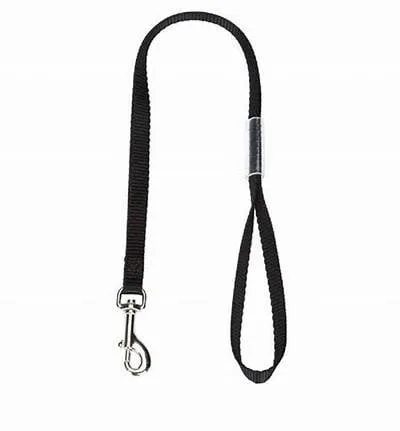
Start with a clean blade. Hair and dander trapped between the blade teeth soak up oil and stop it from reaching the cutting surfaces. Brush or blow out the blade before you oil it. Then apply two or three drops of clipper oil along the top of the blade where the cutter runs, and let the clipper run for a few seconds so the oil spreads. Wipe off any oil that drips onto the clipper body. If you are using a grooming loop or noose to keep the dog steady, adjust it so the dog can stand comfortably while you work; a dog that pulls away mid-cut is more likely to get nicked. A basic grooming loop like the Canis Gear Basic Grooming Loop/Noose-17" gives gentle restraint while allowing some movement, which makes it easier to keep the blade flat and moving at a steady speed.
When to oil dog clippers during a session
Oil before you start, then re-oil every 10 to 15 minutes of continuous cutting. If you are clipping a thick or matted coat, oil more often because the blade works harder. You will know the blade needs oil when it starts to sound louder, cut slower, or leave a rougher finish. Stop, brush out the blade, add two drops of oil, run the clipper for a few seconds, and wipe off the excess. Do not wait until the blade is hot to add oil; by then the friction has already caused wear.
How to use coolant spray for dog clippers
Coolant spray is for heat, not for lubrication. Touch the blade with the back of your hand or a finger. If it feels hot, turn the clipper off, spray the blade evenly with coolant, and let it sit for a few seconds. Wipe off any residue before you start cutting again. Never spray coolant directly onto a running clipper or onto the dog. If the blade gets hot again within a minute or two, the blade may be dull or the coat may be too thick for that blade; switch to a fresh blade or a different size rather than repeatedly cooling the same one.
Common clipper oiling mistakes to avoid
The most common mistake is using too much oil. Excess oil mixes with hair and clogs the blade, which makes it cut worse, not better. Two drops is enough for a blade. Another mistake is oiling only the top of the blade and ignoring the cutter. Oil needs to reach the contact point between the blade and the cutter, so apply it where the cutter runs and let the clipper distribute it. Do not use cooking oil, motor oil, or silicone spray on clipper blades; they attract dirt or leave residue that damages the blade. Finally, do not oil a hot blade and keep cutting. Let it cool first, then oil.
A simple blade care routine after every groom
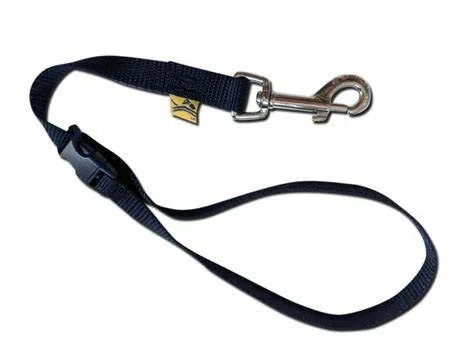
After you finish, turn the clipper off and brush or blow out all hair from the blade and the clipper housing. Wipe the blade with a dry cloth, then add one drop of oil and run the clipper for a few seconds. Wipe off any oil that comes out. Store the clipper with the blade protected from knocks. If you use a choker-style loop, check it for wear and replace it when the coating frays; a loop that slips can cause a sudden movement that damages the blade or nicks the dog. The Canis Gear Choker Style Loop/Noose-17" is light and easy to maneuver, and its choker style ensures a secure fit with no risk of slipping off, which helps you keep control during blade changes.
Extend clipper blade life with these habits
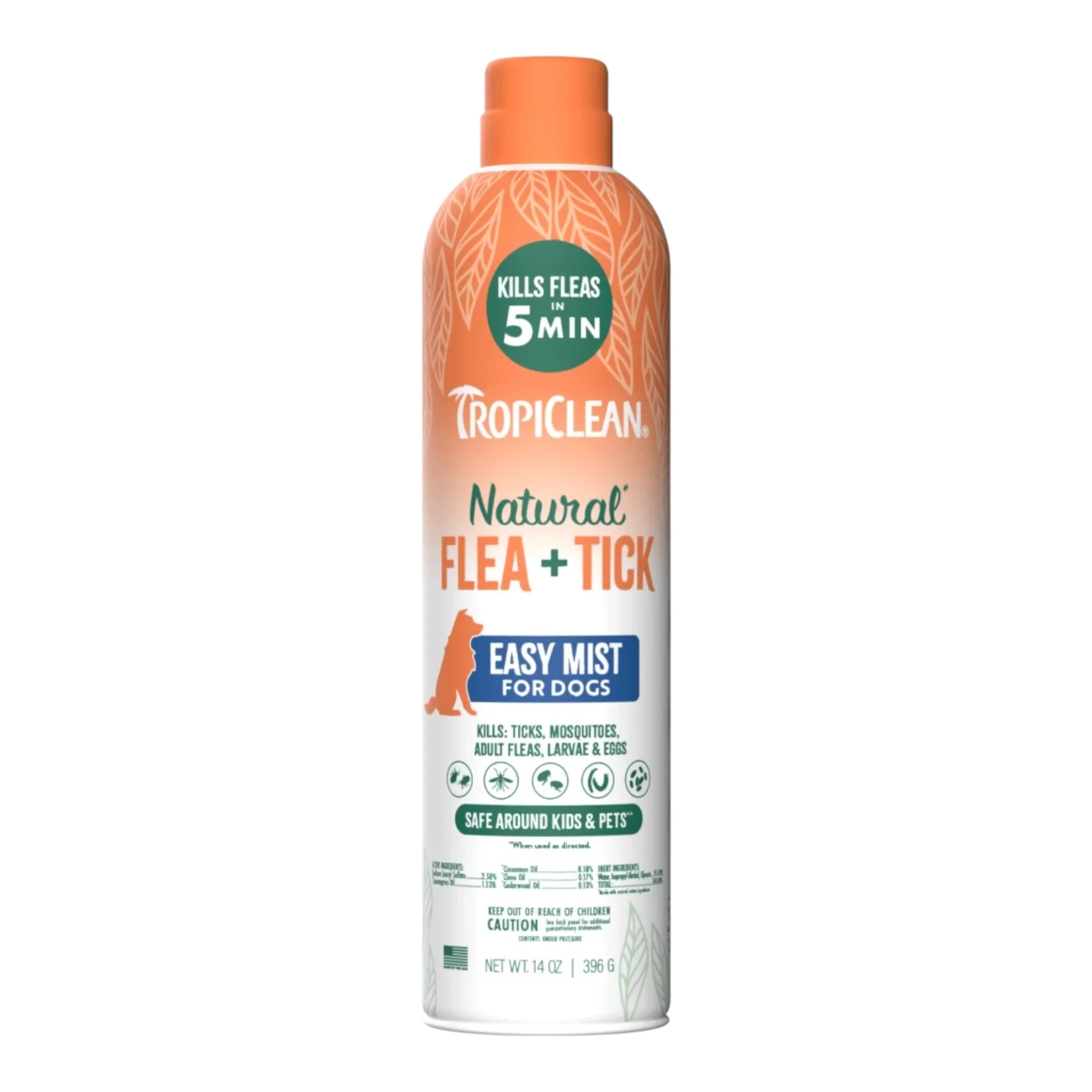
Blade life depends on friction, heat, and cleanliness. Keep the blade oiled, cool it when it gets hot, and clean it after every use. Rotate between two or more blades during a long groom so each one has time to cool. Never force a dull blade through thick coat; that overheats the blade and wears the cutter faster. If you groom dogs with fleas or ticks, treat the coat before clipping. A product like TropiClean Flea & Tick Home Easy Mist Spray for Dogs 14oz. can be used as part of your pre-groom routine; it is a natural spray that kills and repels fleas and ticks on contact, so you are less likely to spread pests onto your blades and equipment.
Step-by-step clipper coolant and oil routine
- Clean the blade before oiling: Brush or blow out all hair and dander from the blade teeth and the cutter. Oil cannot reach the cutting surfaces if hair is packed in the way. Checkpoint: the blade should look clean and dry before you add oil.
- Apply two drops of clipper oil: Put two drops along the top of the blade where the cutter runs. Turn the clipper on for a few seconds to spread the oil, then wipe off any excess. Mistake to avoid: using more than two or three drops, which attracts hair and clogs the blade.
- Re-oil every 10 to 15 minutes: During a long groom, stop when the blade sounds louder or cuts slower. Brush out the blade, add two drops of oil, run the clipper, and wipe off the excess. Checkpoint: if you hear a change in sound, oil before the blade gets hot.
- Cool the blade only when it feels hot: Touch the blade with the back of your hand. If it is hot, turn the clipper off, spray the blade evenly with coolant, wait a few seconds, and wipe off residue before cutting again. Mistake to avoid: spraying coolant onto a running clipper or using coolant instead of oil.
- Clean and oil after every groom: Turn the clipper off, remove all hair from the blade and housing, wipe with a dry cloth, add one drop of oil, run the clipper for a few seconds, and wipe off excess oil. Next step: store the clipper with the blade protected from knocks.
- Rotate blades and replace worn ones: Keep at least two blades in rotation during long grooms so each one can cool. Replace a blade when it stays hot after cooling or leaves a rough finish even when oiled. Checkpoint: a blade that needs cooling more than once per 10 minutes is likely dull or overloaded.
Products that support clipper care
- TropiClean Flea & Tick Home Easy Mist Spray for Dogs 14oz.: TropiClean Flea & Tick Easy Mist Spray for Dogs is a natural spray that kills and repels fleas and ticks on contact. Treating the coat before clipping reduces the chance of fleas and ticks transferring to your blades and grooming area.
- Canis Gear Basic Grooming Loop/Noose-17".: Canis Gear's 17" Basic Grooming Loop/Noose is a durable tool designed to provide gentle restraint while allowing your pet to move freely. A steady dog makes it easier to keep the blade flat and moving at a consistent speed, which reduces friction and heat.
- Canis Gear Choker Style Loop/Noose-17".: Canis Gear's Choker Style Loop features a 17" long noose that is light and easy to maneuver, with a choker style that ensures a secure fit with no risk of slipping off. Secure restraint during blade changes helps prevent sudden movements that can damage the blade or cause nicks.