Quick answer
Use cooling gel nipple pads after pumping to soothe sore nipples fast: chill them in the fridge, apply for 10–15 minutes, then pat dry and air-dry your nipples before your next session. If pain continues or you see cracks, bleeding, or a white blister, stop using the pads and check your flange size or see a lactation consultant.
Why pumping can leave your nipples sore
Nipple pain from a breast pump flange is common when the shield size is wrong, the suction is too high, or you pump longer than your body tolerates. A flange that is too small rubs the nipple; one that is too large pulls in too much areola and causes friction. Both create the kind of soreness that makes you dread the next session.
Cooling gel nipple pads are a comfort tool, not a fix for a bad pump fit. They help you manage sore nipples after pumping while you correct the cause. If the pain starts during pumping and fades within minutes, a pad can take the edge off. If it lingers or gets worse each session, the pad is masking a problem you need to solve.
How to use cooling gel nipple pads step by step
Start with clean, dry hands and nipples. If your pads are reusable, chill them in the refrigerator—not the freezer—for about 20–30 minutes before use. A cold pad straight from the freezer can be uncomfortably intense and may damage the gel over time.
Place one pad over each nipple, gel side down, and leave it on for 10–15 minutes. You can wear a soft bra or loose top over the pads to hold them in place. After you remove them, gently pat your nipples dry and let them air-dry for a few minutes before putting on a bra or starting another pumping session. This prevents trapped moisture, which can irritate skin.
Use the pads after pumping, not during. Wearing them inside a pump flange can break the seal and reduce suction. If you need relief between sessions, that is fine—just keep them out of the pump setup.
- Chill in the fridge, not the freezer.
- Apply for 10–15 minutes after pumping.
- Pat dry and air-dry before dressing.
- Never wear pads inside the pump flange.
Reusable nipple gel pads: cleaning and storage
Reusable gel pads need a quick wash after each use to stay hygienic. Rinse them with cool water and a drop of mild, fragrance-free soap, then pat dry with a clean towel. Avoid hot water, alcohol, or harsh cleaners—they can break down the gel and the outer film.
Store dry pads in a clean, sealed container or the original pouch in the refrigerator. Do not stack heavy items on them or fold them sharply; creases can cause the gel to leak. Check the manufacturer's instructions for how many uses your specific pads allow, and replace them when the gel feels stiff, the surface tears, or they no longer chill evenly.
If you use disposable cooling pads, follow the package directions and throw them away after one use. Do not try to wash and reuse disposables.
When to stop and choose another option
Stop using cooling gel pads and talk to a lactation consultant or doctor if you have cracked, bleeding, or blistered nipples; a white, painful blister; a sudden drop in milk supply; or pain that does not improve after two or three days of corrected flange size and reduced suction. These signs can point to a flange fit problem, a clog, or an infection that cooling alone will not fix.
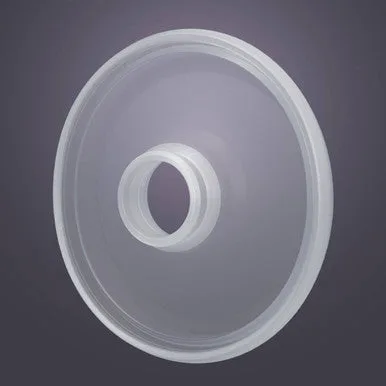
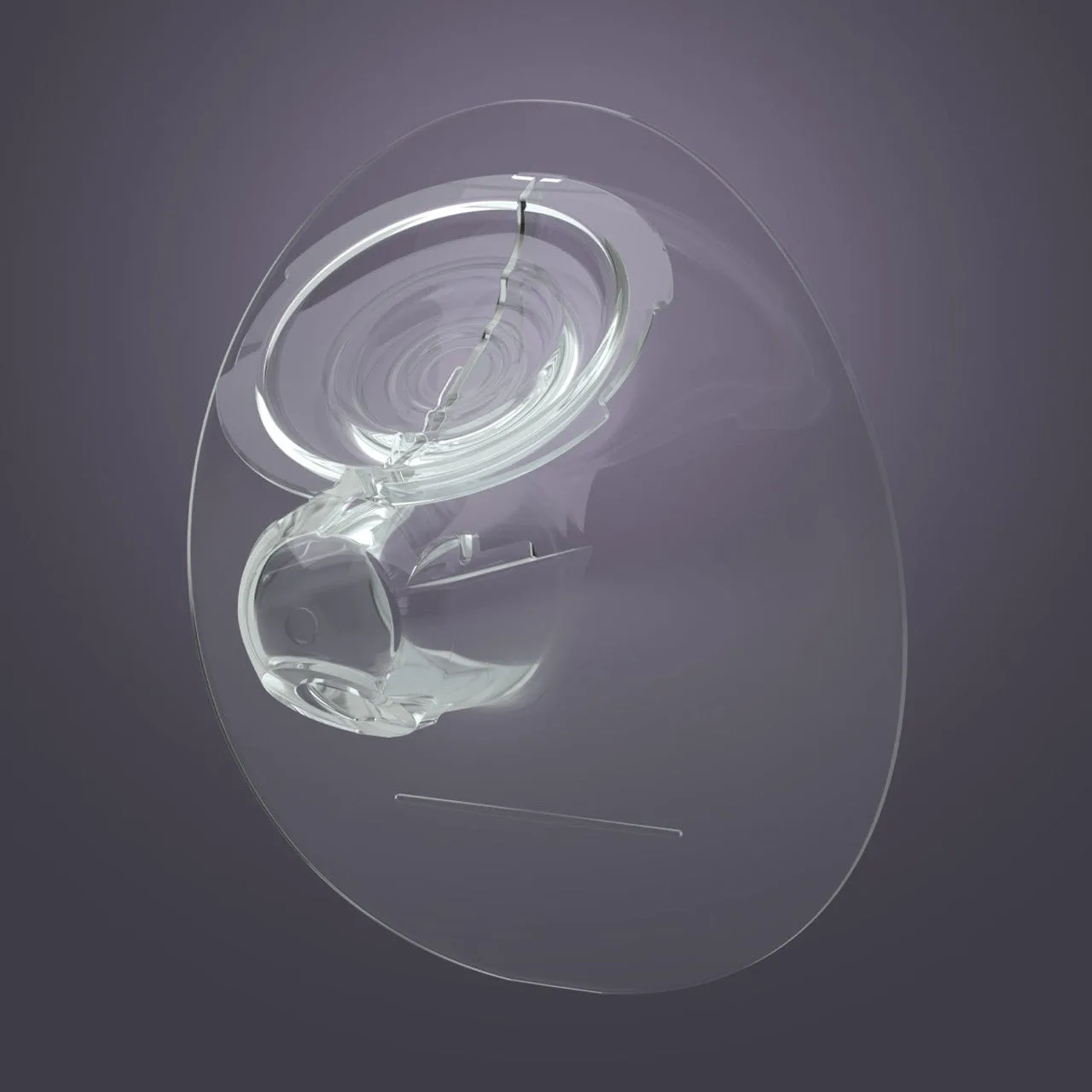
If your nipples are sore because your flanges do not fit, replacing them is the better first step. Elvie Pump Breast Shields come in 21 mm, 24 mm, and 28 mm, and all Elvie Pumps include 24 mm and 28 mm shields. Some women need the 21 mm size. A correctly sized shield should let your nipple move freely in the tunnel without rubbing the sides.
For soreness that comes from milk drying on the skin, a quick wipe with a damp cloth before pumping can help. For soreness that comes from suction, lower the setting. Cooling pads are a bridge—not a substitute for fixing the cause.
Diagnose your nipple pain
- Symptom: Sharp pain during pumping that fades after: Likely cause: Suction is too high or the flange tunnel is too narrow, so the nipple rubs the sides. Corrective action: Lower the pump setting by one level and check that your nipple moves freely in the tunnel without touching the walls. Try a different shield size if rubbing continues. If pain stops within a few minutes and the nipple looks normal, a cooling gel pad after pumping can manage the remaining soreness.
- Symptom: Soreness that lasts hours after pumping: Likely cause: Repeated friction from an ill-fitting flange or pumping sessions that are too long. Corrective action: Shorten sessions, reduce suction, and measure your nipple diameter to confirm shield size. Use a chilled cooling gel pad for 10–15 minutes after each session. If soreness improves over two or three days, keep the new routine. If it does not, stop and get a flange fit check.
- Symptom: Cracked, bleeding, or blistered nipples: Likely cause: Ongoing damage that cooling pads cannot repair. Corrective action: Stop pumping on that side if possible, hand-express or pump the other side, and contact a lactation consultant or doctor. Do not apply gel pads to broken skin unless your clinician says it is safe. This is the point to stop self-treating and choose a clinical evaluation instead of another comfort product.
Products that support pumping comfort
- Cooling Gel Nipple Pads: Cooling Gel Nipple Pads provide an immediate cooling sensation to help soothe sore nipples and are designed for use during breastfeeding or postpartum recovery. They are the direct comfort tool for sore nipples after pumping; keep a pair chilled so relief is ready when you finish a session.
- Elvie Pump Breast Shields (2 pack): Elvie Pump Breast Shields (2 pack) are available in 21 mm, 24 mm, and 28 mm; all Elvie Pumps come with 24 mm and 28 mm shields, and some women may need a 21 mm shield. If nipple pain comes from a poor flange fit, switching to the correct shield size addresses the cause instead of only cooling the symptom.