Quick answer
A cooling harness is the better pick when your dog needs to move, pull, or train while staying cool, because it combines a secure body wrap with cooling panels that stay close to the chest. A cooling coat wins when your dog mostly needs shade-style coverage during rest, crate time, or low-movement outings. If you train in summer heat, start with a harness; if your dog mostly overheats while waiting or traveling, a coat is the simpler choice.
How each design handles heat differently
Cooling harnesses use a fitted chest and girth strap to hold cooling panels against the areas where a dog dumps heat fastest: the chest, underbelly, and armpits. Because the harness is anchored, the cooling surface does not slide off during movement. That makes it the more reliable option for active sessions, but it also means you must check the fit every time you put it on.
Cooling coats rely on broader body coverage and looser draping. They cover more surface area, which helps during stationary rest, but loose fabric shifts when a dog runs or turns. A coat that gaps away from the body will not transfer cooling as effectively, so the fit still matters even though the garment is less structured.
Fit and sizing: the make-or-break factor
Measure the girth behind the front legs and the chest depth before choosing either option. A harness should sit snug enough that you can slide two fingers under the girth strap but not so loose that the chest panel swings. A coat should cover the back and flanks without hanging past the tail base or rubbing the shoulders.
If your dog is between sizes, size down for a harness and consider sizing up for a coat only if the neck opening still fits. A harness that is too large will chafe and lose contact with the cooling panels. A coat that is too large will trap less cooling and can catch on brush or crate bars.
When to choose a cooling harness
Pick a harness for any activity where your dog is moving: obedience drills, scent work, hiking, or fetch. The structured fit keeps cooling panels in place, and most harnesses have a leash attachment point, so you are not layering gear. If your dog already wears a training vest, a harness can replace the vest rather than adding another layer.
A harness is also the better choice for dogs that dislike clothing over the head. Most harnesses step in or clip around the chest, which is easier for nervous or wriggly dogs.
When to choose a cooling coat
Choose a coat for rest, crate time, car travel, or shaded downtime at an event. Coats are faster to put on and take off, and they cover more of the back, which helps when a dog is standing or lying still. If your dog overheats mainly while waiting between runs, a coat is the lower-effort option.
Coats also work well for dogs that will not tolerate a girth strap. If your dog has sensitive skin under the front legs, a coat avoids that contact point entirely.
Overheating prevention beyond the gear
No cooling product replaces shade, water, and scheduled breaks. Check your dog's gums and breathing rate during summer sessions; if breathing stays fast after a two-minute rest in shade, stop and cool down. Cooling gear buys time, it does not remove the need to monitor.
Rotate cooling gear with other cooling methods. A harness or coat works best when you also use a cool mat, a water bowl, and a fan. For dogs that overheat while eating or training with food, a textured bowl can slow eating and keep the session calmer.
Trade-offs at a glance
- Cooling harness: movement vs. coverage: Stays in place during training and walking, so cooling panels keep contact with the chest and underbelly. Covers less total body area than a coat. Best for active summer sessions.
- Cooling coat: coverage vs. stability: Covers more of the back and flanks for stationary rest, but loose fabric can shift during movement and reduce cooling contact. Best for crate, travel, and downtime.
- Fit check before either purchase: Measure girth behind the front legs and chest depth. A harness should allow two fingers under the girth strap; a coat should not hang past the tail base or rub the shoulders. Re-measure if your dog gains or loses weight.
Products that support cooling and calm sessions
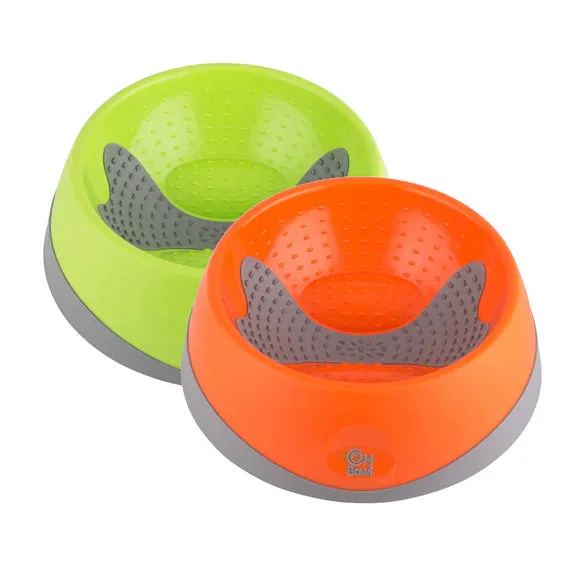
- OH Bowl by Lickimat: The OH Bowl by Lickimat is a textured dog food bowl developed and approved by veterinarians to help support oral health while your dog eats. A textured bowl slows fast eaters and gives a calmer mealtime, which is useful when you are managing heat and activity levels on summer training days.
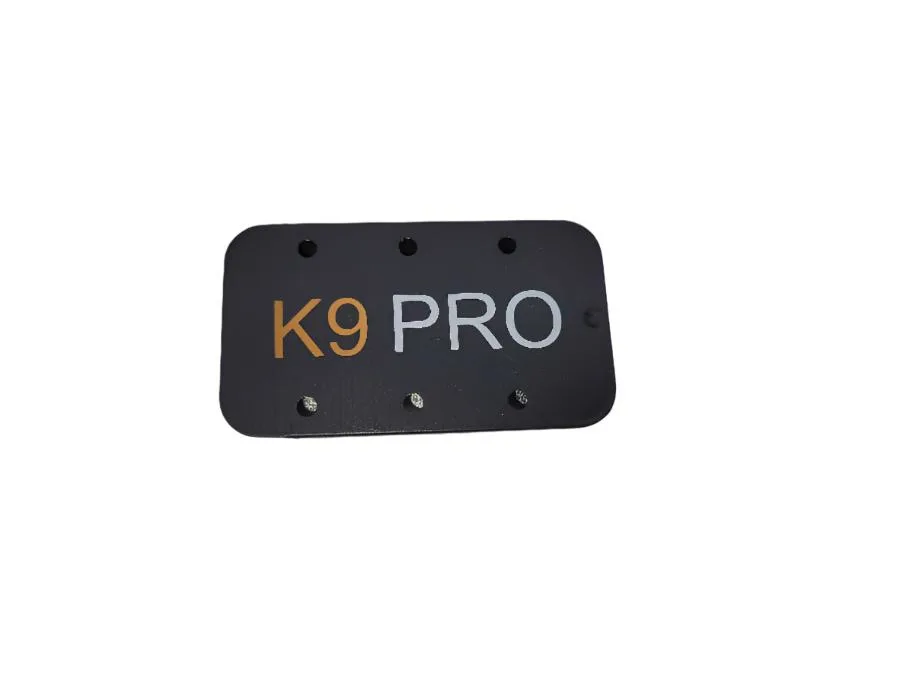
- Nosework Tins: Nosework Tins are small metal tins with an earth magnet and sliding or unscrewing lids, designed to hold a target odour without your dog ingesting it. Scent games are low-impact mental work, so they can replace physical training on hot days while still tiring your dog out.
Which should you choose?
Choose a cooling harness if
- Your dog trains, walks, or works in summer heat and needs gear that stays in place
- You want one piece of equipment that combines cooling with a leash attachment point
Choose a cooling coat instead if
- Your dog mostly overheats while resting, crated, or traveling in the car
- Your dog dislikes girth straps or has sensitive skin under the front legs