Quick answer
To prevent heat stress in working dogs, use a combination of cooling vests for active duty and cooling mats for rest periods. Always provide shade, water, and monitor your dog for signs of overheating. Introduce cooling gear gradually and ensure proper fit for effectiveness.
signs
Why Working Dogs Overheat Faster Than Pets
Working dogs like K9 units, search and rescue dogs, and herding breeds have high drive and often ignore early signs of heat stress. Their thick coats, intense focus, and physical exertion generate heat rapidly. Unlike pet dogs, they may not stop until collapse. Recognizing this risk is the first step in prevention.
Choosing the Right Cooling Gear
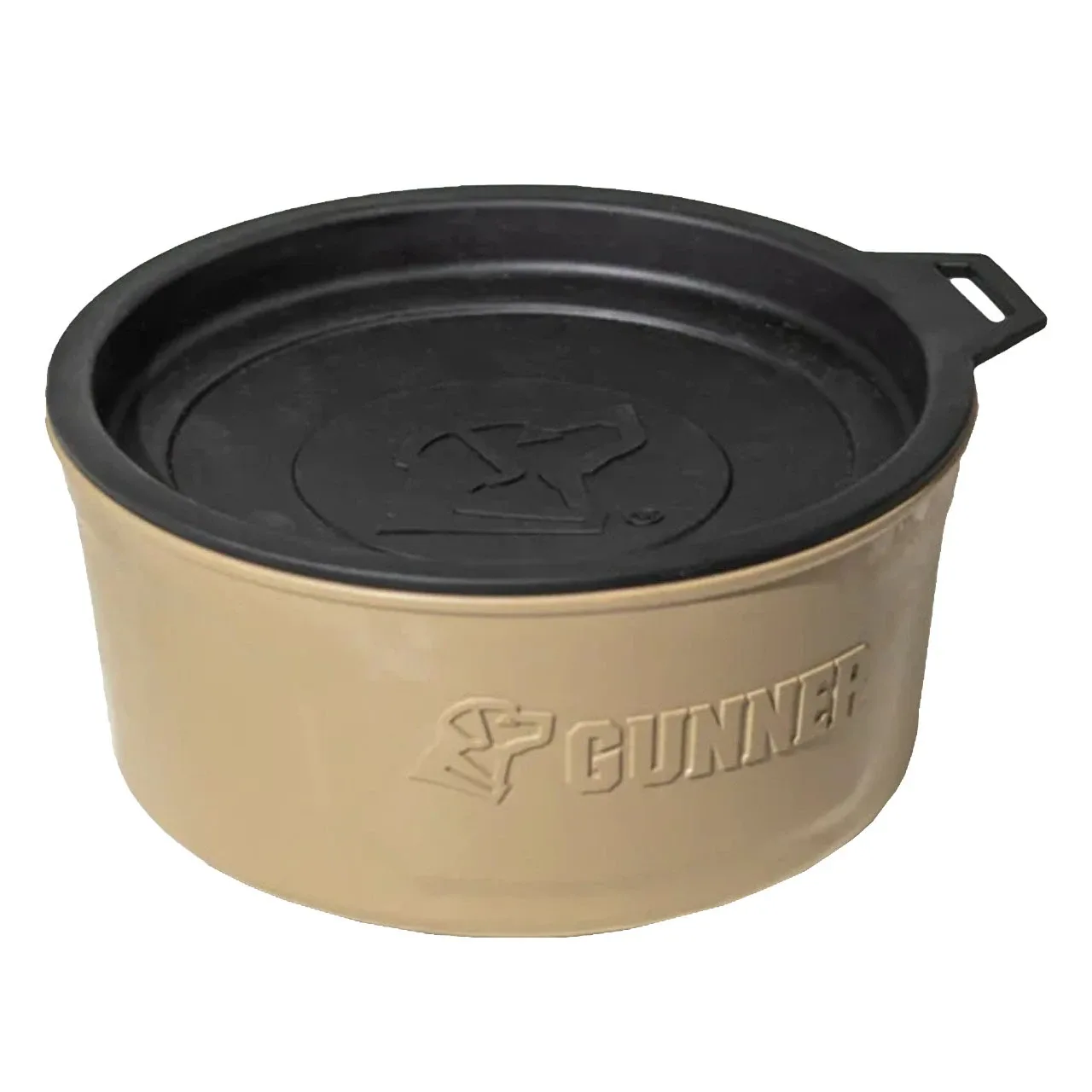
Cooling vests are designed for mobility and evaporative or phase-change cooling. They should fit snugly without restricting movement. Cooling mats provide conductive cooling during rest and recovery. Look for durable, non-toxic materials. For example, the GUNNER® Dog Bowl is made from ultra-strong nylon and is BPA-free, showing the kind of rugged construction you want in gear that travels with you.
Step-by-step heat stress prevention
- Acclimate your dog gradually: Start with short sessions in cooler parts of the day and gradually increase duration and intensity over 1-2 weeks. This helps your dog build tolerance to heat. Checkpoint: If your dog shows heavy panting or reluctance, stop and cool down.
- Pre-hydrate and offer frequent water breaks: Give your dog water before work and every 15-20 minutes during activity. Use a portable bowl like the GUNNER® Dog Bowl for easy access. Mistake: Waiting for your dog to show signs of thirst before offering water.
- Use a cooling vest during activity: Soak evaporative vests in water before putting them on. Ensure the vest covers the chest and back but allows freedom of movement. Checkpoint: Re-wet the vest every 20-30 minutes in dry heat.
- Provide a cooling mat during rest: Place a pressure-activated or water-filled mat in a shaded area. Encourage your dog to lie down for at least 10-15 minutes. Mistake: Using a mat that is too small or not allowing enough rest time.
- Monitor for signs of heat stress: Watch for excessive panting, drooling, bright red gums, vomiting, or disorientation. If seen, move to a cool area, apply cool water to paws and belly, and seek vet care. Checkpoint: Rectal temperature above 104°F (40°C) is an emergency.
- Cool down properly after work: After activity, walk your dog in shade, offer water, and use a cooling mat or cool water rinse. Avoid ice baths as they can constrict blood vessels. Mistake: Letting your dog lie in direct sun after exercise.
Product facts
- GUNNER® Dog Bowl: The GUNNER® Dog Bowl is made from ultra-strong nylon, BPA free, food grade compliant, and will not rust. A durable, safe bowl ensures your dog stays hydrated without worrying about rust or chemicals, especially during travel to training sites.