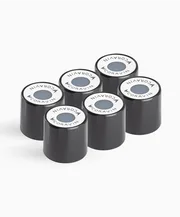
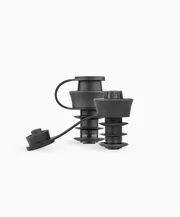
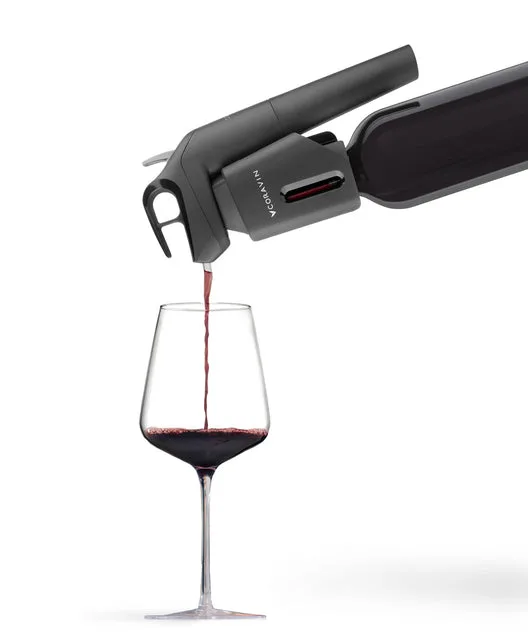
Wine lovers often face the dilemma of preserving an open bottle without compromising its quality. Two popular solutions dominate the market: Coravin's argon-based systems and electric wine preservers that use vacuum technology. Both aim to extend the life of your wine, but they work in fundamentally different ways, offering distinct benefits and drawbacks.
In this detailed comparison, we'll break down how each method works, their impact on wine taste, cost considerations, and ease of use. By the end, you'll have a clear understanding of which wine preservation method aligns with your drinking habits and budget.
How Coravin Works: Argon Technology
Coravin systems, such as the Timeless series, use a thin needle to pierce the cork and inject inert argon gas into the bottle. This creates pressure that pushes wine out through the needle without letting oxygen in. When the needle is removed, the cork reseals, and the remaining wine stays virtually untouched by air, preserving its original flavors and aromas for weeks or even months.
This method is revolutionary because it allows you to pour a glass without ever opening the bottle. It's ideal for those who want to enjoy a single glass from a high-end bottle without committing to finishing it soon. Coravin's technology is widely praised by sommeliers and wine enthusiasts for its ability to maintain wine integrity.
- Preserves wine by preventing oxygen exposure entirely
- Allows multiple pours over time without opening the bottle
- Requires argon capsules, which need periodic replacement
How Electric Wine Preservers Work: Vacuum Sealing
Electric wine preservers, often called wine pumps or vacuum sealers, work by extracting air from the bottle using a pump. Once the air is removed, a stopper is placed to maintain the vacuum. This reduces the oxygen that can oxidize the wine, slowing down the degradation process.
While vacuum pumps are effective at removing oxygen, they cannot eliminate all of it, and the suction process can also extract some of the wine's volatile compounds, potentially altering the flavor profile slightly. However, they are generally more affordable and easier to use than Coravin, making them a popular choice for casual wine drinkers.
- Simple operation: place stopper, press button, and wait for vacuum
- Cost-effective: no need for additional capsules
- May slightly affect wine aroma due to volatile compound extraction
Wine Quality and Taste: Which Preserves Better?
The primary goal of any wine preservation method is to maintain the wine's original taste and aroma. Coravin's argon technology excels in this regard because it completely prevents oxygen from entering the bottle. The wine remains in a near-perfect state, allowing you to taste it as if it were just opened, even weeks later.
Electric preservers, on the other hand, can only slow down oxidation. Over time, even with a vacuum, some oxygen remains, and the wine may gradually lose its freshness. Additionally, the vacuum process can strip away delicate aromatics, making the wine taste slightly flatter compared to Coravin-preserved wine. For wine connoisseurs, Coravin is the clear winner in preserving the highest quality.
- Coravin maintains wine integrity for months
- Electric preservers are best for short-term storage (1-3 days)
- For special bottles, Coravin is the preferred choice
Cost Comparison: Initial Investment and Ongoing Expenses
When comparing costs, electric wine preservers are significantly cheaper upfront. You can purchase a reliable electric pump and stoppers for under $50, and there are no recurring costs. This makes them an attractive option for budget-conscious wine drinkers who want a simple solution.
Coravin systems, such as the Timeless Eleven, are a larger investment, with prices starting around $200. Additionally, you need to buy argon capsules like the Coravin Pure Argon Capsules (21 ml), which cost about $15 for a pack of three. Each capsule provides roughly 15 pours, so the ongoing cost is about $1 per glass. However, for those who regularly enjoy premium wines, this cost is justified by the superior preservation.
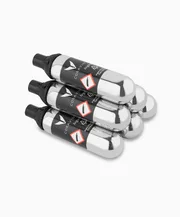
Coravin Pure Argon Capsules (21 ml)
- Electric preservers: low initial cost, no ongoing expenses
- Coravin: higher initial cost, but each pour costs about $1
- Consider your wine consumption habits to determine the best value
Ease of Use and Convenience
Electric wine preservers are incredibly easy to use: insert the stopper, press a button, and wait for the indicator light to signal the vacuum is complete. This simplicity appeals to many users who want a quick, hassle-free solution. However, they require access to electricity, which might be a limitation in some settings.
Coravin systems are also user-friendly, but they have a slight learning curve. You need to insert the needle correctly, hold the bottle at an angle, and ensure the argon capsule is properly installed. Once you get the hang of it, the process takes just a few seconds. Additionally, Coravin offers accessories like the Timeless Fast Pour Needle to speed up pouring, making it even more convenient for entertaining.
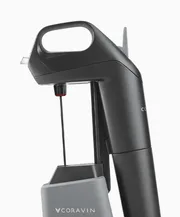
Timeless Fast Pour Needle
- Electric: plug and play, but requires power
- Coravin: manual but portable (no electricity needed)
- Coravin's fast pour needle reduces pour time by up to 70%
Versatility: Which Wines Can You Preserve?
Coravin is designed for use with cork-finished wines, including still wines and some sparkling wines (with the Sparkling Stopper). It works beautifully with red, white, and rosé, and even fortified wines like Port. However, it cannot be used with screw caps unless you have a special accessory like the Timeless Standard Screw Caps.
Electric preservers are more versatile in that they work with any bottle type, including screw caps and synthetic corks. They are also effective for sparkling wines, though they can't preserve the fizz as well as a dedicated sparkling wine stopper. If you frequently drink wines with alternative closures, an electric preserver might be more practical.
- Coravin: best for cork-finished wines; screw cap accessory available
- Electric: works with all closures, but less effective for sparkling
- Consider your typical wine collection when choosing
Portability and Travel
Coravin systems are relatively compact and can be taken on trips, especially with a protective case like the Timeless Deluxe Carry Case. They don't require electricity, making them ideal for outdoor events or travel. However, you need to carry argon capsules, which add a bit of weight.
Electric preservers are bulkier and require a power source, so they are not as travel-friendly. If you're a frequent traveler who enjoys wine on the go, Coravin is the better companion. The ability to preserve a bottle without opening it is a game-changer for picnics, camping, or hotel stays.
- Coravin: portable, no power needed, carry case available
- Electric: less portable, needs outlet
- Coravin is perfect for wine lovers on the move
In the battle of Coravin vs electric wine preservers, the choice ultimately depends on your priorities. If you value the absolute best preservation of high-quality wines and are willing to invest in the technology, Coravin is unmatched. For casual drinkers who want a budget-friendly solution for finishing bottles within a few days, an electric preserver is a practical choice. Consider your wine habits, budget, and the types of bottles you typically open to make the right decision for your cellar.