Wine lovers often face a dilemma: should you use a traditional decanter to aerate your wine, or invest in a modern preservation system like Coravin? Both methods serve distinct purposes, and understanding their differences can elevate your wine experience. In this article, we'll compare Coravin and decanting, exploring their benefits, drawbacks, and ideal use cases.
Decanting has been a time-honored practice for centuries, primarily used to separate sediment from aged wines and to allow young wines to breathe. Coravin, on the other hand, is a revolutionary system that lets you pour wine without removing the cork, preserving the remaining wine for weeks or even months. But do you still need a decanter if you own a Coravin? Let's dive in.
Understanding Decanting: Tradition and Purpose
Decanting involves pouring wine from its bottle into another container, typically a glass carafe. This process serves two main purposes: separating sediment and aerating the wine. For older wines, decanting helps remove the natural sediment that accumulates over time, which can impart bitter flavors. For younger wines, decanting exposes the wine to oxygen, softening tannins and releasing aromatic compounds, making the wine more approachable and expressive.
However, decanting is not without its downsides. Once you decant a bottle, you must consume it within a few hours, as the increased oxygen exposure accelerates oxidation. This can be a problem if you're only having a glass or two and want to enjoy the rest later. Additionally, decanting requires careful handling, especially for fragile older wines that may be easily shocked by sudden oxygen exposure.
- Decanting is ideal for full bottles you plan to finish in one sitting.
- It can be risky for older wines that are delicate and prone to oxidation.
How Coravin Works: Preservation and Aeration
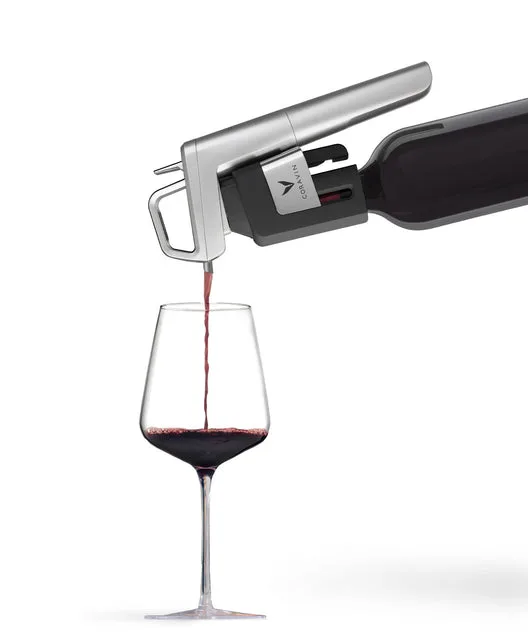
Coravin uses a needle to pierce the cork and inject inert argon gas, which creates pressure that pushes wine through the needle and into your glass. The argon gas fills the headspace, preventing oxygen from coming into contact with the remaining wine. This allows you to pour a glass without opening the bottle, preserving the rest for weeks or even months, depending on the model.
One of the key advantages of Coravin is its ability to aerate wine without exposing the entire bottle to oxygen. While Coravin does not aerate the wine in the glass, you can use accessories like the Pivot Aerator to enhance aeration as you pour. This gives you the best of both worlds: the convenience of preservation and the benefits of aeration.
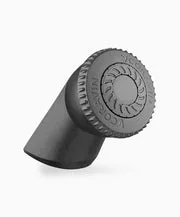
Pivot Aerator
- Coravin is perfect for tasting multiple wines without committing to a full bottle.
- It allows you to enjoy a glass of wine over several days without quality loss.
Decanting vs. Coravin: A Side-by-Side Comparison
To help you decide which method suits your needs, we've created a comparison table highlighting the key differences between decanting and using Coravin.
When it comes to aeration, decanting is more aggressive, exposing the entire wine to oxygen. Coravin, on the other hand, offers minimal aeration unless you use an aerator attachment. For preservation, Coravin wins hands down, as it allows you to enjoy wine by the glass without compromising the rest of the bottle. Decanting requires you to finish the bottle within hours.
In terms of convenience, Coravin is easier for single servings and tasting flights, while decanting is more traditional and ceremonial. Cost-wise, Coravin requires an initial investment in the system and argon capsules, whereas a simple decanter is relatively inexpensive.
- Decanting: best for groups and full-bottle consumption.
- Coravin: best for solo drinkers and wine enthusiasts who like variety.
When to Use a Decanter
There are certain situations where a decanter is still the better choice. For example, if you're serving a full bottle of a young, tannic red wine like a Bordeaux or a Barolo, decanting for an hour or two can significantly improve its flavor. Similarly, if you're hosting a dinner party and plan to finish a bottle, decanting adds a touch of elegance and can be a focal point of the table.
For older wines, decanting is essential to separate sediment. While Coravin can pour wine without disturbing the sediment, it doesn't remove it from the bottle. If you want to enjoy an aged wine at its best, decanting is the way to go.
- Use a decanter for full bottles, especially young reds or aged wines with sediment.
- Decanting is also great for showing off a beautiful bottle at a gathering.
When to Use Coravin
Coravin shines in scenarios where you want to enjoy a glass or two without opening a whole bottle. It's perfect for wine tasting at home, allowing you to sample multiple wines in one evening. It's also ideal for pairing wine with dinner, where you might want a different wine for each course. For collectors, Coravin enables you to check the maturity of a wine without committing to drinking the entire bottle.
Additionally, Coravin is excellent for preserving rare or expensive wines. You can pour a tasting pour and save the rest for a special occasion. The Timeless Three+ is a popular choice for those who want a reliable, user-friendly system. It's also a great gift for wine lovers who appreciate innovation.
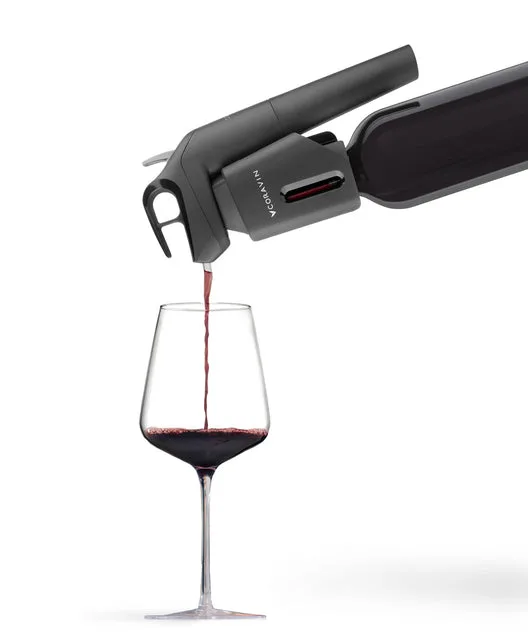
Timeless Three+
- Coravin is perfect for tasting multiple wines or enjoying a glass without finishing the bottle.
- It's a must-have for wine collectors who want to monitor aging without opening bottles.
Can You Combine Both?
Absolutely! Many wine enthusiasts use both methods in their wine routine. You can use Coravin to pour a glass and then decant that glass in a small decanter or use an aerator like the Pivot Aerator to enhance aeration. This approach gives you the flexibility to enjoy a quick glass with minimal fuss or to fully decant a bottle when you have time to savor it.
For example, if you're unsure whether a wine needs decanting, you can pour a glass with Coravin and taste it. If it seems tight, you can decant the rest of the bottle. This way, you avoid over-decanting a delicate wine and ensure you get the best possible experience.
- Use Coravin for a quick pour, then decide if you want to decant the rest.
- Combine Coravin with an aerator for a quick aeration boost.
In the debate of Coravin vs decanter, there's no clear winner—it depends on your needs. If you often drink full bottles with friends, a decanter is a timeless essential. If you prefer to enjoy wine by the glass or savor a bottle over time, Coravin is a game-changer. For many wine lovers, having both in your arsenal offers the ultimate flexibility. Explore the Timeless Three+ to start preserving your wines with Coravin today.