When you open a bottle of young, tannic red wine, you know it needs to breathe. But how? For decades, the answer was a decanter. Today, a wine aerator pourer offers a faster, more convenient path to a smoother sip. Both tools aim to expose wine to oxygen, but they do it differently. In this guide, we compare wine aerator pourers and decanters to help you decide which is better for your wine and your habits.
We'll explore how each works, their impact on flavor and aroma, and the practical considerations like cleaning and portability. Whether you're a casual sipper or a dedicated enthusiast, understanding the trade-offs will elevate your next pour.
How Wine Aerators and Decanters Work
A wine aerator pourer, like the Wine Aerator Pourer – The Pourer Leaf | L’Atelier du Vin, fits directly into the bottle neck. As you pour, the wine passes through a specially designed chamber that mixes in air. This immediate, controlled oxygenation happens in seconds, making it perfect for a quick glass or an impromptu dinner. The Pourer Leaf is a prime example of a pourer leaf comparison: it combines aeration with a sleek, leaf-shaped design that also catches drips.
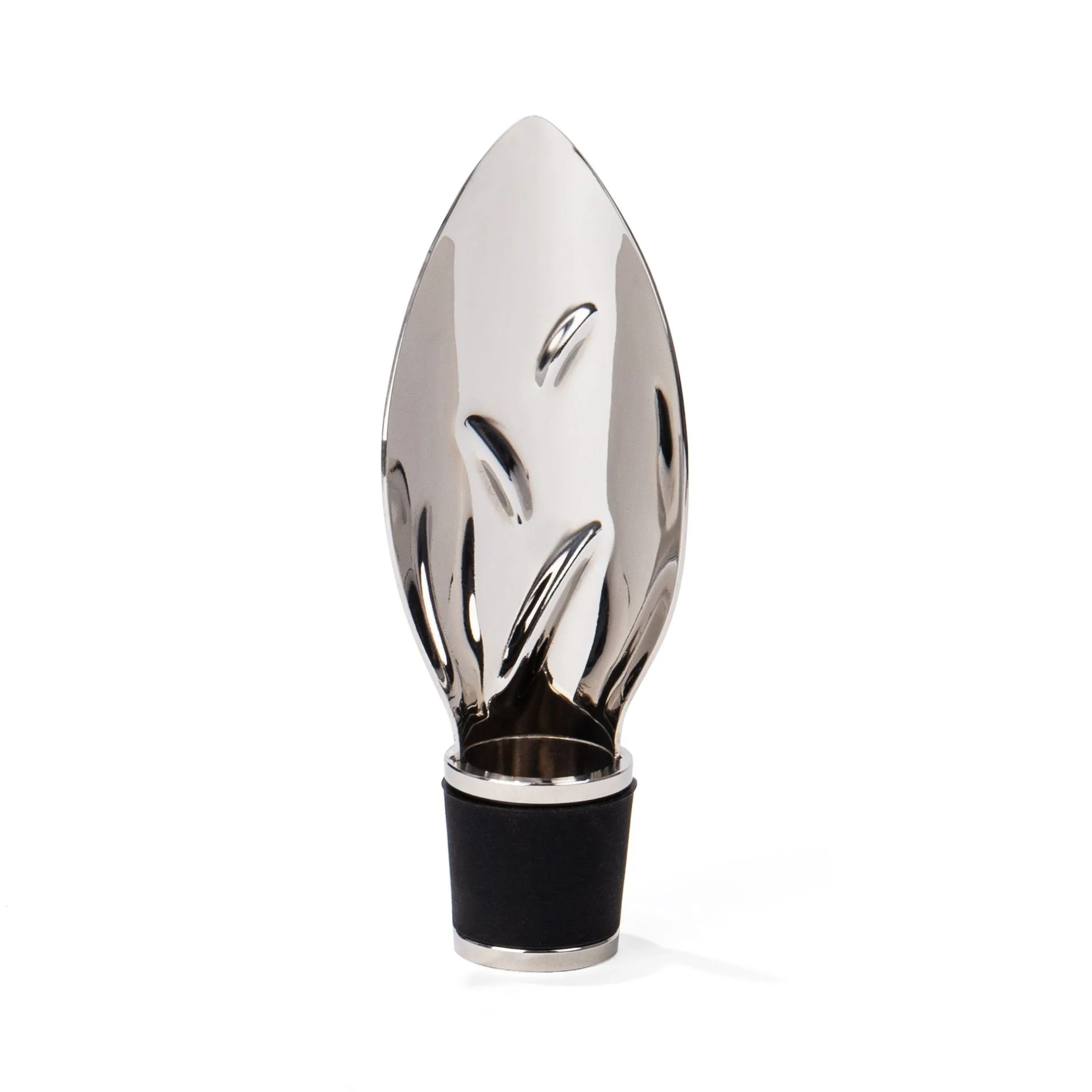
Wine Aerator Pourer – The Pourer Leaf | L’Atelier du Vin
A decanter, on the other hand, is a vessel with a wide base and a narrow neck. You pour the entire bottle into it, dramatically increasing the wine's surface area. This allows oxygen to interact with the wine over a longer period—minutes to hours. Traditional decanting is a more patient process, often used for older wines to separate sediment or for young wines to encourage vigorous aeration.
- Aerator pourer: instant aeration per glass, no need to decant the whole bottle.
- Decanter: gradual aeration of the full bottle, ideal for extended breathing.
Comparing Flavor and Aroma Impact
The debate of decanter vs aerator often centers on flavor. For young, bold reds, a wine aerator pourer can soften tannins and open up aromatics almost immediately. The Wine Aerator Pourer – The Pourer Leaf is designed to maximize oxygen contact, making it a favorite for those who want to enjoy a bottle without waiting. It's particularly effective for wines that are 'closed' and need a quick boost.
Decanting, however, offers a more profound transformation. By allowing the wine to sit, it can develop tertiary aromas and a silkier texture. For aged wines, decanting is essential to separate sediment and prevent bitterness. A decanter like the Wine Decanter – Perched Carafe combines function with elegance, turning the act of serving into a ritual. If you have time, decanting can reveal layers that a quick aeration might miss.
Speed and Convenience
Quick wine aeration is the aerator's superpower. With a pourer, you can pour a glass directly from the bottle and enjoy it immediately. There's no need to transfer the entire bottle, which also means you can aerate just one glass if you're drinking alone. The Pourer Leaf is compact and easy to store, making it a great travel companion or a simple addition to your home bar.
Decanting requires more time and space. You need to pour the whole bottle, wait, and then serve. It's a more deliberate process, often reserved for special occasions or when you're serving multiple guests. If you're in a hurry or prefer minimal fuss, an aerator is the clear winner. But if you enjoy the ceremony and have the time, decanting offers a rewarding experience.
- Aerator pourer: pour and drink in seconds, perfect for midweek dinners.
- Decanter: requires 20-60 minutes of breathing time, ideal for weekend tastings.
Cleaning and Maintenance
Ease of cleaning is a practical consideration. A wine aerator pourer is generally easy to rinse after each use. The Pourer Leaf is designed with a smooth surface that can be quickly cleaned under warm water. Some models are dishwasher safe, but hand washing is often recommended to preserve the aeration mechanism.
Decanters, especially those with intricate shapes, can be trickier to clean. The wide base may require a bottle brush and careful rinsing. However, the Wine Decanter – Perched Carafe is crafted with a design that's relatively easy to clean compared to more ornate decanters. If you dislike fiddly cleaning, an aerator might be more appealing.
Which Should You Choose?
The choice between a wine aerator pourer and a decanter depends on your wine habits. If you often drink young, fruity reds and want instant gratification, a pourer like the Wine Aerator Pourer – The Pourer Leaf is a fantastic investment. It's also great for travel or picnics. On the other hand, if you collect older wines or enjoy hosting dinner parties where the decanting ritual is part of the experience, a decanter is indispensable.
Many wine lovers own both. Use the aerator for everyday pours and the decanter for special bottles. When you're ready to elevate your wine experience, consider adding a quality aerator or decanter from L’Atelier du Vin. Their range includes elegant options that blend function with style.
In the end, both tools have their place. For quick, convenient aeration, a wine aerator pourer is unbeatable. For a more traditional, transformative experience, a decanter is the classic choice. Explore the Wine Aerator Pourer – The Pourer Leaf to see how it can enhance your daily wine enjoyment.