Every barber faces the same question when upgrading their toolkit: should you invest in a cordless clipper or stick with a trusty corded model? The answer isn't one-size-fits-all. Your choice affects your workflow, your stamina during long shifts, and even the quality of your cuts. In this comparison, we break down the pros and cons of each type to help you decide which professional clipper fits your needs best.
We'll examine power consistency, battery life, maneuverability, maintenance, and cost—so you can walk into your next purchase with confidence. Whether you're a mobile barber who needs freedom of movement or a shop owner who values uninterrupted power, this guide will clarify the trade-offs.
Power and Performance: Corded vs. Cordless
Corded clippers have long been the gold standard for consistent power. They draw electricity directly from the outlet, which means the motor runs at full strength without any drop-off. This is crucial for dense, coarse hair or when you're working through back-to-back appointments. A corded clipper like the Absolute Alpha Professional Hair Clipper delivers steady torque, making it a reliable workhorse in any barbershop.
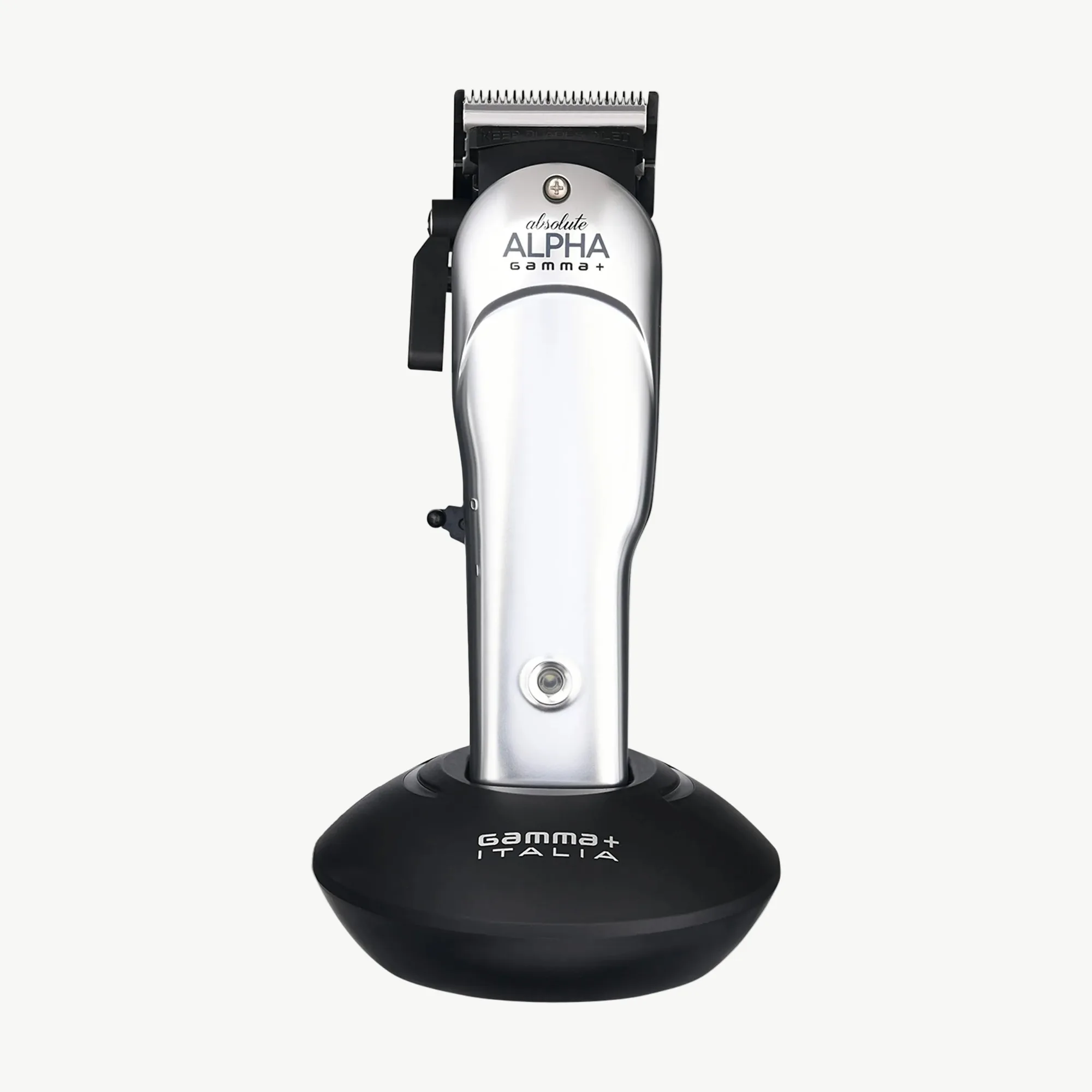
Absolute Alpha Professional Hair Clipper
Cordless clippers, on the other hand, rely on battery power. Modern lithium-ion batteries have closed the gap significantly, but you'll still notice a slight power reduction as the battery drains. However, top-tier cordless models, such as the Rogue Professional Hair Clipper, offer impressive cutting power that rivals many corded units. The key is to choose a clipper with a high-quality motor and battery management system to maintain performance throughout the day.
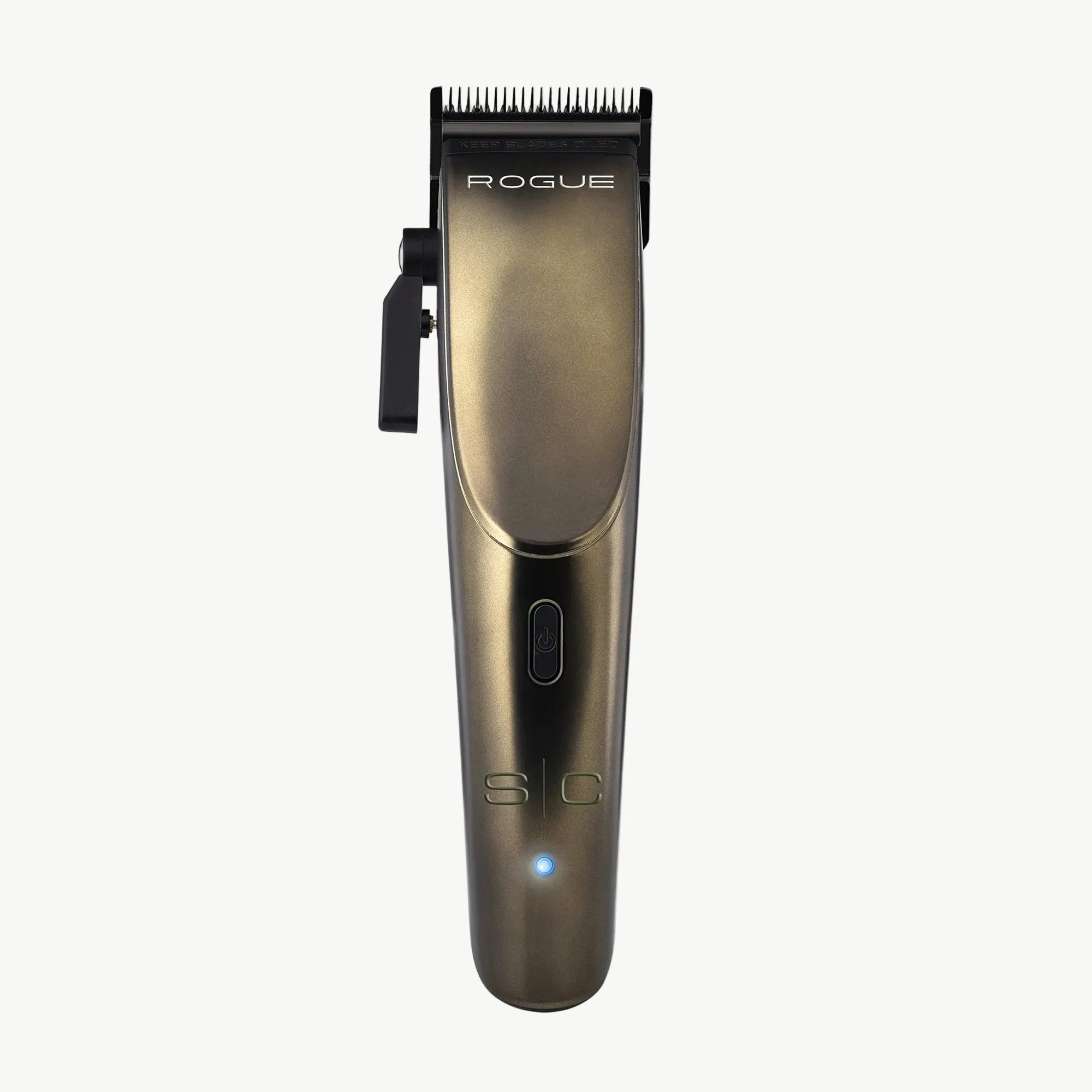
Rogue Professional Hair Clipper
- Corded clippers provide uninterrupted power, ideal for heavy-duty use.
- Cordless clippers offer freedom of movement but require battery management.
- Look for brushless motors in cordless models for better torque and longevity.
Battery Life and Charging: Cordless Convenience vs. Corded Reliability
Battery life is the biggest consideration for cordless clippers. A professional-grade cordless clipper should last at least 90 minutes of continuous use, and many models exceed that. For example, the Rogue Professional Hair Clipper boasts a long-lasting battery that can handle a full day of appointments. But you'll need to plan charging breaks, especially if you're booked solid.
Corded clippers eliminate battery anxiety altogether. You never have to worry about a dead clipper mid-cut. However, you're tethered to an outlet, which can be limiting if your station is far from a power source. Some barbers use extension cords, but that adds clutter and potential tripping hazards. If you prefer a cordless option but want backup, consider a model with a quick-charge feature or a spare battery.
- Cordless clippers: plan for charging between appointments.
- Corded clippers: no downtime, but limited mobility.
- Some cordless models offer a hybrid mode—use them corded when the battery dies.
Maneuverability and Ergonomics: Freedom vs. Stability
Maneuverability is where cordless clippers shine. Without a cord, you can move freely around the client, switch hands easily, and work in tight spaces. This is a game-changer for intricate fades and detailing. The Rogue Professional Hair Clipper is lightweight and well-balanced, reducing hand fatigue during long sessions. For barbers who do a lot of freehand work, the cordless advantage is undeniable.
Corded clippers, while less flexible, offer a stable connection that some barbers prefer. The cord provides a sense of security—you never have to worry about battery failure. But the cord can get in the way, especially if you're working in a busy shop with multiple stations. Some barbers use a cord swivel to keep the cord out of the way, but it's still an extra element to manage.
- Cordless clippers are ideal for mobile barbers and detailed work.
- Corded clippers offer stability but may restrict movement.
- Consider the weight and grip of the clipper to reduce hand fatigue.
Maintenance and Durability: What to Expect
Both cordless and corded clippers require regular maintenance, but the specifics differ. Cordless clippers have batteries that degrade over time. You'll eventually need to replace the battery, which can be costly. However, many professional models have replaceable batteries, extending the clipper's lifespan. The Rogue Professional Hair Clipper is designed for easy battery replacement, making it a smart long-term investment.
Corded clippers have fewer components to fail, but the cord itself can be a weak point. Frequent bending and pulling can damage the cord, requiring replacement. Additionally, the motor and blades need regular cleaning and oiling to maintain performance. Regardless of type, always follow the manufacturer's care instructions—proper maintenance ensures your clipper lasts for years.
- Cordless clippers: replaceable batteries extend lifespan.
- Corded clippers: watch for cord damage.
- Clean and oil blades after every use to prevent dulling.
Cost Considerations: Initial Investment vs. Long-Term Value
Price is a major factor for many barbers. Corded clippers are generally more affordable upfront because they lack battery technology. However, cordless clippers with advanced features can cost more, but they offer convenience that many professionals find worth the premium. Consider your budget and how often you'll use the clipper. If you're just starting, a corded model might be a cost-effective choice.
On the other hand, cordless clippers can save you money in the long run if you're a mobile barber. You won't need to invest in extension cords or adapter setups. Plus, the ability to work anywhere can increase your client base. Ultimately, the right choice depends on your specific business model and personal preferences.
- Corded clippers are budget-friendly upfront.
- Cordless clippers offer flexibility that can boost your income.
- Factor in battery replacement costs for cordless models.
Real-World Applications: Which Clipper Suits Your Workflow?
Think about your daily routine. If you work in a busy shop with multiple stations and frequent walk-ins, a corded clipper like the Absolute Alpha Professional Hair Clipper might be your best bet. It provides consistent power and eliminates downtime. On the other hand, if you're a freelance barber who travels to clients' homes or events, a cordless clipper like the Rogue Professional Hair Clipper offers the portability you need.
Many barbers actually own both types. They use a cordless clipper for most cuts and a corded clipper for heavy-duty work or as a backup. This hybrid approach gives you the best of both worlds. Whichever you choose, ensure it fits your hand comfortably and meets your performance expectations.
- Corded for stationary, high-volume shops.
- Cordless for mobile services and flexibility.
- Owning both can cover all scenarios.
Ultimately, the choice between a cordless and corded clipper comes down to your personal workflow and priorities. If you value freedom and versatility, a cordless model like the Rogue Professional Hair Clipper is a fantastic investment. If you prefer consistent power and lower upfront costs, the Absolute Alpha Professional Hair Clipper won't let you down. Consider your needs carefully, and don't hesitate to try both before making a final decision.